
Stainless Steel Ninjato
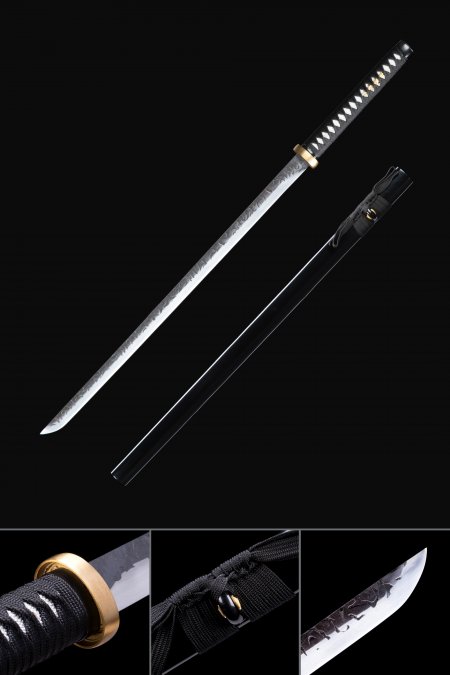
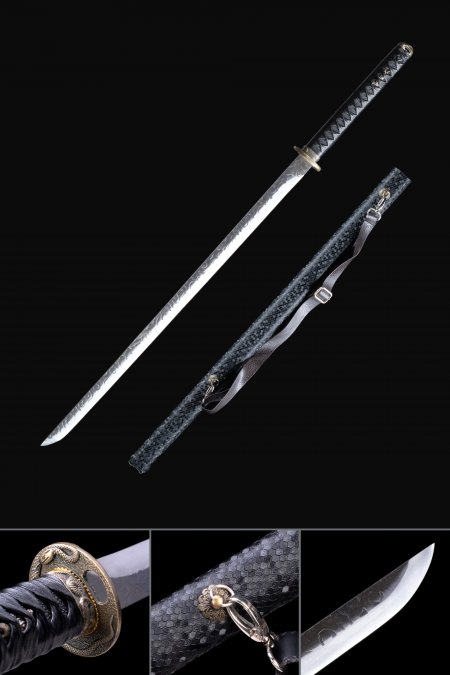
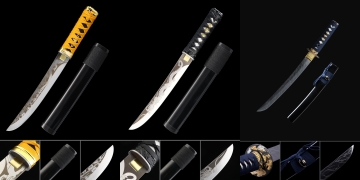
Stainless steel ninjato bring the iconic straight-bladed silhouette of feudal Japan's shadow operatives into permanent, display-ready form. Each piece in this collection features hand-applied dragon engravings, ornate tsuba, and lacquered saya - crafted for collectors who appreciate both visual drama and historical mythology. Free standard shipping on all orders, with hassle-free returns.
Related Collections

Frequently Asked Questions
What makes ninjato different from a katana?
The most immediately visible difference is blade geometry. A katana features a pronounced curve (sori) developed to maximize drawing efficiency from a hip-mounted scabbard, while the ninjato has a straight or minimally curved blade that delivers a distinct, angular profile. The ninjato also typically features a squared tsuba rather than the rounded guards common on katana, and a shorter overall length. For collectors, this means the two forms complement rather than duplicate each other on display - the katana reads as classical and ceremonial, while the ninjato carries a more austere, utilitarian visual character rooted in the mythology of feudal covert operatives.
Is stainless steel a good choice for a display ninjato?
For a collectible or display-focused piece, stainless steel is an excellent material choice. It resists oxidation and surface rust without requiring the regular oiling regimen that high-carbon steel demands, making it far more forgiving in typical indoor environments with variable humidity. The surface also holds engraved details cleanly over time, which is why ornately decorated pieces - such as those featuring dragon motifs - are commonly produced in stainless steel. The trade-off is that stainless steel is generally harder to forge to the same edge geometry as high-carbon steel, but since these pieces are intended for display rather than use, that distinction is irrelevant for most collectors.
What do the dragon engravings on these ninjato symbolize?
In East Asian tradition, the dragon (ryū in Japanese) is one of the most layered symbols in the visual lexicon. Unlike Western dragon iconography associated with destruction, the ryū represents celestial power, wisdom, and transformation - qualities historically associated with emperors, generals, and spiritual guardians. On a sword collectible, dragon engravings serve both decorative and symbolic functions: they signal the owner's appreciation for this mythological tradition and elevate the piece beyond a simple display item into something with narrative weight. Collectors often find that dragon-engraved blades become natural conversation anchors in a display room, prompting discussion of Japanese and Chinese mythological crossover in sword culture.
How should I care for a black lacquer saya on display?
Black lacquer saya are more delicate than leather-wrapped alternatives and benefit from consistent care. Avoid placing a lacquer saya in direct sunlight for extended periods, as UV exposure gradually causes the finish to crack or fade, dulling the high-gloss surface that makes these pieces visually striking. Clean the saya with a soft, slightly damp cloth - never abrasive materials - and dry immediately. Indoor humidity levels between 40-60% are ideal; excessive dryness can cause the lacquer to develop hairline cracks over time. When mounting the piece, ensure the saya rests on padded supports rather than bare metal or wood edges, which can scratch the finish.
Can a stainless steel ninjato be a good gift for a collector?
A stainless steel ninjato makes a genuinely thoughtful gift for anyone interested in Japanese history, martial arts cinema, or decorative edged collectibles. The key is matching the piece to the recipient's existing display aesthetic - someone with a minimalist, monochromatic display will appreciate the stark elegance of a black lacquer saya and matte fittings, while a collector who favors ornate, layered displays will gravitate toward gold tsuba and engraved dragon motifs. Stainless steel construction also means the recipient won't need to immediately invest time in maintenance rituals, making it a welcoming entry point for newer collectors. Pairing a ninjato with a dedicated display stand completes the gift and shows genuine attention to how the piece will actually be presented.



