How does clay tempering affect the look of a collectible blade?

 Updated Feb 2026

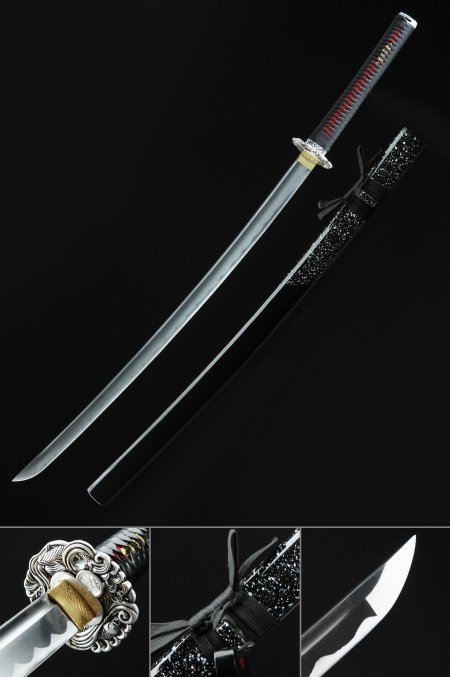
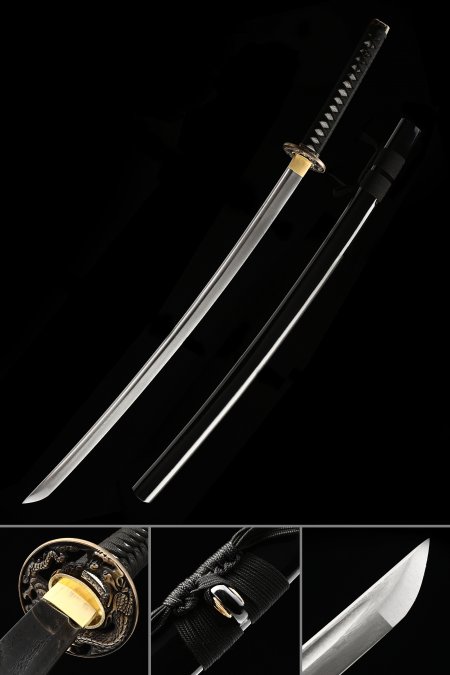
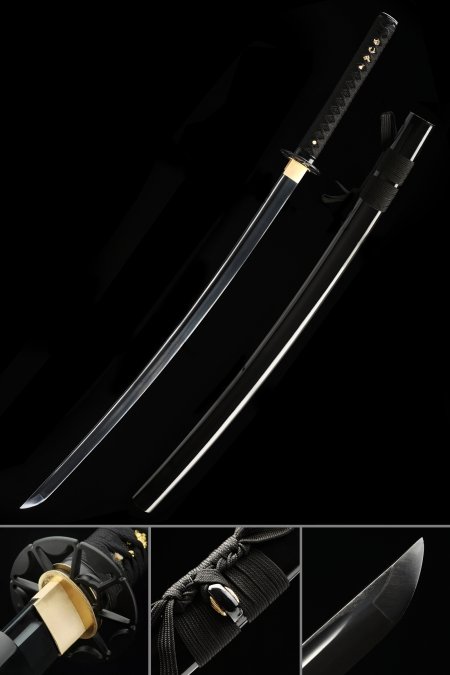
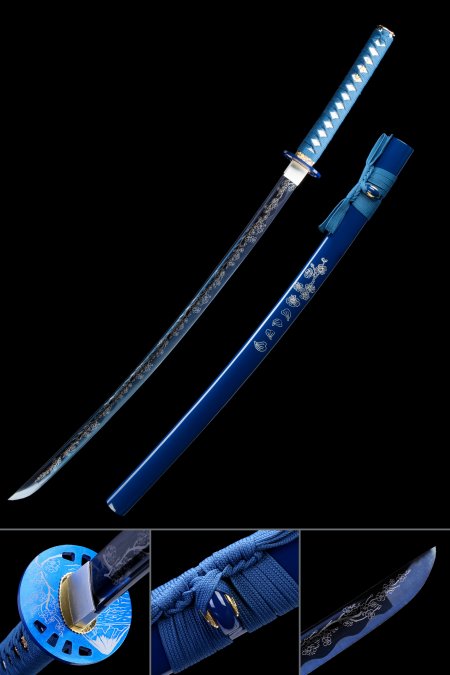
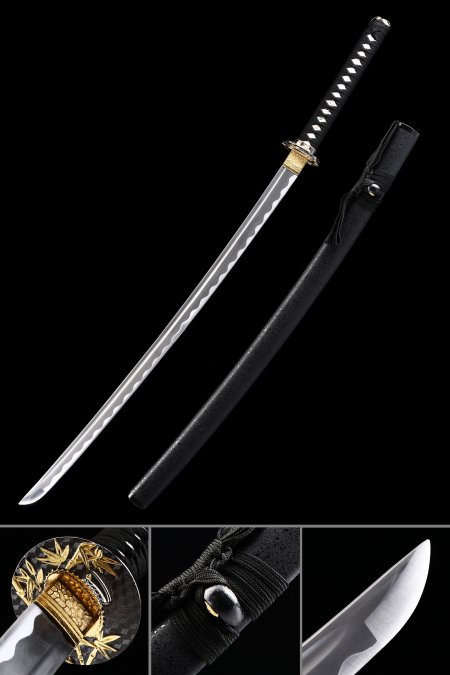
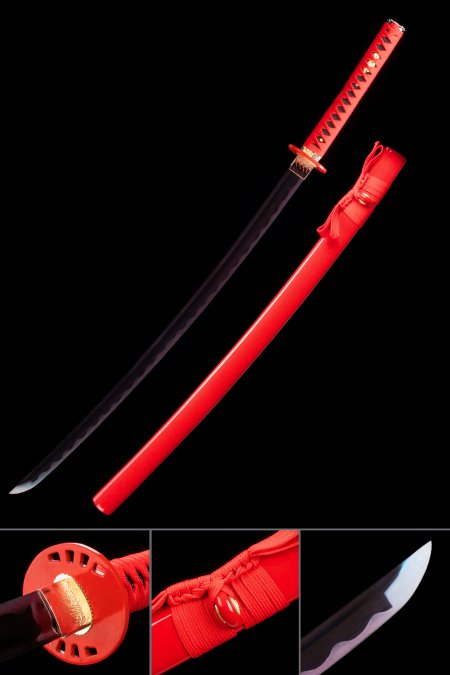
Clay tempering — known in Japanese as tsuchioki — is the process of applying a thin coat of refractory clay to the spine and flat of the blade before the final quench, leaving the edge relatively exposed. When the heated blade is plunged into water, the uninsulated edge cools rapidly and transforms into a hard, fine-grained steel structure called martensite, while the clay-protected spine cools slowly and remains softer and tougher. The boundary between these two zones becomes the hamon: a visible temper line whose shape — whether straight, wavy, or irregularly notched — reflects both the clay application pattern and the smith's skill. On a display piece, the hamon is often the single most scrutinized feature, and a well-defined, naturally formed hamon adds significant aesthetic and collector value compared to acid-etched or polished-in simulations.
Popular Products

15% OFFkatana sword
129.00 USD
149.00 USD
20% OFFred katana
129.00 USD
159.00 USD
20% OFFrengoku sword
169.00 USD
209.00 USD
20% OFFkatana sword
139.00 USD
179.00 USD
15% OFFshusui sword
139.00 USD
169.00 USD
15% OFFmichonne's sword
199.00 USD
229.00 USD
20% OFFkatana sword
159.00 USD
199.00 USD
20% OFFzoro swords
349.00 USD
439.00 USD
20% OFFblack katana
159.00 USD
199.00 USD
15% OFFzoro sword
139.00 USD
169.00 USD
15% OFFblack katana
179.00 USD
209.00 USD
20% OFFblue katana
149.00 USD
189.00 USD
15% OFFkatana sword
129.00 USD
149.00 USD
20% OFFred katana
129.00 USD
159.00 USD
20% OFFrengoku sword
169.00 USD
209.00 USD
20% OFFkatana sword
139.00 USD
179.00 USD
15% OFFshusui sword
139.00 USD
169.00 USD
15% OFFmichonne's sword
199.00 USD
229.00 USD
20% OFFkatana sword
159.00 USD
199.00 USD
20% OFFzoro swords
349.00 USD
439.00 USD
20% OFFblack katana
159.00 USD
199.00 USD
15% OFFzoro sword
139.00 USD
169.00 USD
15% OFFblack katana
179.00 USD
209.00 USD
20% OFFblue katana
149.00 USD
189.00 USD

Explore Our Collections