What is the difference between 1060 and 1095 steel in ninjato blades?
Updated Feb 2026
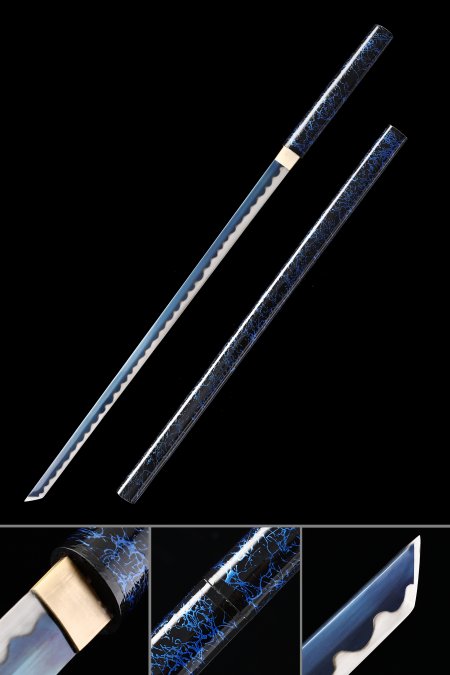
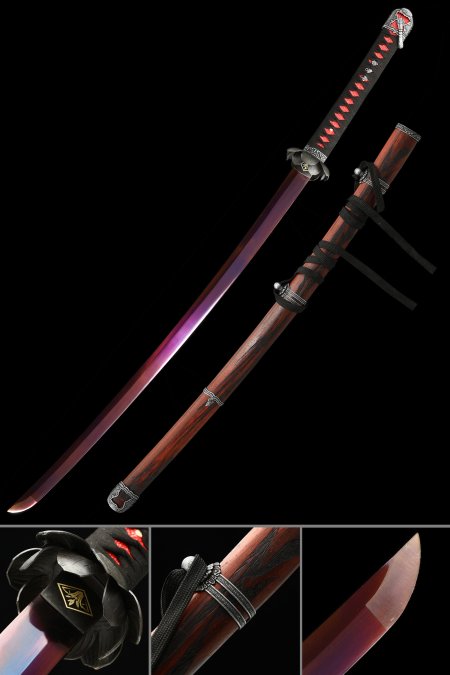
The key variable is carbon content: 1060 contains roughly 0.60% carbon while 1095 contains about 0.95%. Higher carbon allows 1095 to reach greater hardness after heat treatment, often 56–60 HRC, which translates to superior edge retention and the ability to develop a more dramatic hamon line when clay-tempered. However, that added hardness comes with increased brittleness, so 1095 blades demand more careful handling and a stricter maintenance routine to prevent chipping or corrosion. 1060 is more forgiving — it resists small impacts better and is less prone to rust under the same storage conditions. For collectors who prioritize low-maintenance display and regular hands-on appreciation, 1060 is often the more practical choice. Those who value maximum hardness and a visually striking temper line may prefer to explore options like our Red 1095 Carbon Steel Ninjato collection.