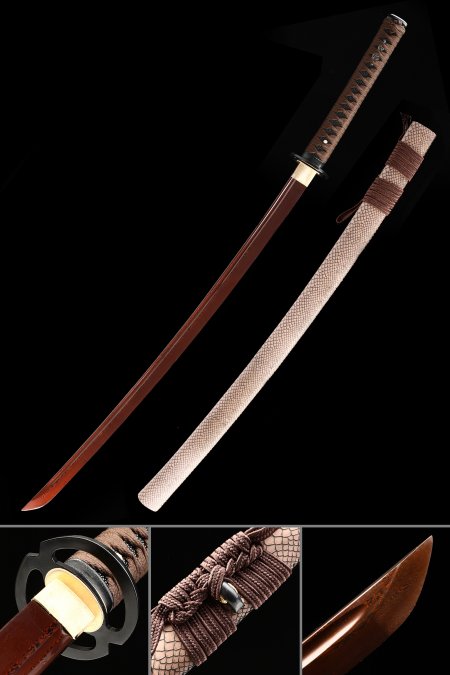
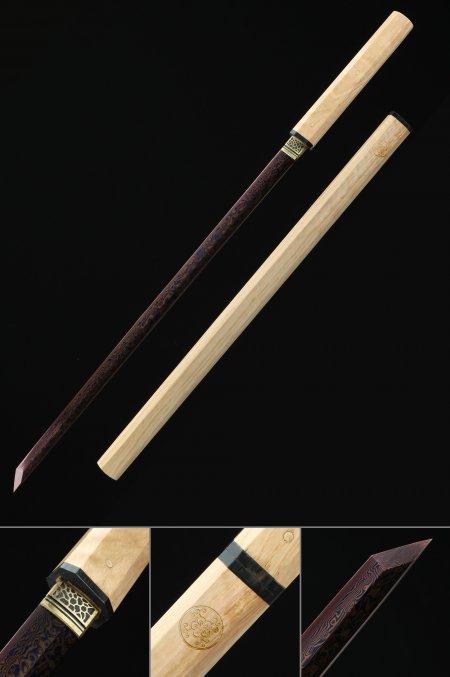
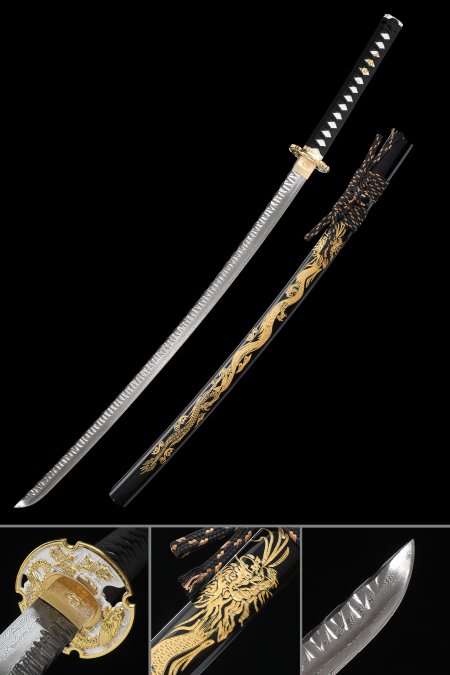
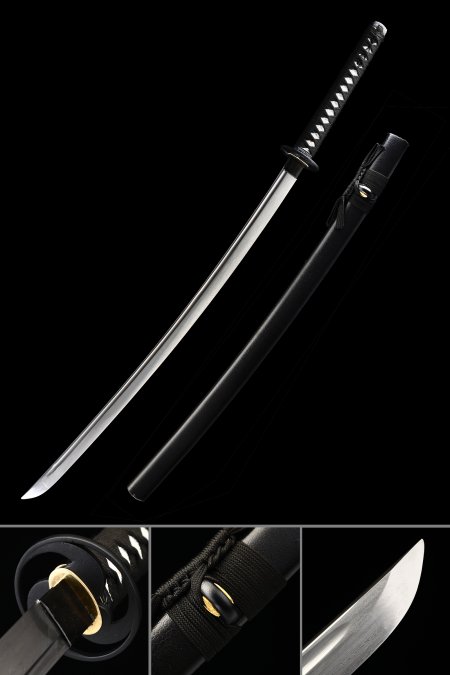
What makes a pattern steel ninjato different from a regular ninjato?

 Updated Feb 2026

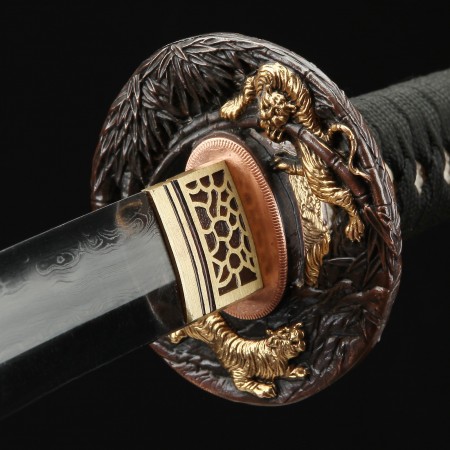
A pattern steel ninjato starts with a billet composed of multiple layers of steel that are forge-welded, folded, and drawn out repeatedly. This process — often called Damascus folding — creates visible grain patterns across the blade surface such as wood-grain, twist-core, or ladder designs. A standard ninjato might use a single type of monosteel like 1060 or 1095 carbon steel, which produces a clean, uniform surface but lacks the layered visual texture. Beyond aesthetics, the folding process refines the internal grain structure of the metal, reducing impurities and distributing carbon more evenly. This means a pattern steel blade tends to have a more consistent microstructure from spine to edge. For collectors, the layered steel is a major part of the appeal because each blade develops a unique surface pattern during forging that cannot be exactly replicated.
Popular Products

20% OFFdamascus katana
619.00 USD
769.00 USD
20% OFFjapanese katana
229.00 USD
289.00 USD
15% OFFkatana sword
199.00 USD
229.00 USD
15% OFFshikomizue sword
229.00 USD
269.00 USD
20% OFFdamascus katana
279.00 USD
349.00 USD
15% OFFblack katana
179.00 USD
209.00 USD
20% OFFmodern wakizashi
209.00 USD
259.00 USD
15% OFFgolden katana
199.00 USD
229.00 USD
15% OFFblack katana
179.00 USD
209.00 USD
20% OFFblack katana
159.00 USD
199.00 USD
15% OFFreal katana
649.00 USD
769.00 USD
15% OFFkatana sword
199.00 USD
239.00 USD
20% OFFdamascus katana
619.00 USD
769.00 USD
20% OFFjapanese katana
229.00 USD
289.00 USD
15% OFFkatana sword
199.00 USD
229.00 USD
15% OFFshikomizue sword
229.00 USD
269.00 USD
20% OFFdamascus katana
279.00 USD
349.00 USD
15% OFFblack katana
179.00 USD
209.00 USD
20% OFFmodern wakizashi
209.00 USD
259.00 USD
15% OFFgolden katana
199.00 USD
229.00 USD
15% OFFblack katana
179.00 USD
209.00 USD
20% OFFblack katana
159.00 USD
199.00 USD
15% OFFreal katana
649.00 USD
769.00 USD
15% OFFkatana sword
199.00 USD
239.00 USD

Explore Our Collections