What does clay tempering do, and why do collectors value it?

 Updated Feb 2026

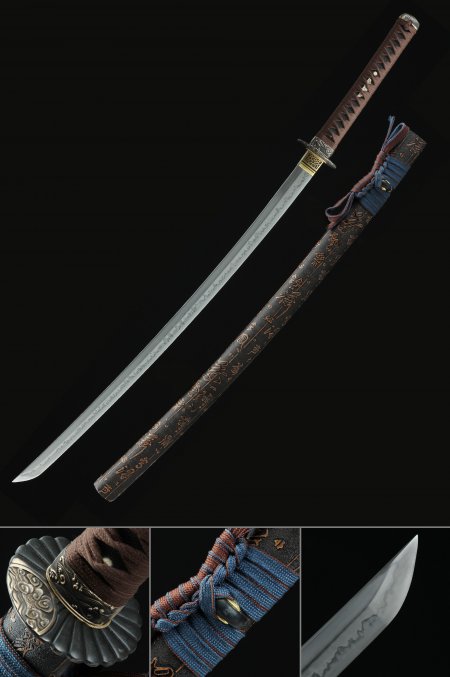
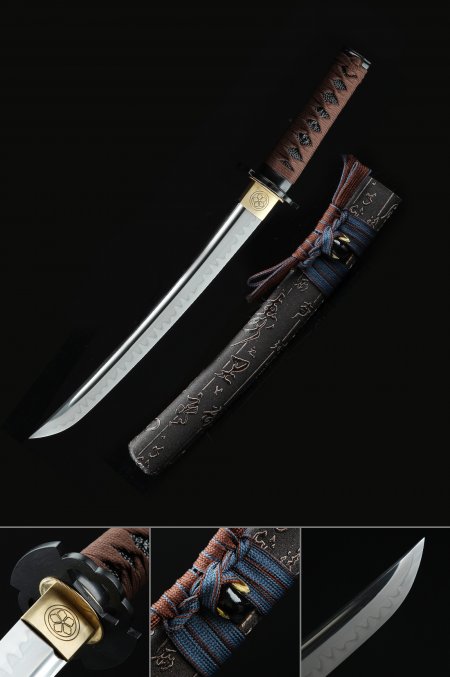
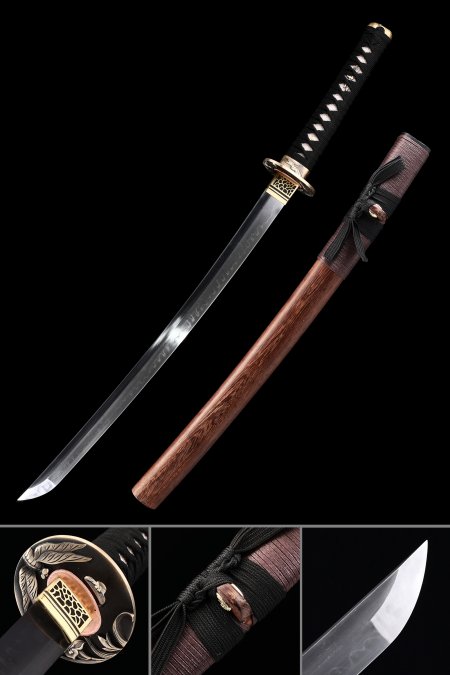
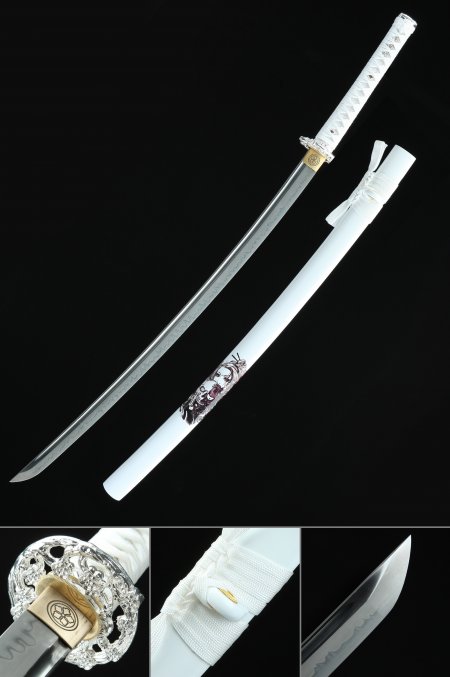
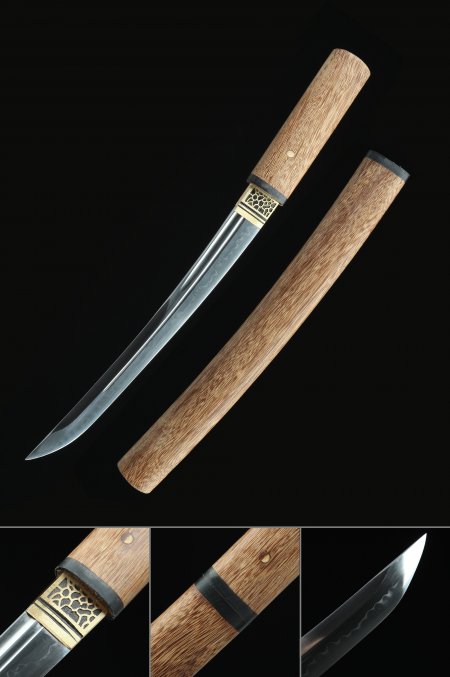
Clay tempering - known as tsuchioki in Japanese blade tradition - involves coating the blade spine with a clay mixture before the final quench in water or oil. The clay insulates the spine, causing it to cool more slowly than the exposed edge. This differential cooling creates two zones of hardness in a single blade: a harder, more resilient edge and a tougher, more flexible spine. The boundary between these zones becomes the hamon, the wavy or irregular temper line visible along the blade. For collectors, the hamon is significant because it cannot be faked through acid etching with the same visual complexity that a genuine clay-temper produces - it's a direct record of the metallurgical process. T10 steel clay-tempered ninjato in this collection carry that authentic production detail, which is why they're often highlighted as the higher-end collectible tier within the brown ninjato category.
Popular Products

15% OFFwhite katana
209.00 USD
249.00 USD
20% OFFchokuto sword
159.00 USD
199.00 USD
20% OFF
259.00 USD
329.00 USD
15% OFFpink katana
189.00 USD
219.00 USD
20% OFFshirasaya katana
209.00 USD
259.00 USD
15% OFFtanto sword
149.00 USD
179.00 USD
20% OFFshirasaya wakizashi
179.00 USD
219.00 USD
20% OFFblue katana
209.00 USD
259.00 USD
15% OFFshirasaya tanto
149.00 USD
179.00 USD
20% OFFjapanese katana
169.00 USD
209.00 USD
15% OFFred katana
199.00 USD
229.00 USD
20% OFFwakizashi sword
219.00 USD
279.00 USD
15% OFFwhite katana
209.00 USD
249.00 USD
20% OFFchokuto sword
159.00 USD
199.00 USD
20% OFF
259.00 USD
329.00 USD
15% OFFpink katana
189.00 USD
219.00 USD
20% OFFshirasaya katana
209.00 USD
259.00 USD
15% OFFtanto sword
149.00 USD
179.00 USD
20% OFFshirasaya wakizashi
179.00 USD
219.00 USD
20% OFFblue katana
209.00 USD
259.00 USD
15% OFFshirasaya tanto
149.00 USD
179.00 USD
20% OFFjapanese katana
169.00 USD
209.00 USD
15% OFFred katana
199.00 USD
229.00 USD
20% OFFwakizashi sword
219.00 USD
279.00 USD

Explore Our Collections