How does clay tempering create a real hamon on a tanto blade?

 Updated Feb 2026

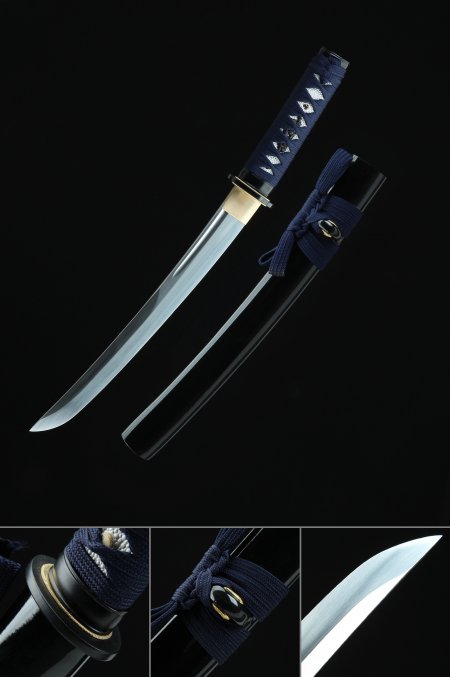
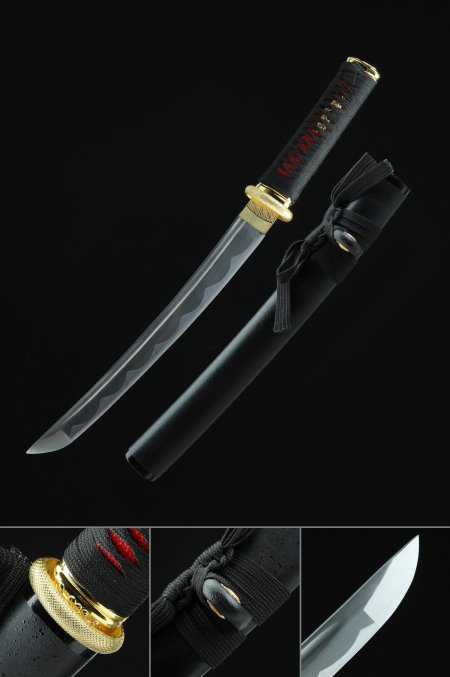
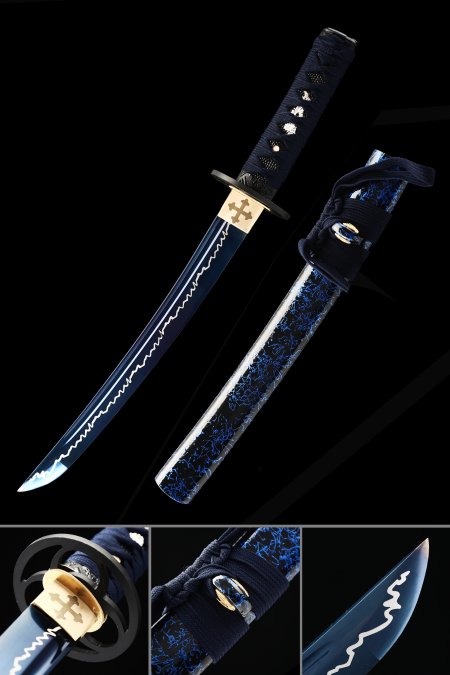
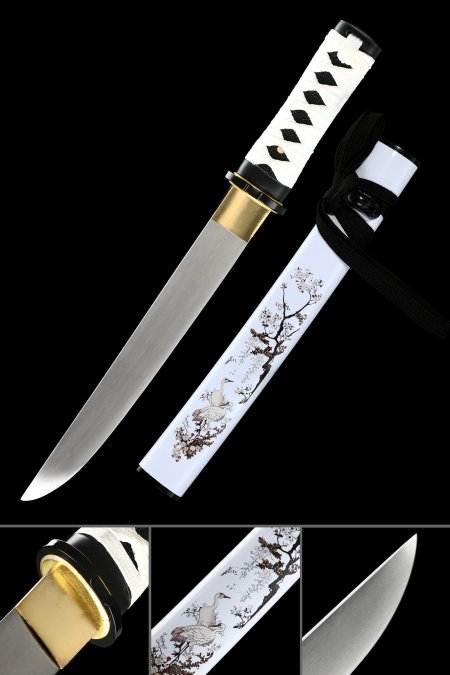
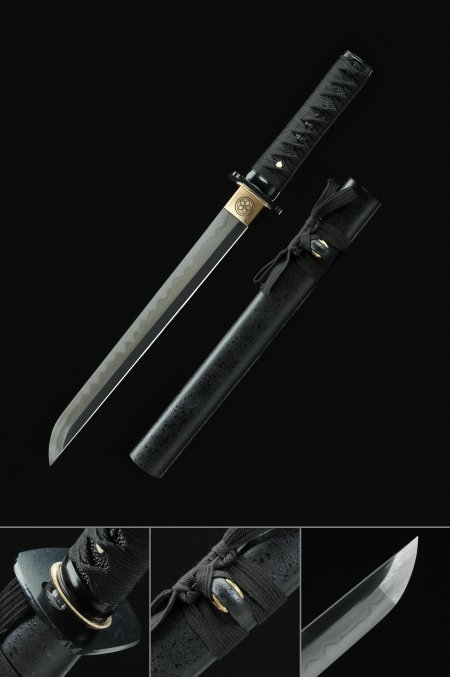
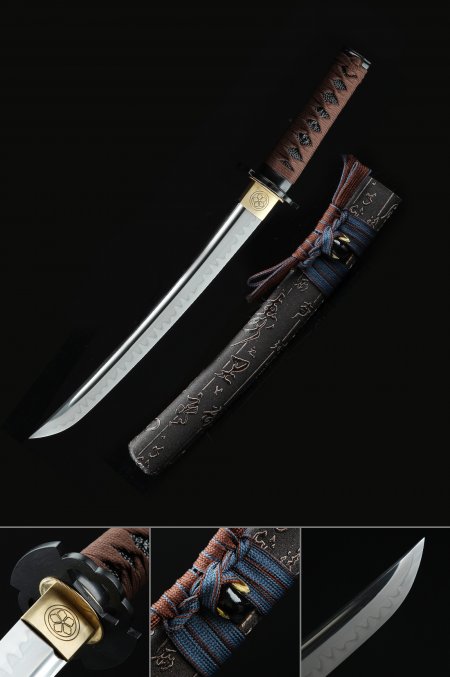
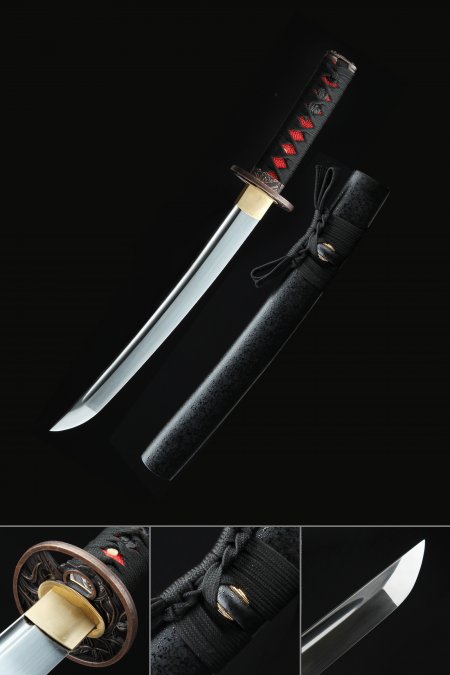
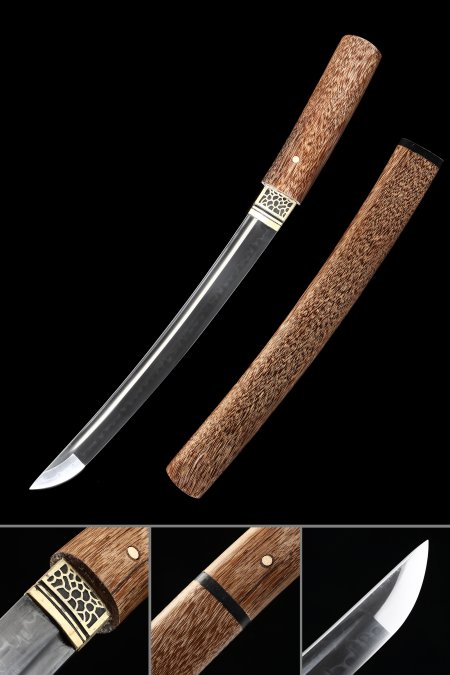
Clay tempering, known as tsuchioki in traditional Japanese practice, involves applying a mixture of clay, ash, and charite in varying thicknesses along the blade before heat treatment. The spine receives a thicker clay coating while the edge is left thinner or exposed. During quenching — rapid cooling in water — the thinly coated edge cools faster and hardens into martensite, while the insulated spine cools slowly into softer pearlite. The visible hamon line marks exactly where this transition occurs. Each blade's hamon is unique because slight variations in clay application, temperature, and quenching speed produce different patterns. This is not etched or cosmetic; it reflects a genuine structural difference within the steel, which is why collectors value a real hamon as proof of authentic differential hardening.
Popular Products

15% OFFtanto
149.00 USD
179.00 USD
15% OFFdouble edge tanto
189.00 USD
219.00 USD
15% OFFtanto sword
139.00 USD
169.00 USD
15% OFFtanto sword
89.00 USD
109.00 USD
20% OFFtanto sword
109.00 USD
139.00 USD
15% OFFhamidashi tanto
149.00 USD
179.00 USD
15% OFFtanto sword
179.00 USD
209.00 USD
0% OFF
0.00 USD
69.00 USD
15% OFFshirasaya tanto
149.00 USD
179.00 USD
20% OFFtanto sword
109.00 USD
139.00 USD
15% OFFhamidashi tanto
149.00 USD
179.00 USD
15% OFFtanto sword
149.00 USD
179.00 USD
15% OFFtanto
149.00 USD
179.00 USD
15% OFFdouble edge tanto
189.00 USD
219.00 USD
15% OFFtanto sword
139.00 USD
169.00 USD
15% OFFtanto sword
89.00 USD
109.00 USD
20% OFFtanto sword
109.00 USD
139.00 USD
15% OFFhamidashi tanto
149.00 USD
179.00 USD
15% OFFtanto sword
179.00 USD
209.00 USD
0% OFF
0.00 USD
69.00 USD
15% OFFshirasaya tanto
149.00 USD
179.00 USD
20% OFFtanto sword
109.00 USD
139.00 USD
15% OFFhamidashi tanto
149.00 USD
179.00 USD
15% OFFtanto sword
149.00 USD
179.00 USD

Explore Our Collections