What is the difference between aikuchi and hamidashi tanto mountings?
Updated Feb 2026
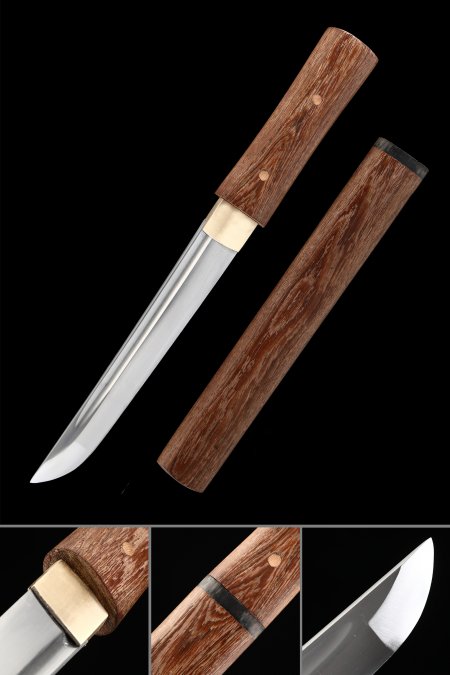
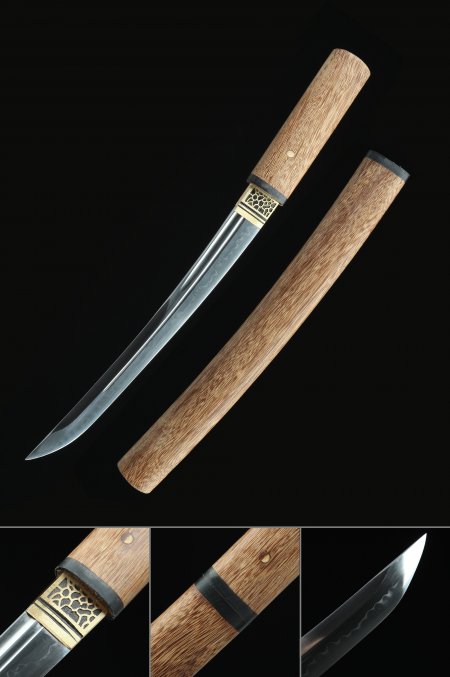
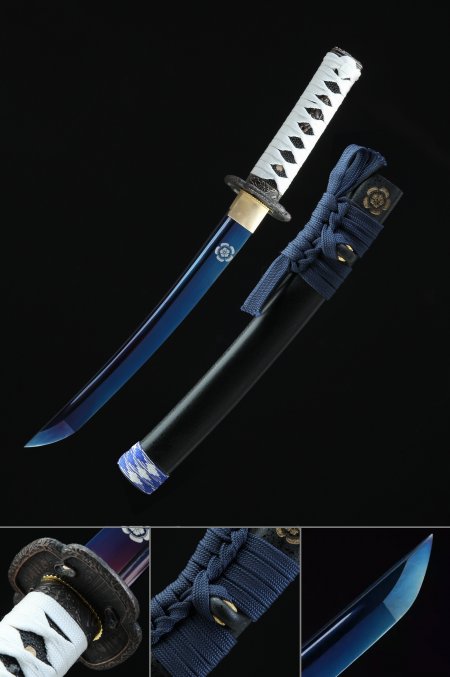
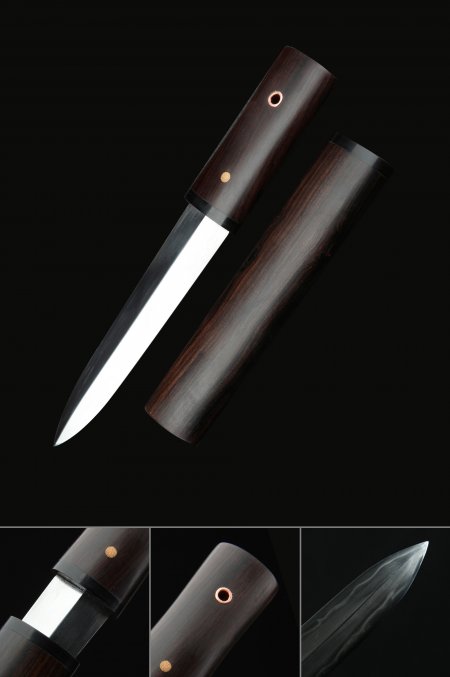
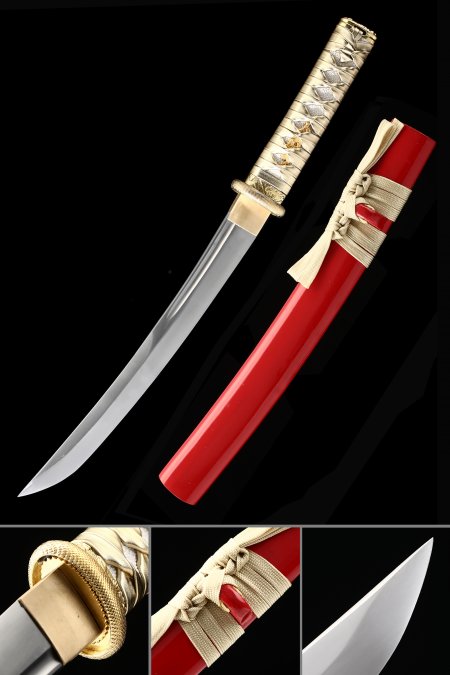
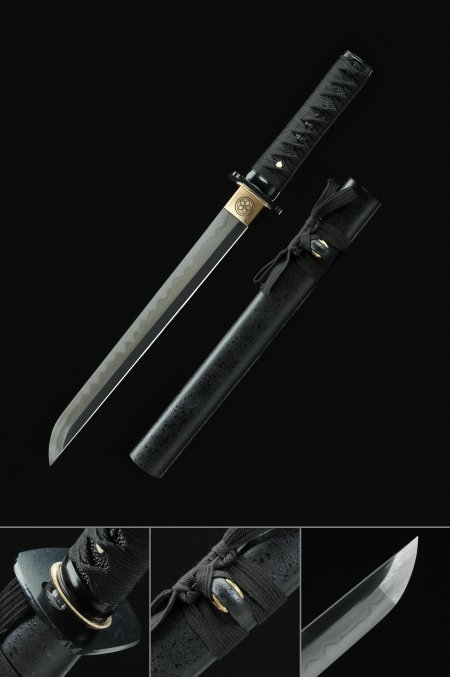
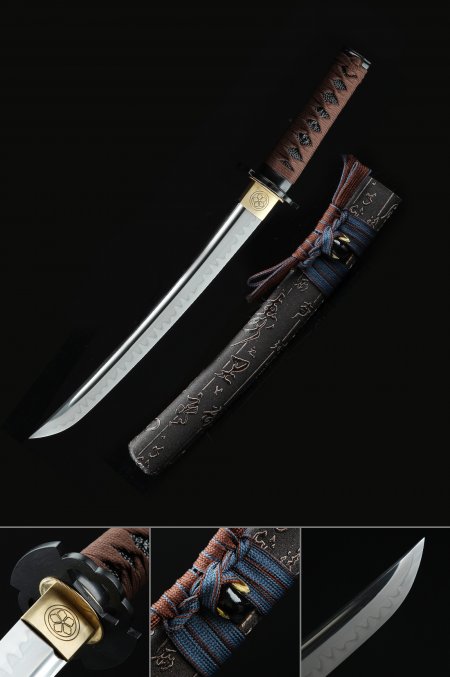
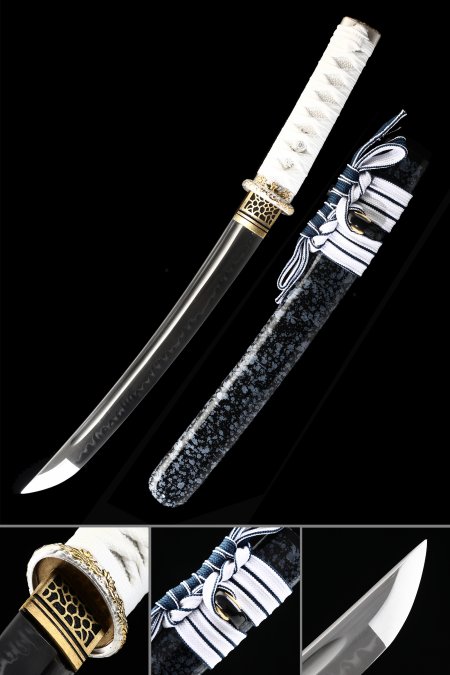
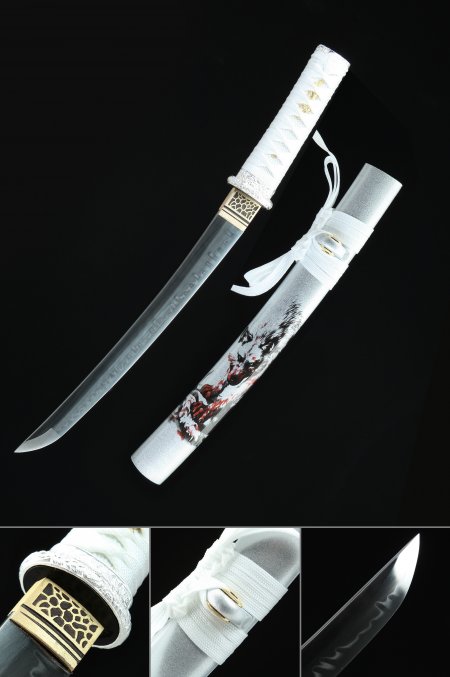
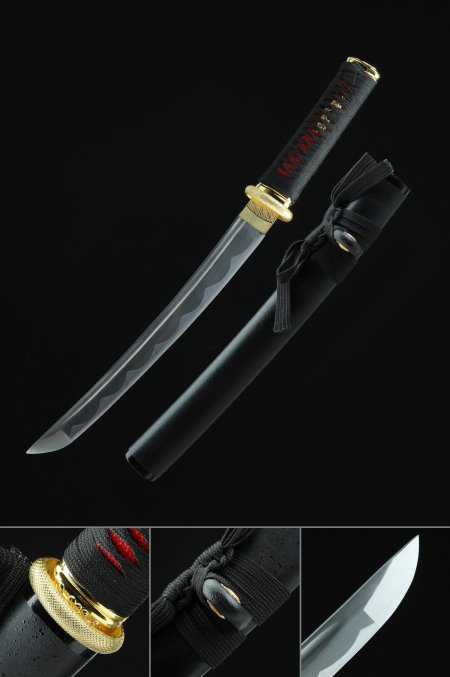
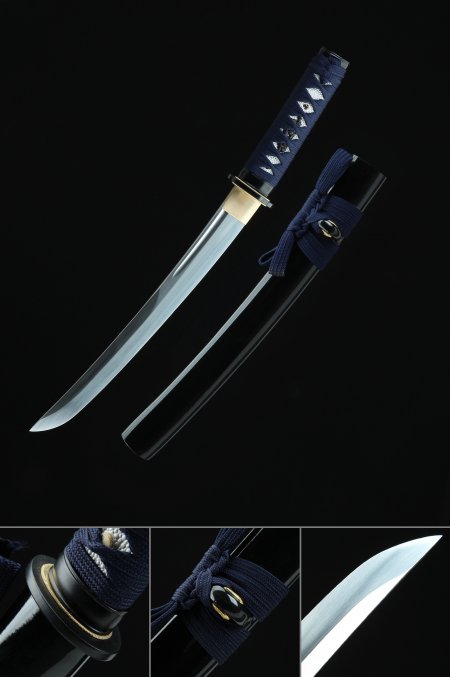
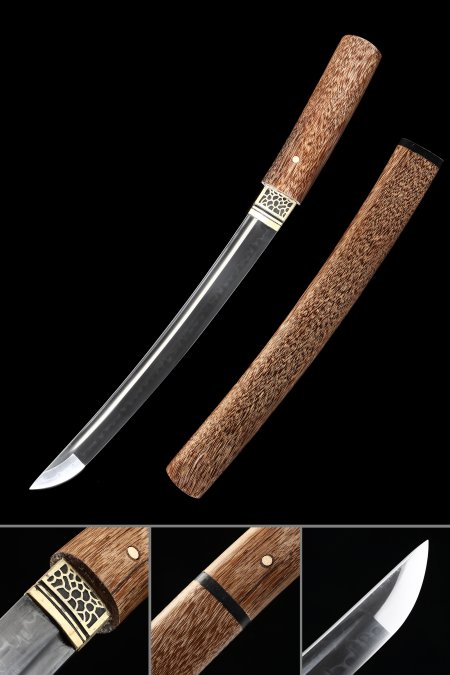
Aikuchi and hamidashi represent two closely related but distinct mounting traditions for Japanese short swords. An aikuchi tanto has no tsuba whatsoever — the handle meets the saya collar directly, creating an uninterrupted line from pommel to scabbard tip. This style was historically associated with court dress and higher-status carry, where a clean, minimal silhouette was preferred. A hamidashi tanto includes a very small, low-profile guard that extends only slightly beyond the handle width. It offers a subtle visual break between handle and blade without the pronounced disc of a standard tsuba. For collectors, the choice often comes down to aesthetic preference: aikuchi suits those who favor absolute minimalism, while hamidashi provides just enough structural definition to frame the blade's transition point.