How is a handmade naginata different from a katana?
Updated Feb 2026
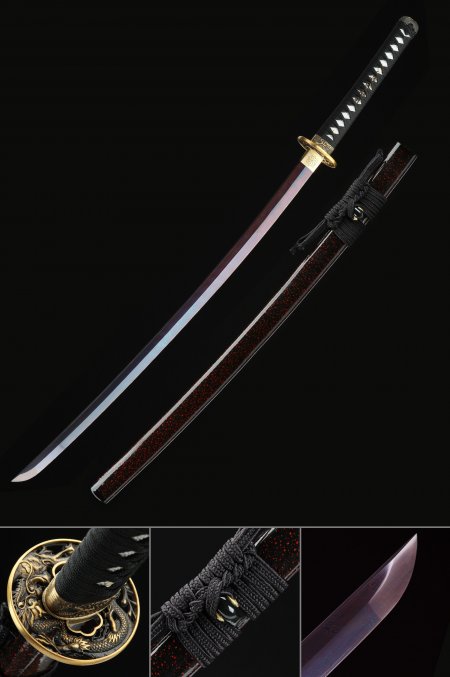
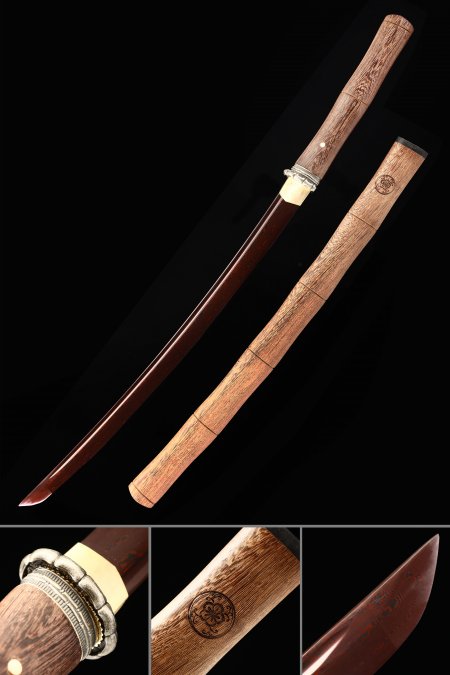
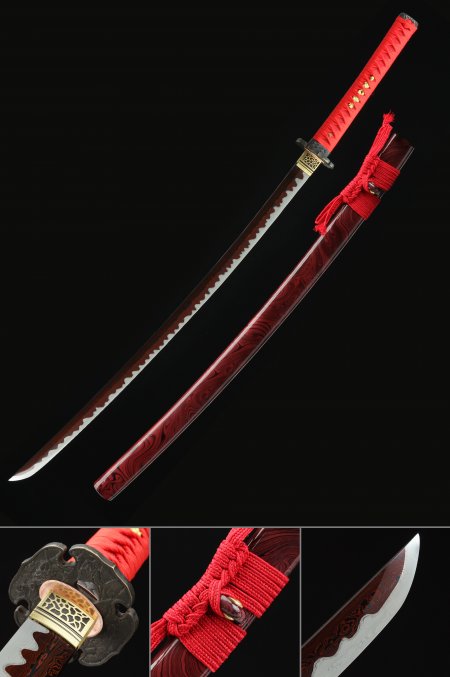
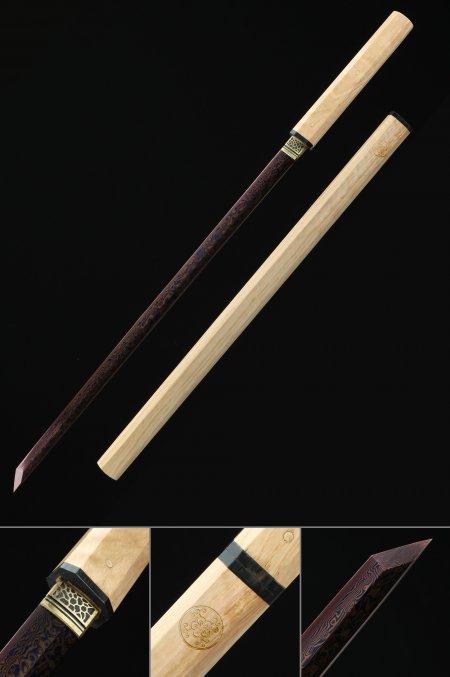
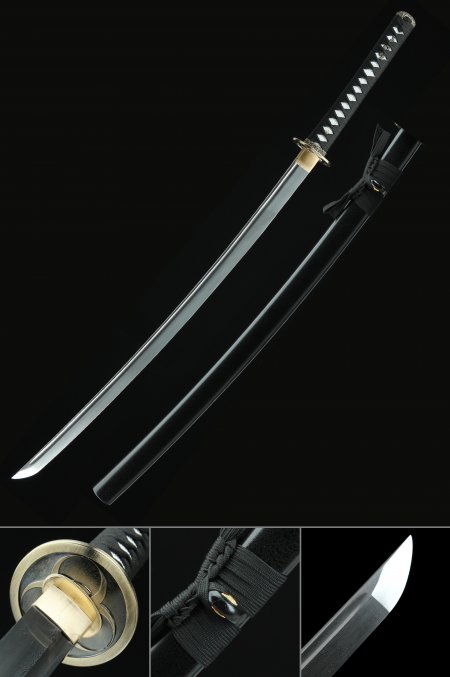
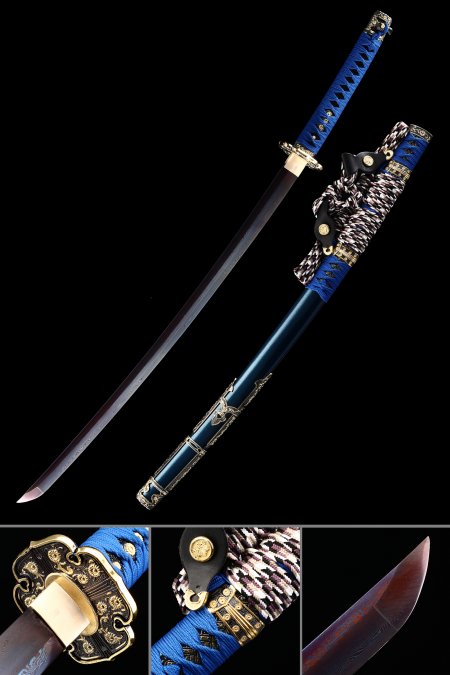
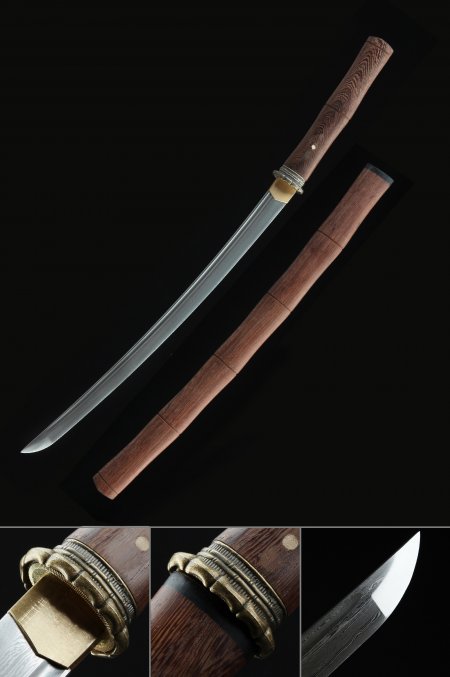
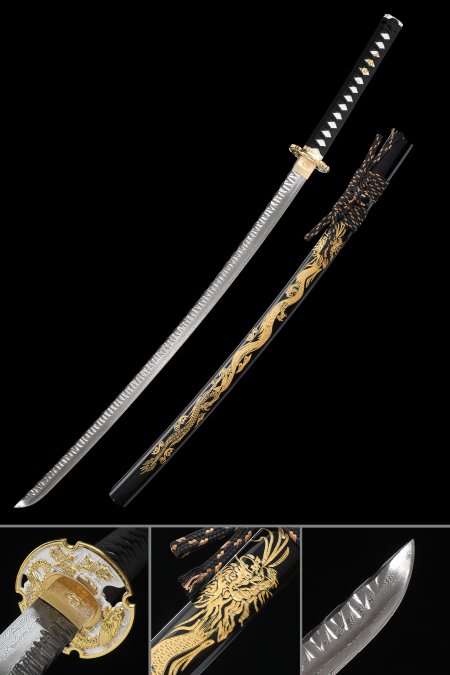
The most obvious difference is blade geometry and mounting. A naginata features a curved blade mounted on an extended handle, giving it a sweeping, polearm silhouette that historically distinguished it from the single-hand grip of a katana. The blade profile tends to be wider near the tip with a pronounced curvature designed for broad arcing motions, whereas a katana blade tapers more gradually. Construction-wise, both can share identical steel types and tempering methods — T10 clay tempered, Damascus folded steel — but the naginata's longer overall length and different balance point create a distinct display presence. Collectors often pair a naginata alongside a katana and tanto to represent the full range of traditional Japanese edged craft.