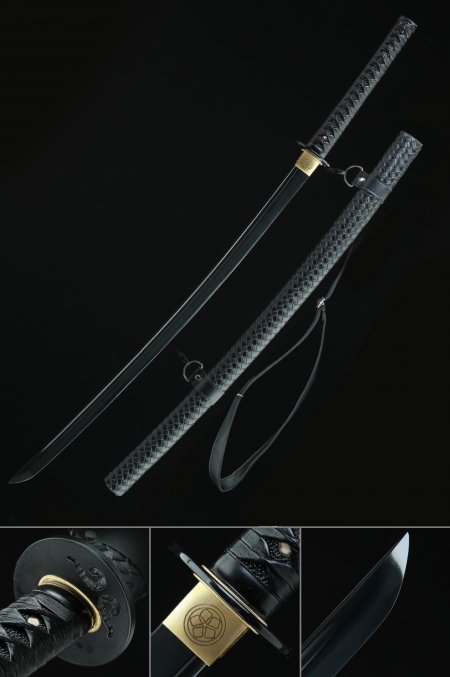
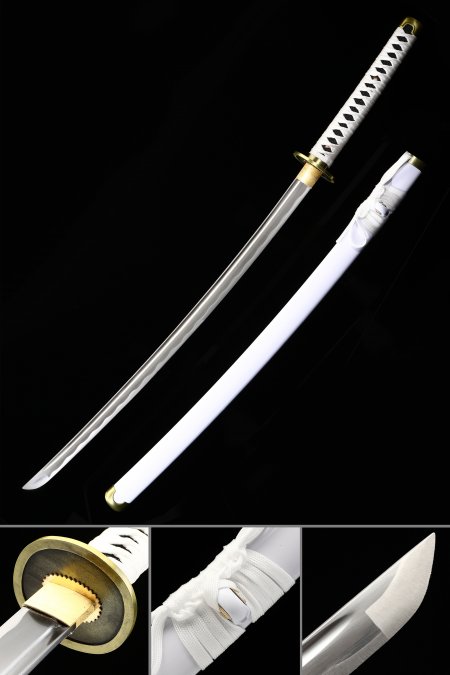
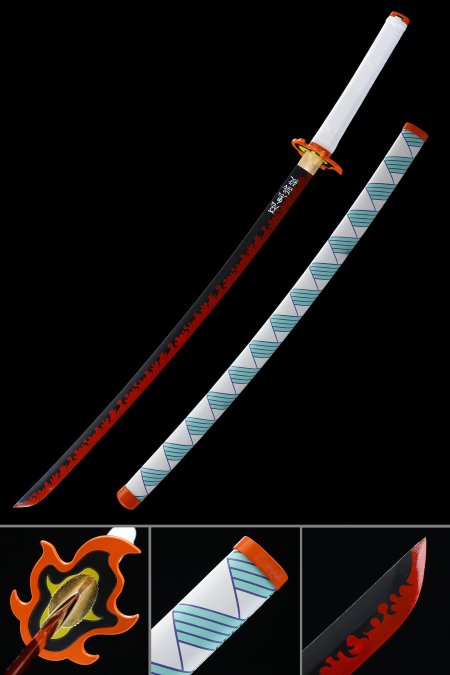
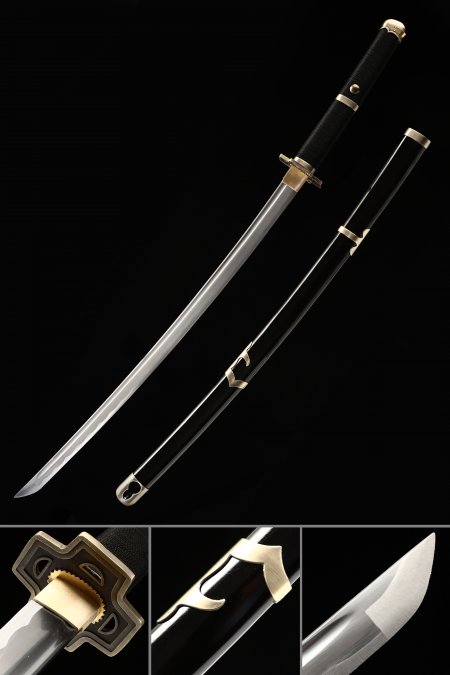
What makes an olive katana different from other colored saya swords?
Updated Feb 2026
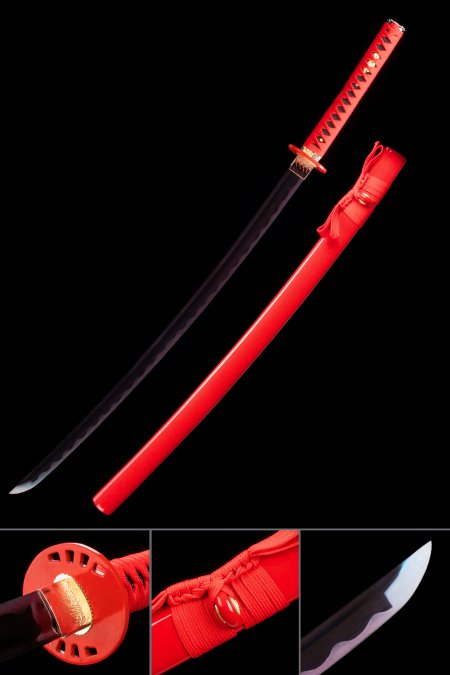
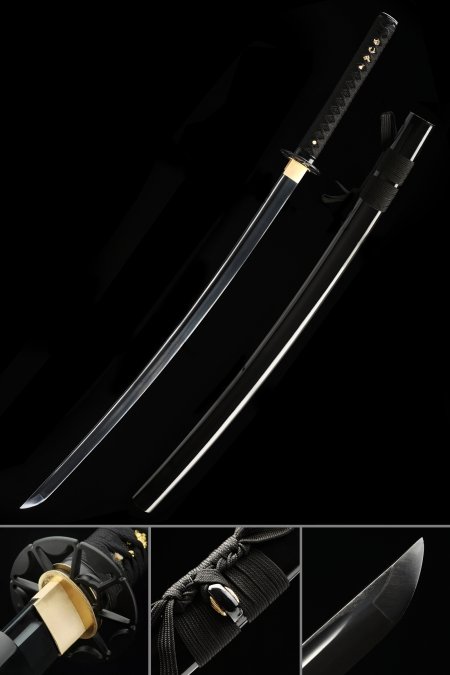
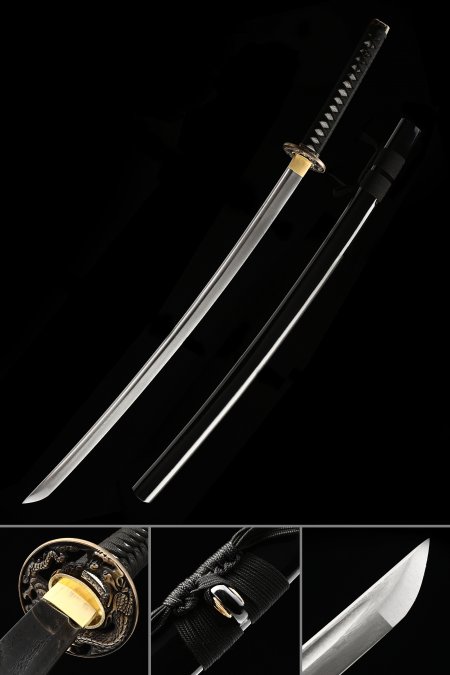
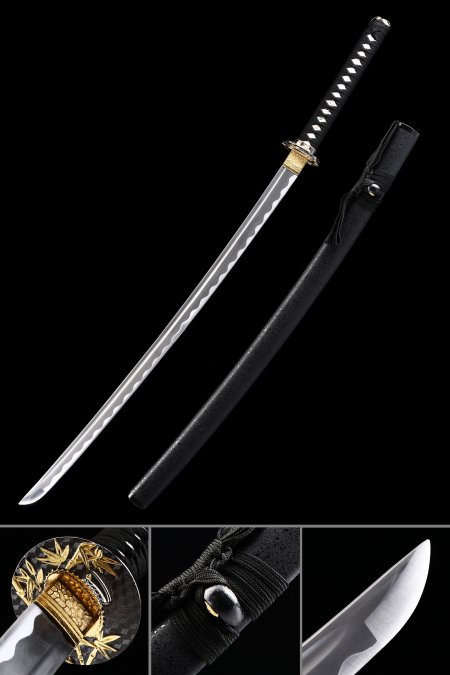
An olive katana is defined by its earth-green scabbard tone, which can be achieved through several finishing methods. Traditional urushi lacquer mixed with specific mineral pigments produces a deep olive that darkens gracefully over time, while modern polyurethane or cashew-based lacquers offer a more uniform matte or crackle-textured surface. Historically, olive and muted green-brown tones were common on military-issue gunto swords, where the color served a practical camouflage function. In a collectible context today, the olive palette sets these pieces apart from the more prevalent black, red, and blue saya options, giving them a subdued, vintage character that pairs especially well with bronze or copper-toned tsuba and fittings. The color also tends to highlight engraved or carved saya details — such as cherry blossom motifs — more clearly than darker lacquer choices.