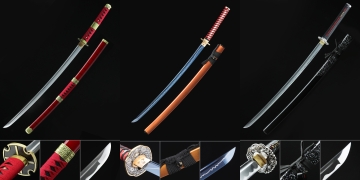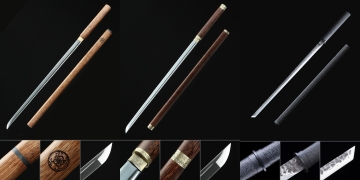
Olive Katana

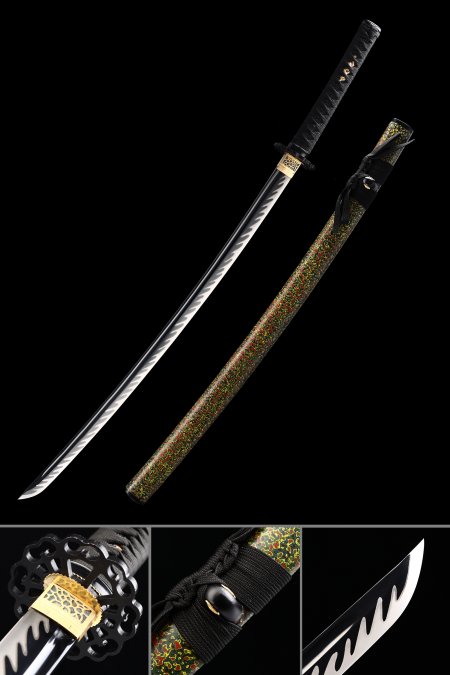
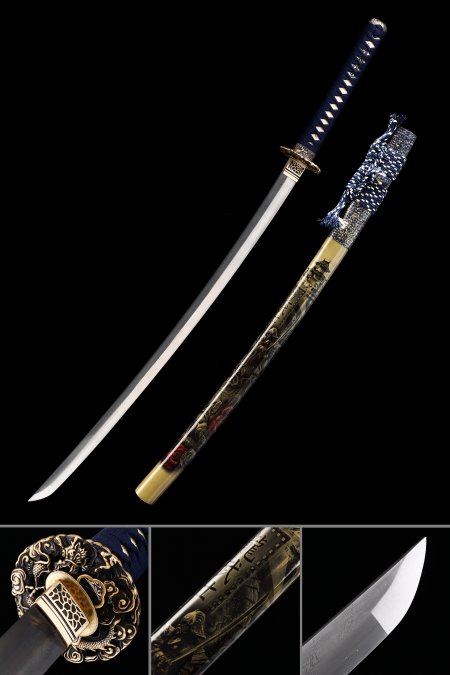
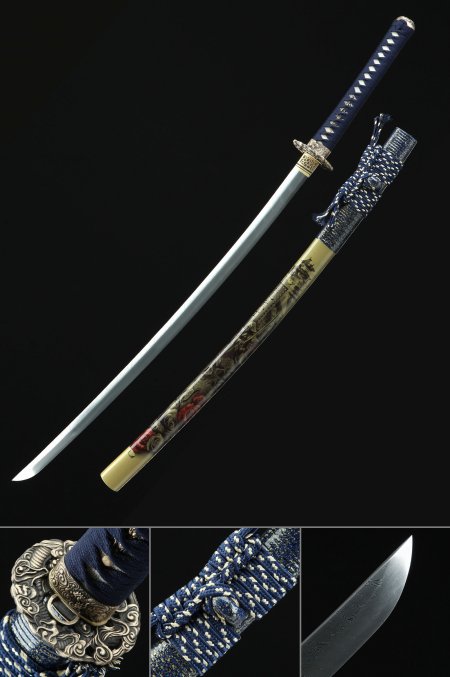
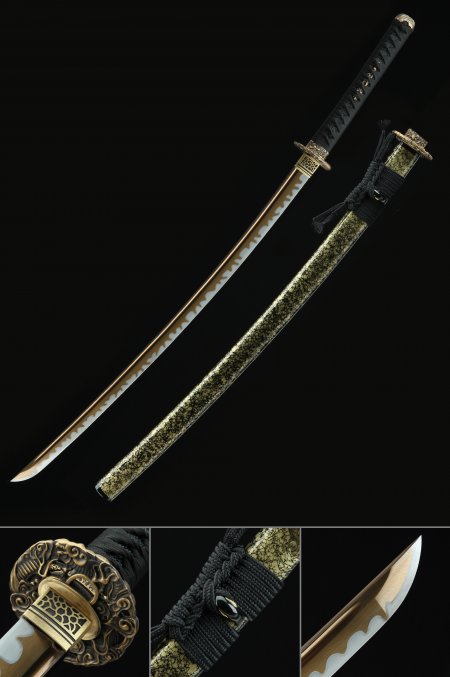
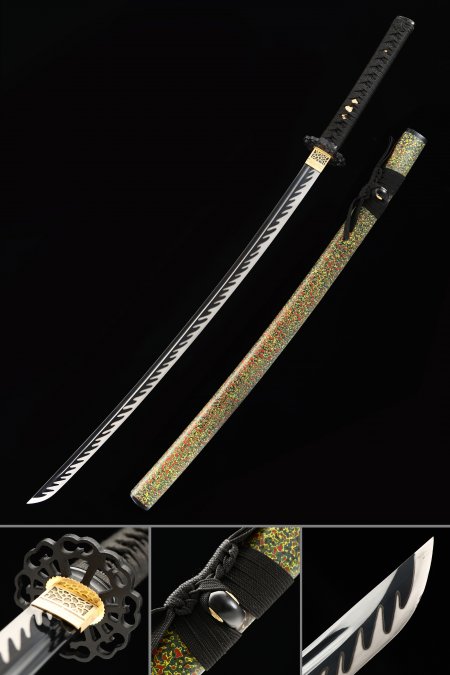
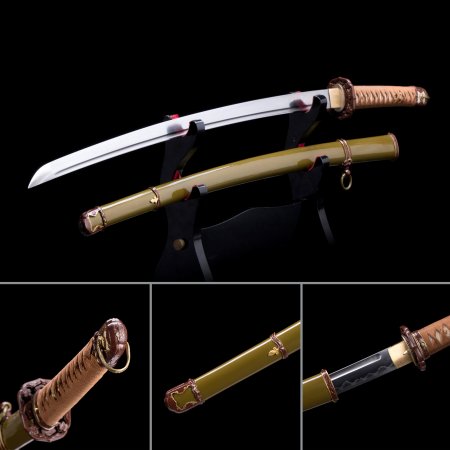
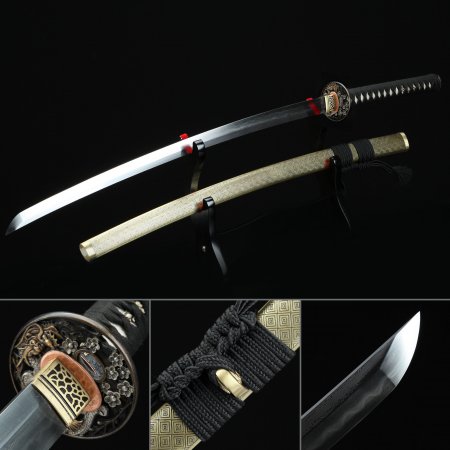
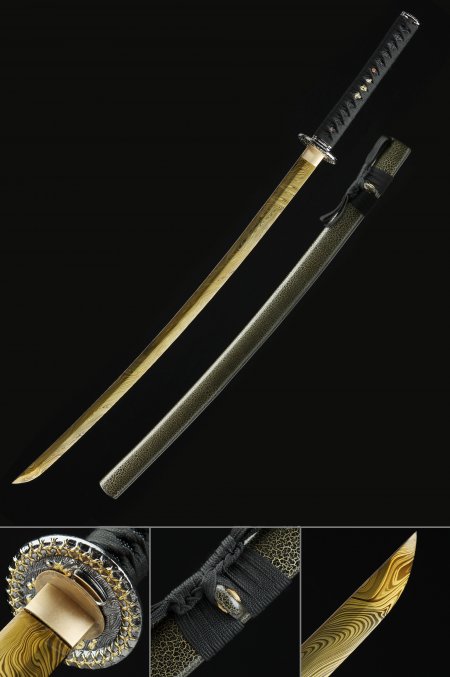
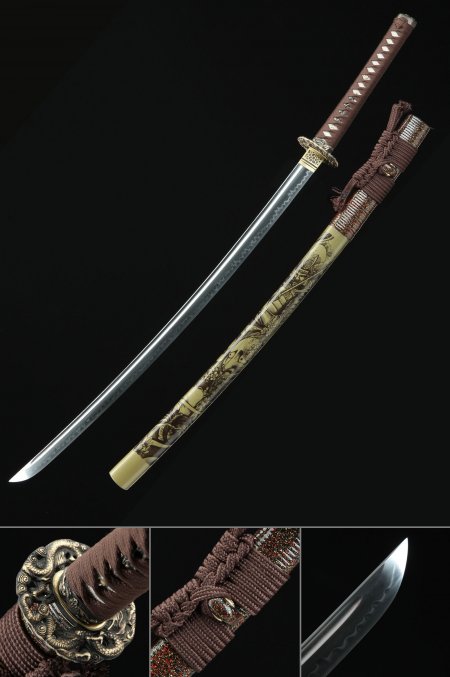
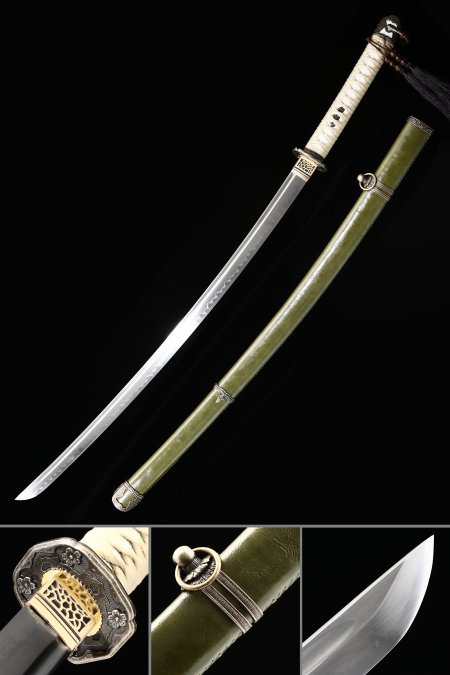
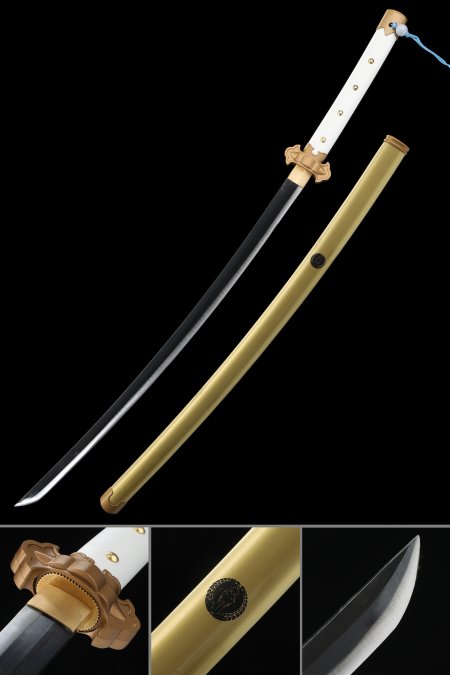
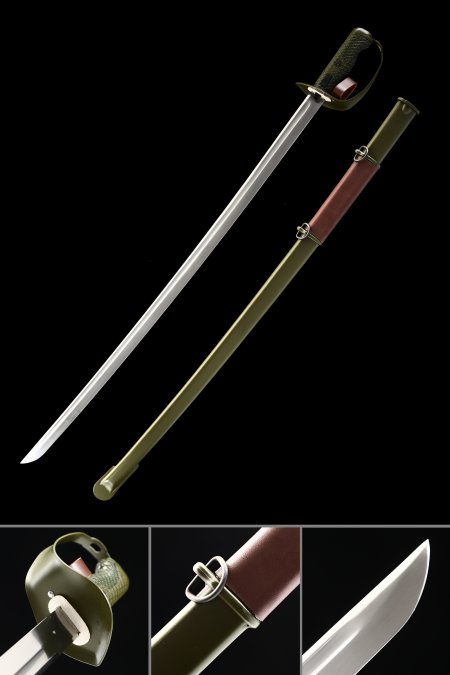
Explore our Olive Katana collection — a curated selection of Japanese swords distinguished by olive-toned saya, fittings, and accents. From military replica gunto with olive iron scabbards to hand-forged katana dressed in olive lacquer, each piece pairs earthy elegance with authentic craftsmanship. Every order ships with free shipping and a hassle-free return policy.
Showing 15 Products

Related Collections

1095 Katana100 items


196 Reviews

Best Ninja Swords108 items


366 Reviews

Red Handle Katana49 items


594 Reviews

Shirasaya Ninjato33 items


185 Reviews

Frequently Asked Questions

What makes an olive katana different from other colored saya swords?
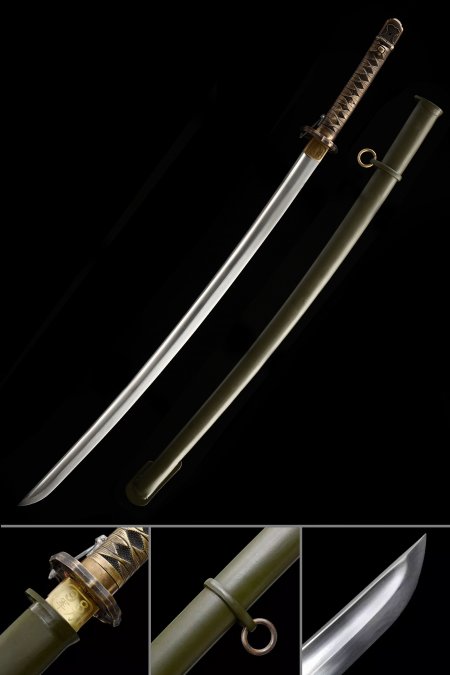
An olive katana is defined by its earth-green scabbard tone, which can be achieved through several finishing methods. Traditional urushi lacquer mixed with specific mineral pigments produces a deep olive that darkens gracefully over time, while modern polyurethane or cashew-based lacquers offer a more uniform matte or crackle-textured surface. Historically, olive and muted green-brown tones were common on military-issue gunto swords, where the color served a practical camouflage function. In a collectible context today, the olive palette sets these pieces apart from the more prevalent black, red, and blue saya options, giving them a subdued, vintage character that pairs especially well with bronze or copper-toned tsuba and fittings. The color also tends to highlight engraved or carved saya details — such as cherry blossom motifs — more clearly than darker lacquer choices.
Which steel types are used in olive katana collectibles?
This collection includes several distinct steel categories. T10 carbon steel is a tungsten-alloyed tool steel prized for its hardness and ability to hold a visible hamon line when clay tempered — the natural wavy pattern along the edge created by differential hardening. Damascus steel billets, folded from multiple layers of high-carbon and softer steel, display a flowing grain pattern after etching and are valued for their visual complexity. 1095 carbon steel appears in historically faithful Shin-Gunto replicas, offering a straightforward high-carbon composition that responds well to traditional heat treatment. Finally, stainless steel is used in certain military replica pieces where corrosion resistance and low maintenance are priorities. Each steel type serves a different collector need, from display-focused replicas to hand-forged art pieces meant to showcase forging technique.
How should I maintain an olive lacquer saya to prevent damage?
Olive lacquer saya benefit from a few consistent habits. Store the sword horizontally on a display stand in a room with stable humidity between 40 and 60 percent; extreme dryness can crack lacquer, while high moisture promotes oxidation on the blade and tarnish on metal fittings. Wipe the saya periodically with a soft microfiber cloth to remove dust and fingerprint oils — acidic skin oils left on lacquer for extended periods can dull the finish. If the scabbard is genuine urushi, avoid prolonged direct sunlight, which causes UV fading over months. For the blade itself, apply a thin film of choji oil or refined mineral oil every few weeks, spreading it with a flannel cloth, then sheathe the sword to keep the oil layer undisturbed. Copper and bronze tsuba can be maintained with a gentle wipe of Renaissance wax to slow patina development if you prefer a brighter finish.
Are olive katana suitable as gifts for Japanese history enthusiasts?
Olive katana make particularly thoughtful gifts because they bridge two compelling areas of interest. For someone fascinated by the feudal samurai era, a clay-tempered T10 katana with an olive lacquer saya and dragon tsuba delivers traditional forging artistry in an uncommon color presentation. For a collector interested in twentieth-century military history, a Kyu Gunto or Shin-Gunto replica with olive iron saya and copper fittings offers a faithful reproduction of wartime sidearms without the scarcity and cost of authenticated antiques. The olive tone itself is neutral enough to complement most interior decor, making display straightforward. When gifting, consider pairing the sword with a wooden stand and a small maintenance kit — choji oil, a microfiber cloth, and a brass awl for disassembly — so the recipient can care for the piece from day one.
What fittings pair best with an olive-themed katana?
Olive saya harmonize most naturally with warm metal tones. Copper and antique bronze tsuba — especially those with dragon or floral openwork — create a rich, vintage contrast against the green-brown scabbard. Gold-finished habaki and seppa reinforce that warmth, while blackened iron fittings deliver a more austere, field-grade look reminiscent of military gunto. For tsuka wrapping, brown or dark tan leather and cotton ito tend to unify the earthy palette, though black ito provides a clean, high-contrast alternative. Menuki in brass or shakudo-style finishes add subtle detail beneath the wrap without competing with the saya color. The key principle is tonal cohesion: olive sits in the warm-neutral family, so fittings that echo amber, copper, or aged gold will feel intentional rather than mismatched.

Customer Reviews

David Venditti Illinois, United States

Did not send me the right sword, or more likely sent me a sword which quality you can tell is not the same piece in picture. The sword is way sub par especially after I spent over a thousand dollars for this sword the blade clay tempering is a joke. I got ripped off make sure ur not next
WWII Shin Gunto Type 98 Katana in Damascus Steel - Olive Saya, Clay Tempered, Full Tang WWII Shin Gunto Type 98 Katana in Damascus Steel - Olive Saya, Clay Tempered, Full Tang