FAST SHIP
Free Shipping
149.00 USD
ON SALE! 15% OFF
Was: 179.00 USD

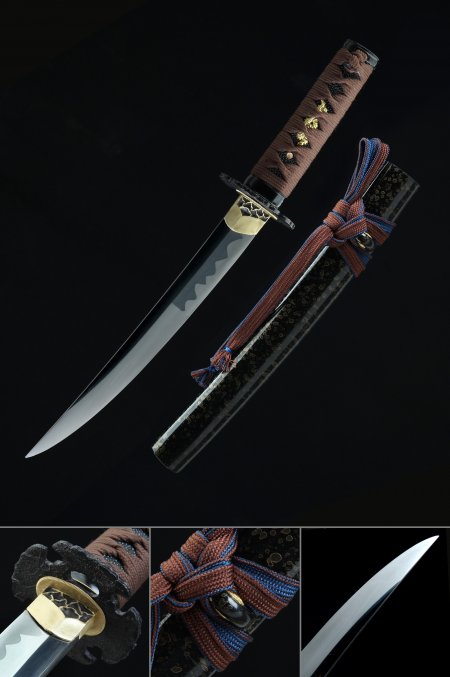
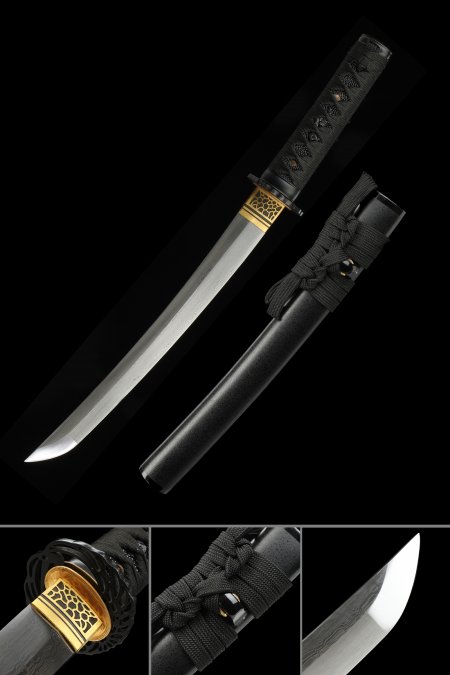
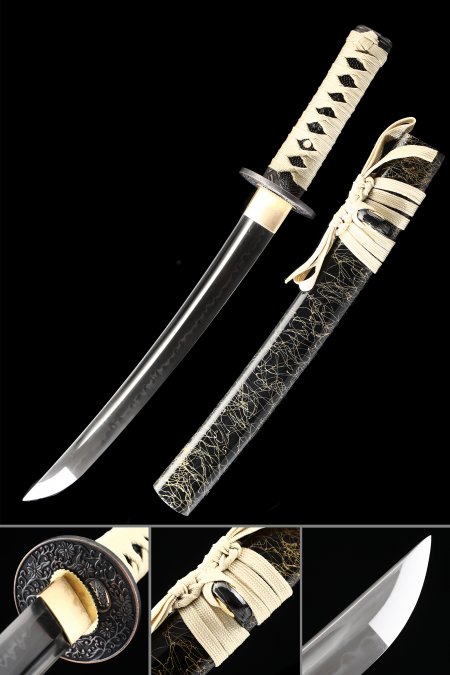
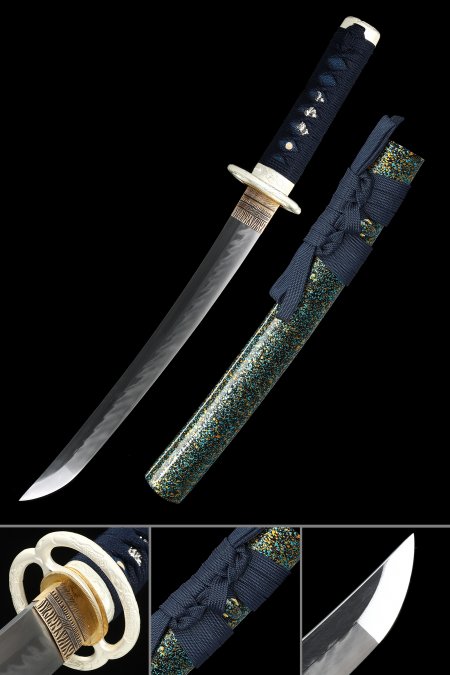
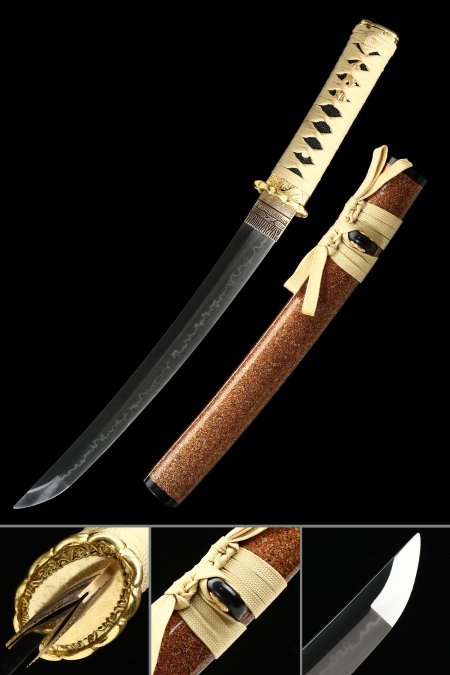
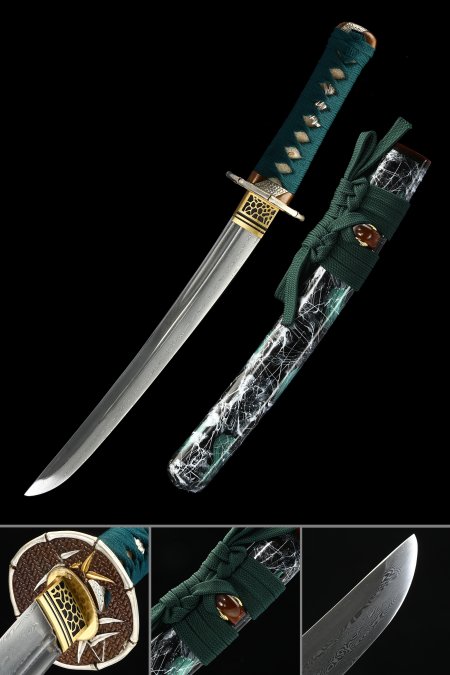
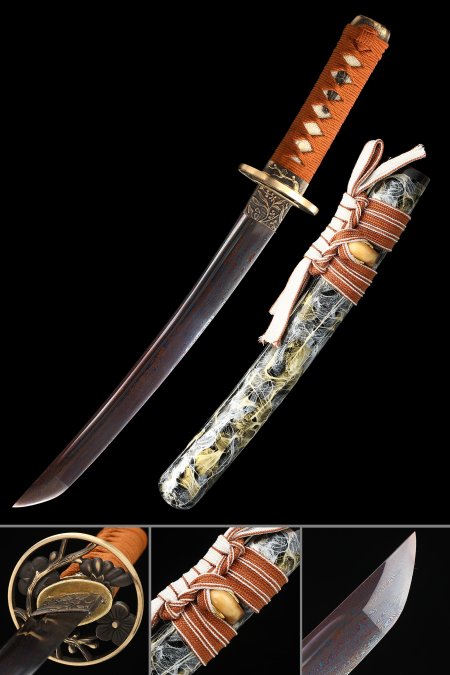
Explore our hand-forged tanto blades, crafted from premium steels like T10, 1095, and Damascus in traditional Japanese mounting styles including aikuchi, hamidashi, and shirasaya. Each piece features full-tang construction, authentic fittings, and a genuine hamon temper line created through differential clay tempering. Free U.S. shipping and hassle-free returns on every order.
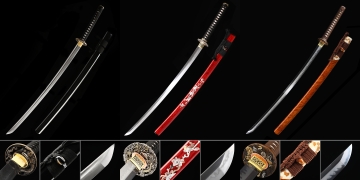
Only regret is that this item was made in China, not Japan, since it represents a Japanese sword, but well made and impressive.
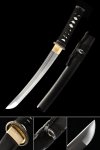 |
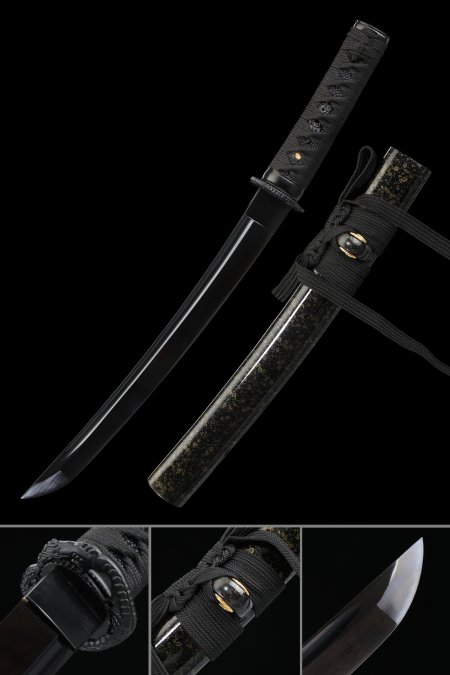
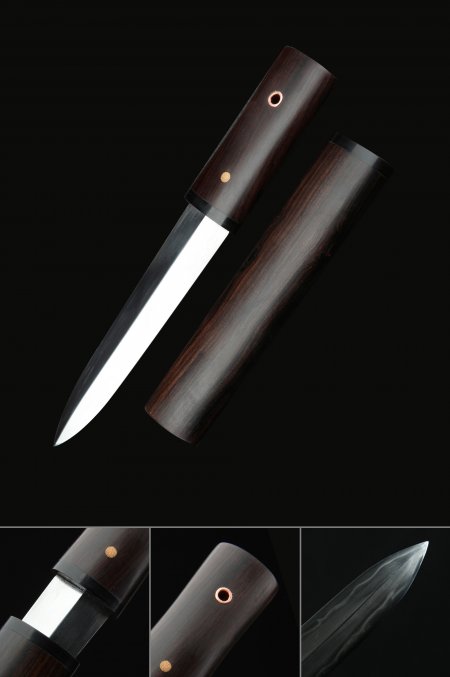
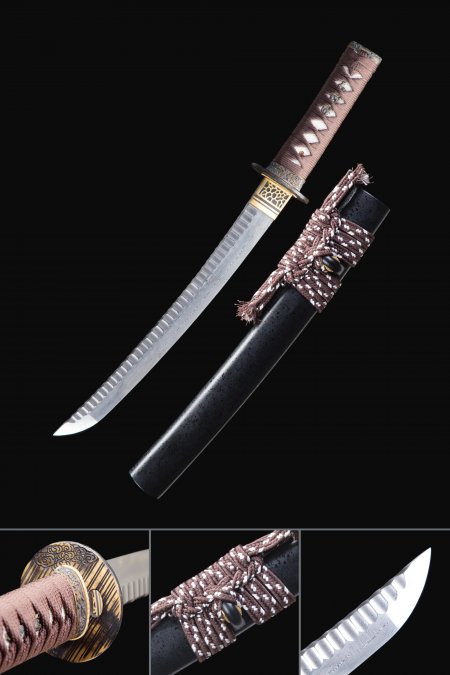
1045 Carbon Steel Tanto Sword with Black Matte Hardwood Saya and Bronze Alloy Oval Tsuba - Full Tang |
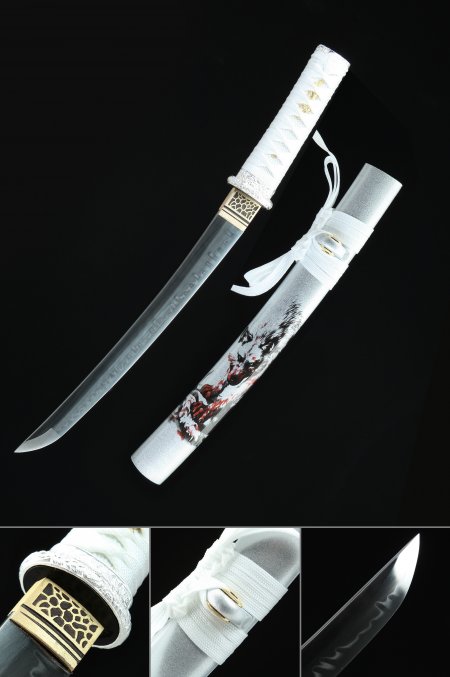
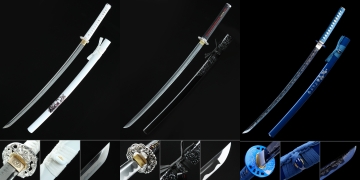
Was able to find a white scabbard wolf themed Tanto sword. Very pleased with my purchase.
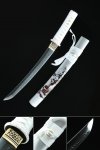 |
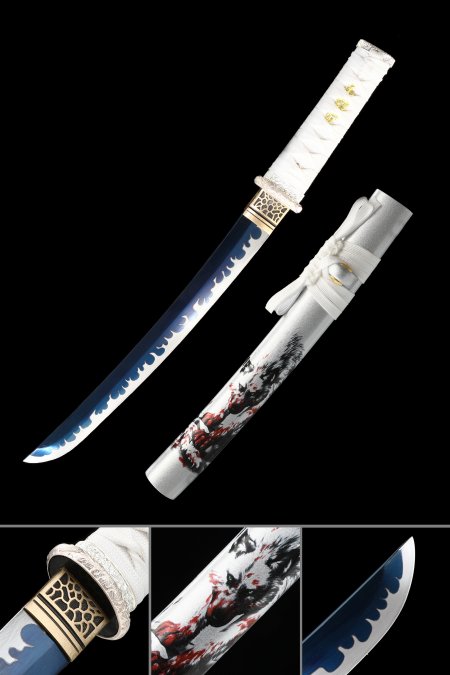
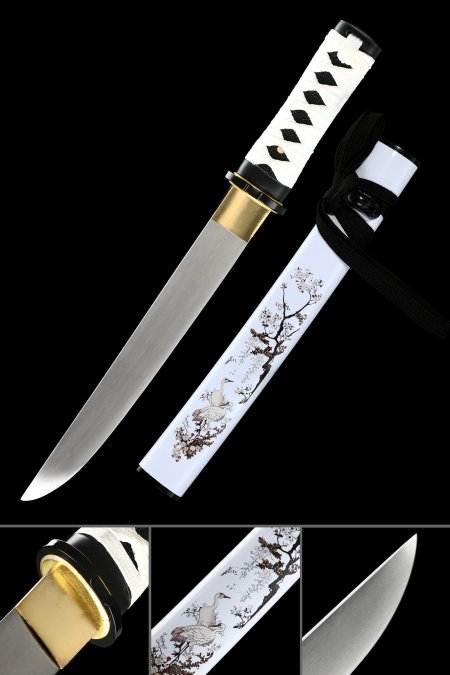
T10 Carbon Steel Tanto Sword with Real Hamon in White Saya - Hand-Painted Wolf Scabbard Collectible |
What a beautiful blade.r
I am not an expert sword collector, but the blade is beautiful, sharp and makes me smile every time I handle it.
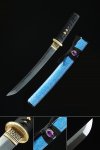 |
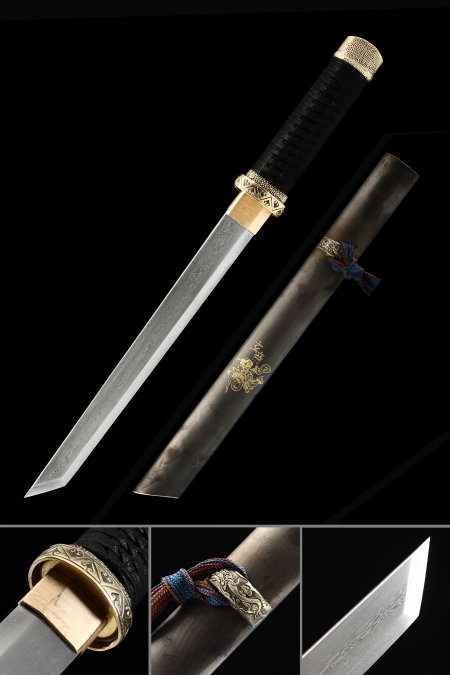
Damascus Steel Tanto with Blue Saya - Gold Alloy Tsuba, Black Cord Handle, Purple Gem Accent |
My boyfriend loved the short katana the weight was pleasing unexpected and now wants to order a long.
|
1045 Carbon Steel Tanto Sword with Black Matte Hardwood Saya and Bronze Alloy Oval Tsuba - Full Tang |
It is amazing and thats coming from a blacksmith it is a great blade i do plan on buying 2 more in the future i am very pleased
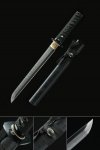 |
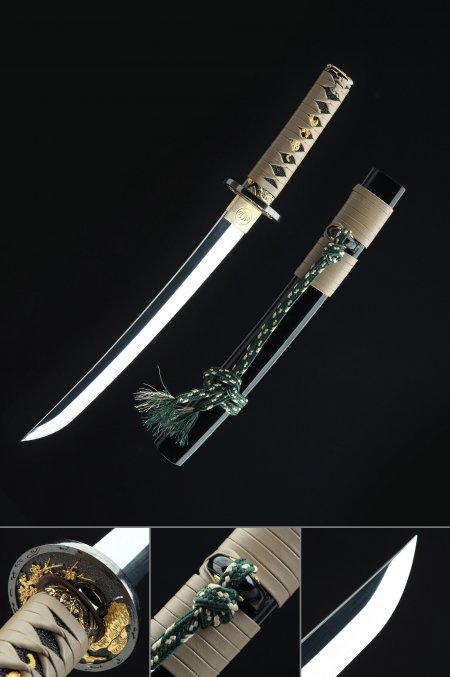
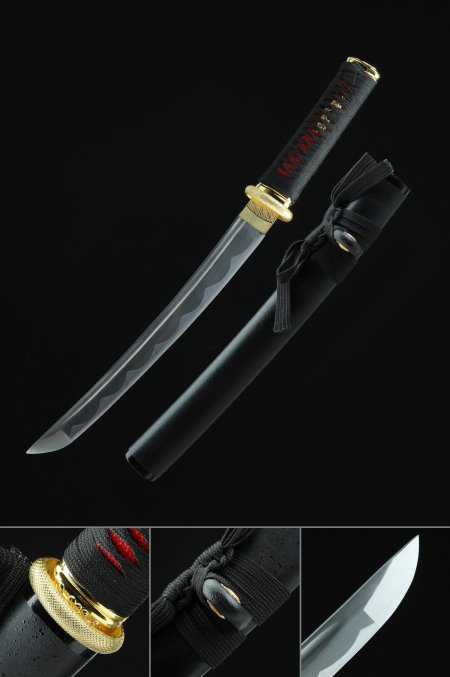
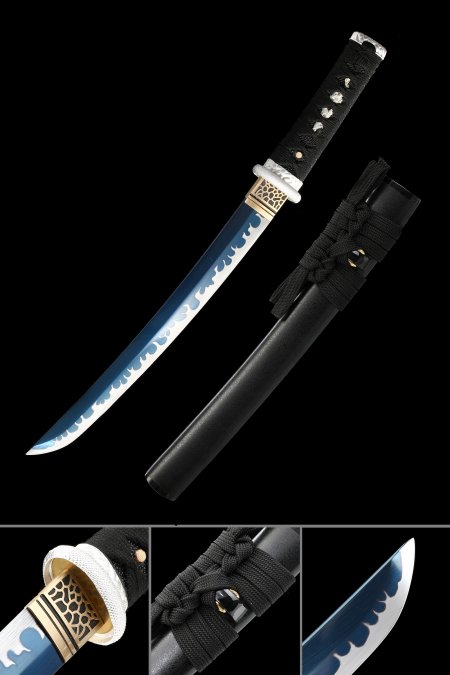
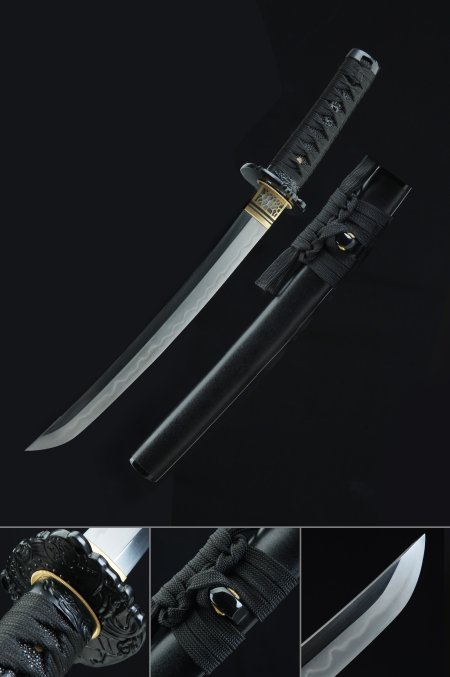
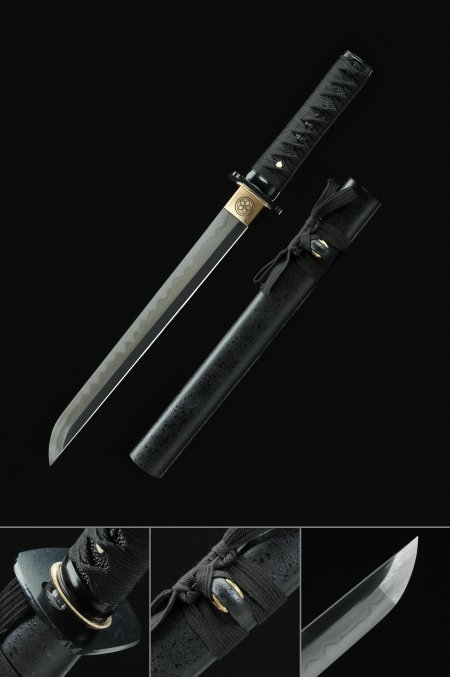
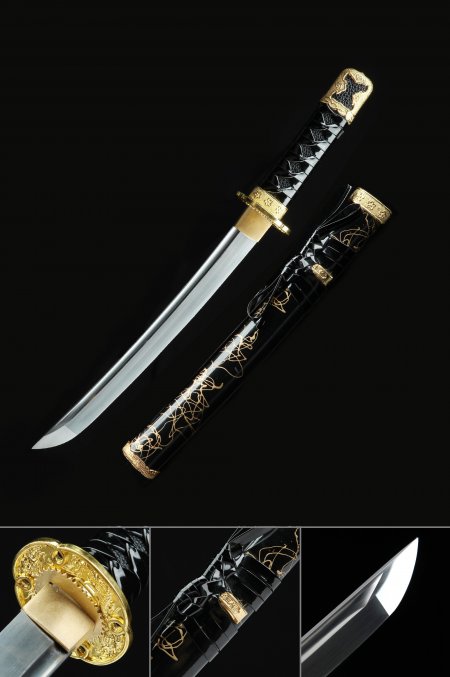
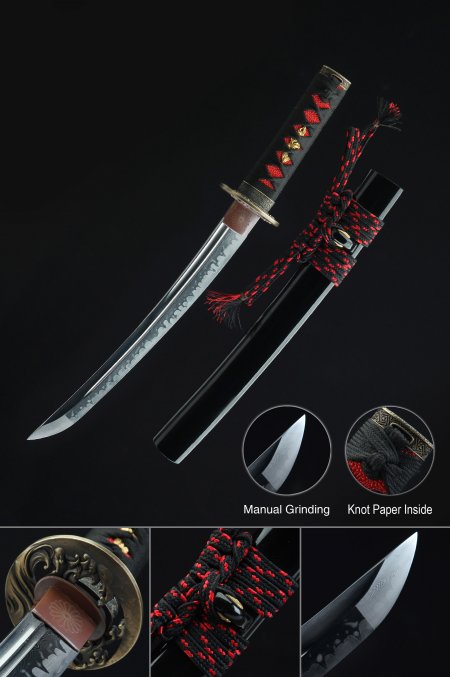
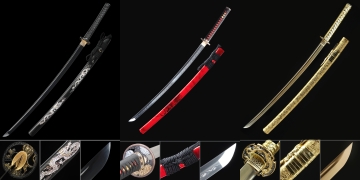
T10 Carbon Steel Hamidashi Tanto with Real Hamon in Black Piano Lacquer Saya - Gold Habaki Accent |
I am pleasantly surprised by your friendliness and service. I will definitely buy another blade in the future.
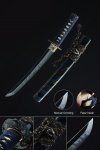 |
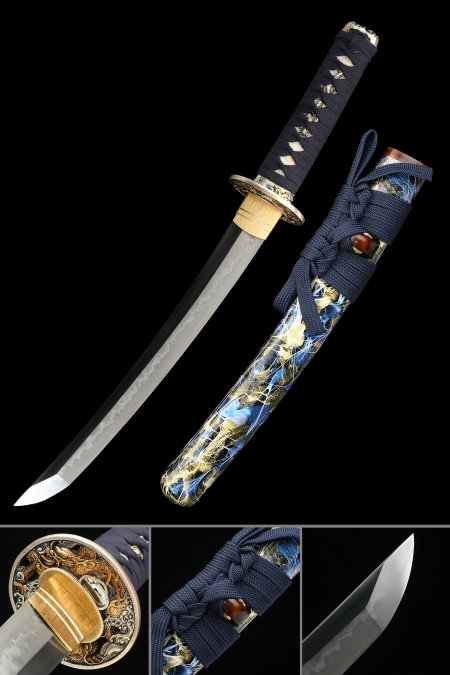
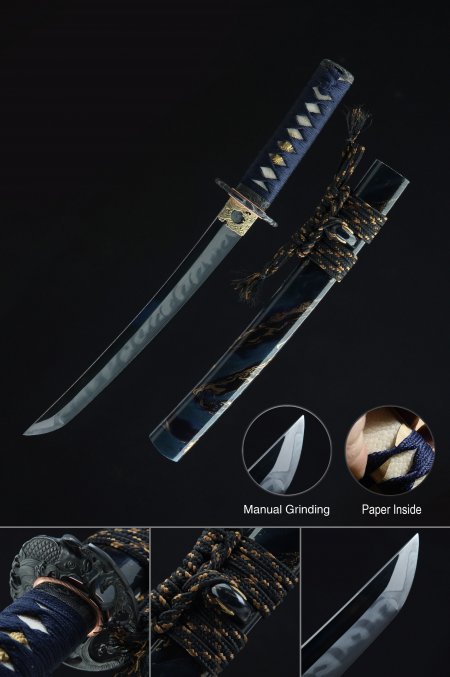
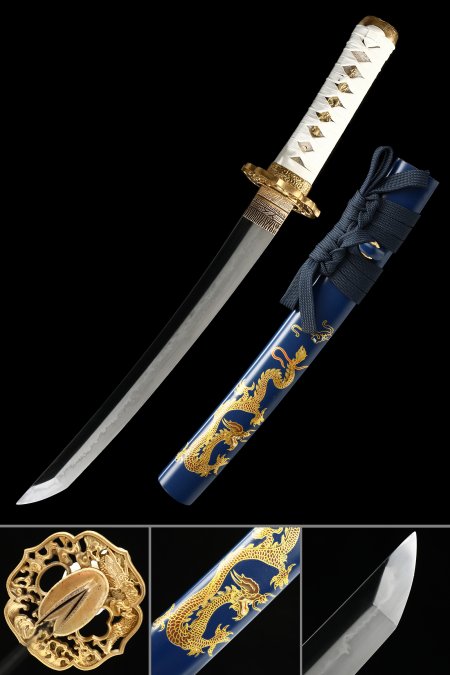
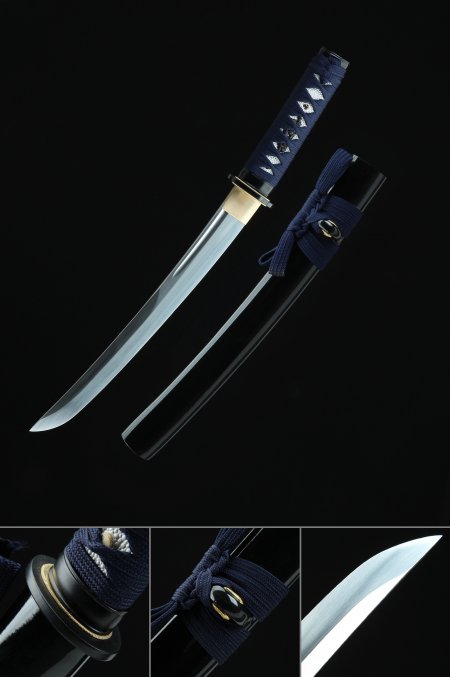
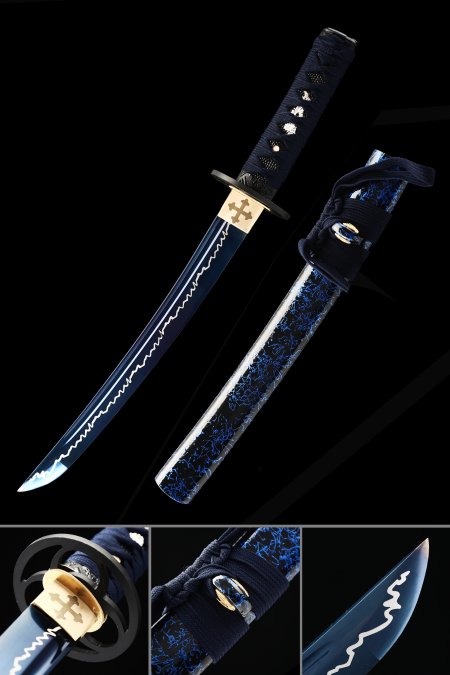
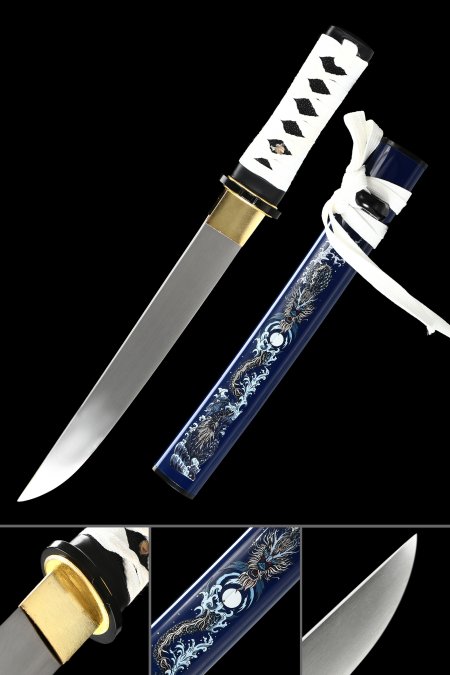
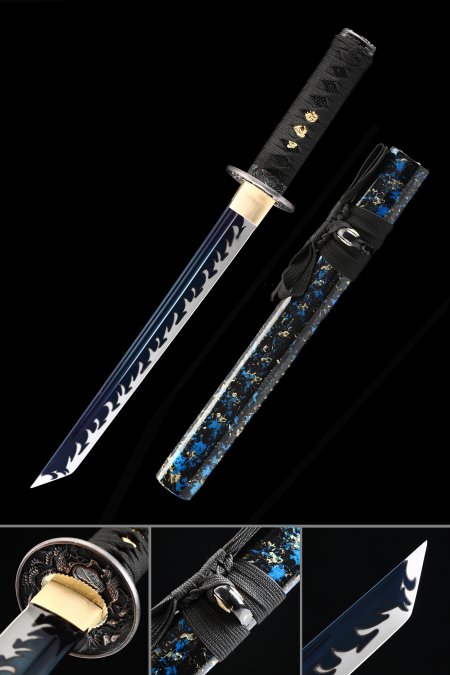
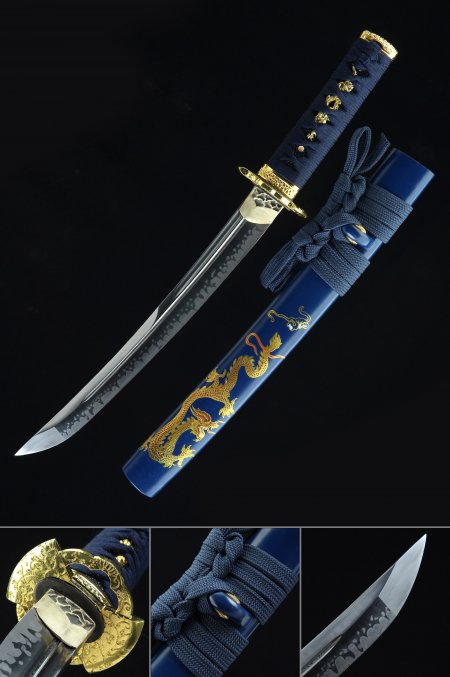
Clay Tempered T10 Steel Tanto with Real Hamon in Dark Blue Dragon Saya - Gold Alloy Wave Tsuba |
The Tanto is BEEFY. Like a Crow Bar with a sharp edge. Nicely made T10, clay tempered, glossy black sheath. VERY nice.r
r
The Damascus was BEAUTIFUL with an AMAZING Folded Pattern on the blade. SHARP and ready. I like it so much I bought another as a gift for a friend.r
r
VERY happy!!!!!!!
|
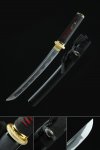
T10 Carbon Steel Hamidashi Tanto with Real Hamon in Black Piano Lacquer Saya - Gold Habaki Accent |
I love it, the knot on the handle came off but is was no big deal easy fix, haven't used it a lot but is still sharp!!
 |
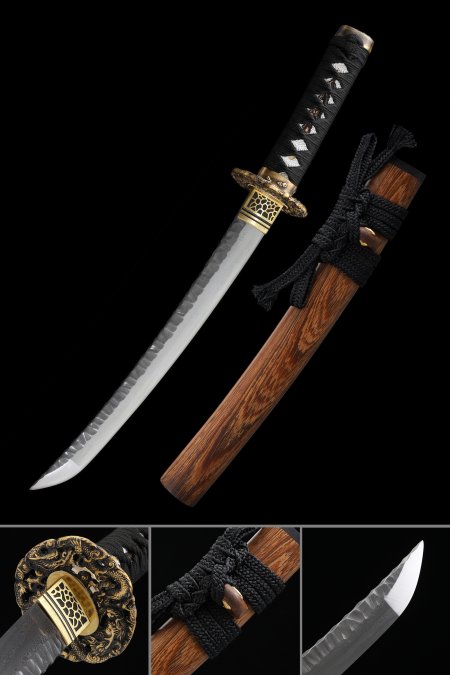
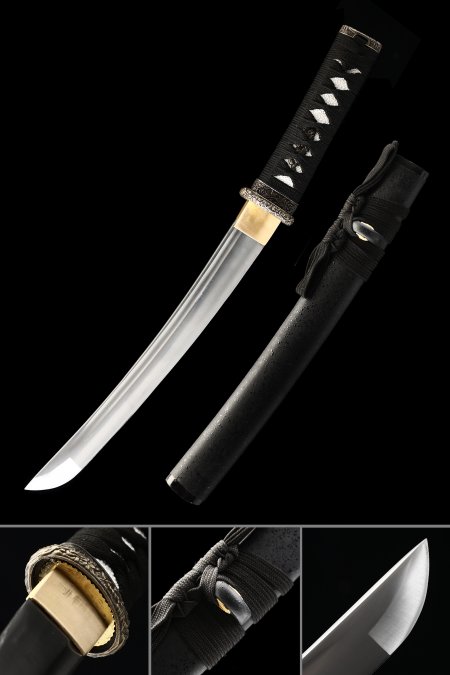
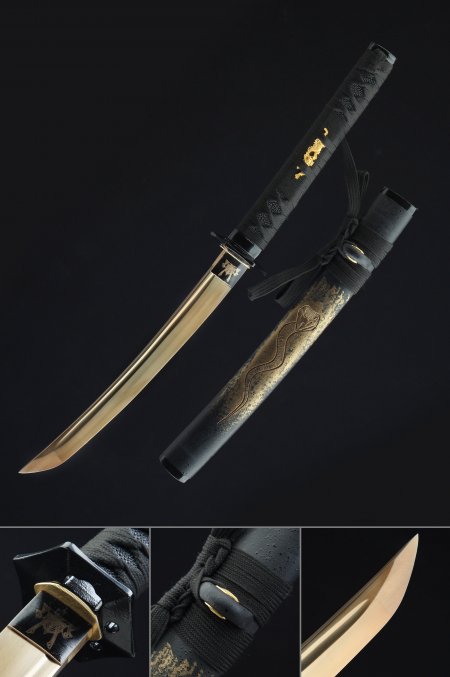
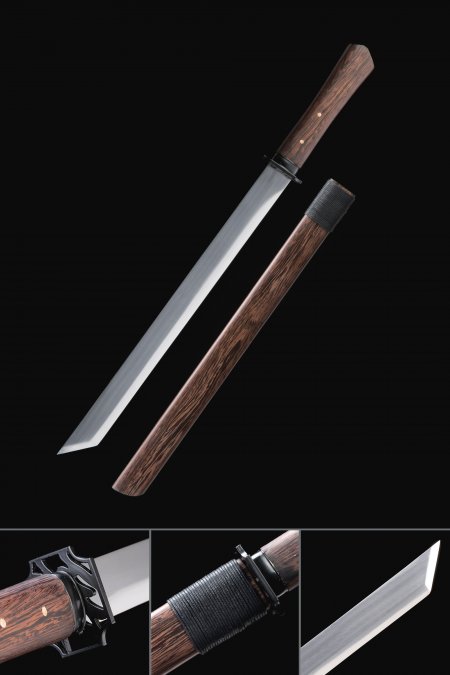
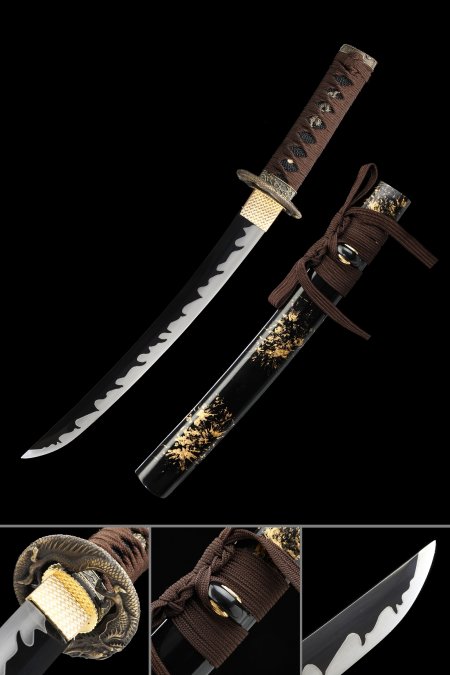
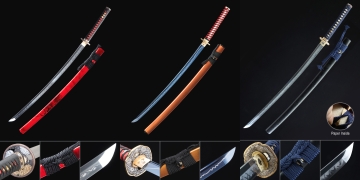
1045 Carbon Steel Tanto Sword with Black Matte Hardwood Saya and Gold Alloy Tsuba - Full Tang Japanese Short Sword |