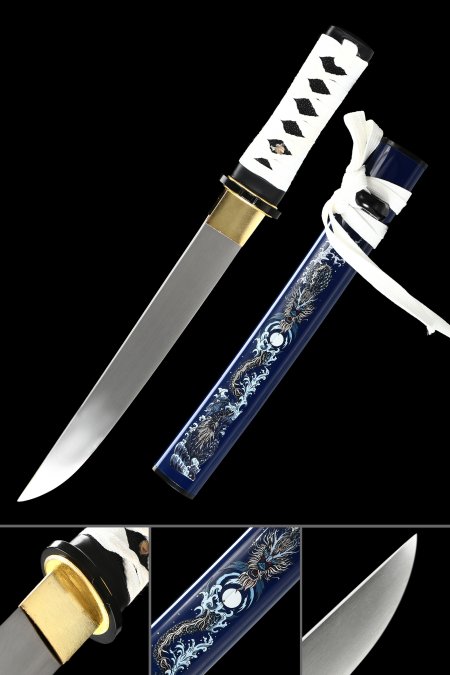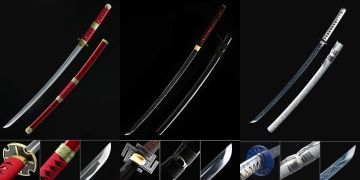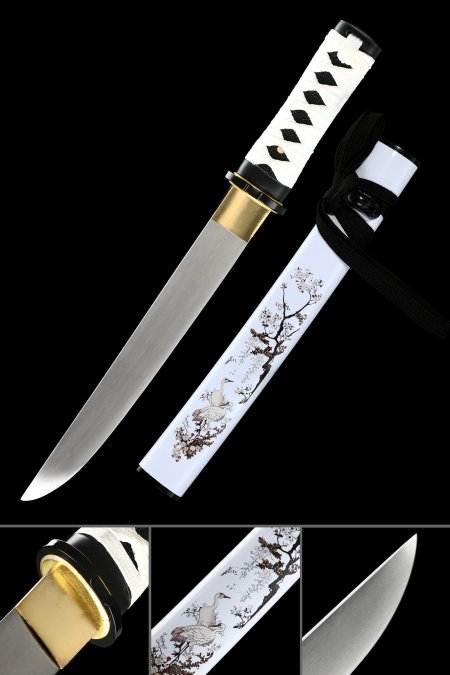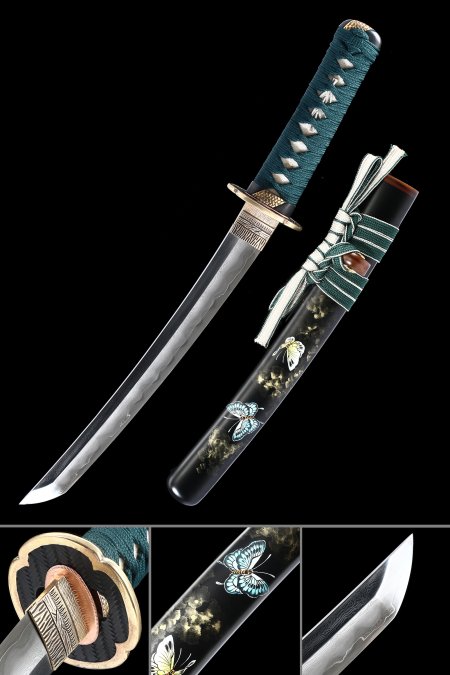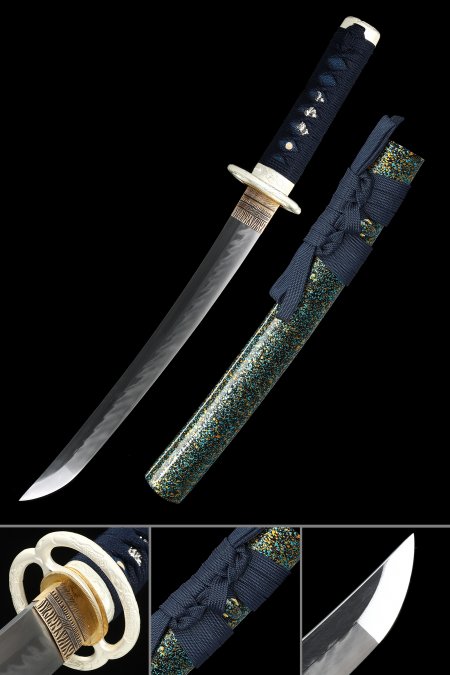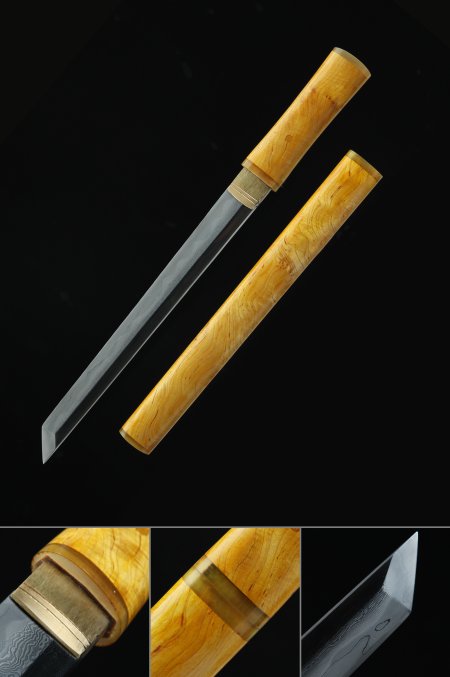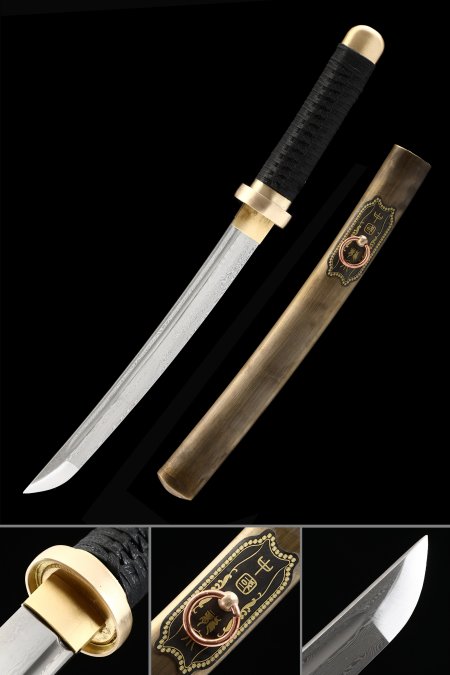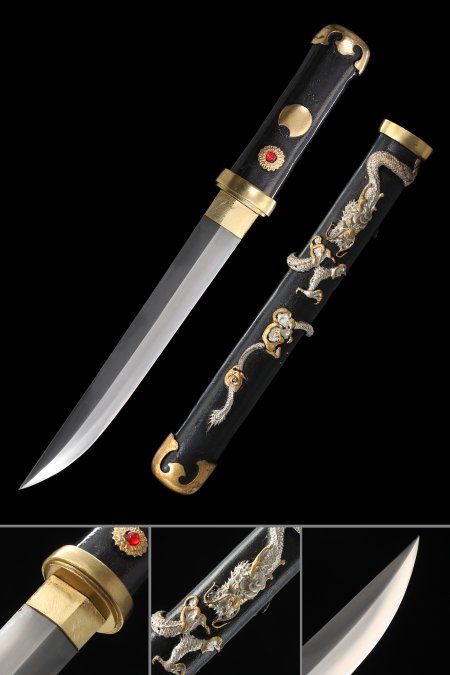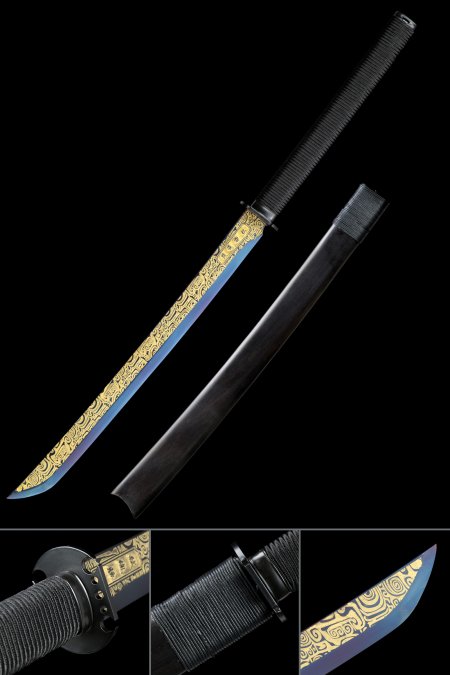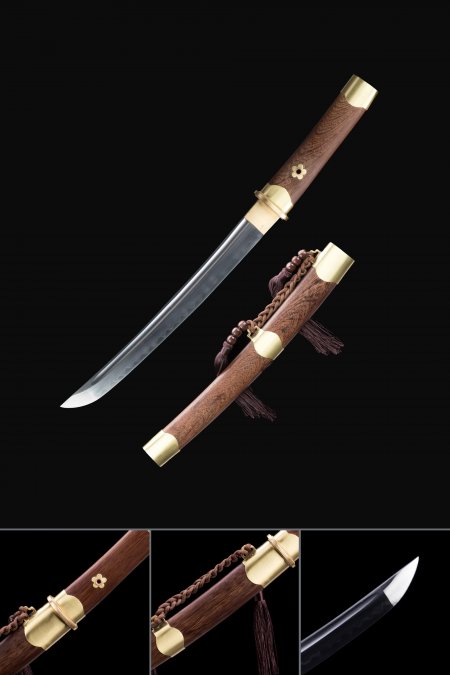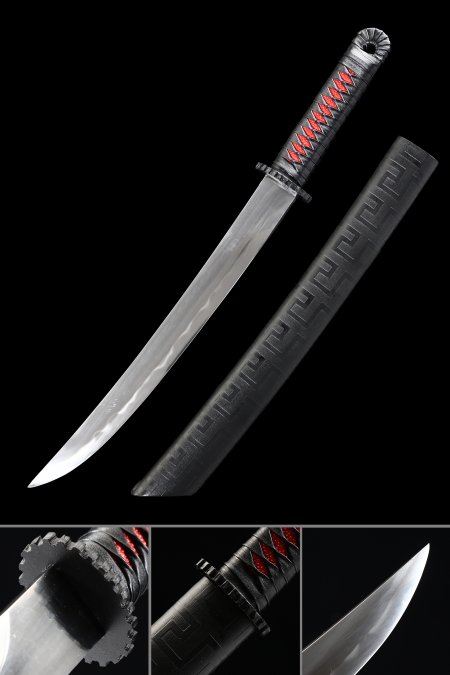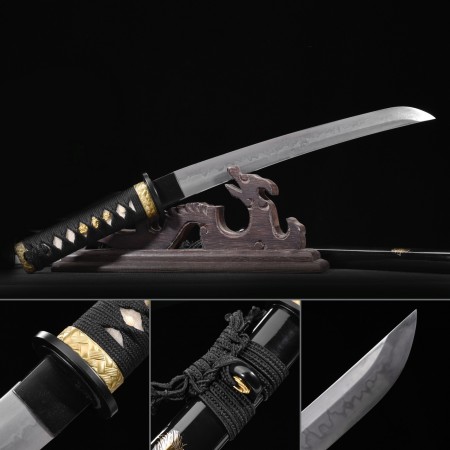
Plain Tsuba Tanto

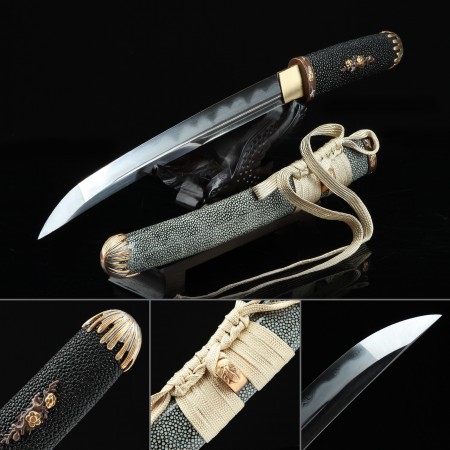
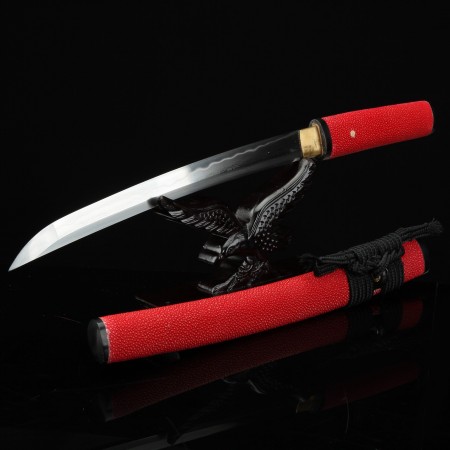
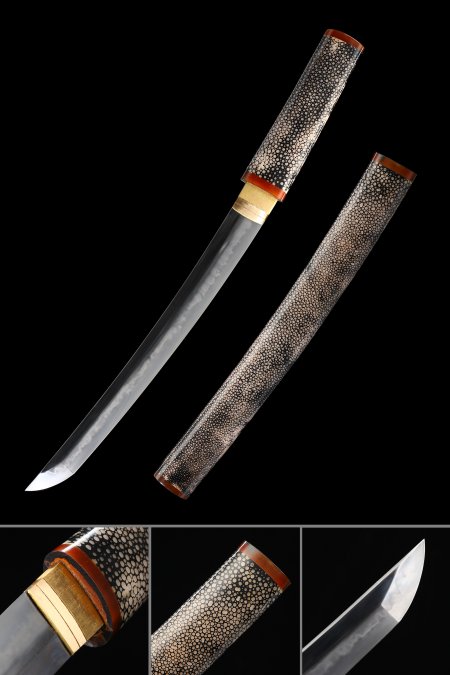
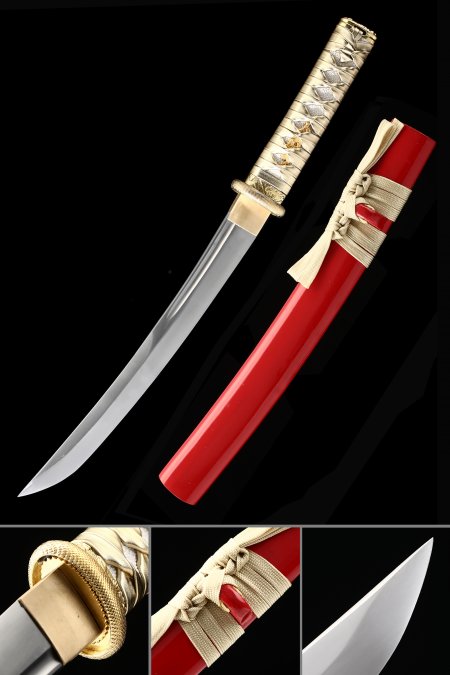
Plain tsuba tanto bring together the understated elegance of minimalist Japanese sword design and the meticulous craftsmanship that defines authentic tanto tradition. Each piece in this collection features a clean, unadorned guard that lets the blade geometry, ito wrapping, and saya finish speak for themselves - a philosophy rooted in the wabi aesthetic prized by serious collectors. Free standard shipping is included on every order, and hassle-free returns ensure your collecting experience is as refined as the pieces themselves.
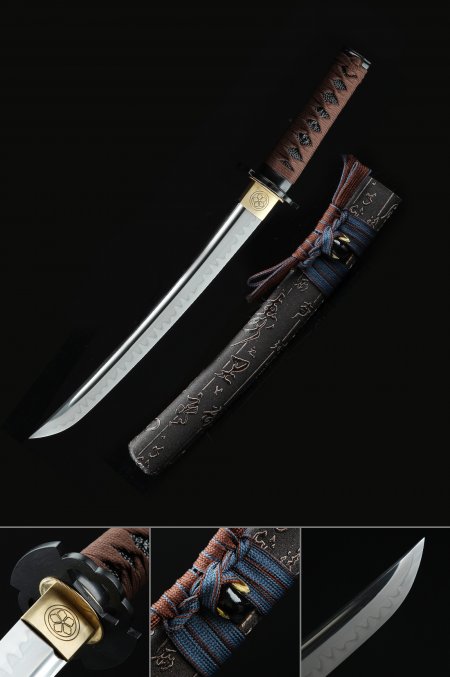
Showing 16 Products

Related Collections

Straight Blade Katana22 items


11 Reviews

Dragon Blade Katana108 items


371 Reviews

Bronze Tsuba Katana137 items


657 Reviews

Geometric Tsuba Katana103 items


951 Reviews

Frequently Asked Questions

What does "plain tsuba" actually mean on a tanto?
The tsuba is the guard positioned between the handle and the blade on a Japanese sword. A "plain tsuba" refers to a guard with minimal or no surface engraving, cutout patterns, or decorative inlay - a flat, clean disc or shape whose form is its only statement. On tanto, this design choice creates a visually unified silhouette where the eye travels continuously from pommel to tip without interruption. In classical Japanese sword tradition, unadorned fittings were often associated with pieces made for serious martial and ceremonial use, where function and material quality were prioritized over decorative complexity. For today's collectors, a plain tsuba tanto is an excellent way to appreciate blade geometry, hamon activity, and handle construction without the visual competition of elaborate fittings.
How is T10 steel different from Damascus on a tanto blade?
T10 is a high-carbon tool steel with a controlled tungsten content that improves wear resistance and allows for exceptionally refined edge geometry after polishing. When clay-tempered, T10 produces a genuine hamon - the visible temper line created by differential cooling - that experienced collectors read like a fingerprint, noting its activity, nie (crystalline particles), and boundary shape. Damascus, or pattern-welded steel, is produced by forge-welding layers of different steel alloys together and manipulating them to create flowing surface patterns. The visual result is entirely different: Damascus offers a textured, almost topographic surface appearance that is unique to each billet, while a well-finished T10 blade has a cleaner, mirror-like or satin polish that highlights the hamon. Neither is superior in absolute terms - they represent two distinct craft traditions and two different collecting aesthetics.
What is samegawa and why does it appear on tanto fittings?
Samegawa is the Japanese term for rayskin - specifically the skin of the giant ray - used as a handle or saya covering material on traditional Japanese swords. Its naturally pebbly, nodular surface provides an outstanding mechanical grip under ito wrapping, because the raised nodes lock the silk or cotton cord in position and prevent slippage over time. On a tanto handle, samegawa is typically wrapped beneath the ito, where its texture is partially visible in the diamond-shaped windows created by the wrap pattern. When used on a saya, samegawa appears as an outer covering that is both visually striking and more durable than plain lacquered wood in handling situations. Authentic rayskin has a distinctive white-gray color before treatment and a satisfying tactile quality that distinguishes it immediately from synthetic alternatives.
How should I store a tanto with a lacquered saya long-term?
Lacquered saya are beautiful but moderately sensitive to environmental conditions. For long-term display storage, keep relative humidity between 45% and 60% - too dry and the wooden core of the saya may develop micro-cracks under the lacquer; too humid and the wood swells, potentially binding the blade inside. Store the tanto horizontally on a dedicated sword stand rather than vertically, which distributes weight evenly and prevents the habaki from stressing the saya's mouth over time. Keep pieces out of direct sunlight, which yellows and eventually crazes lacquer finishes regardless of color. Apply a light wipe of choji or mineral oil to the blade every few months and always ensure the blade is clean and dry before sheathing to prevent moisture from being trapped against the steel inside the saya.
Are plain tsuba tanto a good choice as a collector's display gift?
Plain tsuba tanto are among the most versatile gifting options in Japanese sword collecting precisely because their clean aesthetic reads as sophisticated rather than themed. Ornate pieces can feel niche - a recipient might not connect with a highly specific decorative motif - but a well-made tanto with a plain tsuba, quality steel, and a carefully finished saya communicates craftsmanship universally. They display exceptionally well on a single-tier sword stand and fit naturally into both modern minimalist interiors and traditionally styled display spaces. For someone new to collecting, a plain tsuba tanto is also an excellent entry point because it presents the fundamental elements of Japanese short-sword construction - blade, habaki, tsuba, ito, saya - without visual clutter, making it genuinely educational as well as beautiful.

Customer Reviews