Dragon Tsuba Tanto
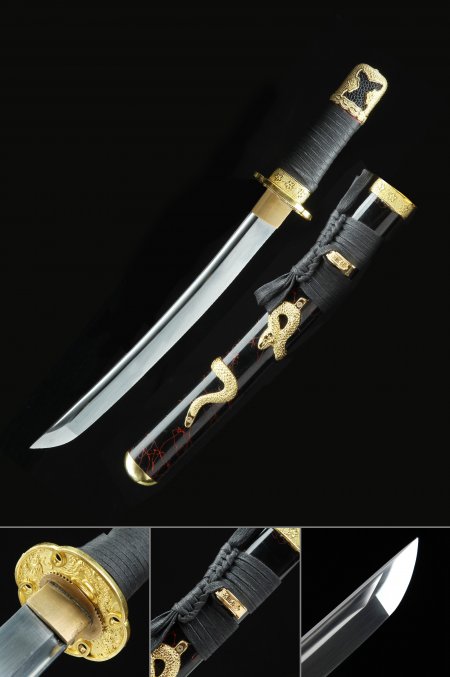
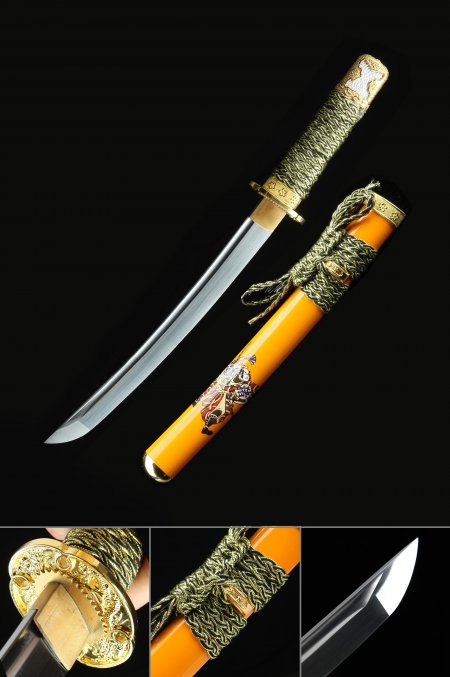
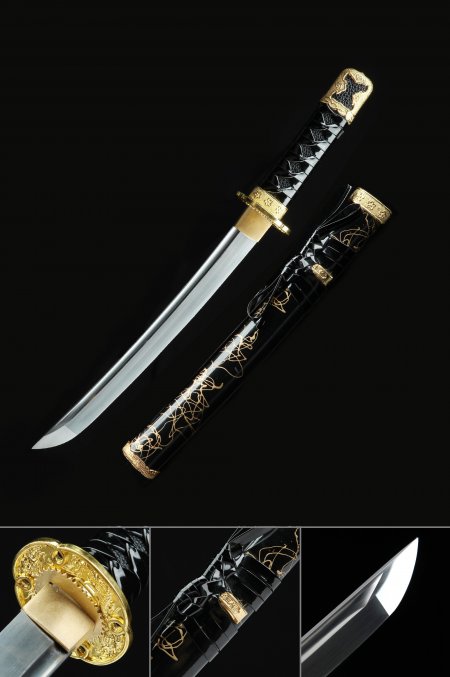
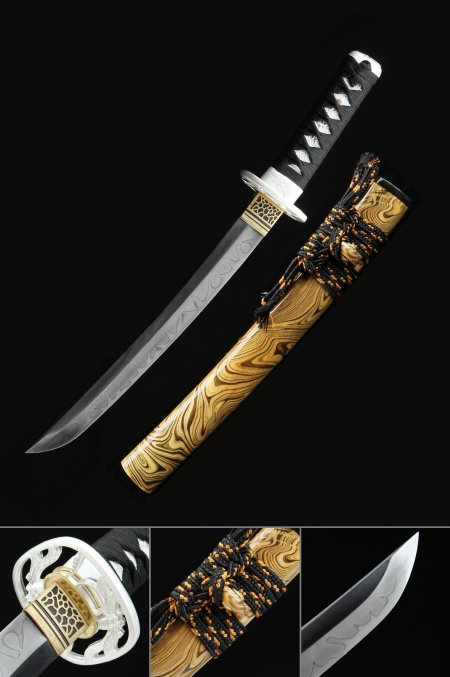
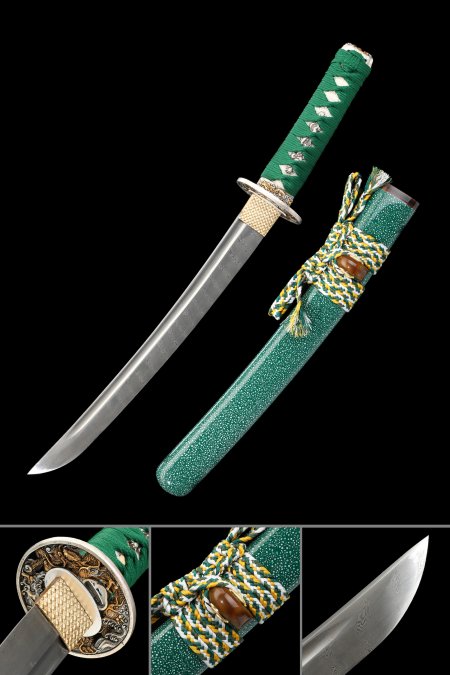
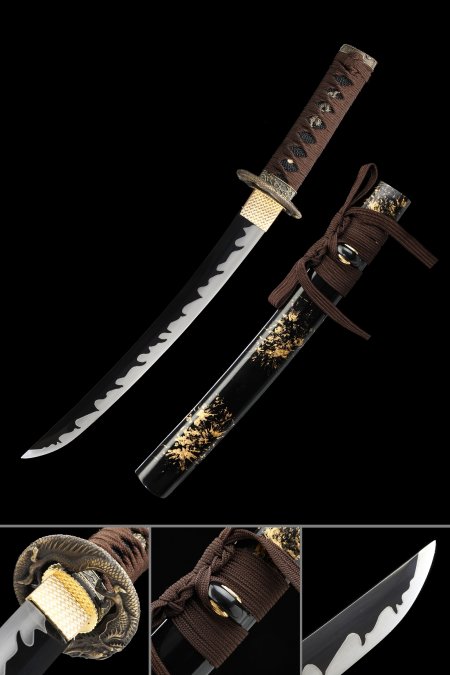
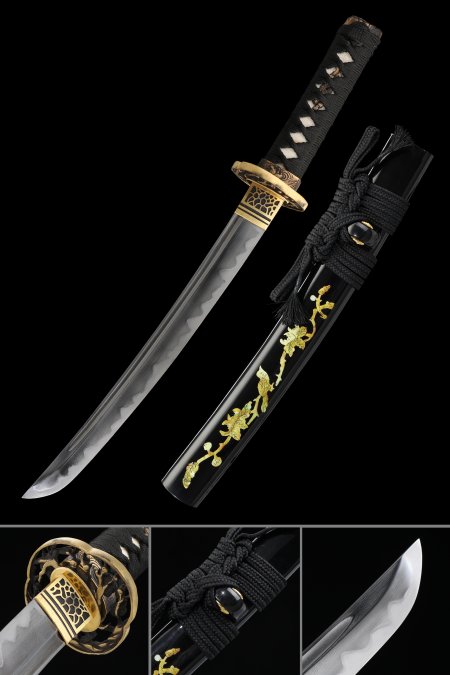
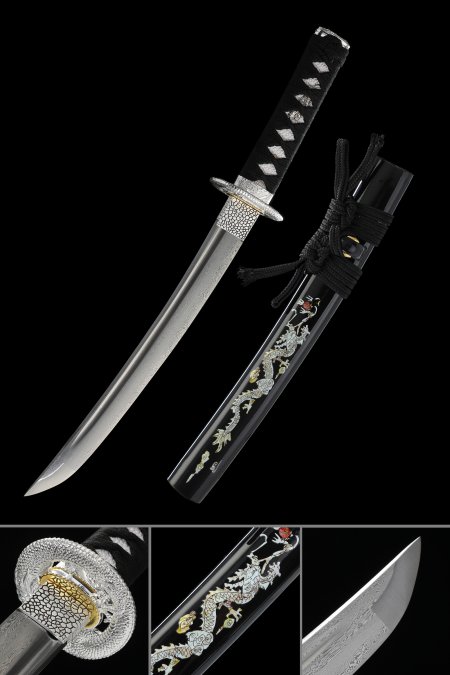
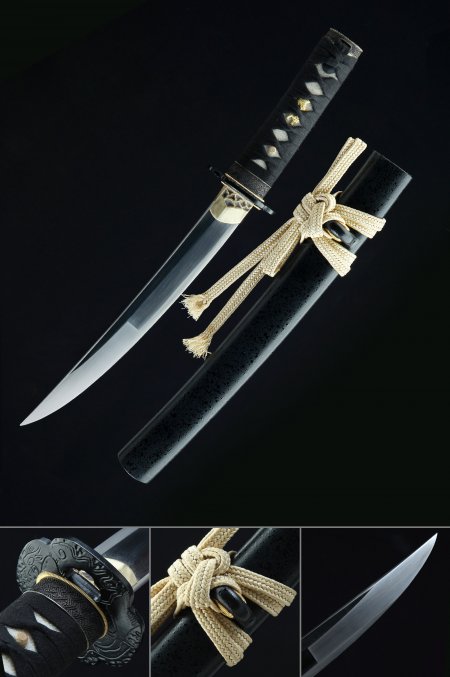
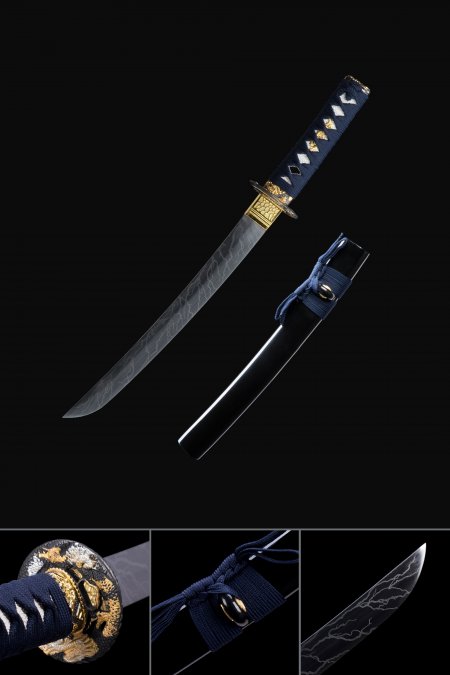
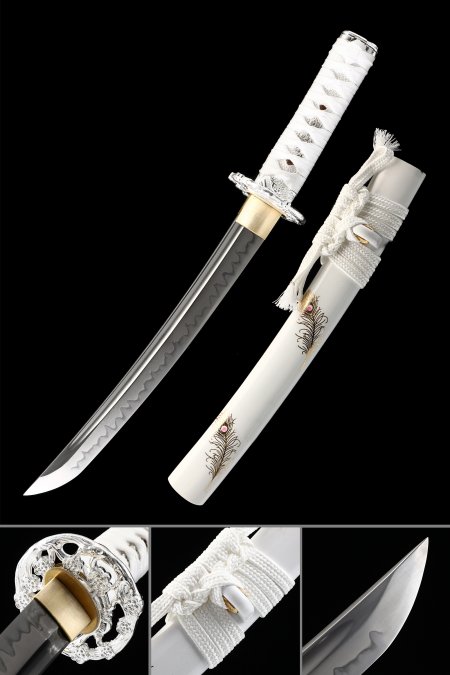
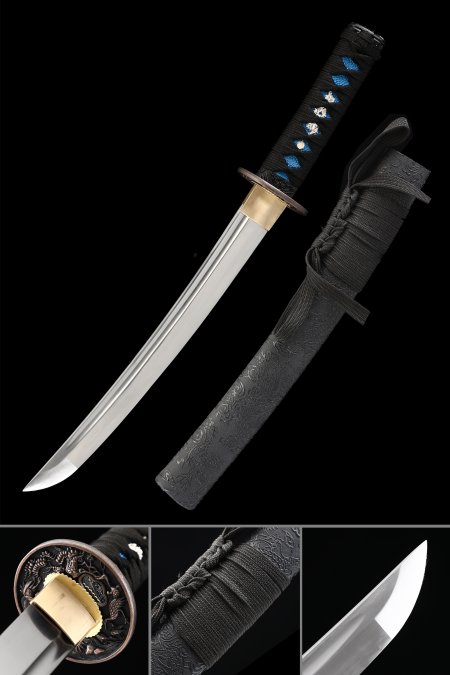
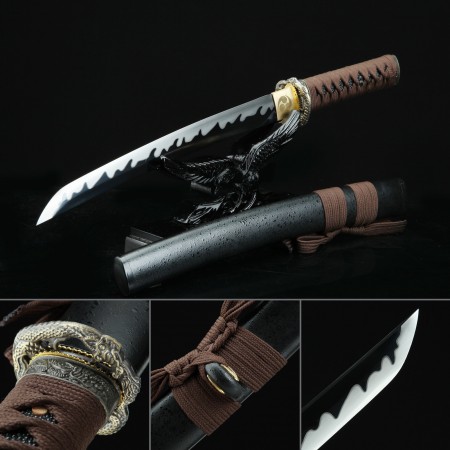
Dragon Tsuba Tanto at TrueKatana brings together hand-forged craftsmanship and intricate dragon-themed fittings, offering collectors a genuinely distinguished piece. Each tanto in this collection features premium steel - from clay-tempered T10 to high manganese - paired with dragon tsuba that are individually detailed with gold, silver, or engraved relief work. These are purpose-built collectibles and display pieces, finished with lacquered saya, rayskin wrapping, and coordinated koshirae that reflect authentic Japanese sword-making tradition. Enjoy free shipping on your order, plus hassle-free returns for complete peace of mind.
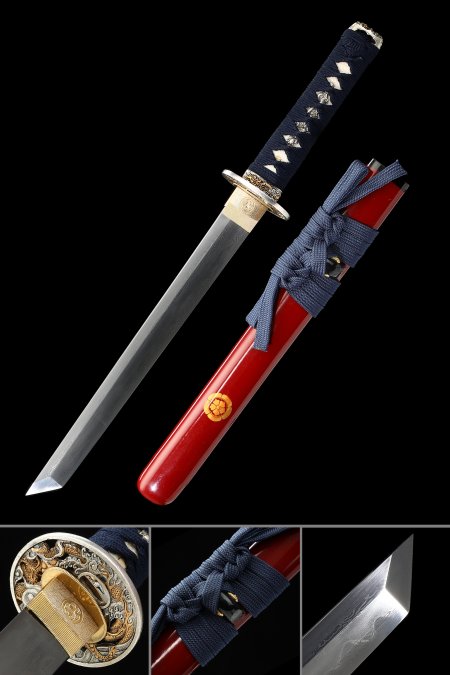
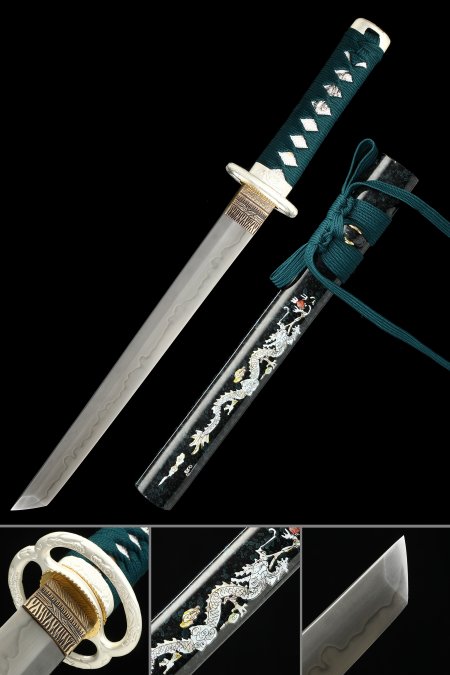
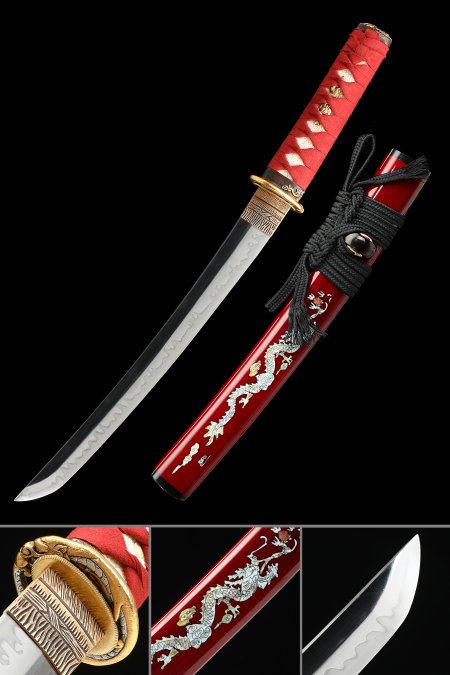
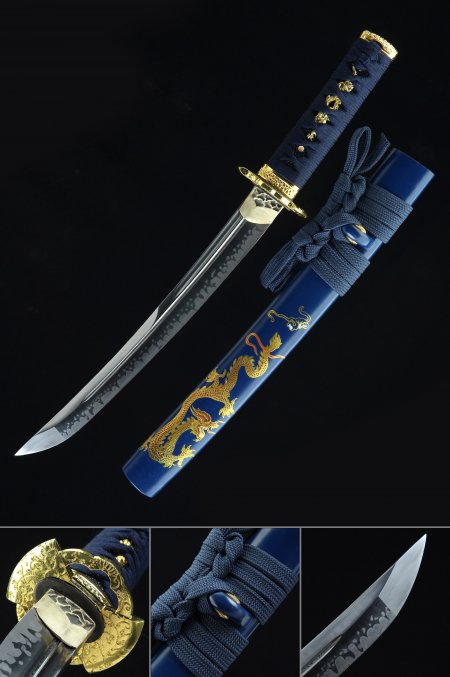
Related Collections
Dragon Tsuba Katana358 items
Reverse Blade Sword2 items
Dragon Saya Katana198 items
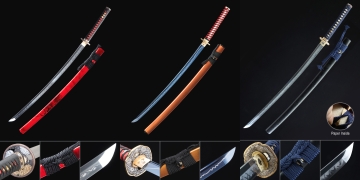
Chrysanthemum Tsuba Katana167 items
Frequently Asked Questions
What makes a dragon tsuba different from a standard tsuba?
How does clay tempering affect a tanto blade's appearance?
Is T10 steel or manganese steel better for a display tanto?
What should I use to maintain a tanto's lacquered saya?
Are dragon tsuba tanto a good choice as a collector's gift?
Customer Reviews
Nicer than I thought! I’m going to try to sharpen it a little better. From what I understand…one should be able to cleanly cut a piece of paper. It’s not sharp enough to do that
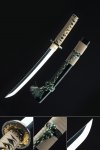 |
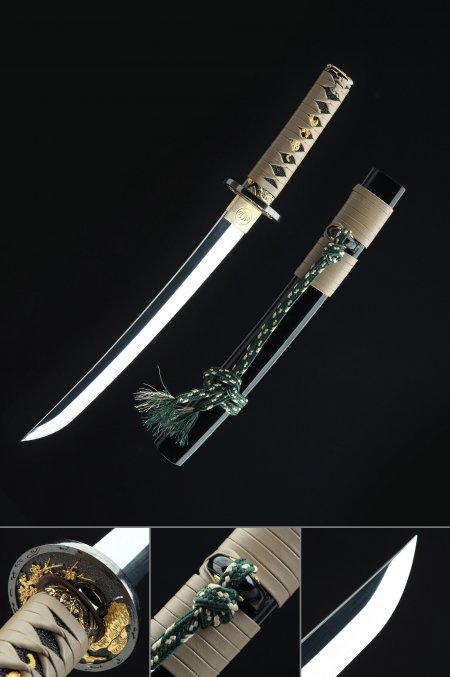
Manganese Steel Tanto with Beige Cord Handle, Gold Dragon Tsuba & Black Saya - Japanese Replica |
Love it. It’s a beautiful work of art proud to have it. Great for my collection.
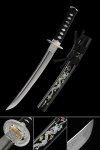 |
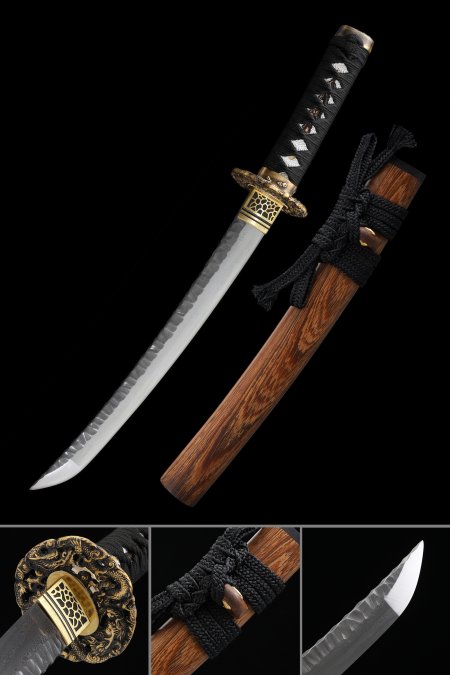
Damascus Steel Tanto with Dragon Hand-Painted Black Saya - Silver Alloy Tsuba, Black Cord |
Received a katana for 80th birthday and opted to pair with the shorter version tanto. Same excellent quality as the gift. Have already recommended Truekatana to another person looking for a katana.
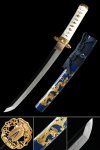 |
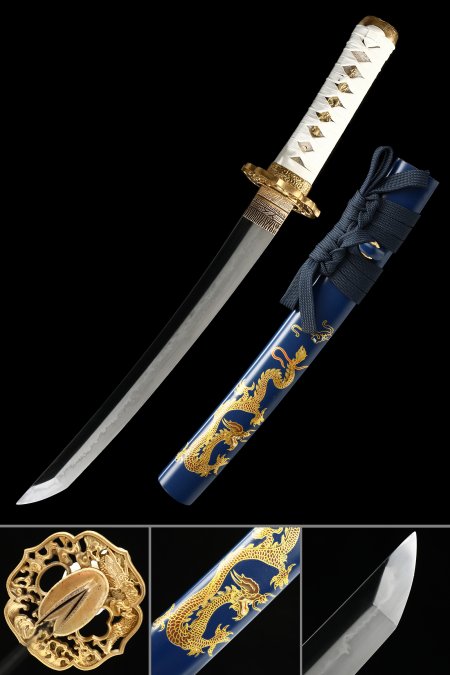
T10 Steel Tanto with Blue Dragon Lacquered Saya - Gold Tsuba, White Cord Handle, Real Hamon |
The Katana came well wrapped. The BLADE is very sharp the quality is great!! A lot better than I expected. After ready the reviews I was a little suspect but the quality is very good for a Katana I paid less the $300 with an additional Discount
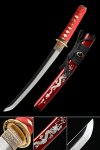 |
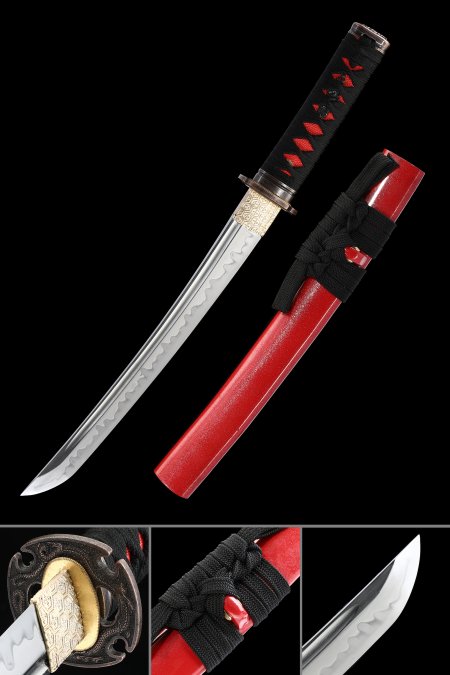
T10 Carbon Steel Tanto with Red Saya, Dragon Motif & Gold Dragon Tsuba |
Extremely happy with my first purchase from TrueKatana!!! Absolutely beautiful. Came as pictured. Wish it was a bit sharper but great quality steelwork.
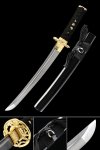 |
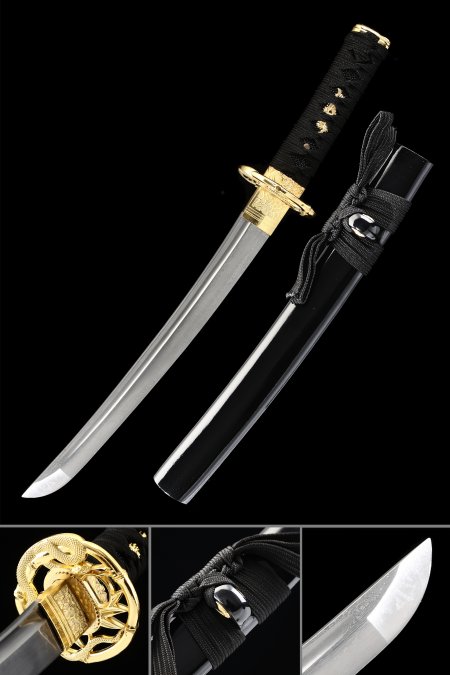
T10 Steel Tanto with Gold Dragon Tsuba - Black Saya & Cord Handle, 21-Inch Collectible |
This piece is beautiful. The only reason I took off a star was for minor quality control issue. A few scuffs. Other than that it really nice.
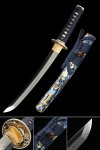 |
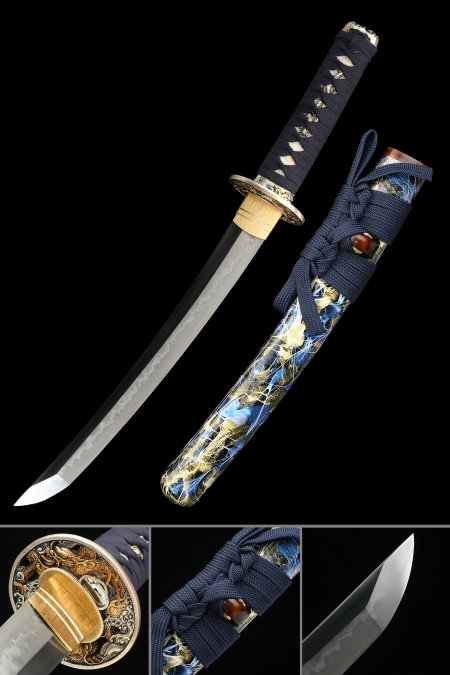
T10 Carbon Steel Tanto with Real Hamon in Dragon Tsuba - Blue-Gold Marble Saya, Dark Blue Ito |
Everything I buy from here is phenomenal quality for the price.
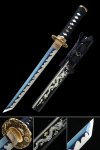 |
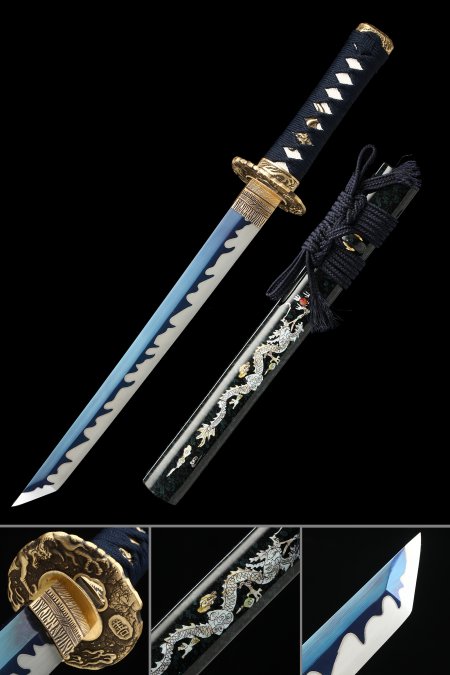
Tanto Replica in 1095 Carbon Steel with Blue Flame Blade, Gold Dragon Tsuba & Black Lacquer Saya |
All three of the tantos in my order are beautiful, and it's easy to see all the hard work and expertise that went into creating them. I expect to receive the 3-tiered bamboo display stand any day now. Thank you, TrueKatana, for a smooth transaction.
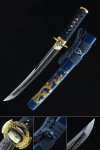 |
Damascus Steel Tanto with Blue Dragon Saya - Gold Alloy Tsuba, Blue Cord Handle |