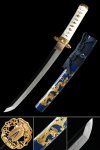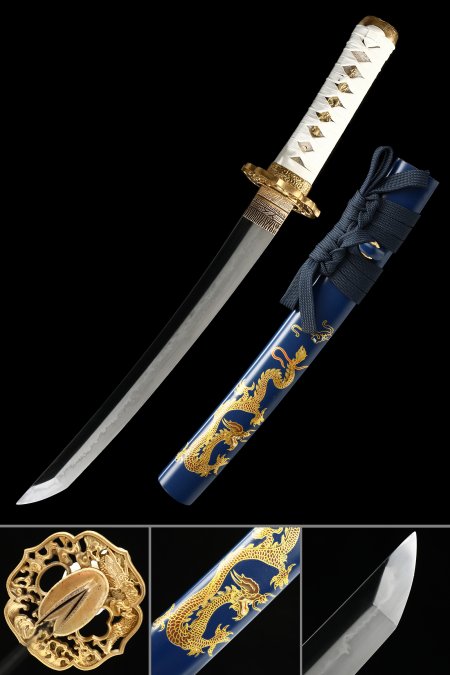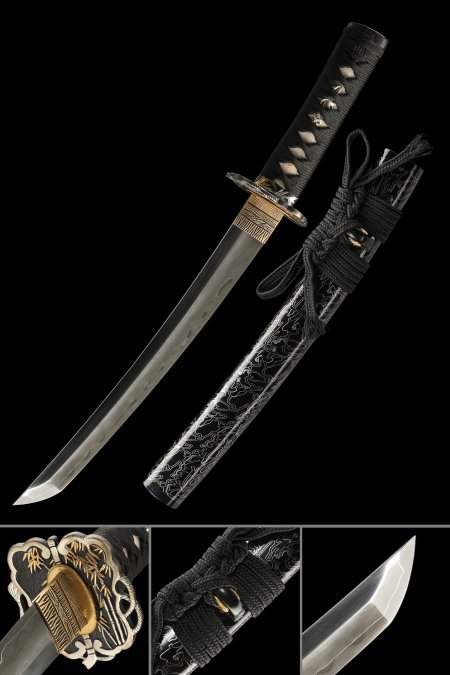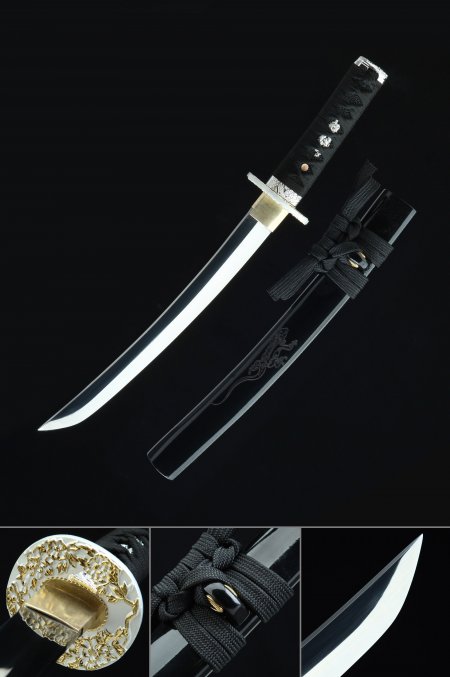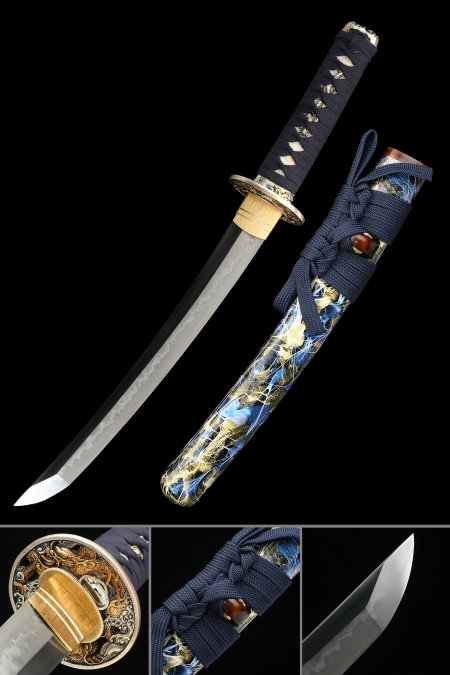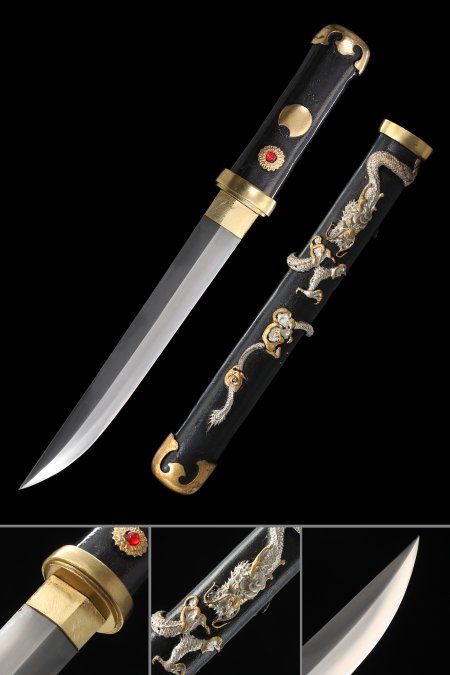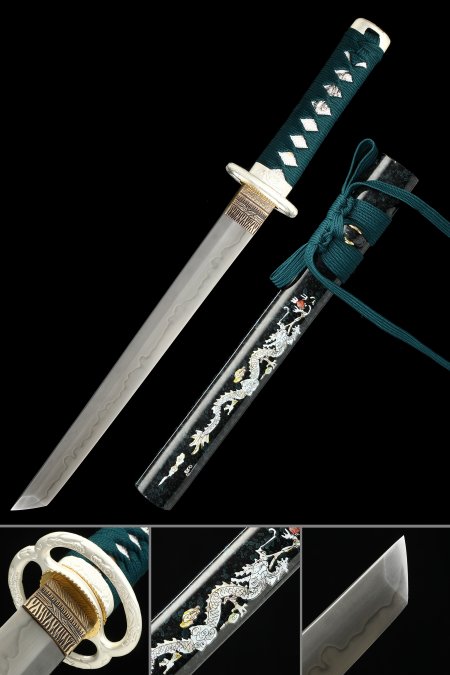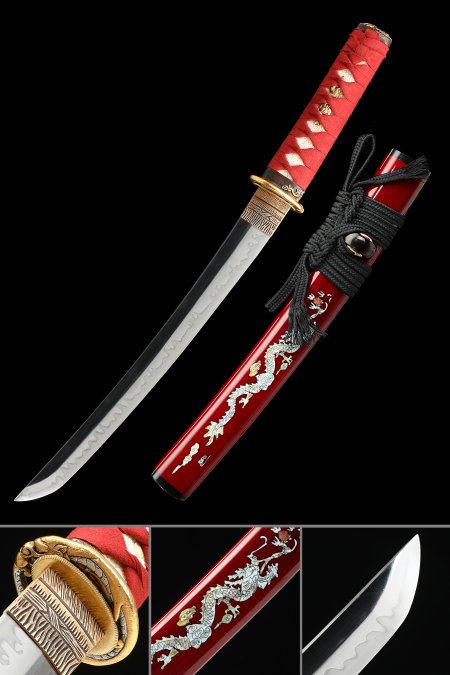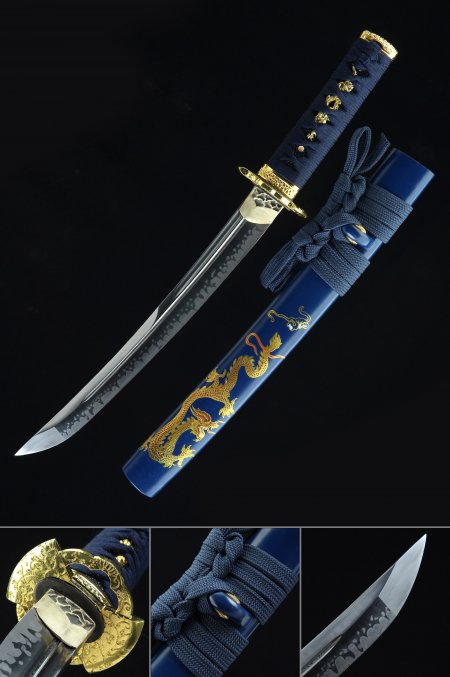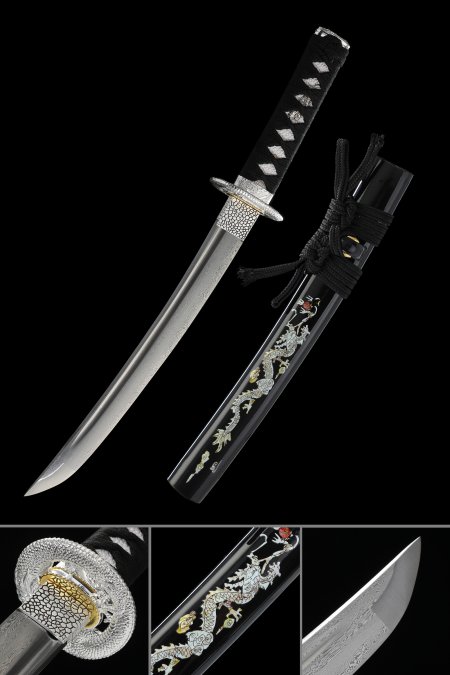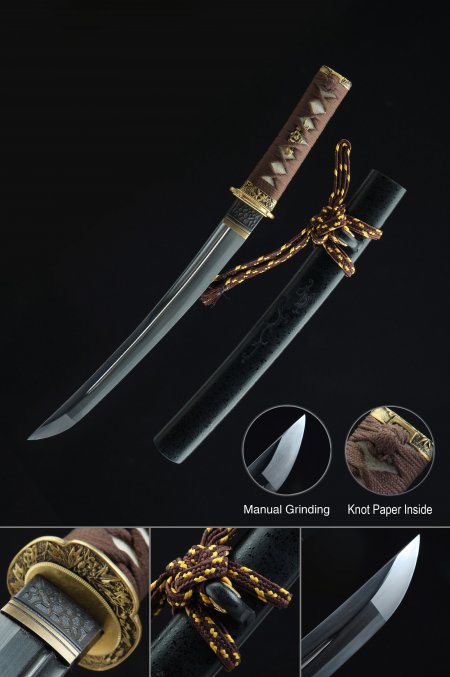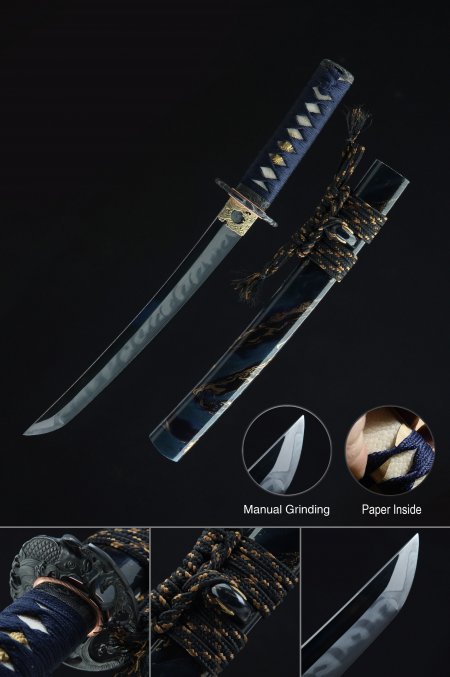
Dragon Saya Tanto

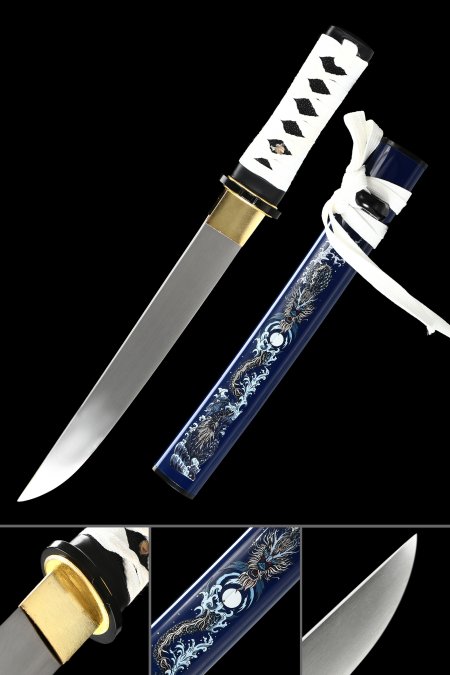
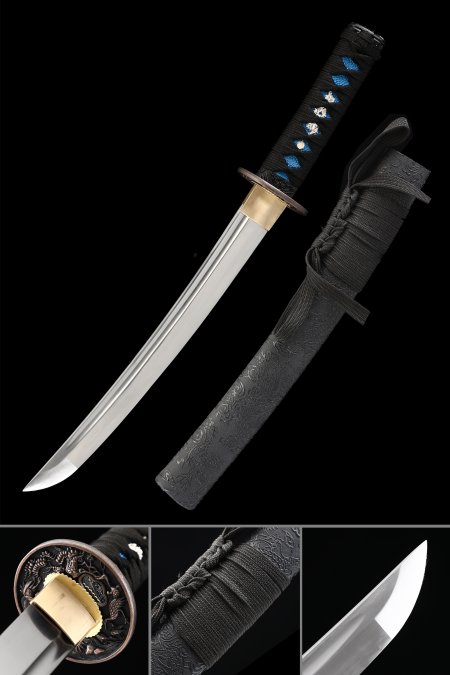
Dragon Saya Tanto brings together the compact elegance of traditional Japanese tanto geometry and the vivid artistry of hand-carved or hand-painted dragon motifs across lacquered saya. Each piece in this collection is crafted with full-tang construction and premium steel — T10 carbon, Damascus, or high-carbon 1095 — paired with ornate tsuba, ray-skin handles, and richly detailed scabbards that make every tanto a genuine display centerpiece. Enjoy free standard shipping on your order, plus hassle-free returns for complete peace of mind.
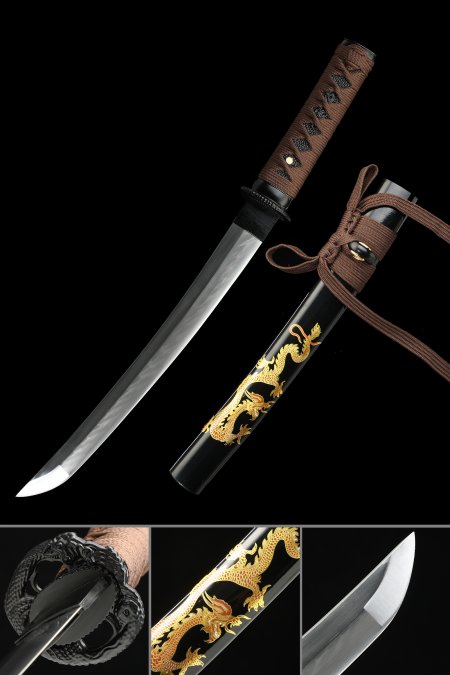
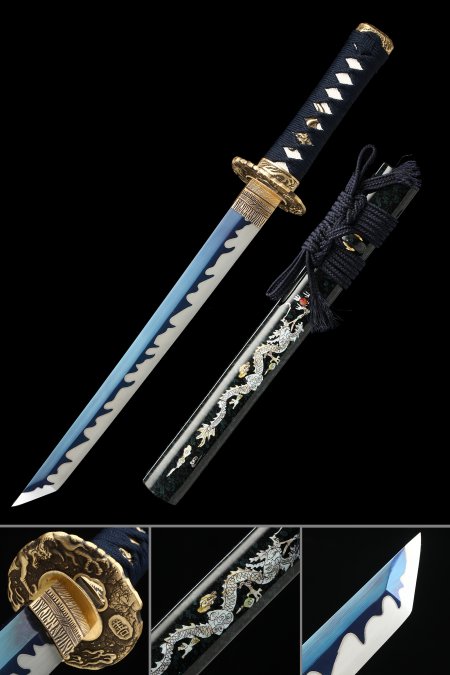
Showing 15 Products

Related Collections

Straight Blade Katana22 items


11 Reviews

Dragon Blade Katana108 items


371 Reviews

Bronze Tsuba Katana137 items


657 Reviews

Geometric Tsuba Katana103 items


951 Reviews

Frequently Asked Questions

What makes a Dragon Saya Tanto different from a standard tanto?
The defining distinction is the saya — the scabbard. A standard tanto saya is typically a plain lacquered hardwood piece with no surface decoration. Dragon Saya Tanto feature scabbards that carry intentional artistic work: relief carvings cut into the wood, hand-painted lacquer imagery, or multi-tone finishes like blue-gold marble that make the saya a display object in its own right. The dragon motif also extends to the tsuba (guard) and sometimes the ito wrap color, so the thematic design runs through the entire koshirae rather than sitting only on the scabbard surface. For collectors, this means the saya is as important to evaluate as the blade itself.
How is a real hamon formed, and why does it matter for collectors?
A hamon is the visible temper line that appears on a blade after clay differential hardening — a process where clay is applied to the spine before quenching, causing the edge to cool faster and harden into martensite while the spine remains tougher and more flexible. The result is a naturally occurring wave or pattern along the edge that is unique to each blade. On T10 and 1095 carbon steel tanto, a real hamon is a direct record of the smith's heat treatment process and cannot be replicated by machine polishing or acid etching. For collectors, it signals authentic hand-forged technique and adds individual character that makes two otherwise identical-looking tanto entirely distinct as objects.
What is the difference between T10 steel and Damascus in these tanto?
T10 is a tungsten-alloyed high-carbon tool steel valued for its hardness, fine grain structure, and strong response to clay tempering — it produces clean, well-defined hamon lines and holds a refined polish. Damascus steel (also called pattern-welded) is made by forge-welding multiple steel layers together and manipulating them to reveal flowing surface patterns after acid etching. T10 tanto tend to have a cleaner, more traditional Japanese aesthetic, while Damascus tanto display dramatic visual movement across the blade surface. Neither is inherently superior; the choice typically comes down to whether the collector prioritizes temperline artistry or layered-steel visual complexity.
How should I store and maintain a Dragon Saya Tanto on display?
Carbon steel blades — whether T10, 1095, or Damascus — require a light coat of camellia or choji oil applied every four to six weeks when on display, more frequently in humid climates. Always handle the blade with clean cotton gloves or a soft cloth, since skin oils accelerate oxidation. The saya should be kept on a horizontal or angled stand rather than stored vertically tip-down, which can stress the lacquer at the koiguchi (mouth) over time. Avoid placing the tanto near direct sunlight or heat sources, as prolonged UV exposure fades lacquered finishes and can dry out the ray-skin wrap. Periodic inspection of the ito for loosening and the tsuba for tightness keeps the koshirae in display-ready condition.
Are Dragon Saya Tanto good gifts for Japanese sword enthusiasts?
Yes — and specifically because both the blade and the saya offer points of appreciation for someone already familiar with Japanese sword culture. A collector who understands hamon, koshirae assembly, and steel types will immediately recognize the craft details: the differential hardening lines, the same underlaying beneath the cord wrap, the construction quality of the tsuba. The dragon theme also makes these tanto visually striking for display without requiring deep knowledge to appreciate, which broadens their appeal. For gifting, tanto are practical as display items since their compact size fits easily on a desk stand, shelf, or wall mount — no dedicated sword rack required.

Customer Reviews

Richard Dale Parsons Texas, United States

I’m no sword smith, but I am a satisfied customer. The Tanto is very nice and I did choose the T10 steel for its strength and edge retention capabilities. The hamon line is nice with nice graying. Shipping and delivery was fast. I waited for the Tanto to decide whether or not to order a Wakizashi and I did. If it’s appearance and quality is what I’m expecting I’ll be ordering a Katana.

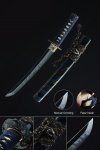
Clay Tempered T10 Steel Tanto with Real Hamon in Dark Blue Dragon Saya - Gold Alloy Wave Tsuba Clay Tempered T10 Steel Tanto with Real Hamon in Dark Blue Dragon Saya - Gold Alloy Wave Tsuba
Michael Machado New Jersey, United States

The Katana came well wrapped. The BLADE is very sharp the quality is great!! A lot better than I expected. After ready the reviews I was a little suspect but the quality is very good for a Katana I paid less the $300 with an additional Discount
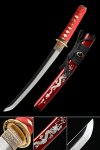
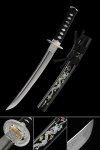
T10 Carbon Steel Tanto with Red Saya, Dragon Motif & Gold Dragon Tsuba T10 Carbon Steel Tanto with Red Saya, Dragon Motif & Gold Dragon Tsuba