What defines an aikuchi compared to a standard tanto?

 Updated Feb 2026

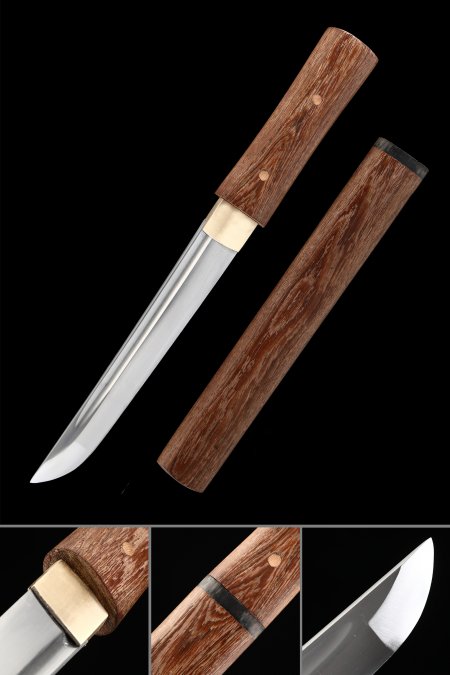
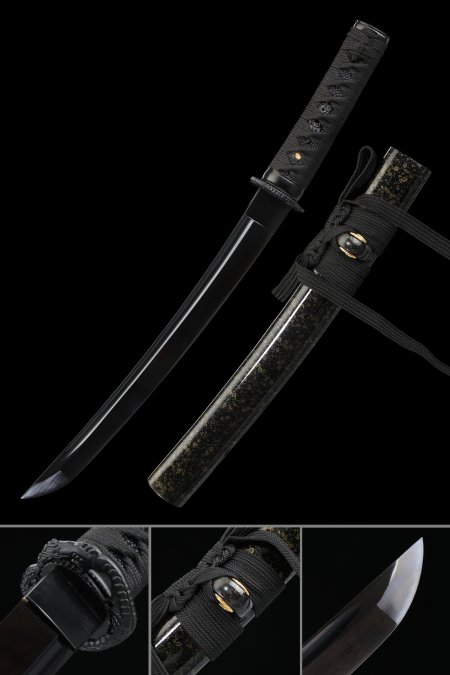
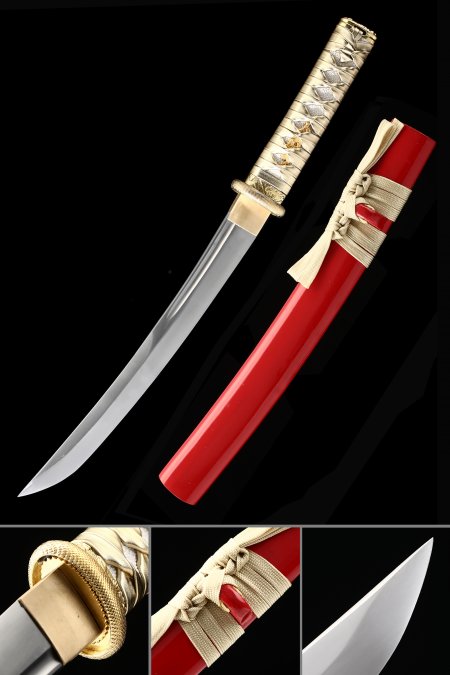
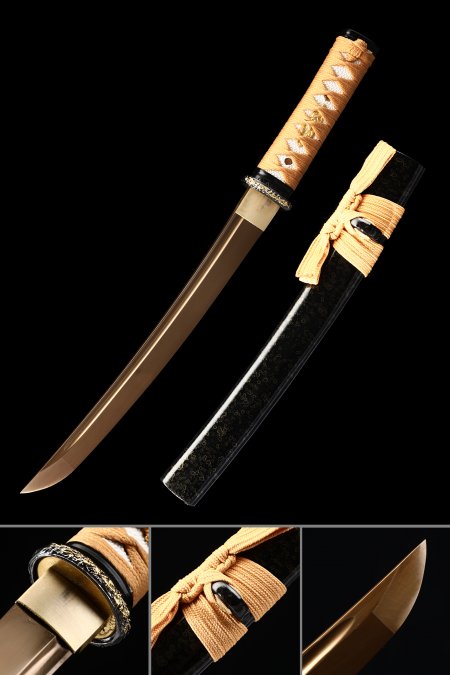
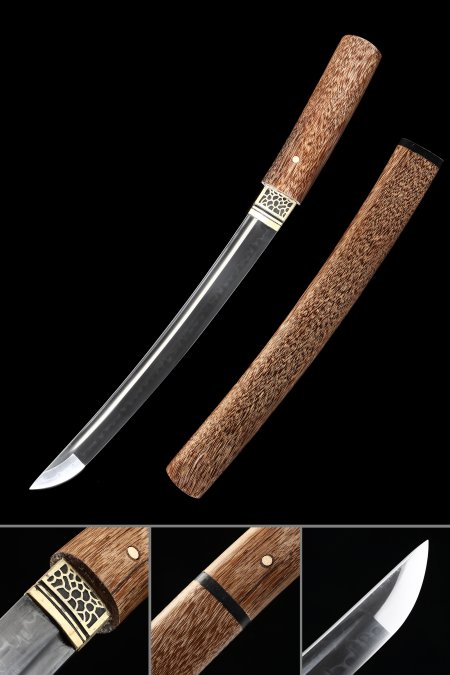
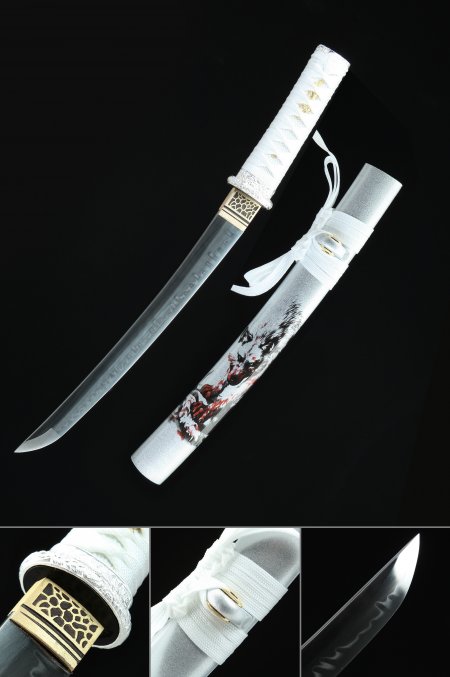
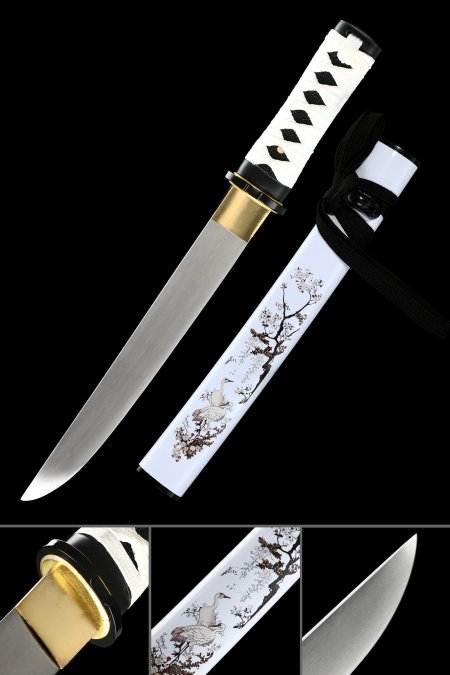
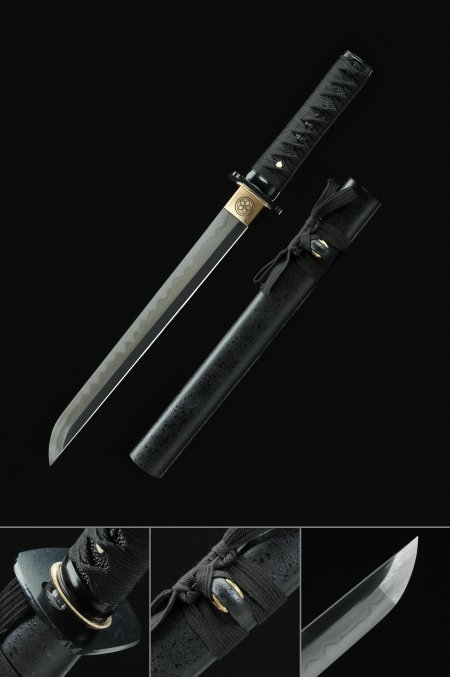
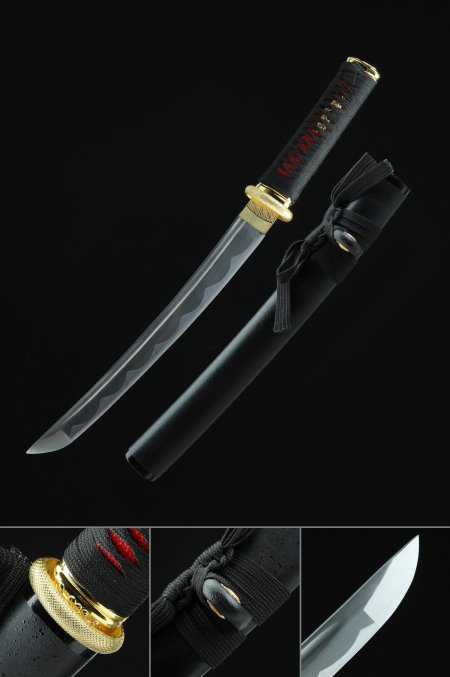
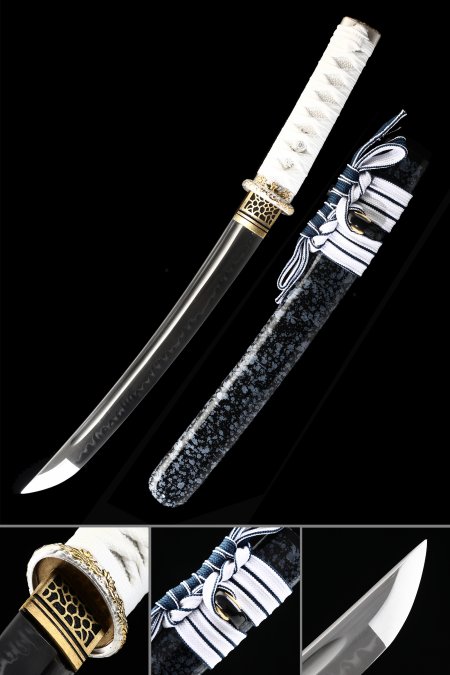
The defining characteristic of an aikuchi is the absence of a tsuba — the hand guard found on virtually every other category of Japanese sword. In a standard tanto, a small tsuba sits between the handle and the blade collar, providing a visual and structural dividing line. The aikuchi eliminates this element entirely, so the tsuka (handle) transitions directly into the saya (sheath) with a flush, uninterrupted profile. Historically, this design was favored by Japanese nobility and attendants in formal indoor settings where a protruding guard would have been considered cumbersome or visually heavy. For collectors, the aikuchi’s clean silhouette puts greater emphasis on the quality of the koiguchi fit, habaki collar, and handle wrapping, making it a rewarding form to study and display.
Popular Products

15% OFFtanto sword
179.00 USD
209.00 USD
15% OFFdouble edge tanto
159.00 USD
189.00 USD
20% OFFaikuchi tanto
139.00 USD
169.00 USD
0% OFF
0.00 USD
69.00 USD
15% OFFshirasaya tanto
149.00 USD
179.00 USD
15% OFFtanto sword
129.00 USD
149.00 USD
20% OFFtanto sword
109.00 USD
139.00 USD
15% OFFtanto sword
139.00 USD
169.00 USD
15% OFFtanto sword
89.00 USD
109.00 USD
15% OFFtanto sword
109.00 USD
129.00 USD
15% OFFtanto
149.00 USD
179.00 USD
15% OFFhamidashi tanto
149.00 USD
179.00 USD
15% OFFtanto sword
179.00 USD
209.00 USD
15% OFFdouble edge tanto
159.00 USD
189.00 USD
20% OFFaikuchi tanto
139.00 USD
169.00 USD
0% OFF
0.00 USD
69.00 USD
15% OFFshirasaya tanto
149.00 USD
179.00 USD
15% OFFtanto sword
129.00 USD
149.00 USD
20% OFFtanto sword
109.00 USD
139.00 USD
15% OFFtanto sword
139.00 USD
169.00 USD
15% OFFtanto sword
89.00 USD
109.00 USD
15% OFFtanto sword
109.00 USD
129.00 USD
15% OFFtanto
149.00 USD
179.00 USD
15% OFFhamidashi tanto
149.00 USD
179.00 USD

Explore Our Collections