What makes pattern steel different from regular carbon steel in a tanto?
Updated Feb 2026
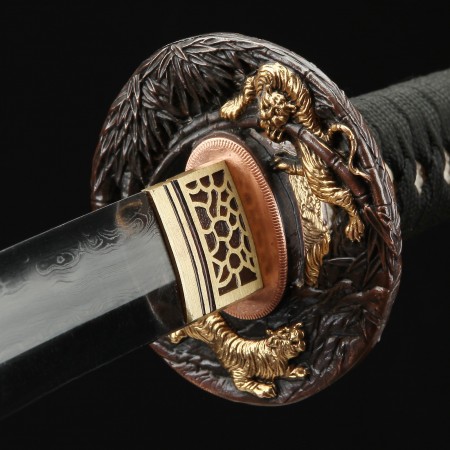
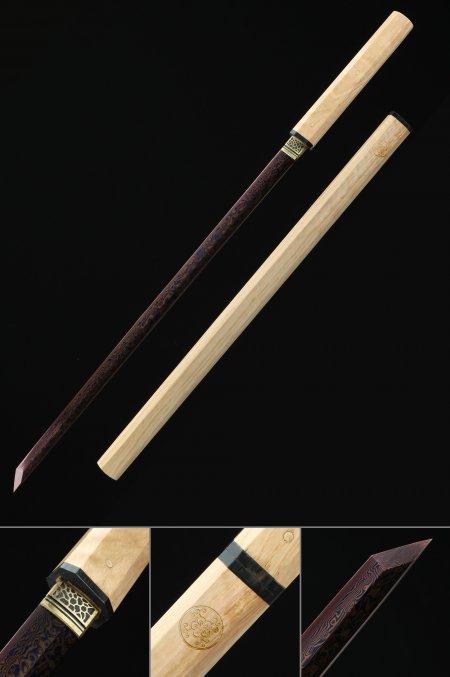
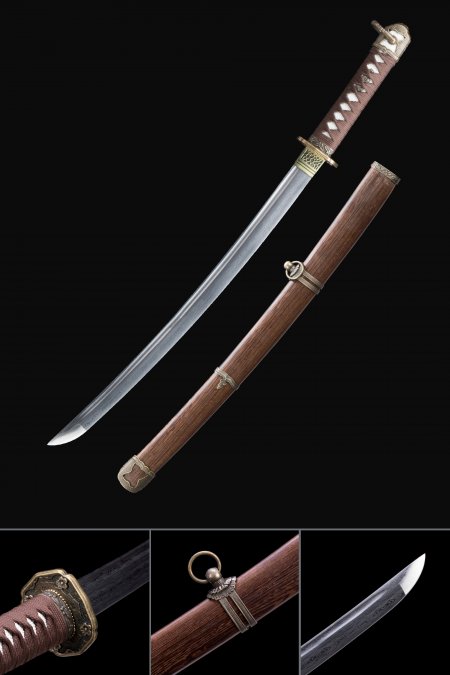
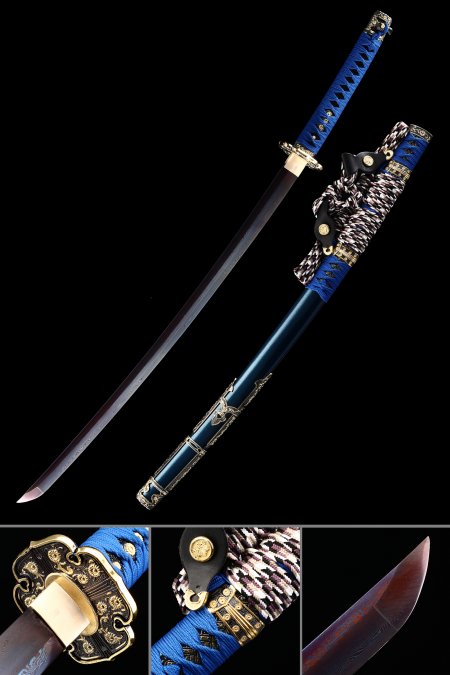
Pattern steel — commonly called Damascus steel in the collecting world — is produced by forge-welding multiple layers of high-carbon and low-carbon steel together, then folding and hammering the billet repeatedly. A typical blade in this collection contains several hundred visible layers. After forging, the blade is etched in a mild acid solution that reacts differently with each steel type, revealing the distinctive wavy or wood-grain pattern on the surface. Standard monosteel tantos, by contrast, are forged from a single homogeneous bar, so they lack this layered visual character. Beyond aesthetics, the folding process helps distribute carbon more evenly and can reduce internal impurities, which contributes to a blade with a refined grain structure that collectors value highly.