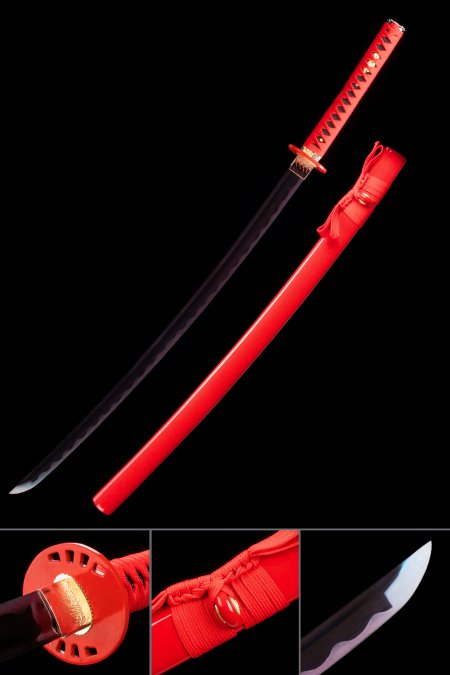
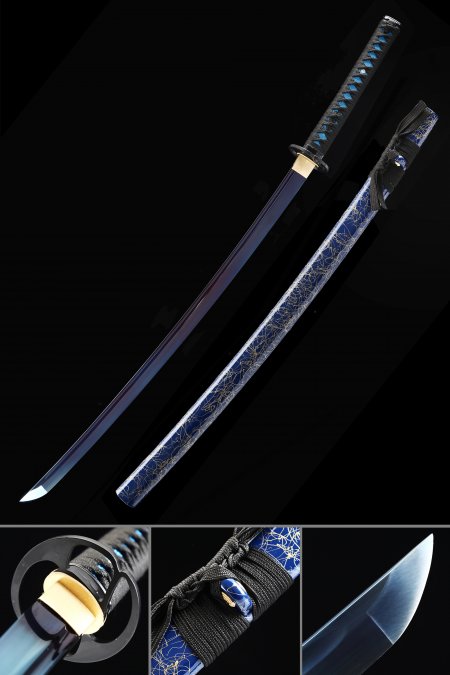
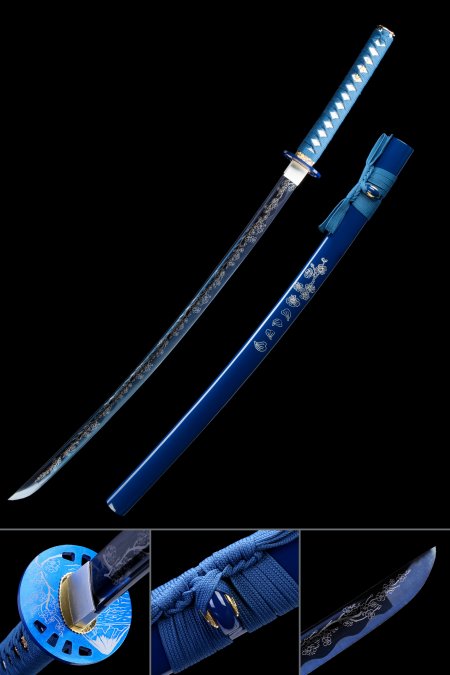
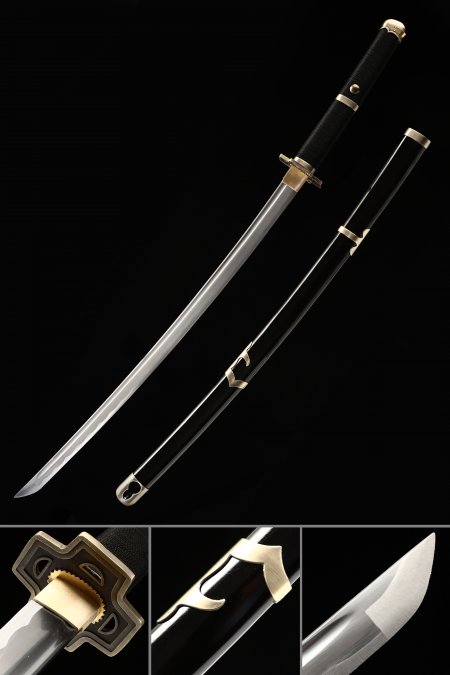
How does a ninjato differ from a katana in construction?
Updated Feb 2026
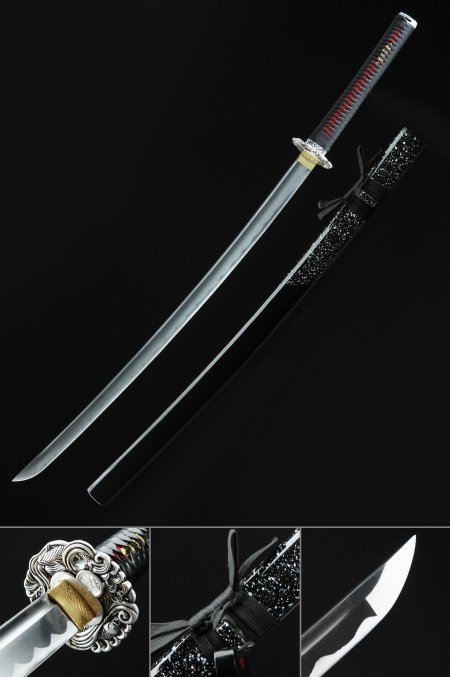
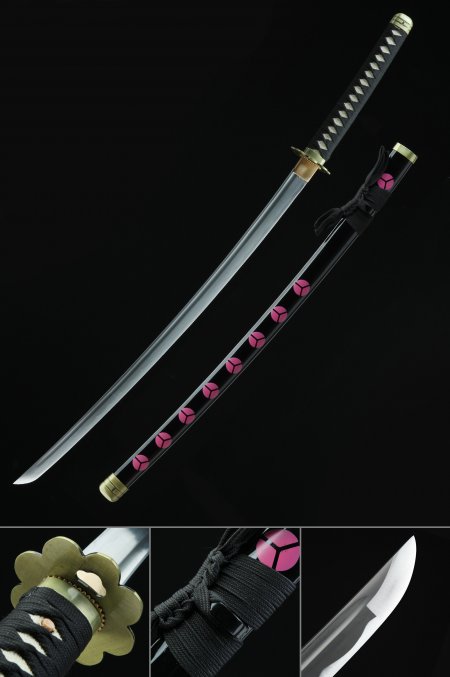
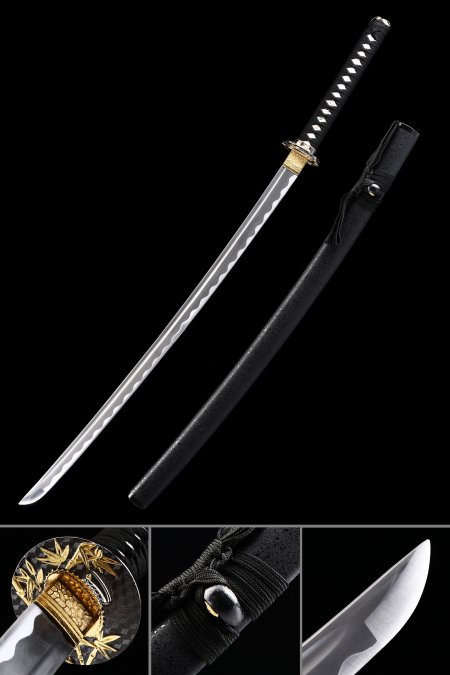
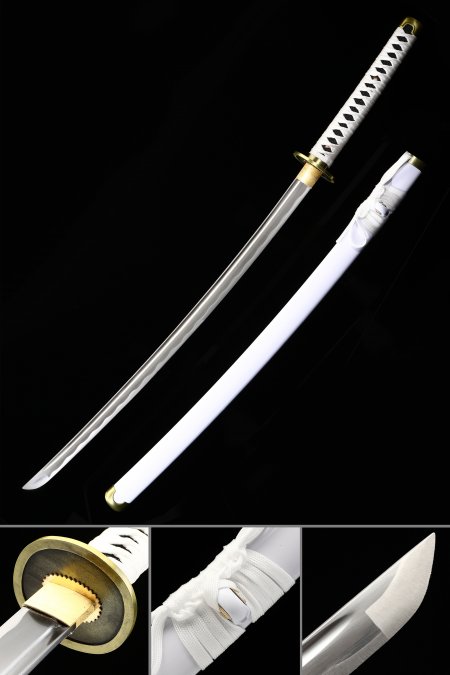
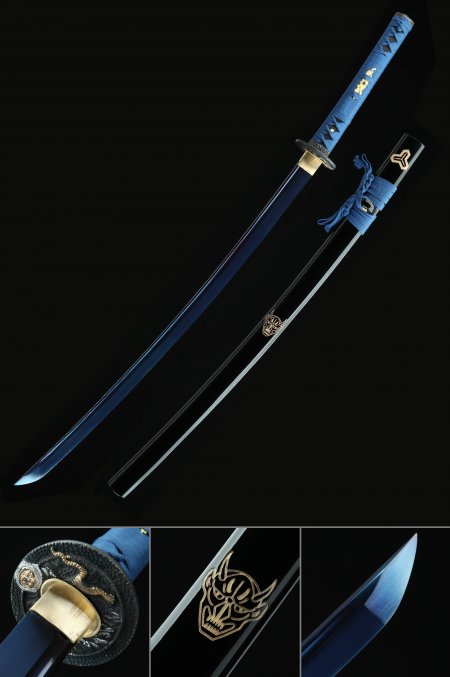
The most immediately visible difference is blade geometry. A katana features a pronounced curved blade optimized for drawing cuts, while a ninjato is characteristically straight or only slightly curved, with a shorter overall length. The ninjato also tends to have a more squared tsuba (guard) compared to the round or oval guards common on katana, and the saya is typically straight rather than curved to accommodate the blade profile. From a construction standpoint, both can be built full-tang - meaning the steel extends continuously through the handle - but the ninjato's handle-to-blade ratio and the tsuka (handle) geometry differ from katana standards. For collectors, this means a ninjato and a katana displayed together offer genuine visual contrast in silhouette, profile, and fittings, making them natural companions in a themed arrangement rather than redundant duplicates.