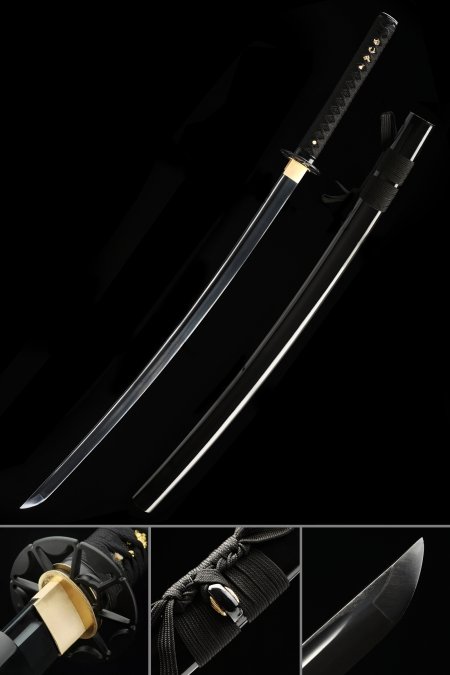
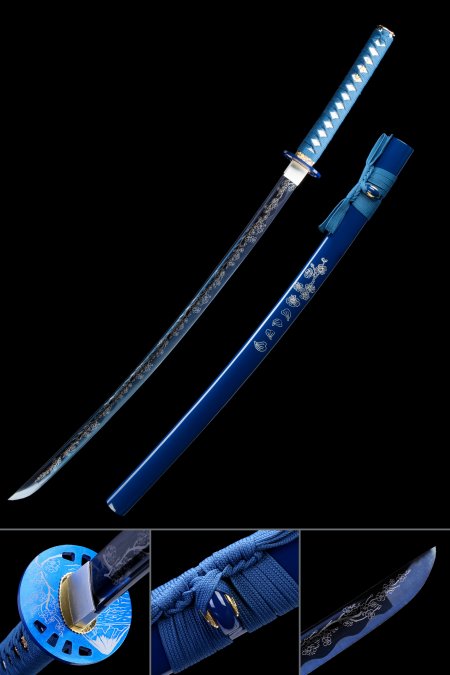
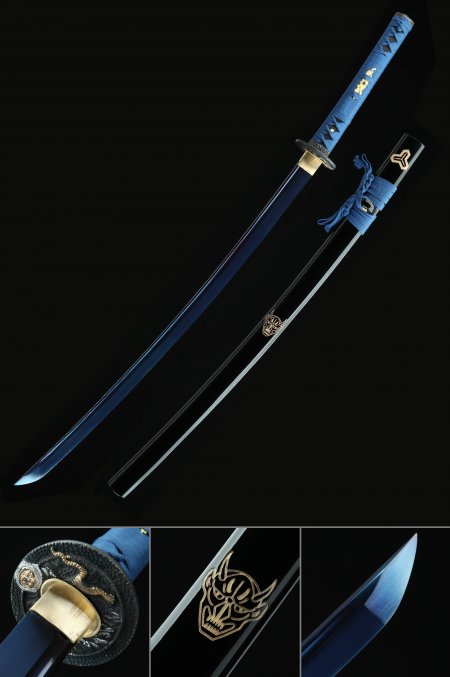
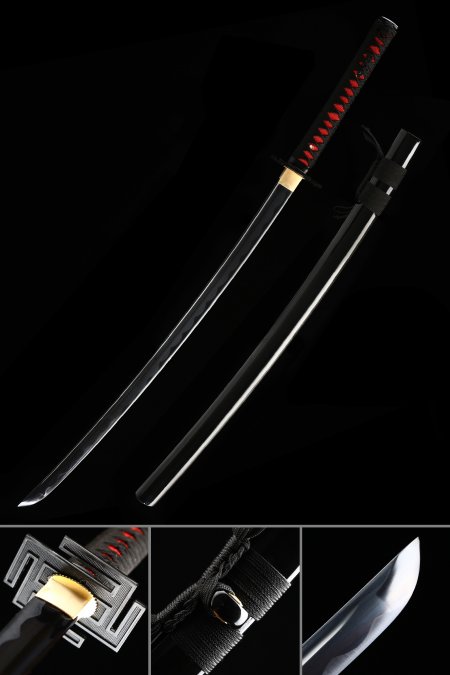
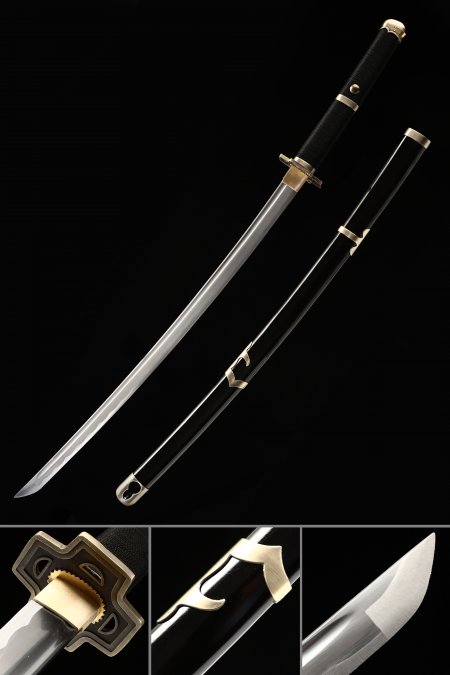
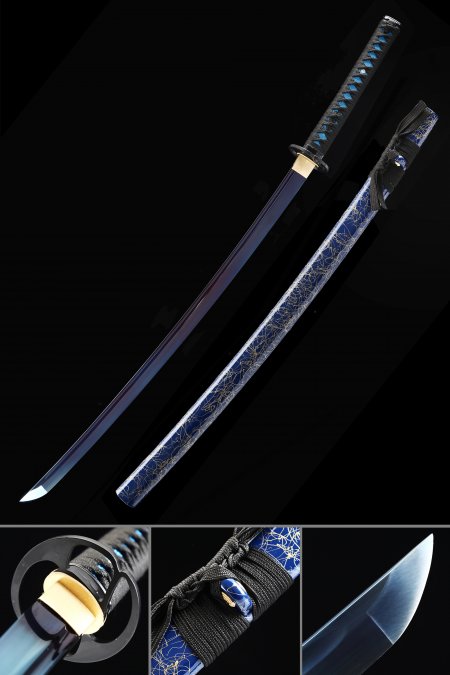
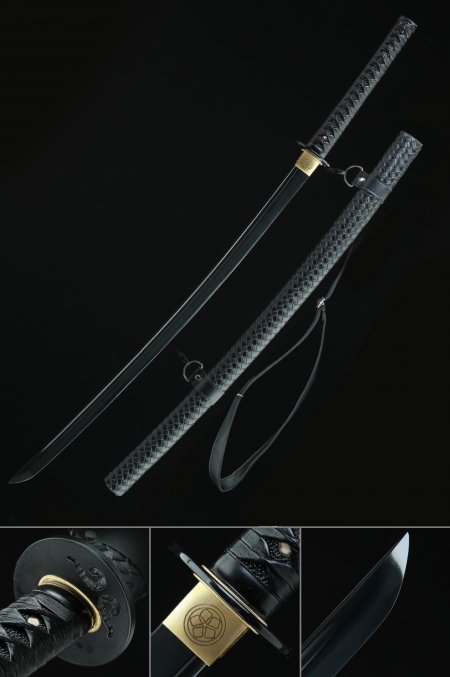
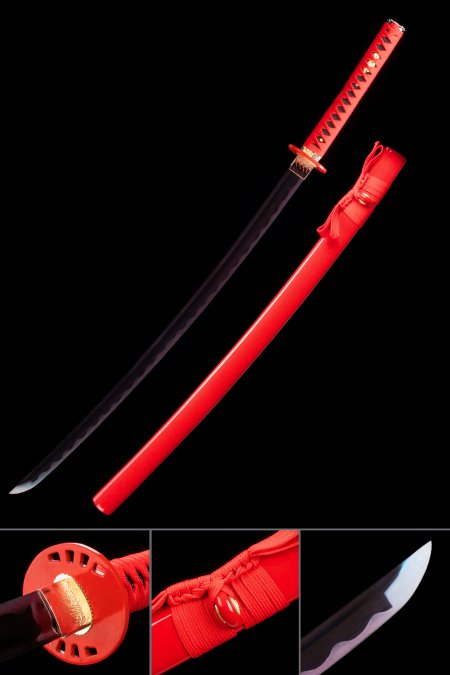
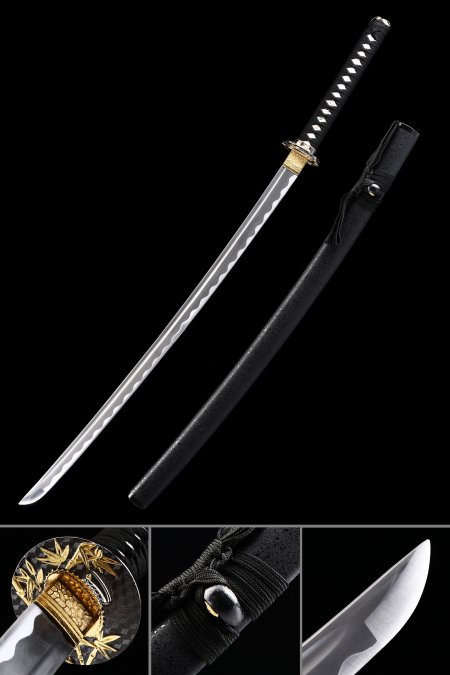
The tachi and katana are closely related but serve distinct historical roles that shaped their design differences. The tachi is typically longer - often exceeding 70 cm in blade length - and features a more pronounced curvature compared to the katana. It was worn edge-down suspended from the belt, a mounting style called tachi-style (tachi-zori), which suited mounted samurai who needed to draw the blade in a wide arc. The katana, by contrast, was worn edge-up through the belt (obi) and favored by infantry for faster close-quarters drawing. Collectors often note that tachi fittings, including the tsuba placement and saya suspension rings (ashi), differ structurally from katana mounts. From a display perspective, the tachi's greater length and deeper curve create a more dramatic visual profile, making it a striking centerpiece in any collection.