What does a real hamon look like, and why does it matter?
Updated Mar 2026
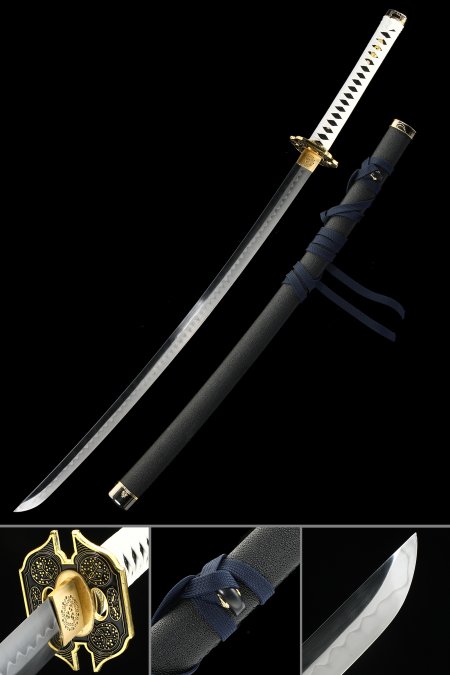
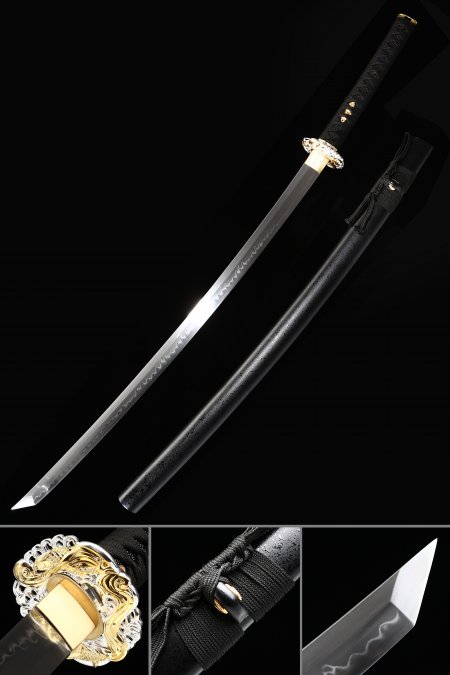
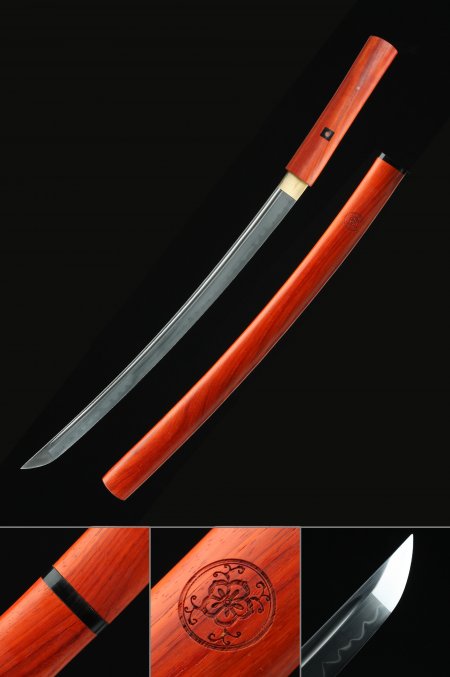
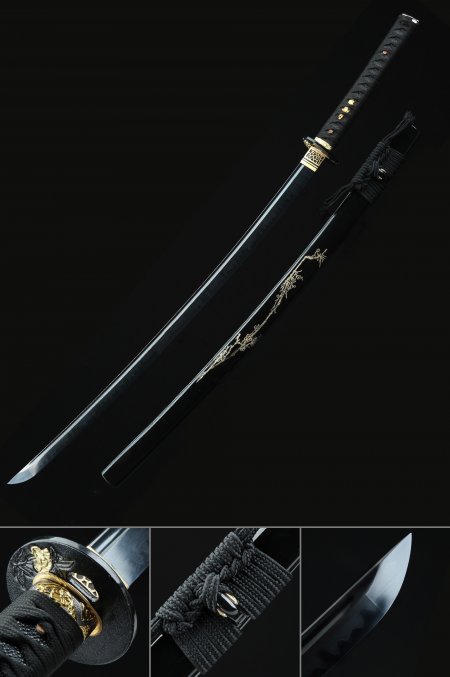
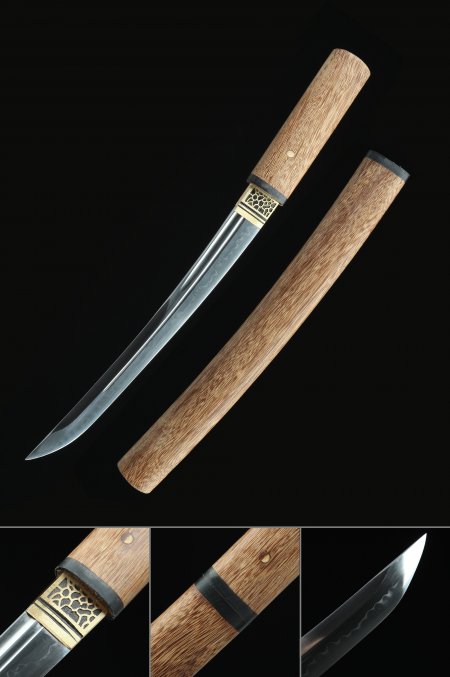
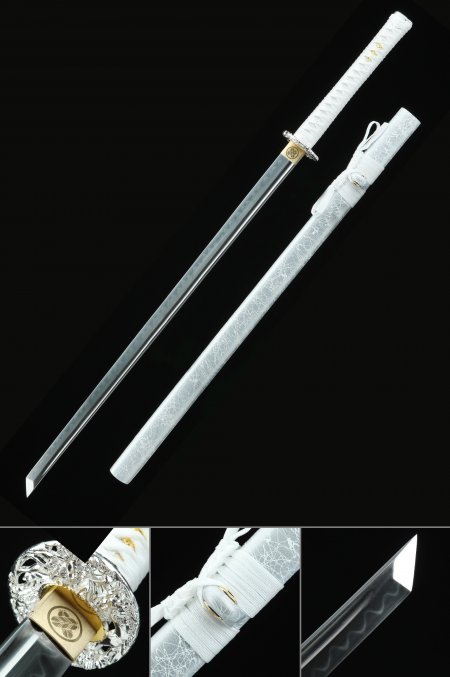
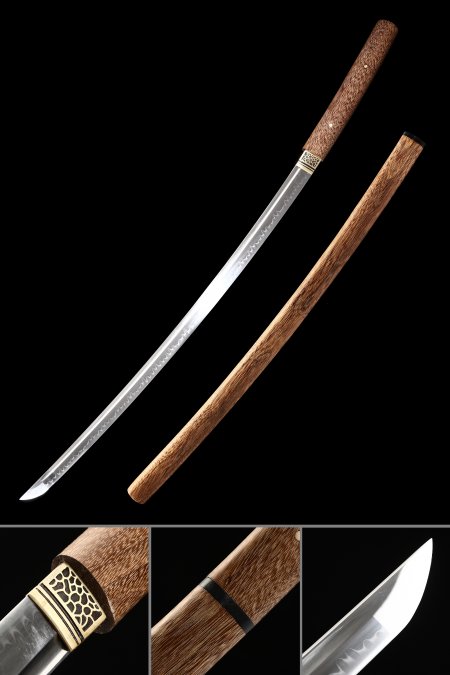
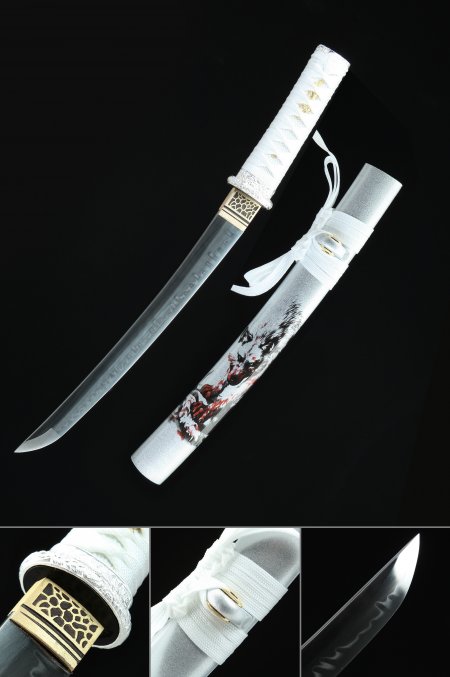
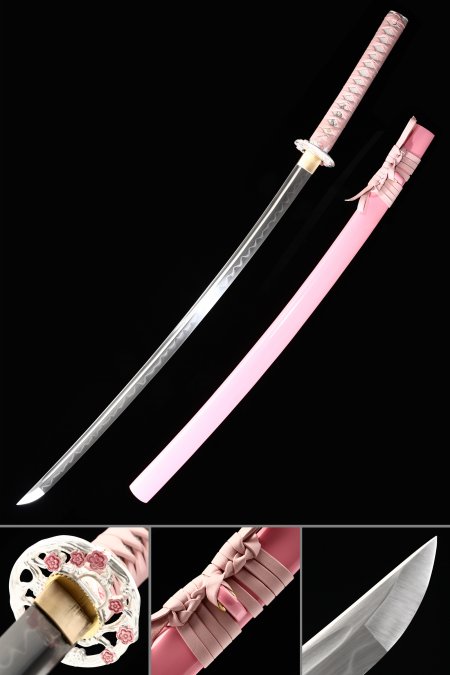
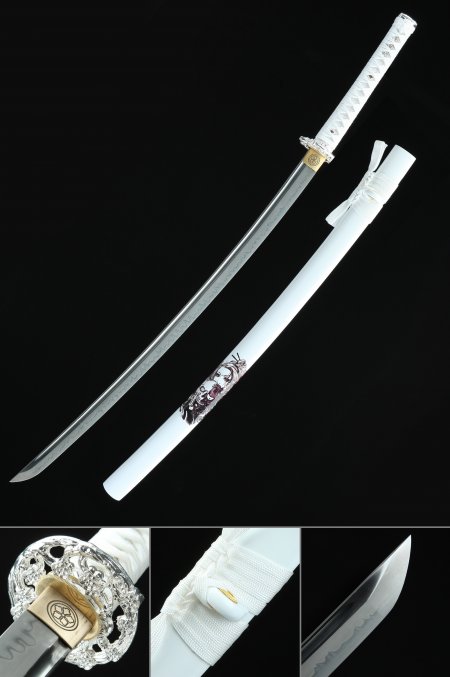
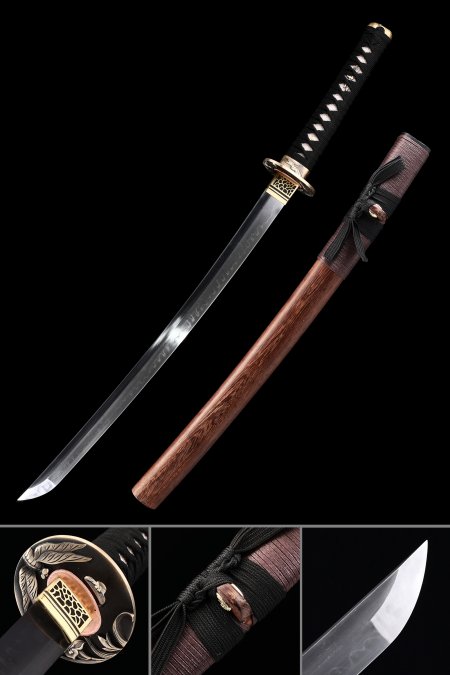
A genuine hamon is the visible boundary between the hardened edge zone (yakiba) and the softer spine (mune) created during differential quenching. It appears as a misty, undulating line running along the length of the blade - sometimes gentle and straight (suguha), sometimes dramatically active with peaks and valleys (midare). On T10 clay tempered naginata, this line forms organically based on how the clay was applied and how the blade cooled in the quench medium, meaning no two hamon are identical. The practical significance is that the hardened edge offers wear resistance while the softer spine provides flex - but for collectible purposes, the hamon is first and foremost a mark of authentic forging process. An acid-etched simulation can mimic the appearance superficially, but it lacks the crystalline depth and variation visible under direct light on a true clay tempered blade.