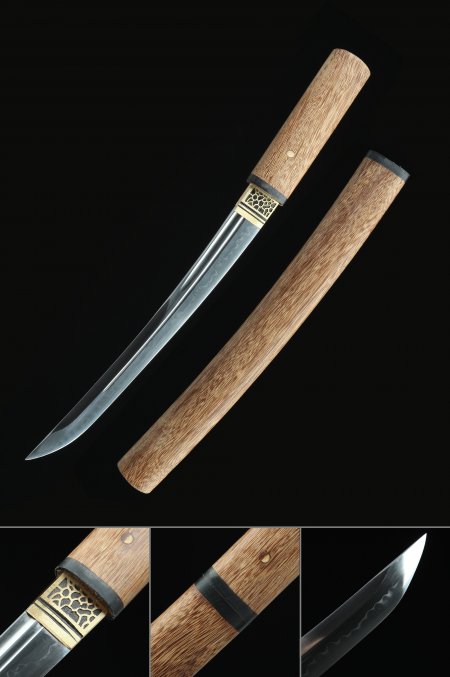
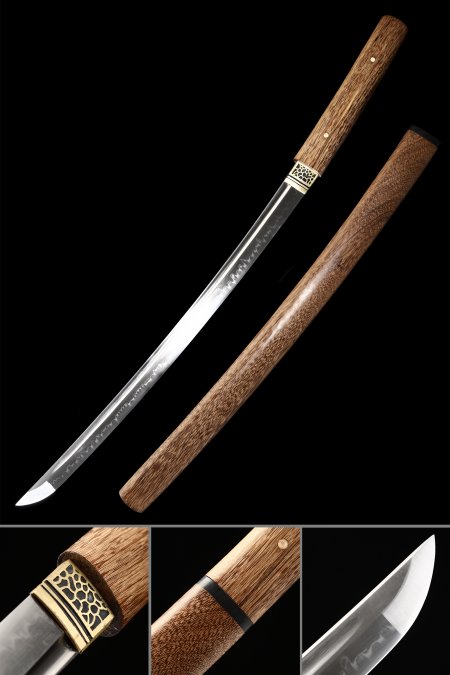
How does a manganese steel wakizashi differ from a 1095 carbon steel one?

 Updated Mar 2026

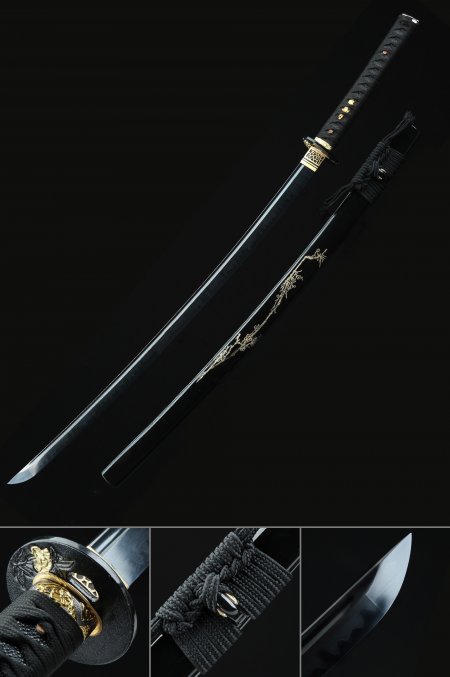
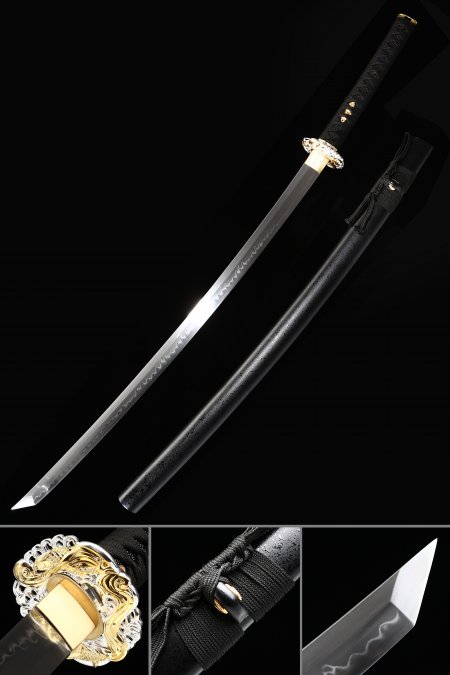
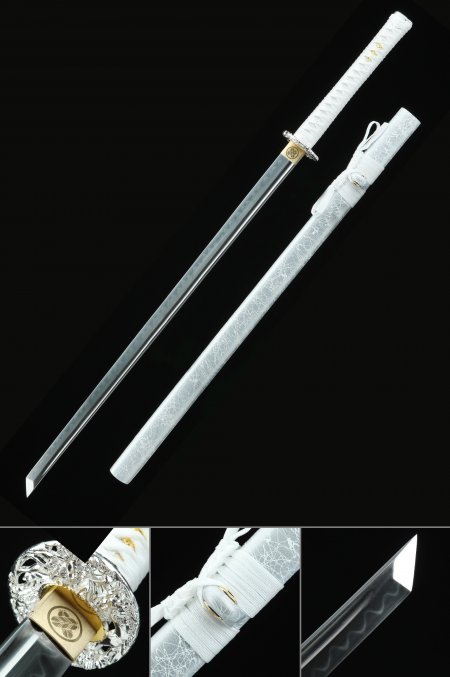
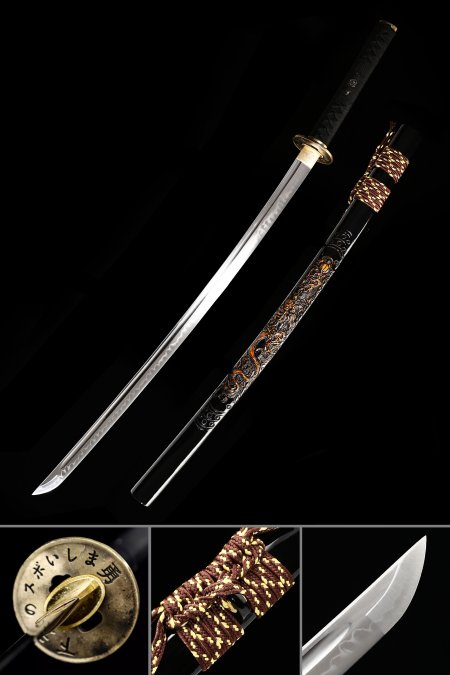
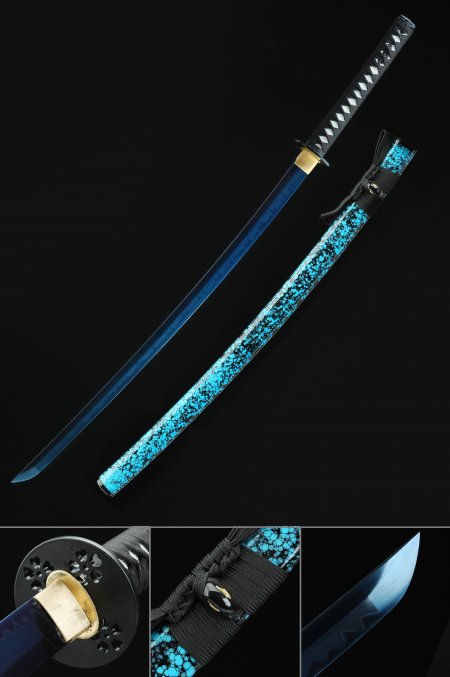
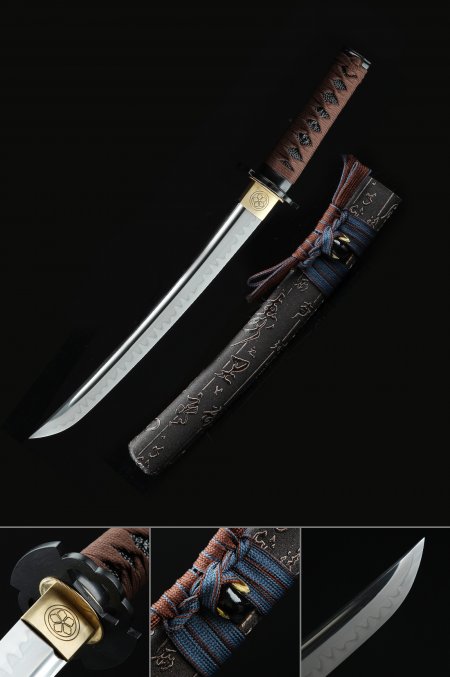
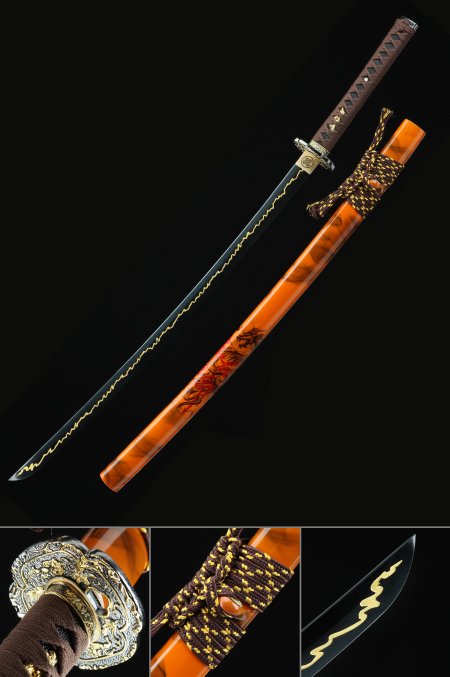
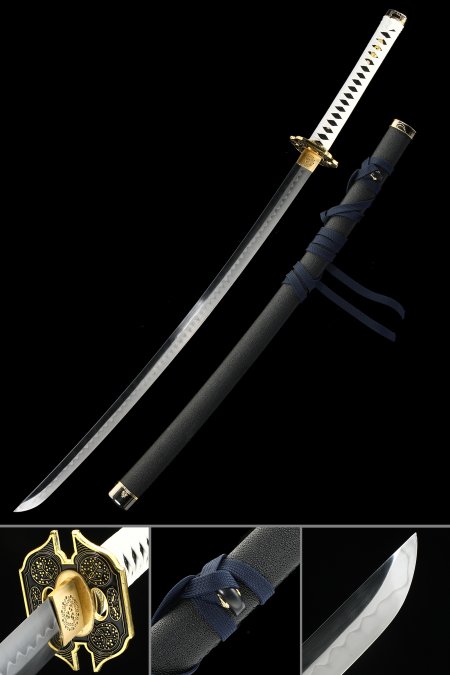
The core difference lies in alloy composition and the resulting surface character. A 1095 high-carbon steel wakizashi can be clay-tempered during heat treatment, producing an authentic hamon — the visible temper line along the blade — that many purists consider the hallmark of traditional Japanese craftsmanship. Manganese steel, by contrast, does not respond to clay tempering in the same way, but it compensates with greater surface uniformity and a bright, consistent finish that photographs and displays exceptionally well. Neither is strictly superior; they serve different collector priorities. Those drawn to historical accuracy and visible metallurgical character often prefer 1095 or T10, while collectors focused on visual impact, finish consistency, and long-term surface durability tend to favor high manganese options.
Popular Products

20% OFFjapanese katana
209.00 USD
259.00 USD
15% OFFshirasaya tanto
149.00 USD
179.00 USD
15% OFFblack katana
199.00 USD
229.00 USD
20% OFFshirasaya katana
209.00 USD
259.00 USD
15% OFFtanto sword
179.00 USD
209.00 USD
20% OFFfull tang katana
319.00 USD
399.00 USD
20% OFFblue katana
209.00 USD
259.00 USD
20% OFF
259.00 USD
329.00 USD
15% OFFpink katana
189.00 USD
219.00 USD
20% OFFchokuto sword
159.00 USD
199.00 USD
15% OFFshirasaya tanto
149.00 USD
179.00 USD
20% OFFwakizashi sword
219.00 USD
279.00 USD
20% OFFjapanese katana
209.00 USD
259.00 USD
15% OFFshirasaya tanto
149.00 USD
179.00 USD
15% OFFblack katana
199.00 USD
229.00 USD
20% OFFshirasaya katana
209.00 USD
259.00 USD
15% OFFtanto sword
179.00 USD
209.00 USD
20% OFFfull tang katana
319.00 USD
399.00 USD
20% OFFblue katana
209.00 USD
259.00 USD
20% OFF
259.00 USD
329.00 USD
15% OFFpink katana
189.00 USD
219.00 USD
20% OFFchokuto sword
159.00 USD
199.00 USD
15% OFFshirasaya tanto
149.00 USD
179.00 USD
20% OFFwakizashi sword
219.00 USD
279.00 USD

Explore Our Collections