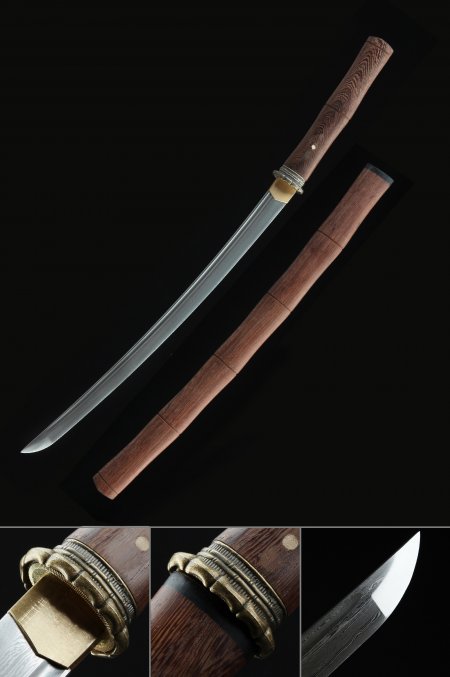
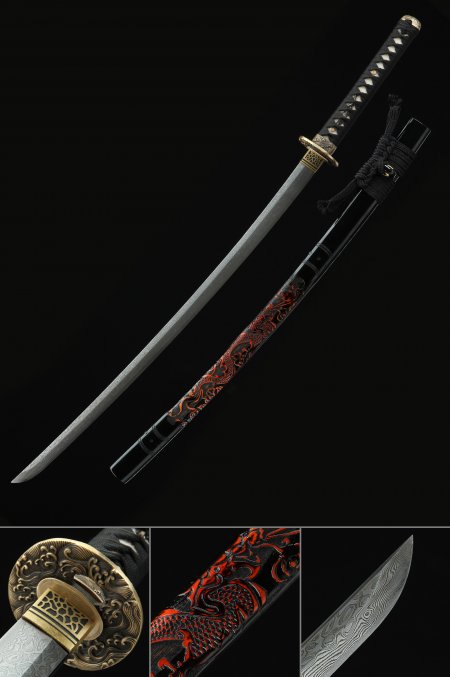
How does Damascus steel differ from clay-tempered carbon steel in these swords?

 Updated Mar 2026

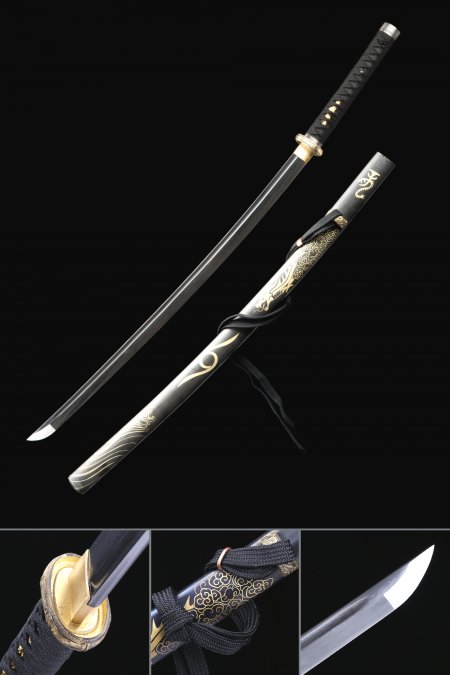
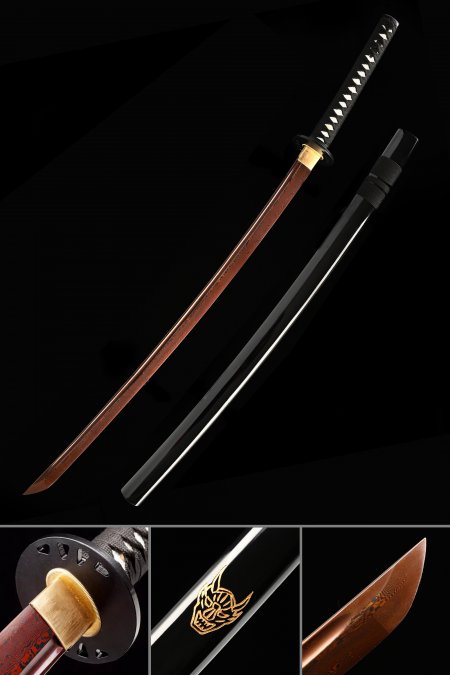
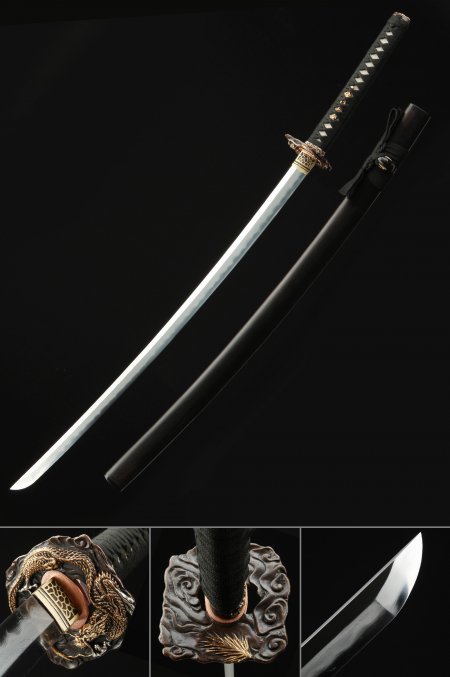
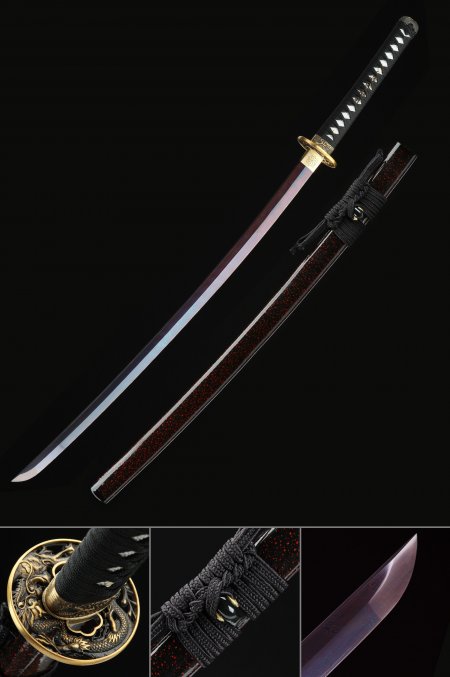
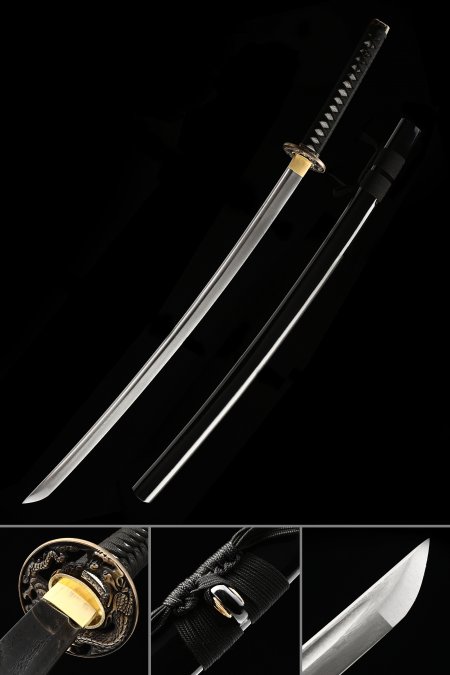
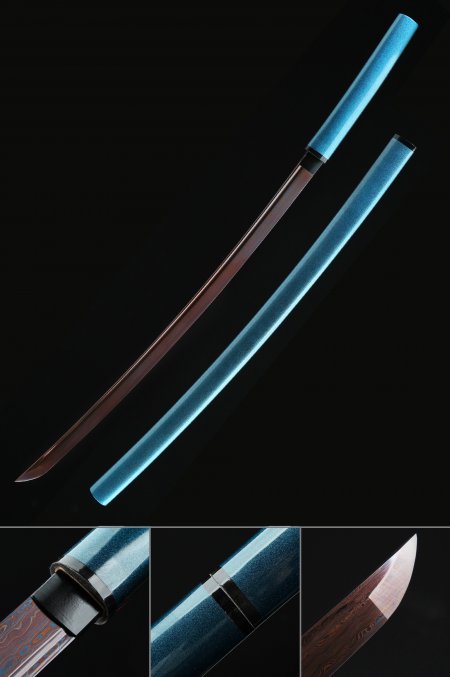
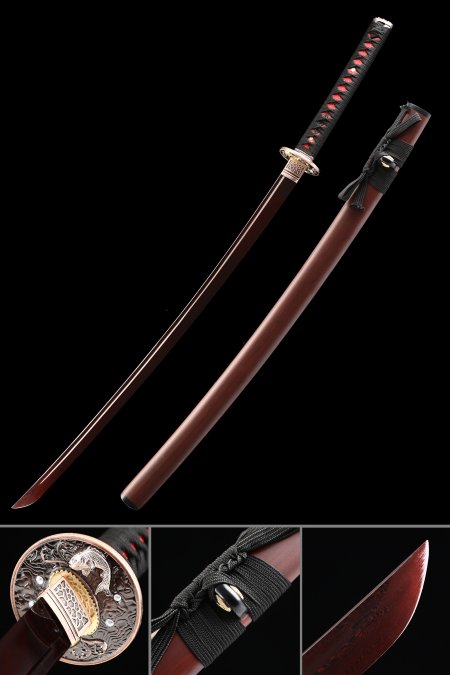
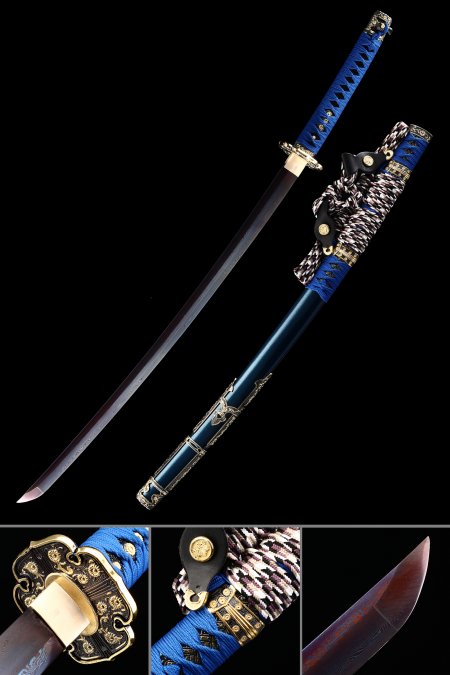
Damascus steel is produced by forge-welding multiple layers of steel with differing carbon content, then repeatedly folding and drawing out the billet. The result is a blade with flowing, woodgrain-like surface patterns that are genuinely unique to each sword - no two Damascus blades share the exact same visual texture. Clay-tempered carbon steel, used in steels like T10 and 1095, takes a different approach: a layer of clay is applied along the spine before quenching, causing the edge to harden faster than the body and producing a visible hamon - the undulating temper line - that is the defining mark of classical Japanese differential hardening. Damascus emphasizes visual complexity through patterning; clay tempering emphasizes the hamon as the primary aesthetic and metallurgical signature.
Popular Products

15% OFFkill bill sword
199.00 USD
229.00 USD
20% OFFsamurai sword
289.00 USD
359.00 USD
20% OFFblack katana
159.00 USD
199.00 USD
15% OFFgolden katana
199.00 USD
229.00 USD
20% OFFdamascus katana
619.00 USD
769.00 USD
15% OFFblack katana
179.00 USD
209.00 USD
15% OFFshirasaya katana
209.00 USD
249.00 USD
15% OFFww2 wakizashi
169.00 USD
199.00 USD
15% OFFreal katana
649.00 USD
769.00 USD
20% OFFdamascus katana
309.00 USD
389.00 USD
15% OFFshort katana
199.00 USD
239.00 USD
15% OFFkatana sword
199.00 USD
229.00 USD
15% OFFkill bill sword
199.00 USD
229.00 USD
20% OFFsamurai sword
289.00 USD
359.00 USD
20% OFFblack katana
159.00 USD
199.00 USD
15% OFFgolden katana
199.00 USD
229.00 USD
20% OFFdamascus katana
619.00 USD
769.00 USD
15% OFFblack katana
179.00 USD
209.00 USD
15% OFFshirasaya katana
209.00 USD
249.00 USD
15% OFFww2 wakizashi
169.00 USD
199.00 USD
15% OFFreal katana
649.00 USD
769.00 USD
20% OFFdamascus katana
309.00 USD
389.00 USD
15% OFFshort katana
199.00 USD
239.00 USD
15% OFFkatana sword
199.00 USD
229.00 USD

Explore Our Collections