Does a 1065 carbon steel sword produce a real hamon?
Updated Feb 2026
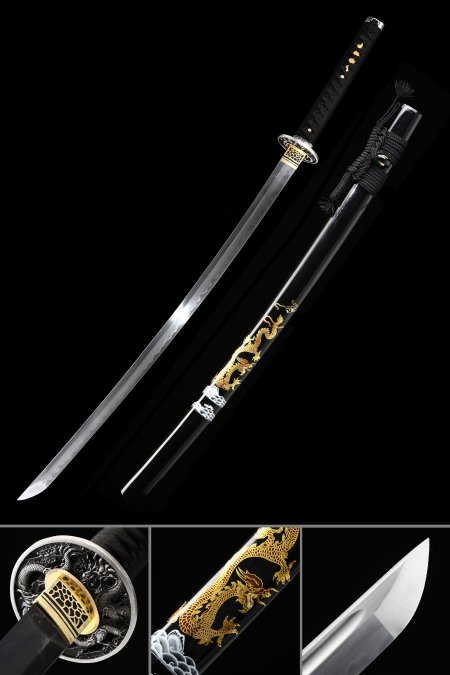
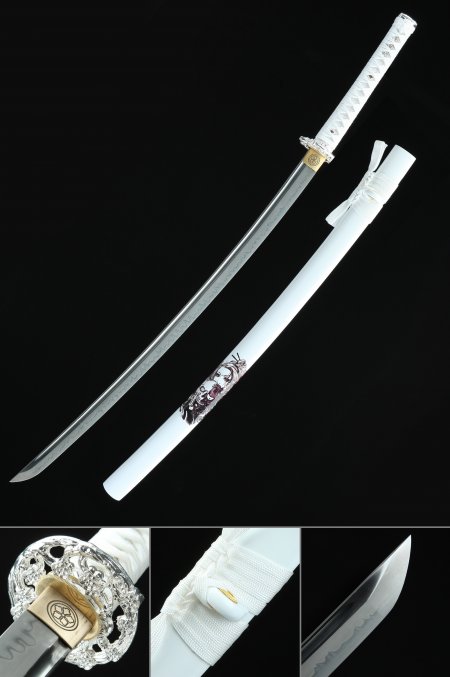
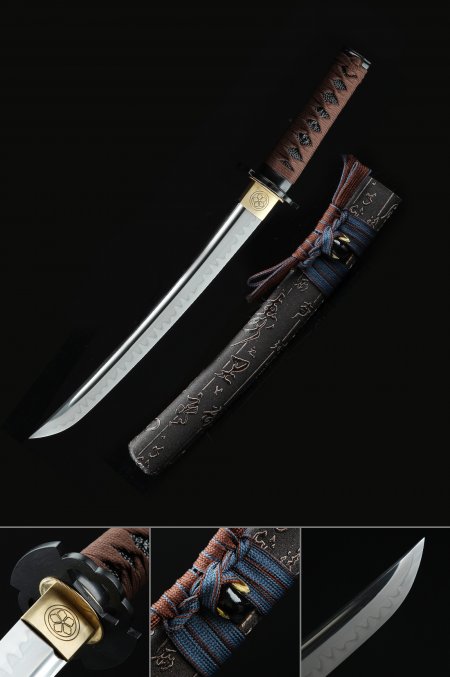
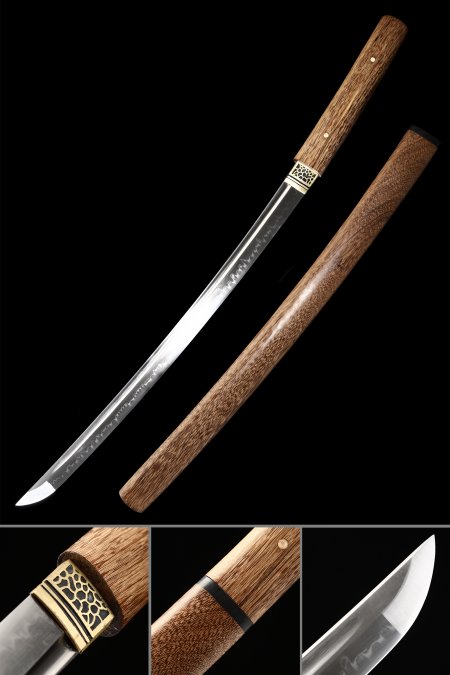
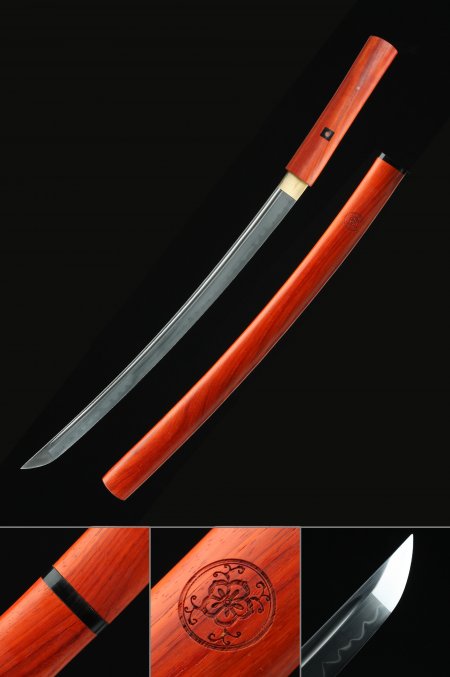
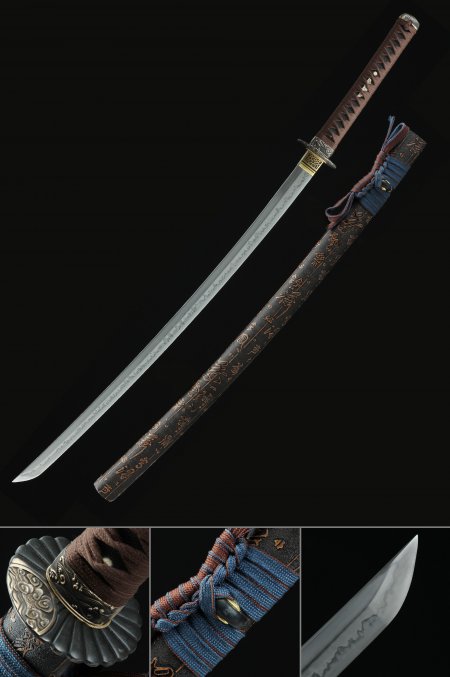
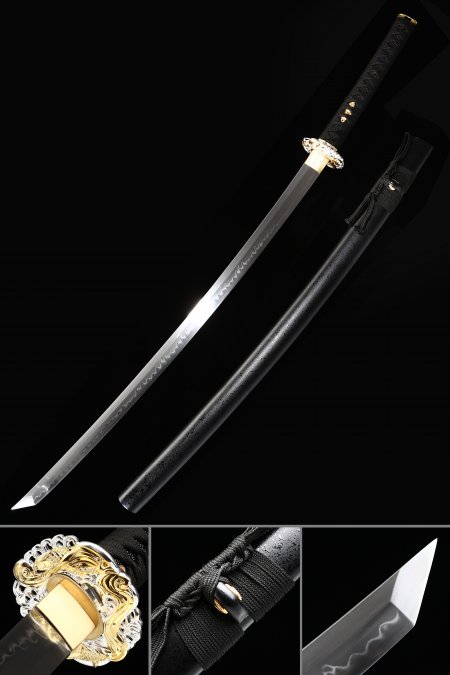
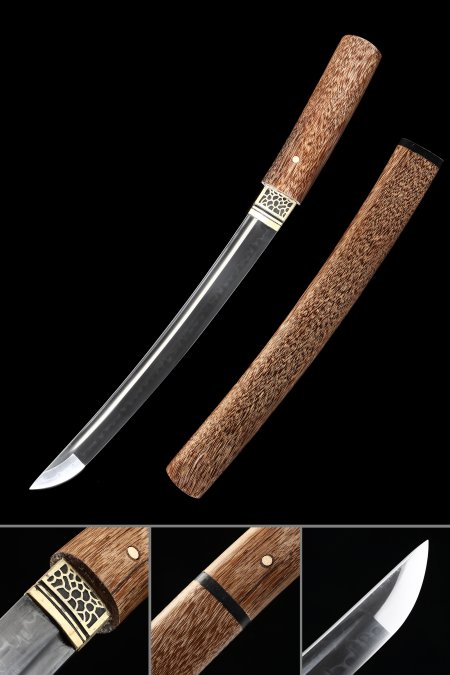
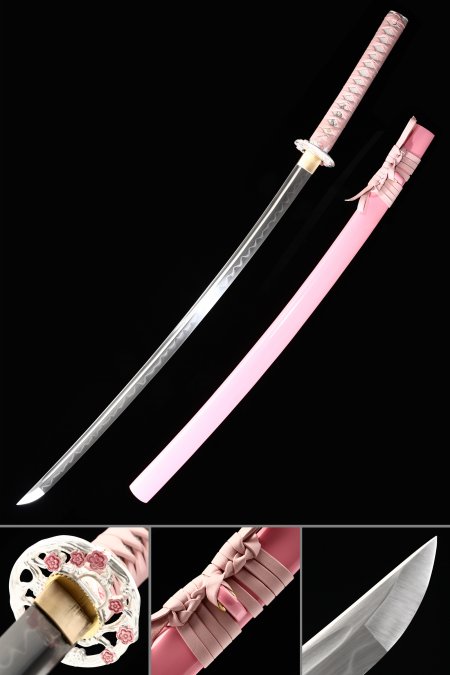
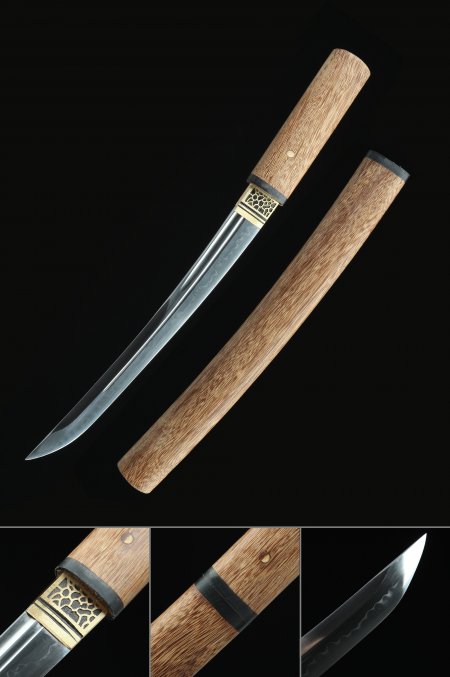
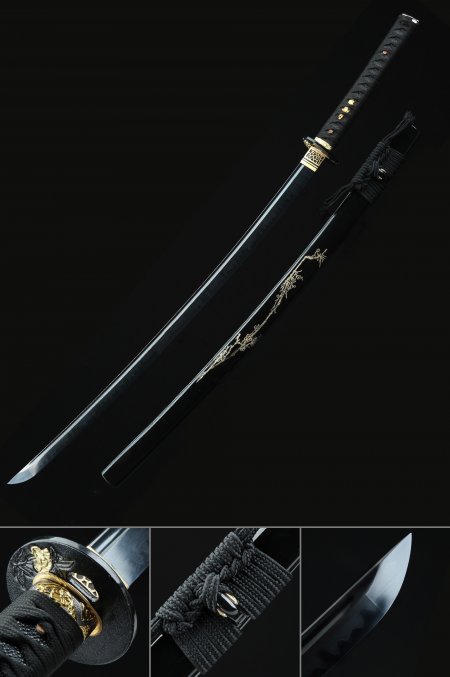
Yes. A 1065 carbon steel sword produced through proper heat treatment - heating to critical temperature and quenching in a controlled medium - develops a genuine hamon, the visible line along the blade's edge created by the differential hardening between the edge zone and the spine. The hamon on a 1065 blade through conventional heat treatment is typically less defined and shows less of the fine activity - the nie and nioi crystals visible in the transition zone - than a T10 blade clay-tempered through the traditional Japanese process. However, it is a real differential hardening line produced by the actual heat treatment of the steel, not a cosmetic feature ground or etched into the surface of a uniformly treated blade. The distinction matters to collectors who care about the technical reality of the sword they display: a 1065 sword with a real hamon is a more authentically produced object than a higher-carbon steel sword with a simulated hamon, even if the visual result of a clay-tempered T10 is more dramatic.