How does Damascus steel differ from T10 in a naginata blade?
Updated Mar 2026
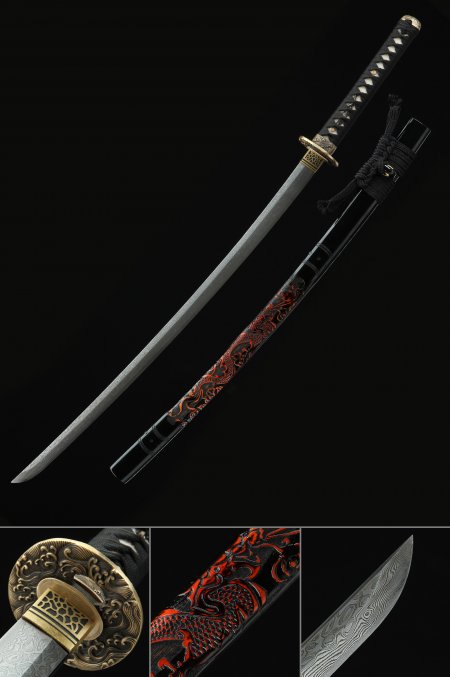
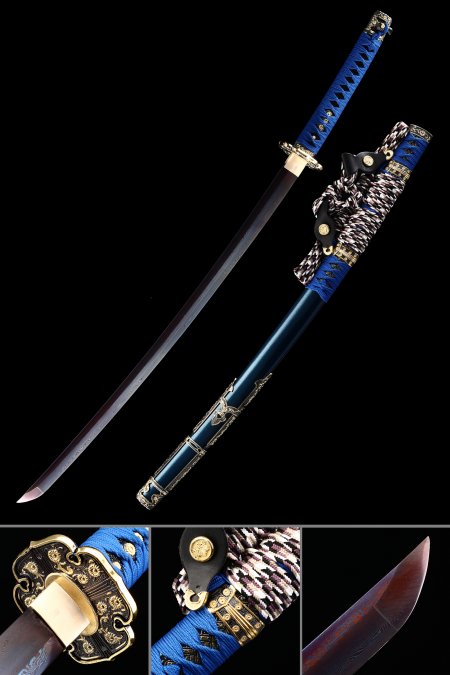
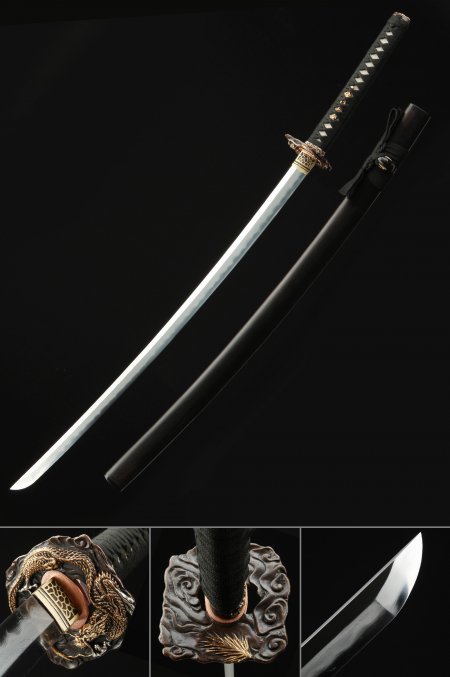
Damascus pattern steel and T10 tool steel represent two distinct approaches to blade character. Damascus is produced by layering and folding multiple steel compositions, then manipulating the billet to bring out a flowing, organic grain pattern on the surface. The visual result is unique to each blade — no two Damascus naginata will have identical patterning. T10 tool steel takes a different path: it's a high-carbon steel prized for its response to clay tempering. When a T10 blade is clay tempered, the differential cooling between the coated spine and exposed edge creates a genuine hamon, the undulating temper line visible along the blade. Damascus emphasizes visual individuality through surface pattern; T10 emphasizes authentic Japanese tempering craft. Collectors often choose based on whether they prioritize surface artistry or traditional heat-treat methodology.