How do tsuba designs affect a sword's collectible value?
Updated Mar 2026
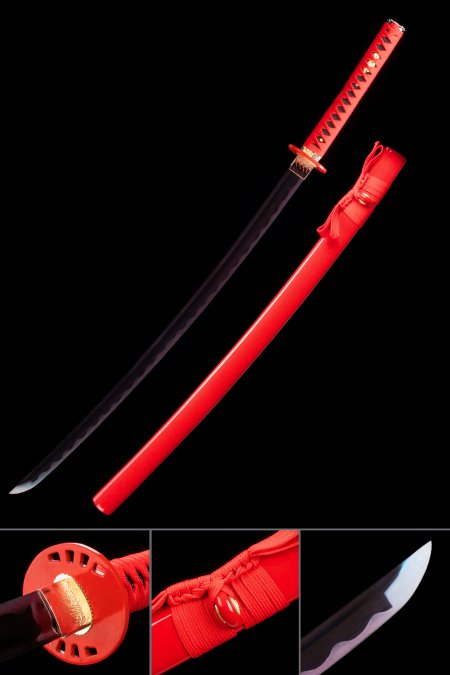
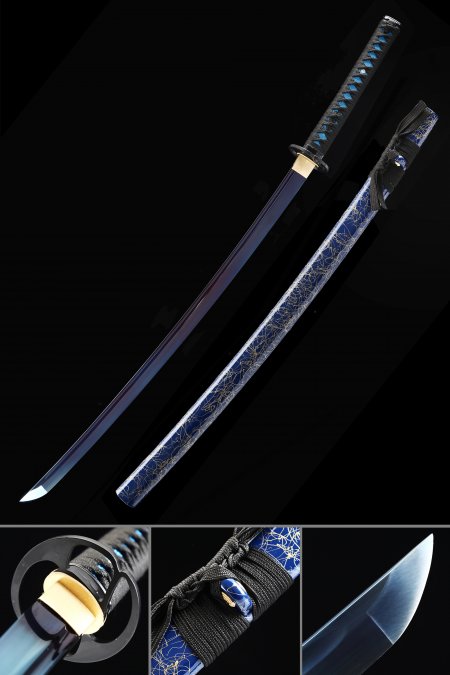
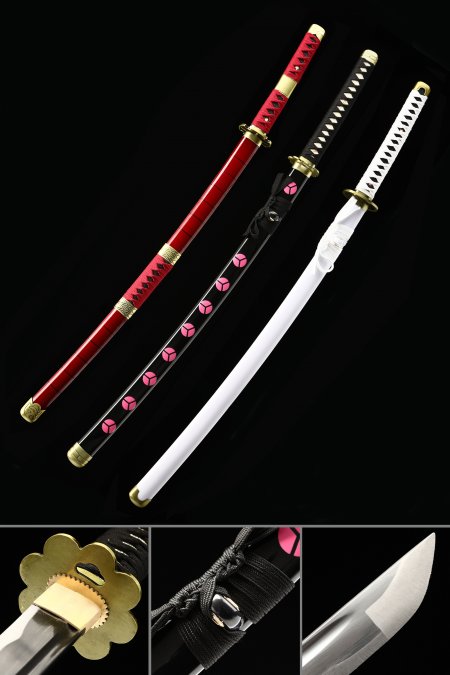
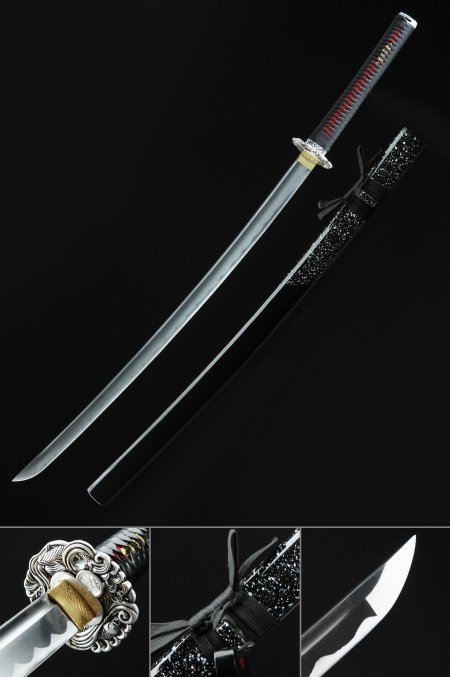
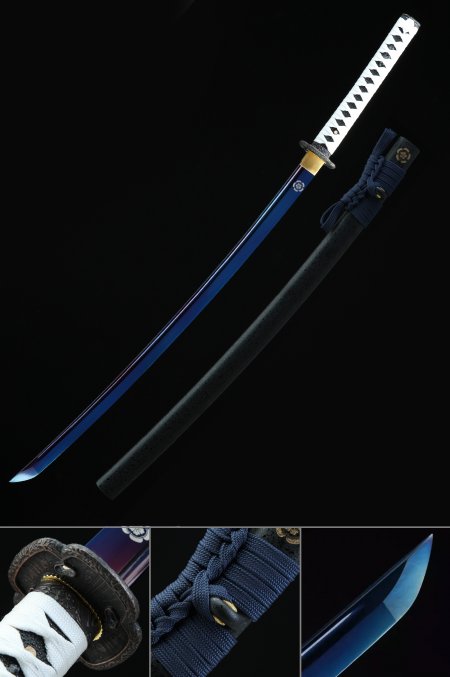
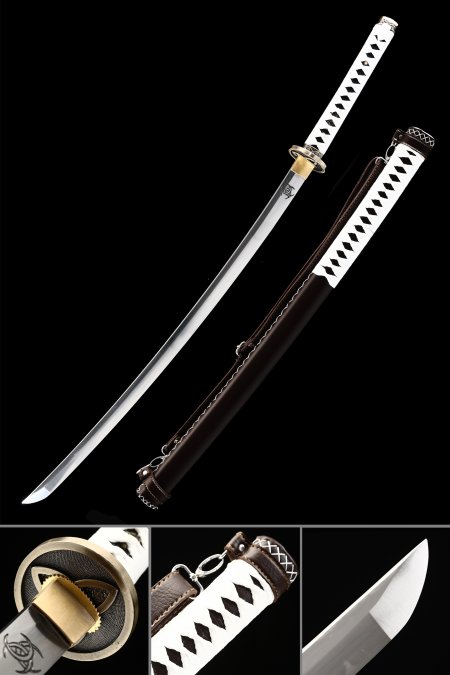
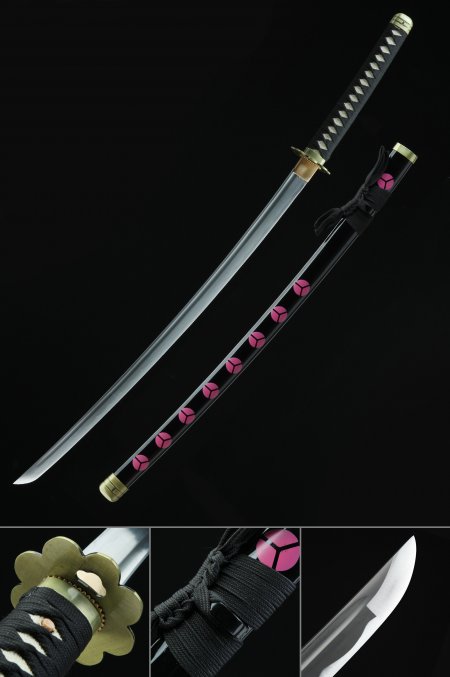
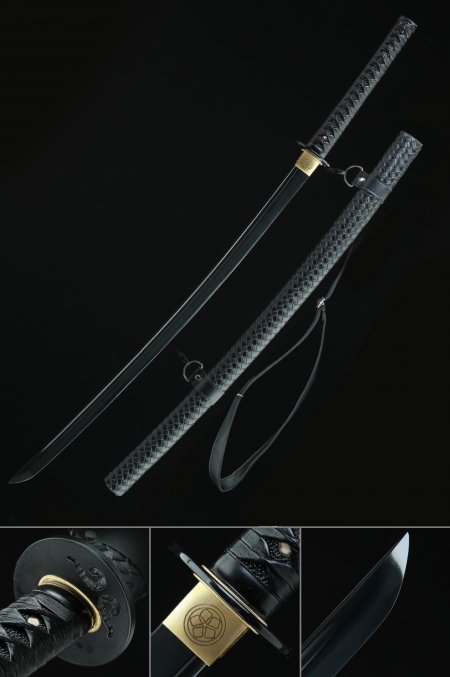
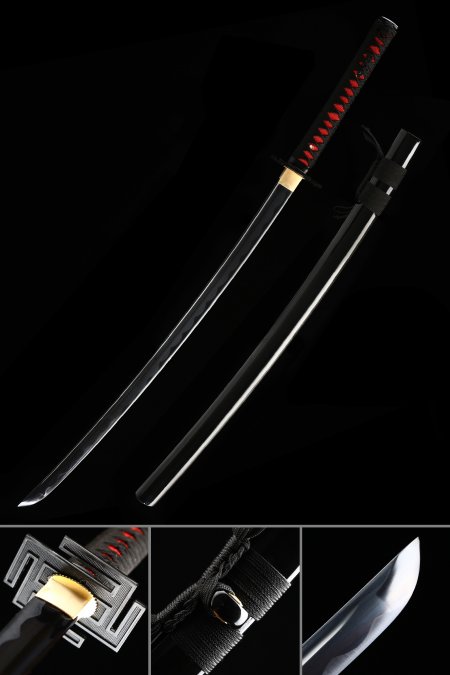
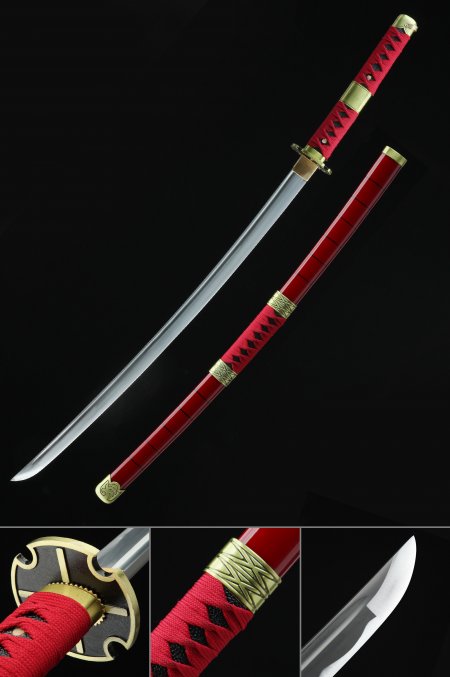
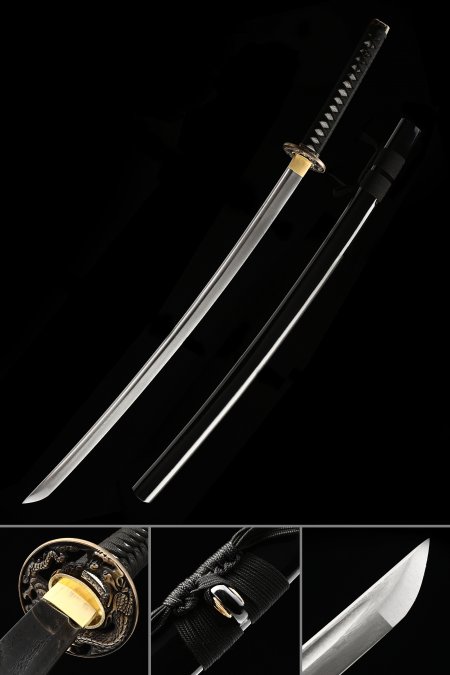
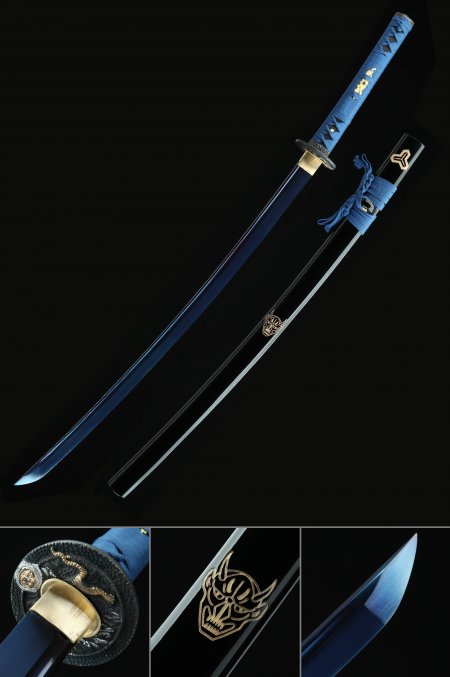
The tsuba - the hand guard positioned between the blade and the handle - is one of the most studied components in Japanese sword collecting, and historically was often collected independently of the blade itself. Design motifs carry cultural and symbolic weight: chrysanthemum patterns are associated with imperial refinement, lotus designs with Buddhist symbolism and purity, and dragon imagery with strength and protection in East Asian tradition. In terms of construction, tsuba in this collection are cast or forged in brass or iron and may feature engraved, pierced (sukashi), or relief-worked surfaces. A well-executed tsuba with a coherent design relationship to the rest of the mountings - saya color, ito wrap, fuchi and kashira - contributes significantly to a piece's overall aesthetic integrity. Collectors evaluating a handmade sword as a display piece should consider the fittings as a unified composition rather than assessing the blade in isolation.