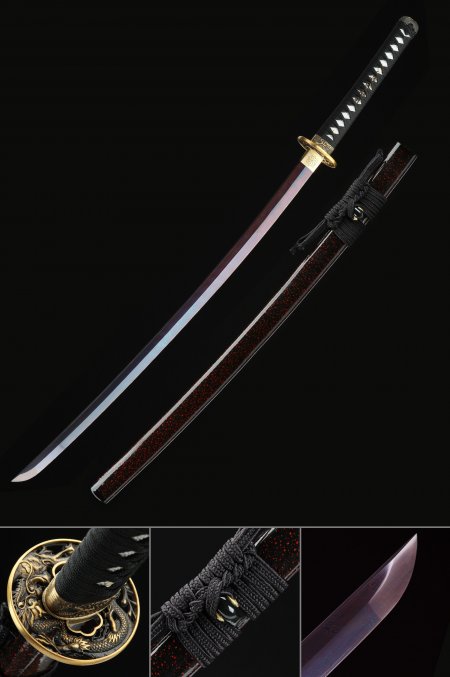
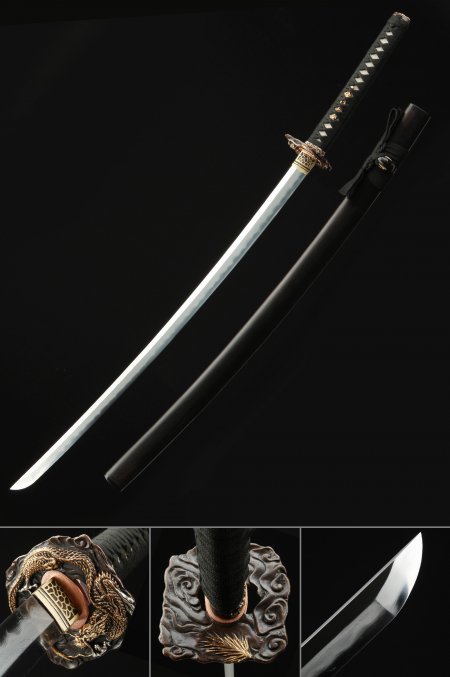
What makes Damascus steel visually distinct on a ninjato blade?

 Updated Mar 2026

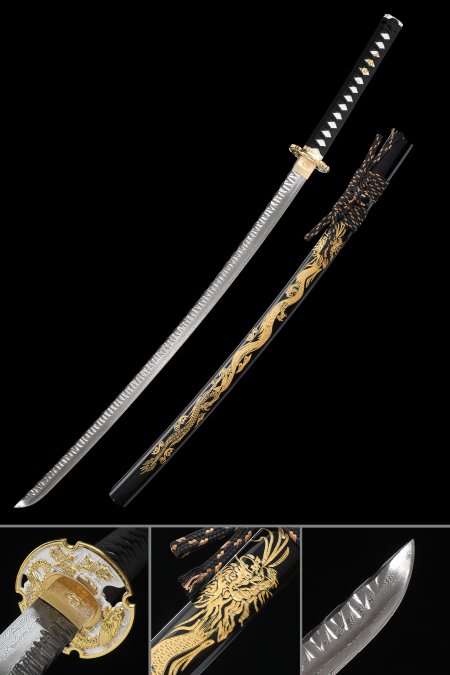
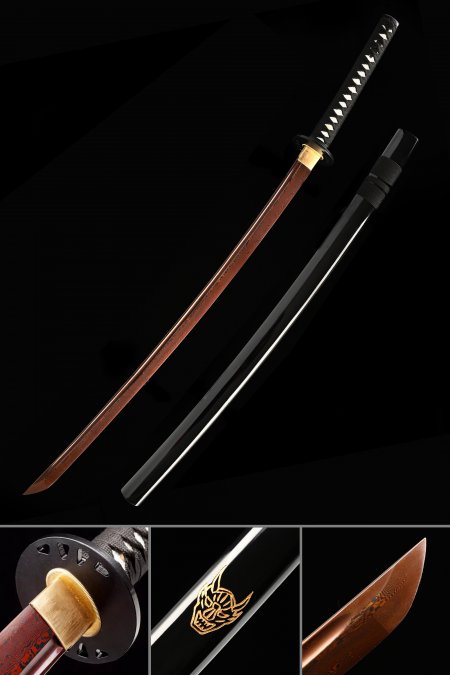
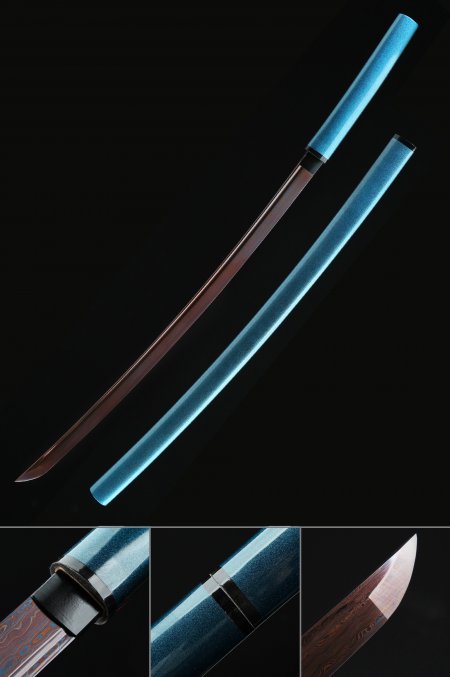
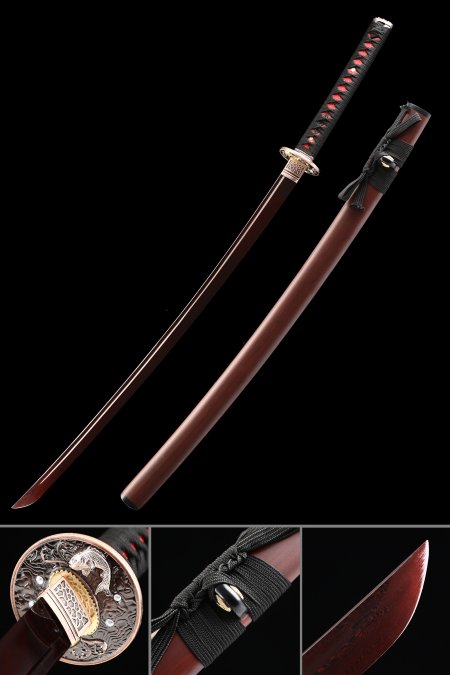
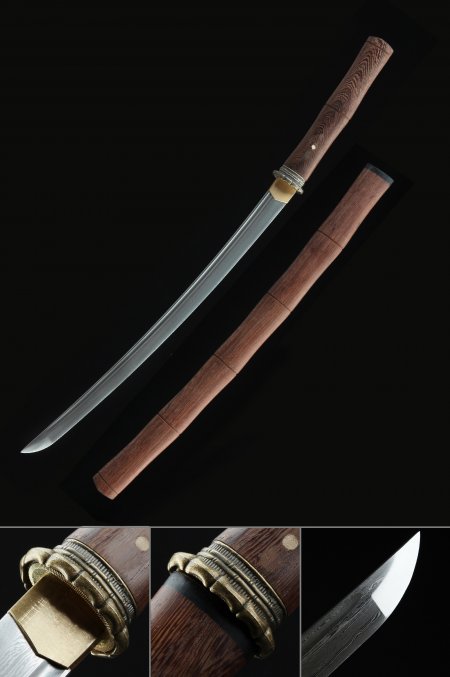
Damascus steel is produced by folding and forge-welding multiple layers of steel together, then etching the finished blade with acid. The etching reacts differently to the varied carbon content across layers, revealing undulating wave, ladder, or raindrop patterns - collectively called hada - across the blade's surface. On a straight ninjato blade, these patterns run uninterrupted along a longer flat plane than on a curved blade, making the layering exceptionally visible and photogenic under display lighting. No two Damascus billets produce identical patterns, so each collectible ninjato carries a surface design that is genuinely one-of-a-kind.
Popular Products

15% OFFshort katana
199.00 USD
239.00 USD
20% OFFtachi sword
249.00 USD
309.00 USD
20% OFFsamurai sword
289.00 USD
359.00 USD
20% OFFdamascus katana
329.00 USD
409.00 USD
20% OFFmodern wakizashi
209.00 USD
259.00 USD
20% OFFdamascus katana
279.00 USD
349.00 USD
15% OFFkill bill sword
199.00 USD
229.00 USD
15% OFFshirasaya katana
209.00 USD
249.00 USD
15% OFFblack katana
179.00 USD
209.00 USD
15% OFFkatana sword
199.00 USD
239.00 USD
20% OFFjapanese katana
229.00 USD
289.00 USD
20% OFFdamascus katana
619.00 USD
769.00 USD
15% OFFshort katana
199.00 USD
239.00 USD
20% OFFtachi sword
249.00 USD
309.00 USD
20% OFFsamurai sword
289.00 USD
359.00 USD
20% OFFdamascus katana
329.00 USD
409.00 USD
20% OFFmodern wakizashi
209.00 USD
259.00 USD
20% OFFdamascus katana
279.00 USD
349.00 USD
15% OFFkill bill sword
199.00 USD
229.00 USD
15% OFFshirasaya katana
209.00 USD
249.00 USD
15% OFFblack katana
179.00 USD
209.00 USD
15% OFFkatana sword
199.00 USD
239.00 USD
20% OFFjapanese katana
229.00 USD
289.00 USD
20% OFFdamascus katana
619.00 USD
769.00 USD

Explore Our Collections