What is a shirasaya, and how does it differ from standard koshirae?
Updated Mar 2026
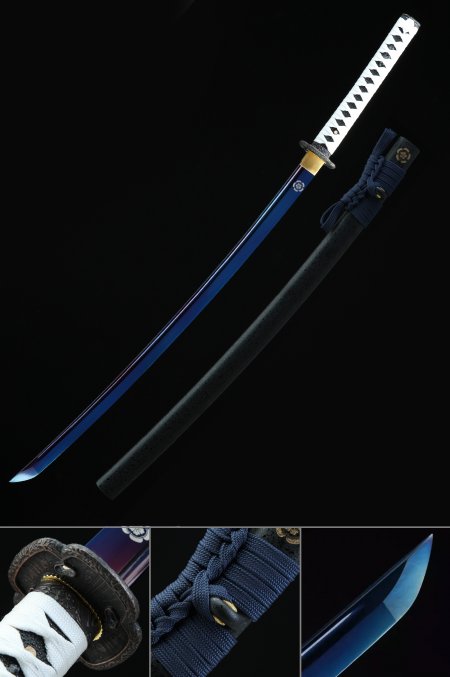
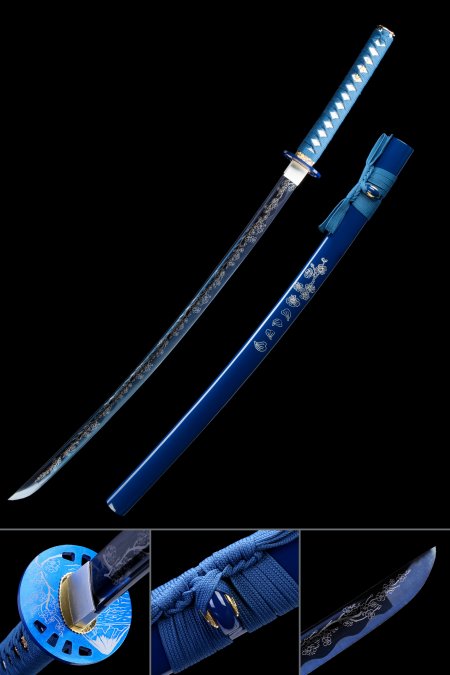
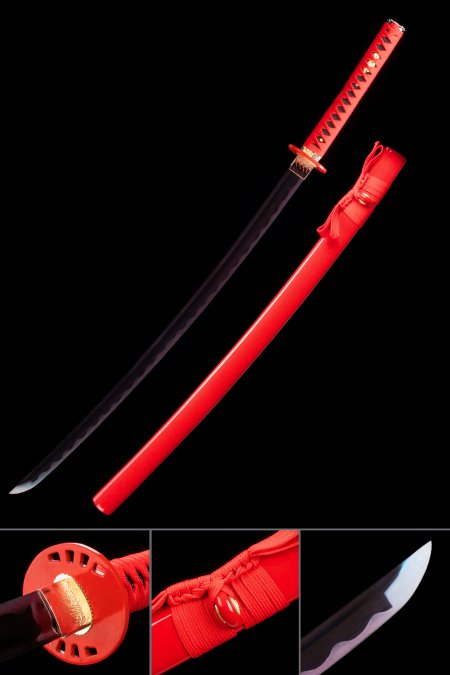
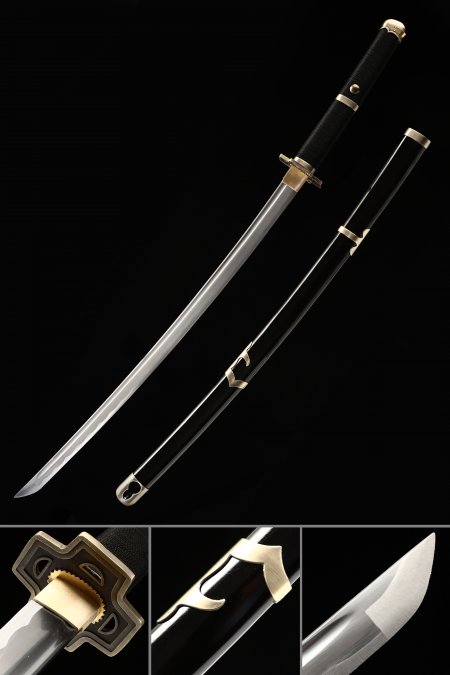
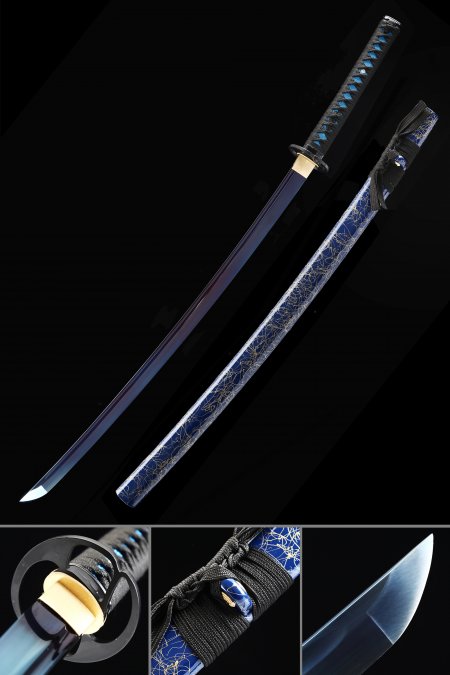
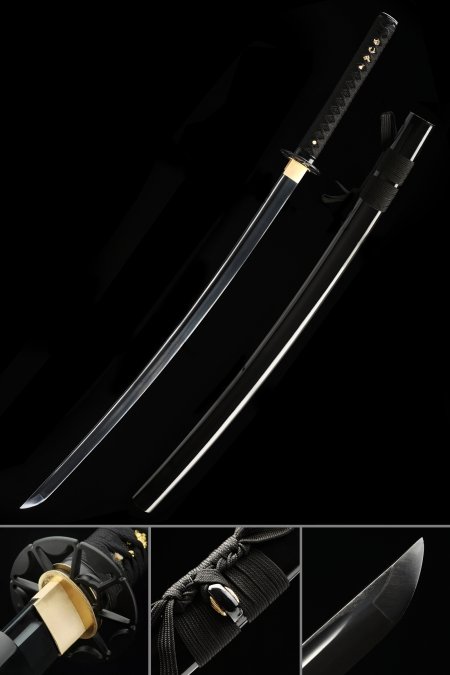
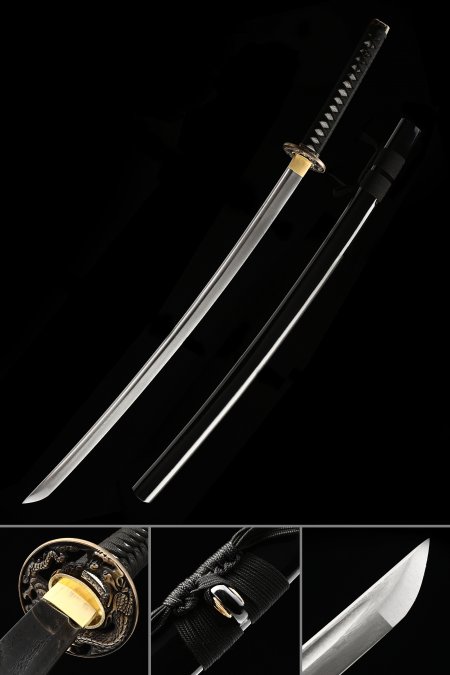
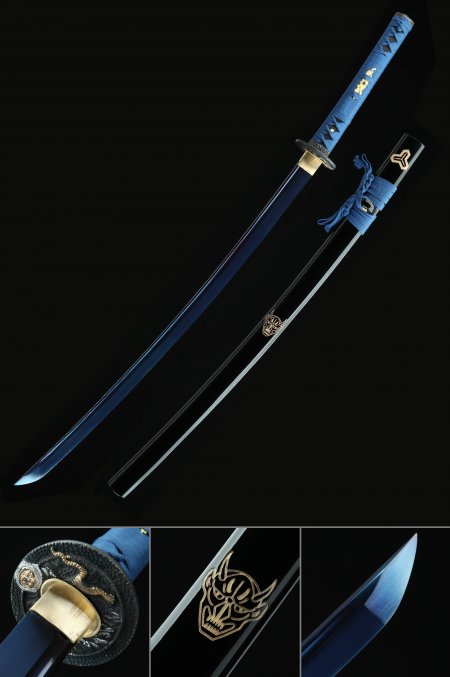
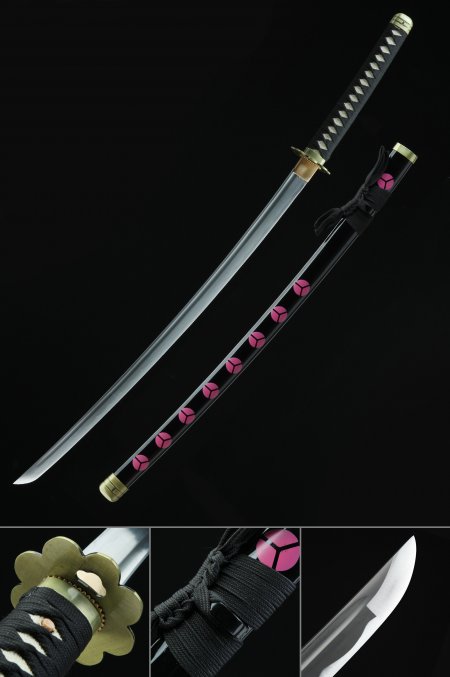
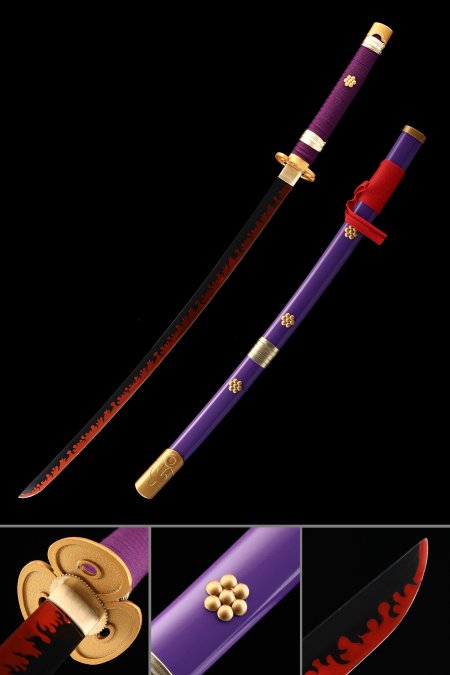
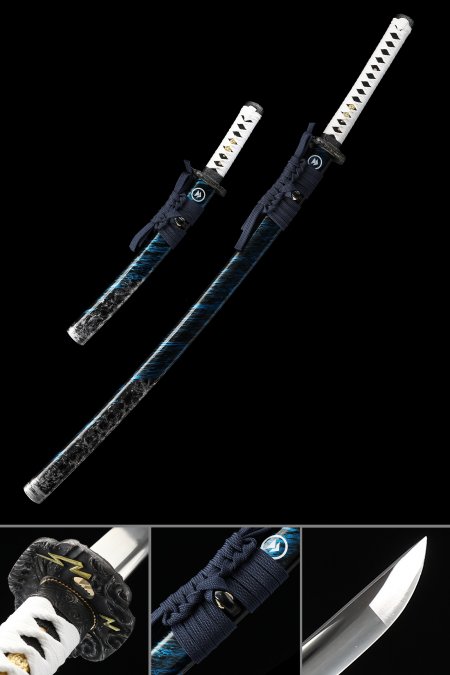
Shirasaya refers to a plain, unadorned mounting style consisting of a simple wooden handle (tsuka) and matching wooden saya, typically left in a natural or lightly finished state without wrapping, tsuba, or metal fittings. Historically, shirasaya was used in Japan for storing blades when they were not in active use, as the minimal fittings reduce the risk of moisture-trapping and allow easy inspection of the blade. Standard koshirae, by contrast, features a wrapped tsuka, a decorative tsuba, menuki, and often lacquered or fitted saya. For collectors, shirasaya mounts place all visual focus on the blade itself - its geometry, polish, and hamon - while fully mounted koshirae offer a richer display of traditional ornamental craft. Both styles hold legitimate places in a thoughtfully assembled collection.