What makes a lotus tsuba different from standard tsuba designs?
Updated Mar 2026
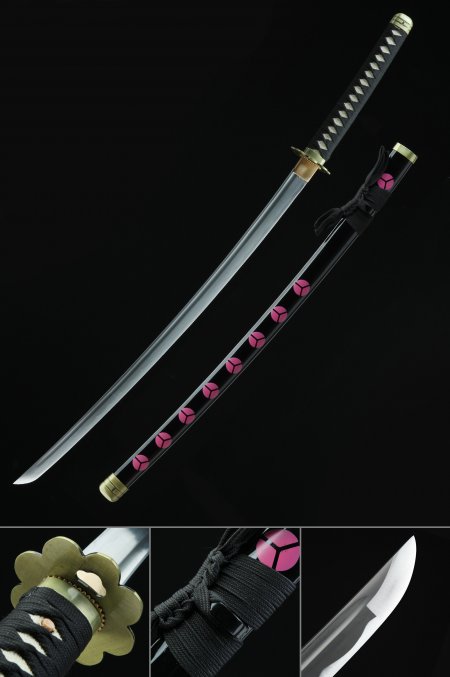
A lotus tsuba is distinguished by its botanical relief work — petals, leaves, buds, or full blossoms are rendered in cast or engraved metal, typically copper, bronze, or alloy. Unlike geometric or abstract tsuba patterns, the lotus motif carries specific cultural meaning rooted in Buddhist and East Asian artistic traditions, symbolizing purity rising from imperfection. Collectors value lotus tsuba not only for aesthetic appeal but for this symbolic depth, which connects the fitting to a broader history of decorative metalwork in Japan and China. The craftsmanship involved in achieving fine petal definition in cast copper or bronze is also a meaningful quality indicator when evaluating display-grade pieces.