FAST SHIP
15 Reviews
ON SALE 15% OFF
$179.00$209.00

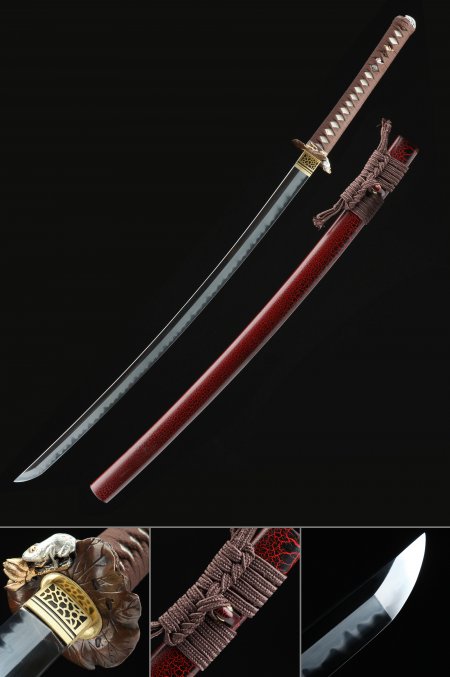
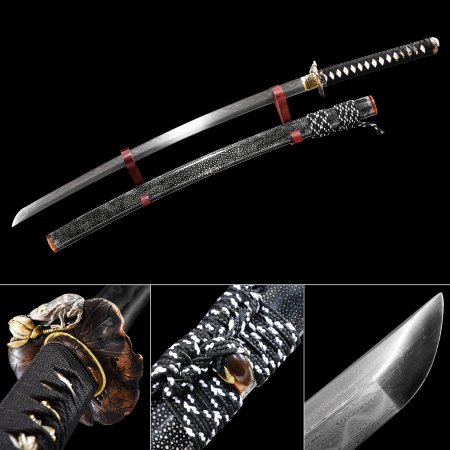
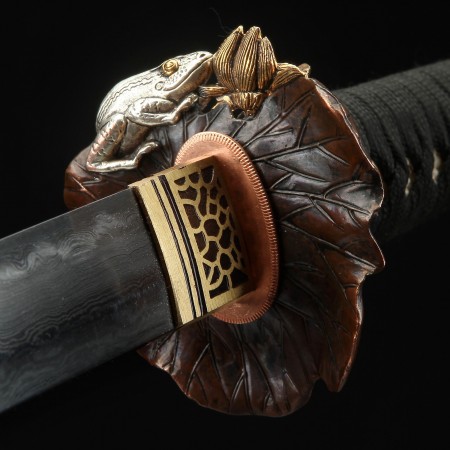
Lotus tsuba katana collections unite traditional Japanese sword aesthetics with the refined symbolism of the lotus — a motif representing purity, resilience, and enlightenment in East Asian art. Each piece in this collection features a hand-crafted guard rendered in copper, bronze, or alloy, pairing naturally with blades of Damascus, T10, or high-carbon manganese steel. Whether displayed beside a scholar's desk or mounted as a centerpiece, these katana reward close attention with layered detail. Enjoy free standard shipping on every order, backed by our hassle-free return policy.
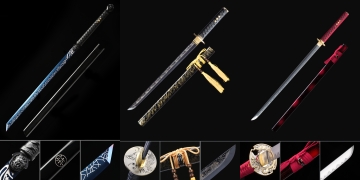
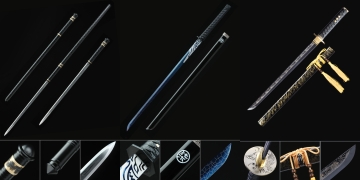
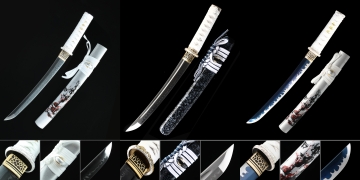
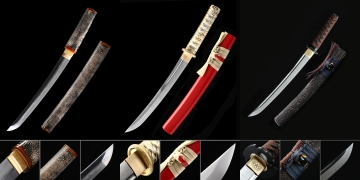
Very fast shipping and quality was really really amazing for the price am very happy with this and will most likely continue shopping here in the future!
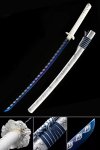 |
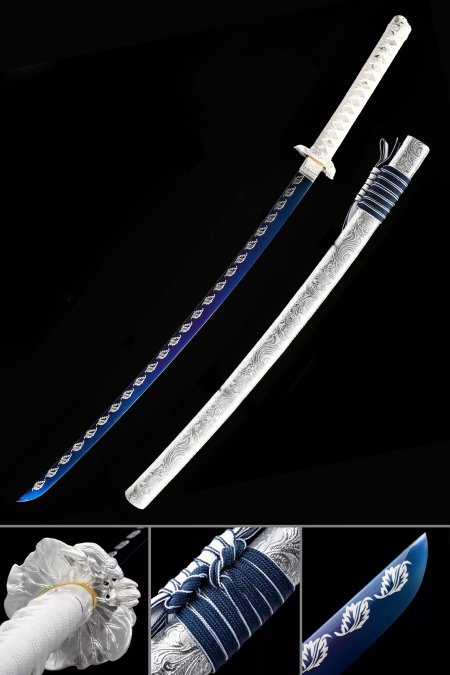
Manganese Steel Blue Printed Katana with Silver PU Leather Saya and Lotus Alloy Tsuba - Full Tang Samurai Sword |
OMG!!! I received my order on time for the holidays and it looks even better in person. The details were beautiful. My daughter was so excited about her katana, I ordered her another
|
Manganese Steel Blue Printed Katana with Silver PU Leather Saya and Lotus Alloy Tsuba - Full Tang Samurai Sword |
Very sharp. Only bought it for display till the zombie apocalypse
|
Manganese Steel Blue Printed Katana with Silver PU Leather Saya and Lotus Alloy Tsuba - Full Tang Samurai Sword |
Very good and well made katana I will be buying another from you guys really soon.
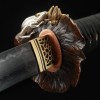 |
Damascus Steel Katana with Copper Lotus Leaf Tsuba - Frog & Lotus Bud Motif, Black Wrap |
Very happy with weight, balance. Sharpness is what I expected. Color and art work very nice. Met my expectations. Thank you
|
Damascus Steel Katana with Copper Lotus Leaf Tsuba - Frog & Lotus Bud Motif, Black Wrap |
Yess!!! My husband loved his new sword. As long as he happy I’m happy. It looked just like the picture, and the sword is perfect.
|
Manganese Steel Blue Printed Katana with Silver PU Leather Saya and Lotus Alloy Tsuba - Full Tang Samurai Sword |
My second purchase arrived ahead of schedule.
Delivered to my door(apartment building).
Professionally packaged with care.
Beautiful craftsmanship and quality.
The pictures on the website do as much justice as can be had with a picture.
Indicating professional level photography.
You will not be displeased with your purchase!
|
Manganese Steel Blue Printed Katana with Silver PU Leather Saya and Lotus Alloy Tsuba - Full Tang Samurai Sword |
Got here fast ! No shipping delays. Beautiful sword, sharp, heavier than I expected. Very tight tolerances
|
Damascus Steel Katana with Copper Lotus Leaf Tsuba - Frog & Lotus Bud Motif, Black Wrap |