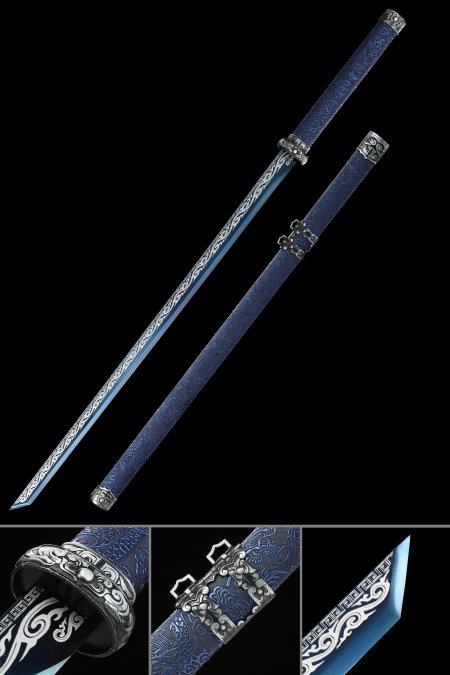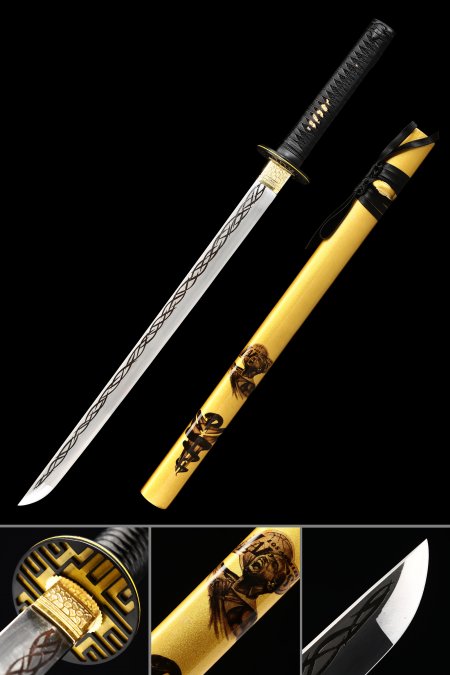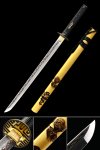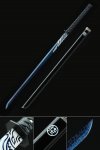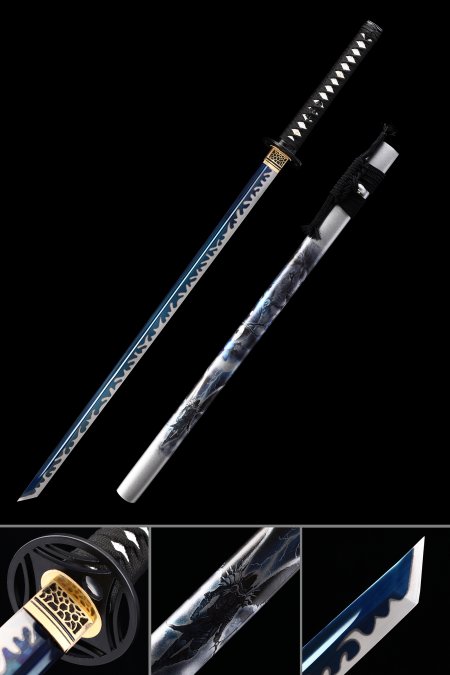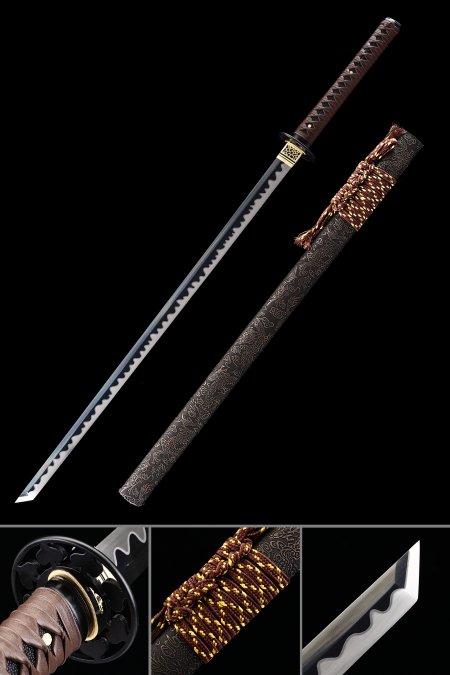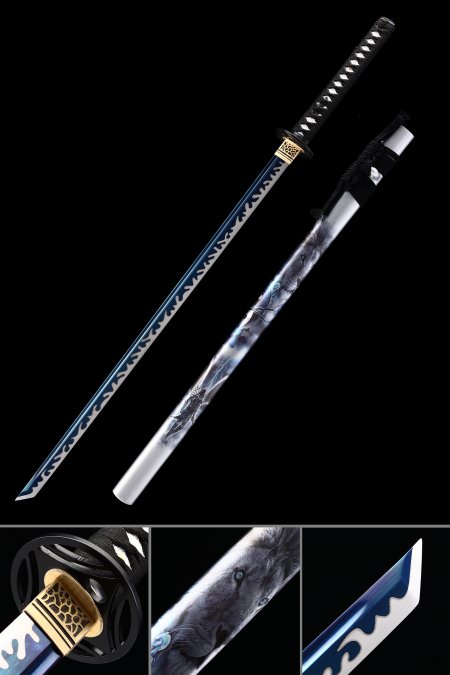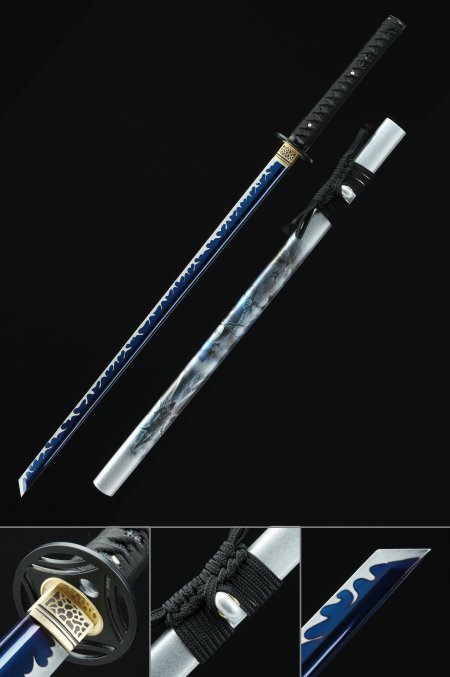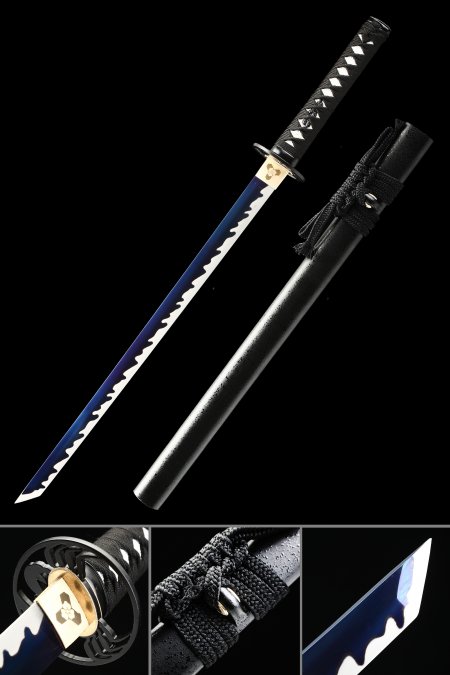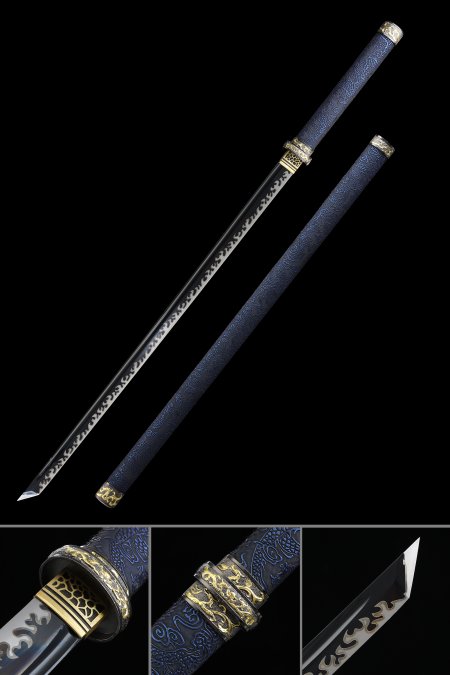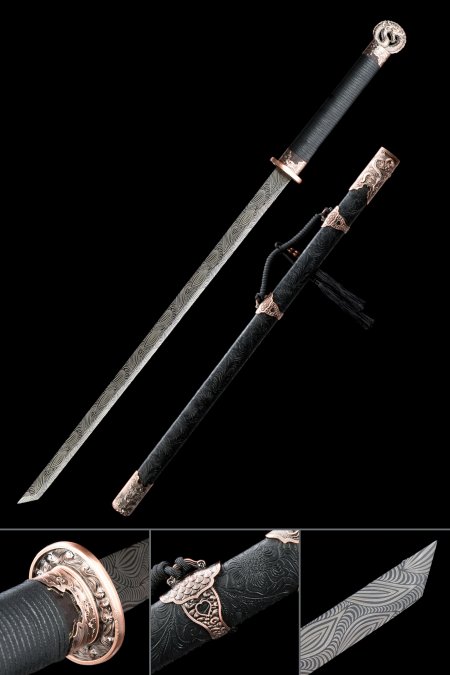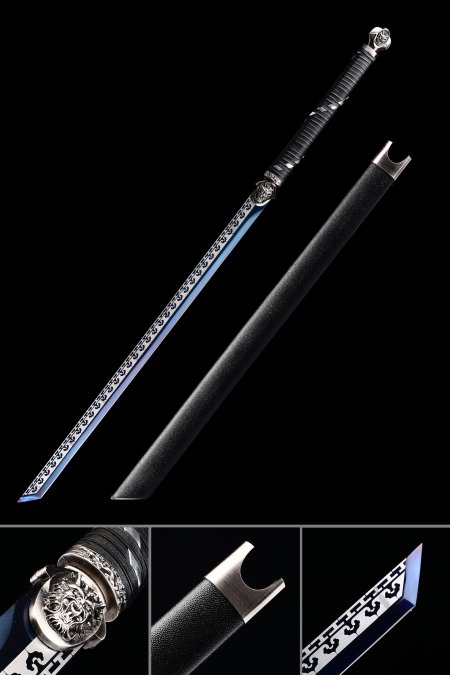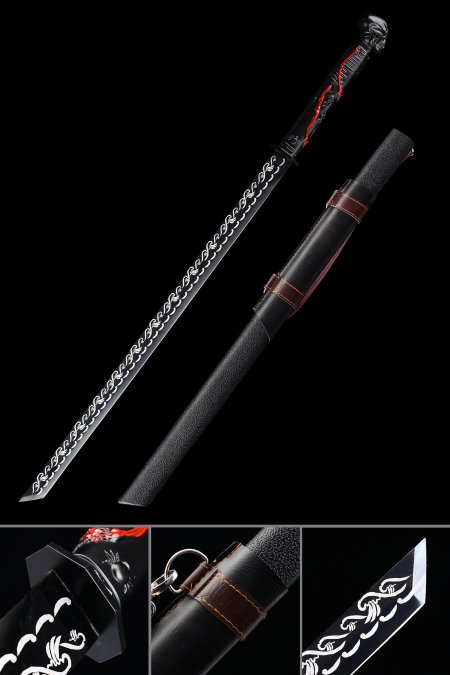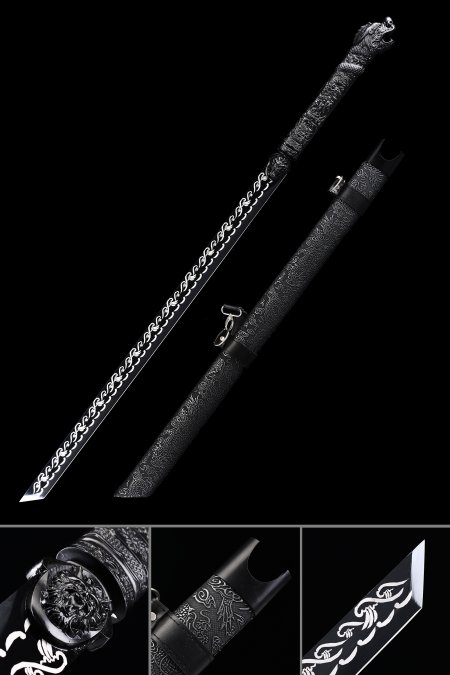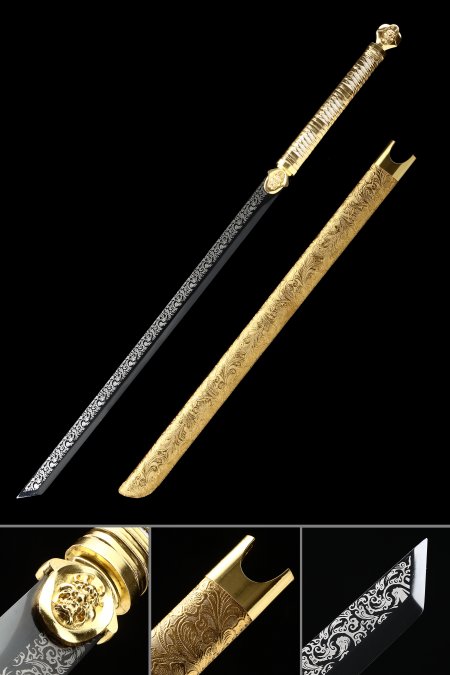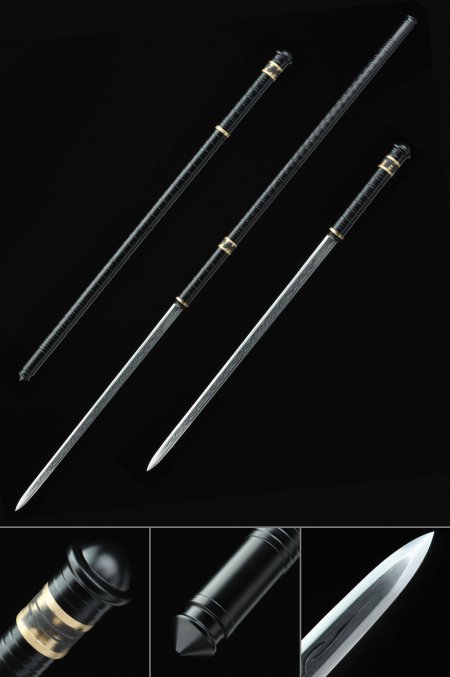
Wave Blade Ninjato

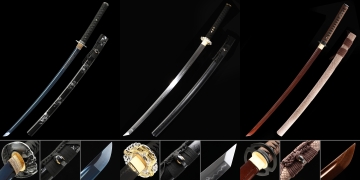
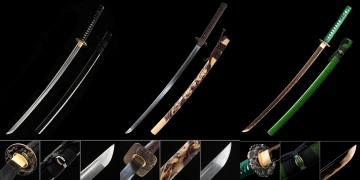
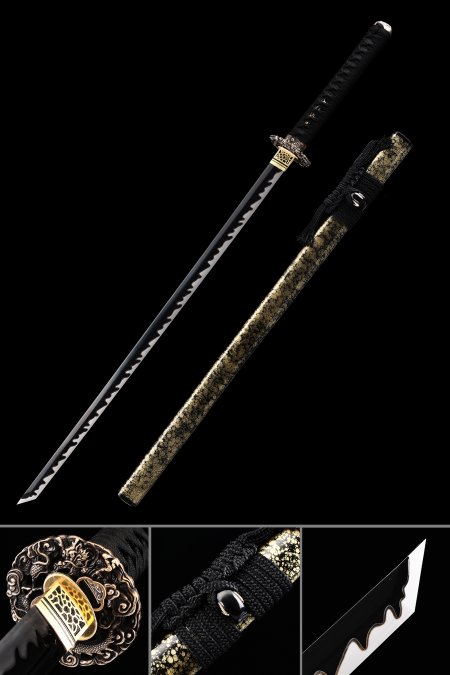
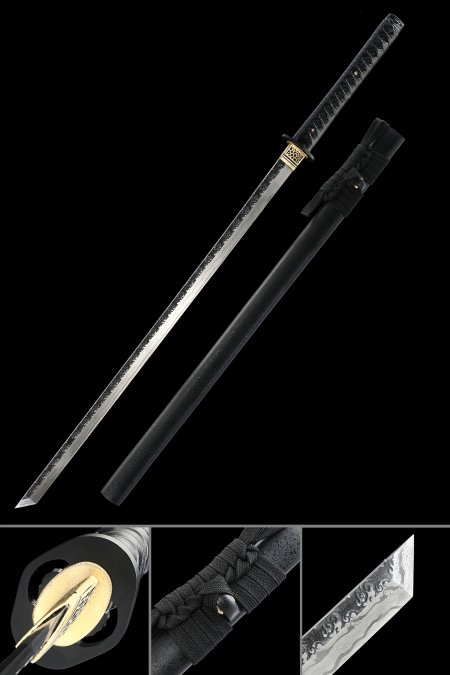
Wave Blade Ninjato swords bring together the straight-edged silhouette of the traditional ninja sword and the artistry of engraved, wave-patterned blades - a combination that makes each piece a standout in any serious display collection. Crafted from high-carbon and manganese steel, these collectibles feature ornate tsuba designs, lacquered saya, and hand-wrapped handles that reflect authentic Japanese aesthetic traditions. Every order ships free with easy returns, so building your collection is as effortless as it is rewarding.
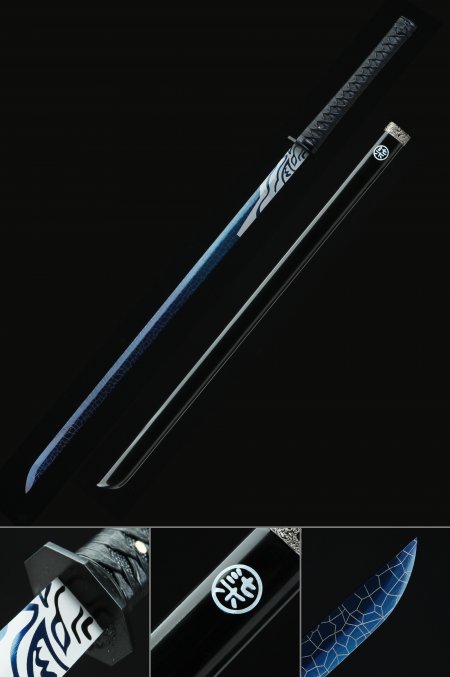
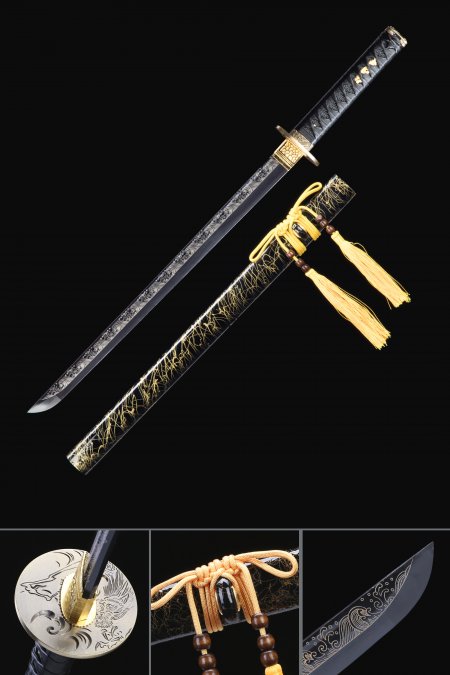
Showing 19 Products

Related Collections

Tanto Blade79 items


379 Reviews

Straight Blade Katana22 items


11 Reviews

Dragon Blade Katana108 items


371 Reviews

Bronze Tsuba Katana137 items


657 Reviews

Frequently Asked Questions

What makes a wave-engraved blade different from a plain ninjato blade?
A wave-engraved blade features hand-worked or machine-engraved relief patterns etched along the flat of the steel, typically depicting flowing water or cloud-wave motifs inspired by traditional Japanese art. Unlike a plain polished blade, the engraving creates micro-surfaces that reflect light at varying angles, giving the blade a dynamic, three-dimensional appearance even when stationary. On black or blue-treated blades, the engraving breaks up the color field with visible contrast, making the design legible from across a display room. From a collector's perspective, the engraving also signals a higher level of finishing attention - it is detail work that distinguishes decorative pieces from purely utilitarian straight blades.
How does 1095 carbon steel compare to manganese steel in these ninjato?
1095 carbon steel contains a higher carbon content than 1045, which allows it to take a sharper edge geometry and hold a finer surface polish - qualities that make it particularly attractive for collectors who want a blade that photographs well and maintains its finish over years of display. Manganese steel, by contrast, is alloyed with manganese to enhance toughness and resistance to surface scratching and oxidation. For ninjato featuring dramatic blue or black blade colorations, manganese steel is often preferred because its alloy composition responds especially well to the chemical and heat treatments used to produce those finishes. Neither steel type is inherently superior for display purposes - the choice comes down to the visual finish and color palette the collector prefers for their particular display context.
What do the different tsuba designs - dragon, lion, skull - symbolize?
The tsuba, or sword guard, has been a vehicle for artistic and symbolic expression in Japanese sword culture for centuries. On these ninjato, the dragon tsuba draws from both Japanese and Chinese artistic tradition, where the dragon is associated with elemental power, divine protection, and transformation - making it one of the most enduring motifs in East Asian decorative arts. The lion tsuba references the shishi or guardian lion figure, a symbol of protection and strength found across temple architecture and sword fittings throughout the feudal period. The skull motif, while striking to modern eyes, has philosophical roots in Buddhist-influenced warrior culture, representing the acceptance of impermanence - a concept central to the samurai and shinobi worldview. Each tsuba design shifts the overall character of the ninjato it crowns, making the choice of guard a meaningful curatorial decision for the serious collector.
How should I care for a wave blade ninjato kept on display?
Carbon steel and manganese steel both require periodic maintenance to prevent surface oxidation, even in a display setting. Lightly wipe the blade with a soft, lint-free cloth every four to six weeks to remove dust and any ambient moisture that has settled on the steel. Apply a very thin coat of camellia oil or a dedicated blade oil using a clean cloth, then remove any excess - oil left pooling on the surface can attract dust and create uneven staining. Store or display the ninjato away from windows with direct sunlight exposure, as UV light and temperature fluctuations accelerate oxidation on bare steel. In humid climates, a silica gel packet placed inside a display case significantly extends the time between maintenance sessions. Keep the blade in its saya when not actively being inspected, as the lacquered wood provides a meaningful barrier against ambient moisture.
Is a wave blade ninjato a good choice as a display gift for a collector?
A wave blade ninjato makes a distinctive gift for collectors who already appreciate Japanese sword aesthetics, particularly those who favor the straight-blade silhouette over the curved katana form. The engraved blade detail and ornate saya designs mean the piece presents as a considered, curated choice rather than a generic sword collectible. For gifting purposes, the combination of a black or blue blade with a contrasting lacquered saya - such as a gold-black floral or dragon-engraved finish - creates strong visual impact when displayed. If the recipient already has katana or wakizashi pieces on their display wall, a ninjato adds both contrast in blade geometry and thematic depth. Pairing a ninjato with a dedicated display stand enhances the presentation further and signals that the gift is intended as a permanent, gallery-quality addition to their collection.

Customer Reviews

Serhii Nazarov New York, United States

Got it well packed with oiled blade in 2 weeks after order, quality totally equal the price and attractive as on the photos.r
r
Features: very heavy and not so sharp, no I didn't plan to cut the heads with it, only for cosplay, but if I would find something attractive as this with T10 steel, I'd rather prefer it.
Manganese Steel Ninjato with Black Blade & Dragon Tsuba in Gold-Black Flower Saya Manganese Steel Ninjato with Black Blade & Dragon Tsuba in Gold-Black Flower Saya