FAST SHIP
17 Reviews
ON SALE 15% OFF
$199.00$239.00

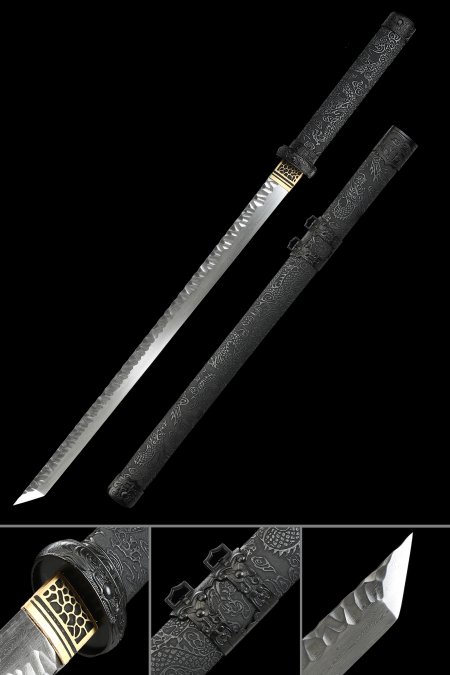
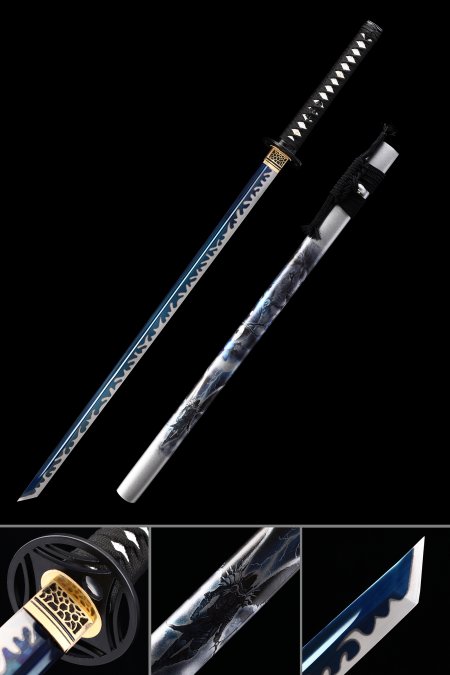
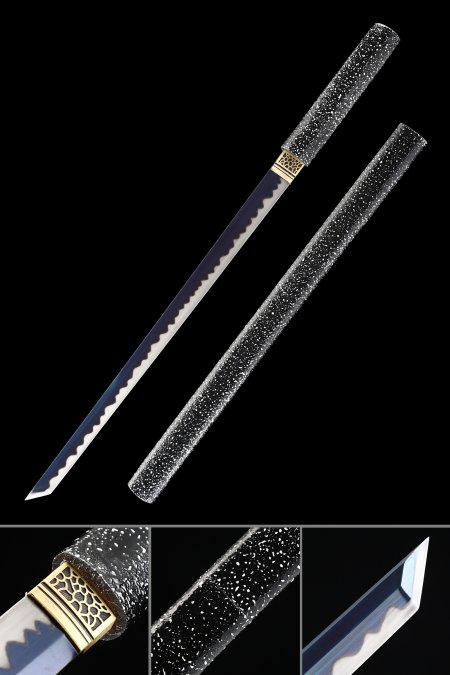
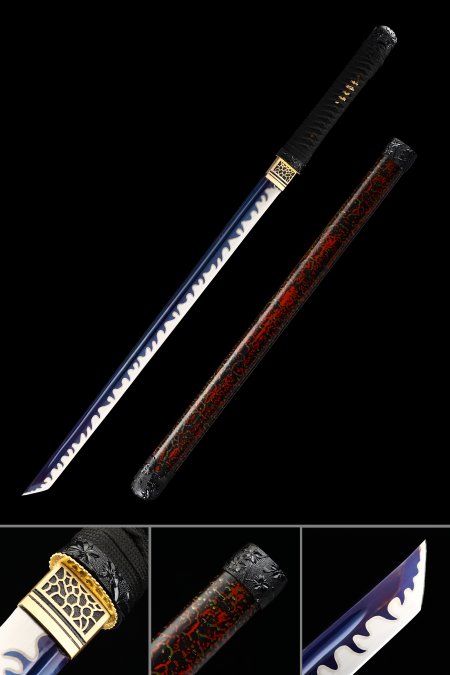
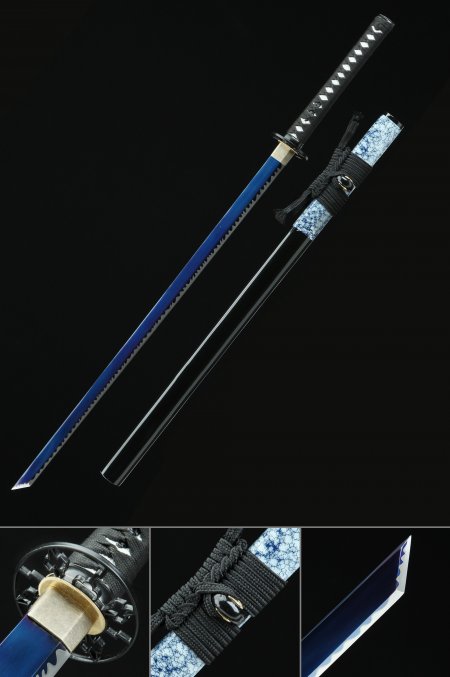
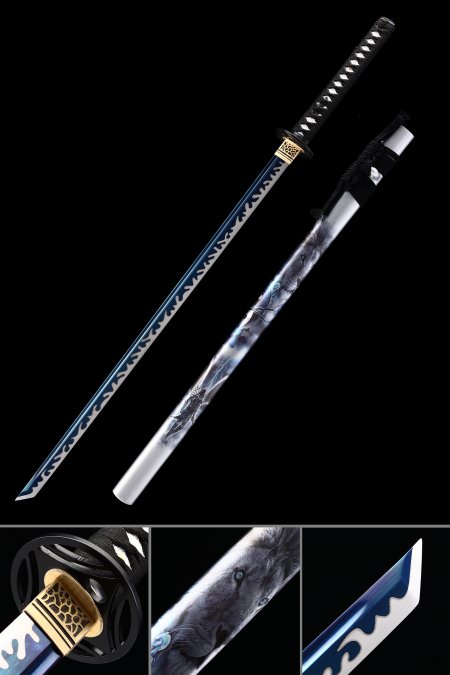
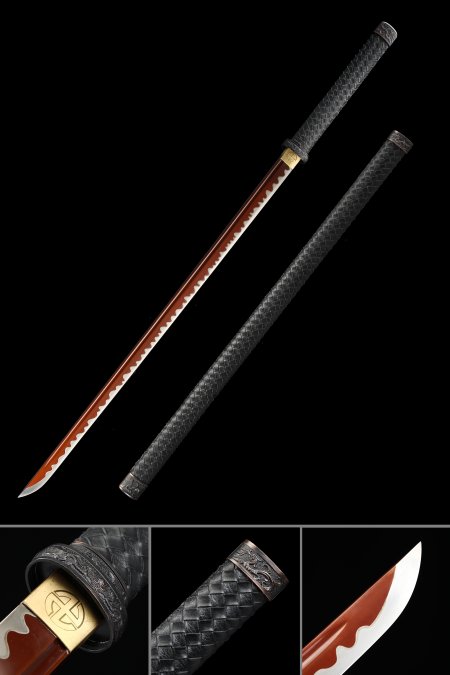
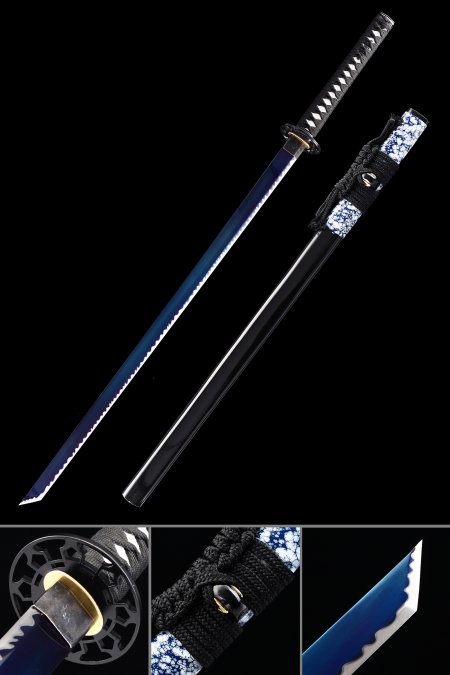
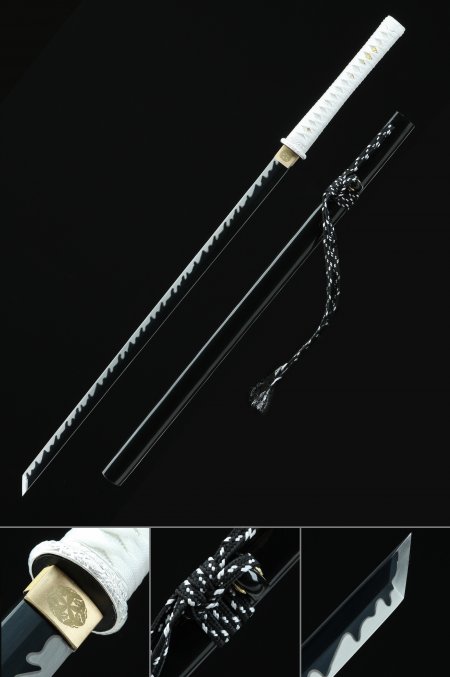
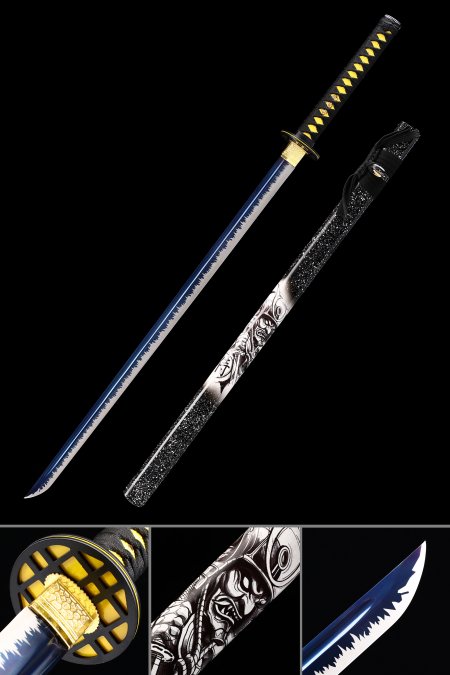
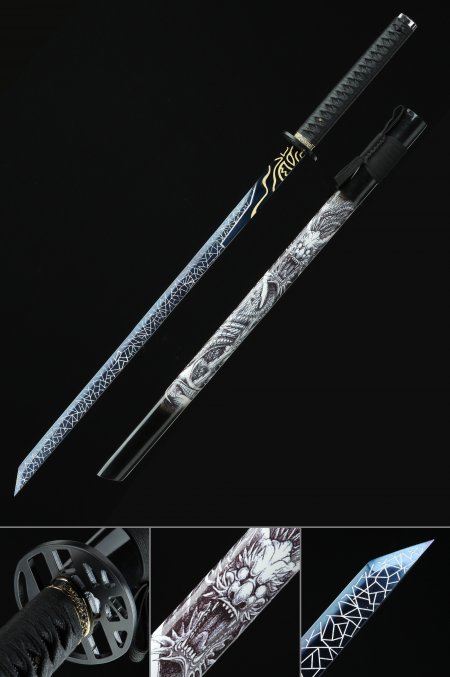
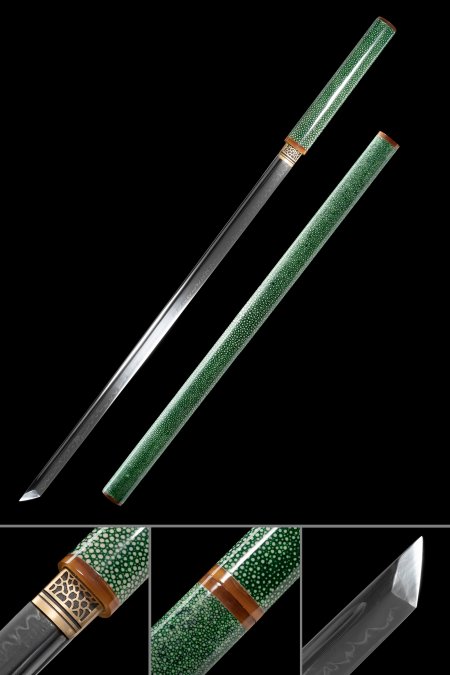
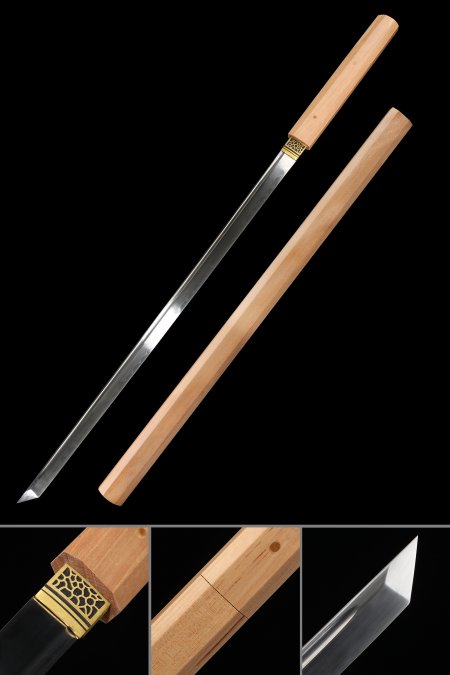
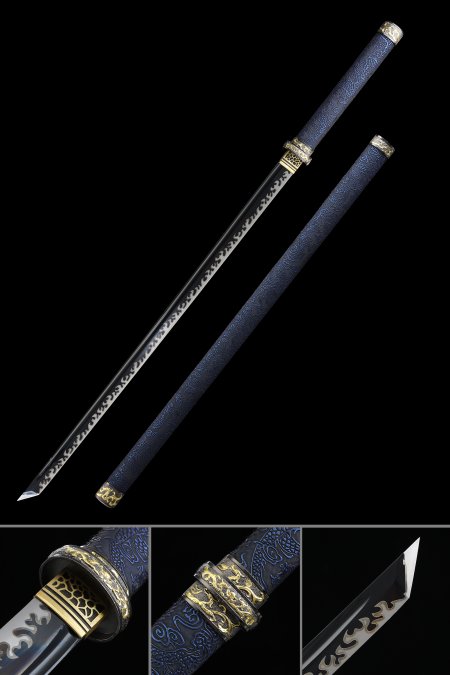
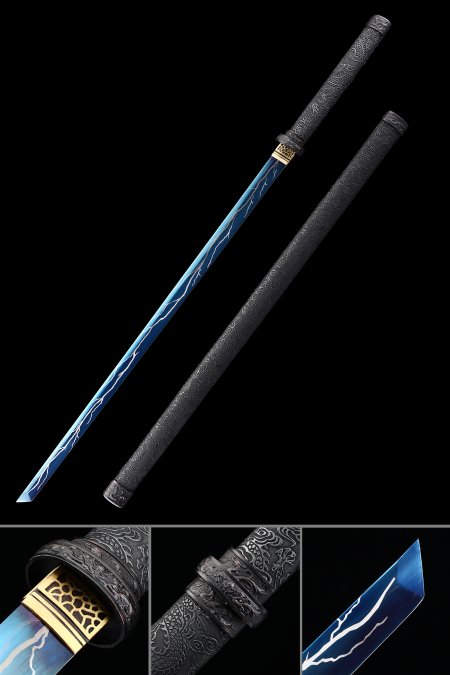
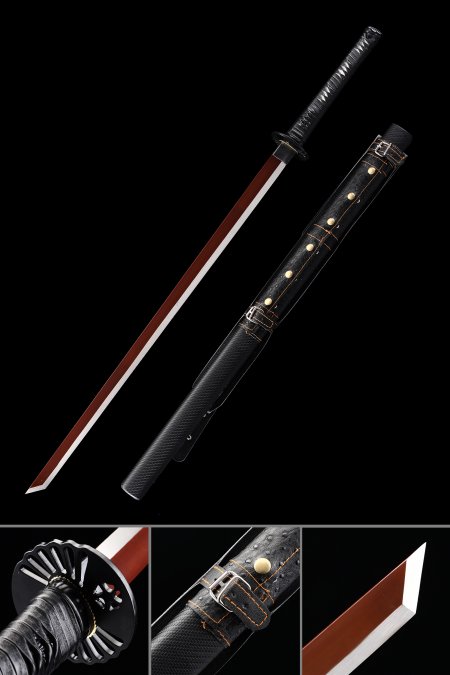
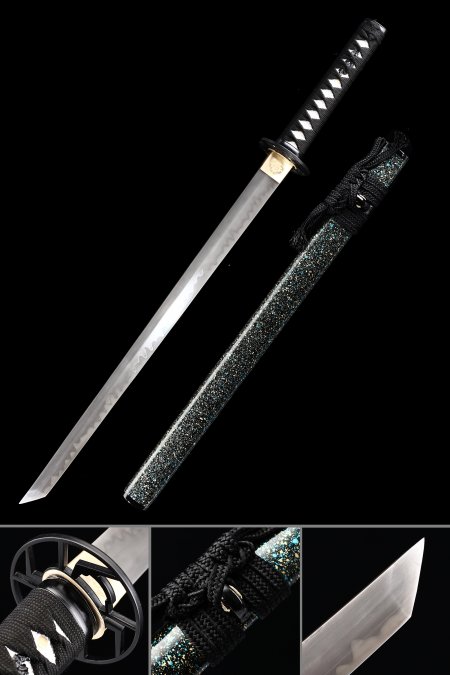
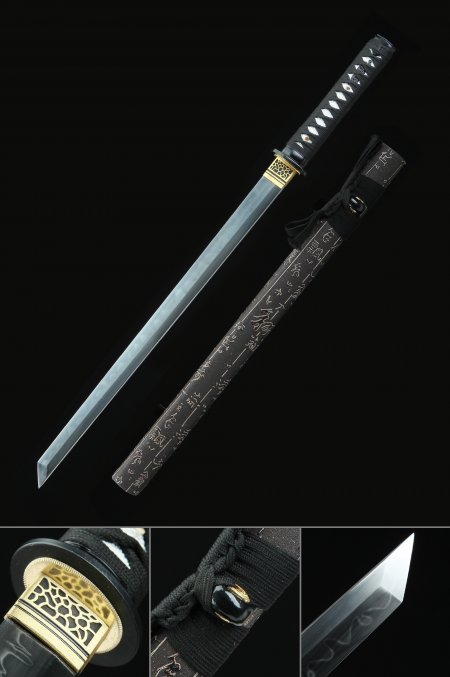
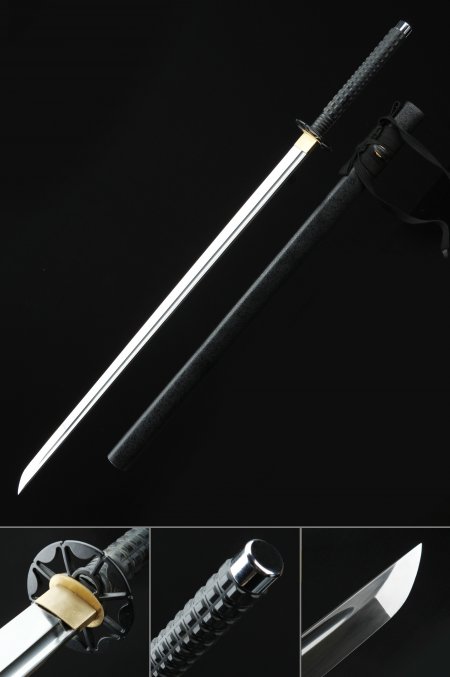
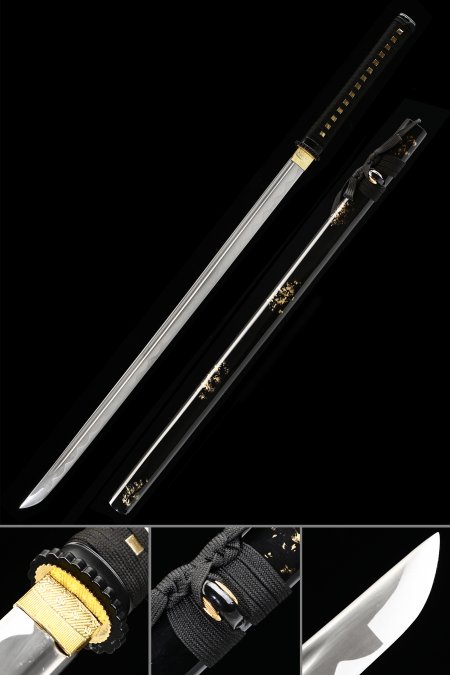
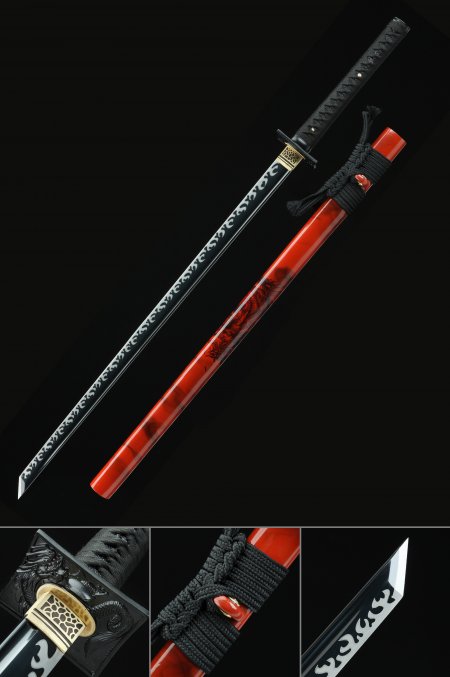
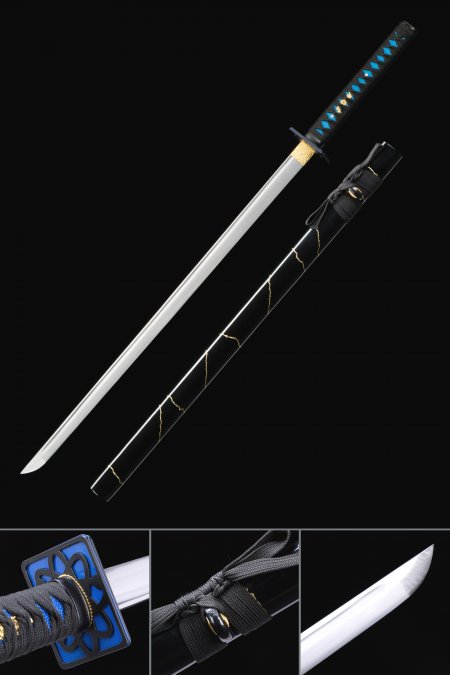
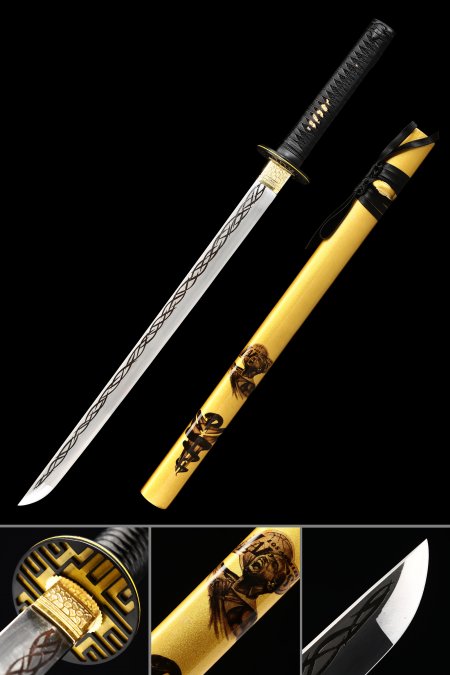
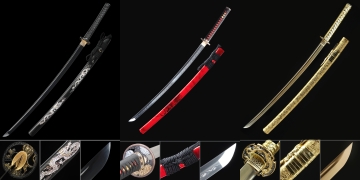
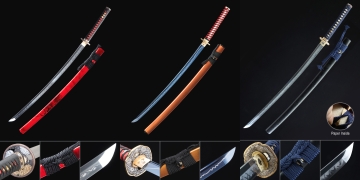
The Geometric Tsuba Ninjato collection brings together straight-bladed collectibles defined by boldly crafted guard designs - angular, symmetrical patterns cut from iron, alloy, and gold-accented metalwork. Each piece pairs a full-tang ninjato blade in high-carbon or manganese steel with lacquered sayas ranging from classic black to dragon-engraved crimson and wolf-motif hardwood. These are display-grade collectibles built with the material integrity and visual precision that serious collectors demand. Every order ships free with hassle-free returns.
Second sword from these guys and I look forward to my third purchase!
 |
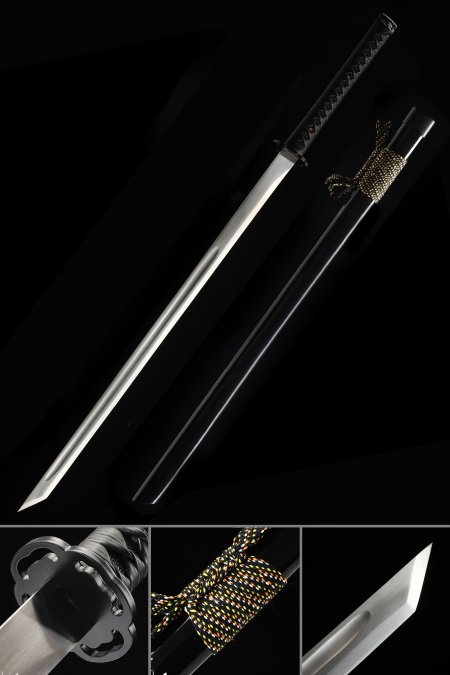
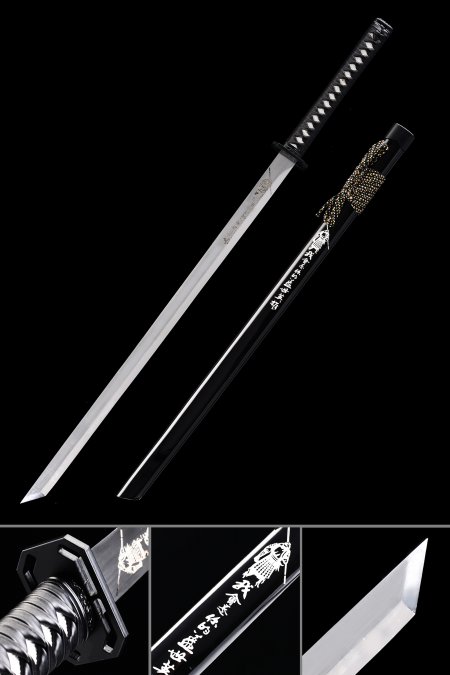
1095 Carbon Steel Straight Ninjato with Black Blade & White Ito - Piano Lacquer Saya |
Cool sword it looks awesome for decoration, not saying you should play with swords but yeah it's fun
 |
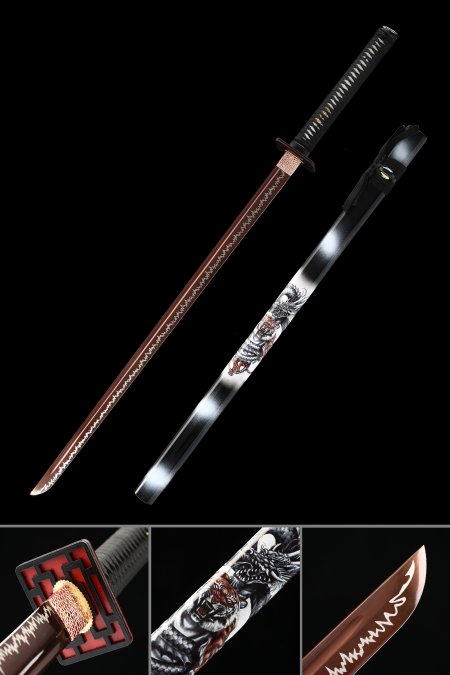
Chokuto Ninjato Sword 1045 Carbon Steel with Flame Engraved Black Blade in Red Dragon Saya |
This is an awesome purchase , I would have given it 5 stars but by the time the sword got to me the little bit of glue that they used for both end caps came loose and I had to re-hot glue them back on . Not a big deal at all but I absolutely love the sword ! I’ll order from true katana again !!!!
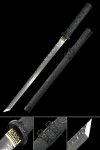 |
Damascus Steel Ninja Sword Full Tang with Dragon-Carved Black PU Leather Saya - Geometric Gold-Black Tsuba |
Wow that was fast shipping ! Great quality looks great! Scabbard is tight !
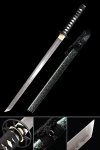 |
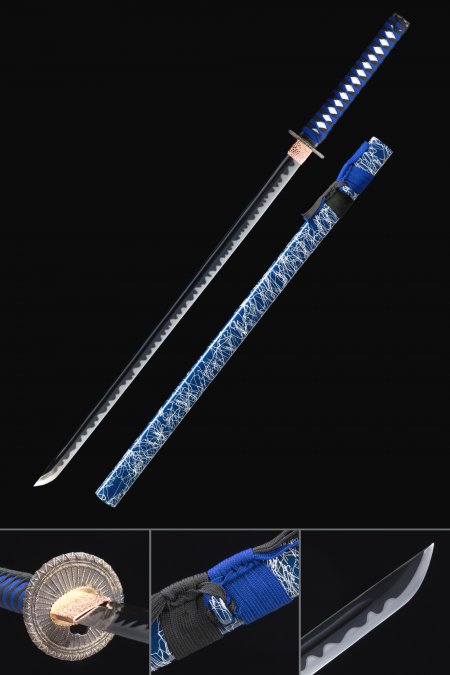
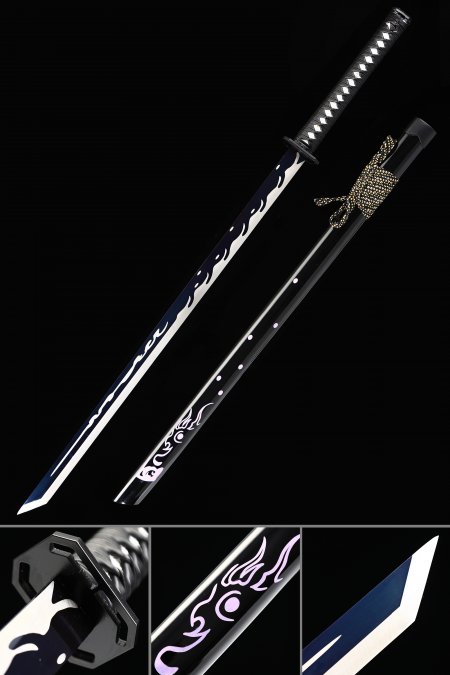
T10 Carbon Steel Ninjato with Real Hamon in Black-Teal Glitter Lacquer Saya - Full Tang Ninja Sword Replica |
The sheath was broken on arrival but that’s okay the sword was beautiful
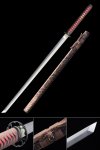 |
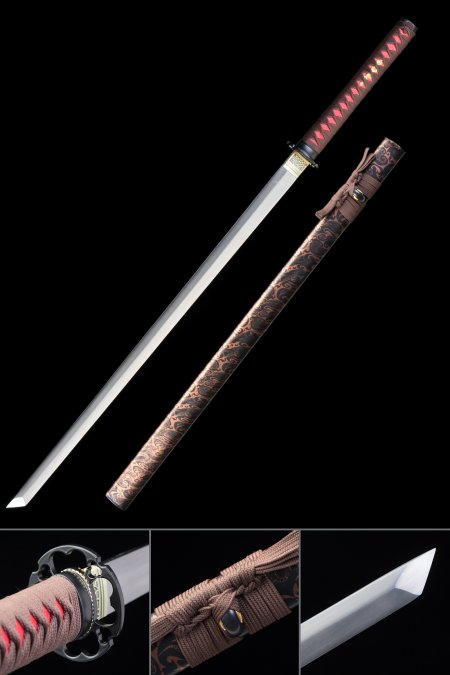
Chokuto Sword 1060 Carbon Steel - Brown-Red Cord Handle, Dragon Patterned Brown Saya |
Love the quality.I’ve always been hesitant to buy a Damascus blade, but after purchasing the T10 blade and seeing the quality, I took the risk. I am so happy I did. The Damascus blade on my Ninjato is beautiful and well put together. The blade is sharp and the balance is superb
|
Damascus Steel Ninja Sword Full Tang with Dragon-Carved Black PU Leather Saya - Geometric Gold-Black Tsuba |
I am extremely satisfied with the NinjatoI purchased. It well made, has an excellent balance and the blade came with a very sharp edge. I would definitely recommend it.
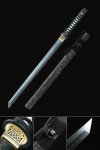 |
T10 Carbon Steel Chokuto Ninjato with Clay Tempered Hamon - Kanji Saya in Black and Brown Full Tang |
Very nicely made sword. Very sharp. I am truly impressed by the quality of build and design. Highly recommend this if anyone is considering adding a sword to their collection.
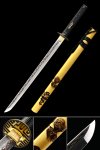 |
Manganese Steel Ninjato with Yellow Lacquered Saya - Samurai Art Engraved Scabbard, Black Handle |