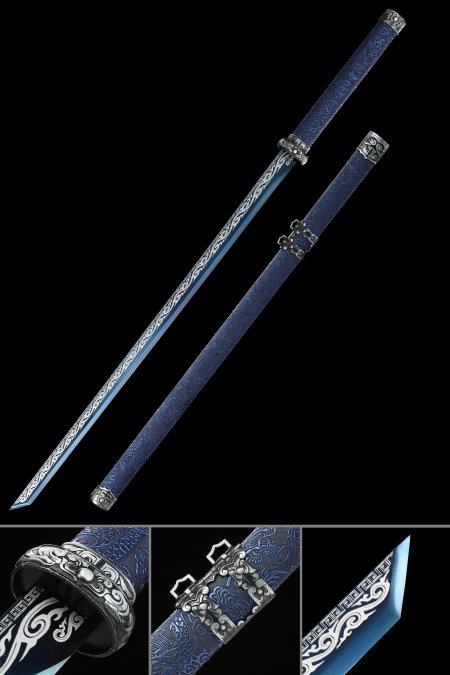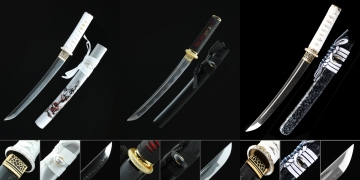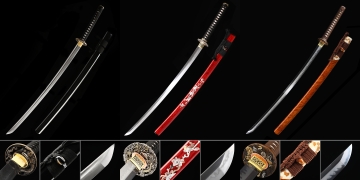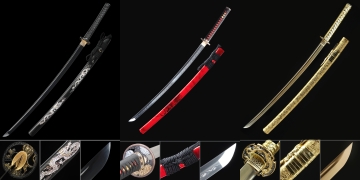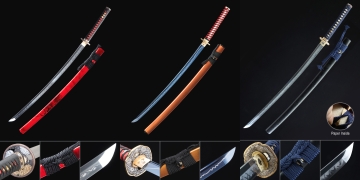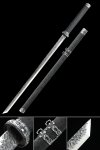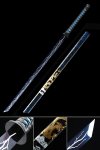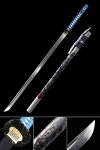
Dragon Saya Ninjato

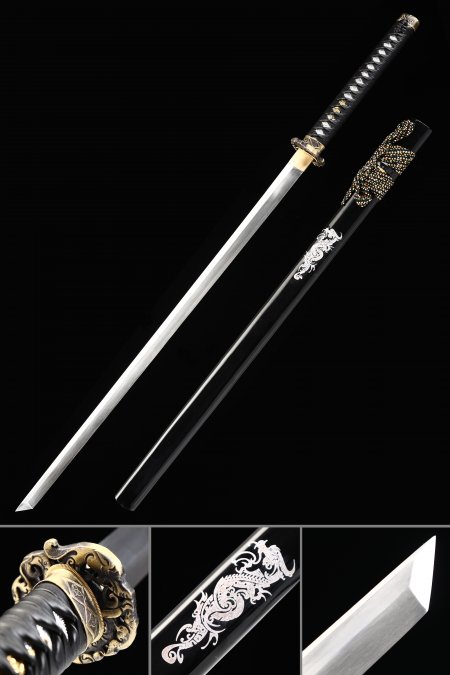
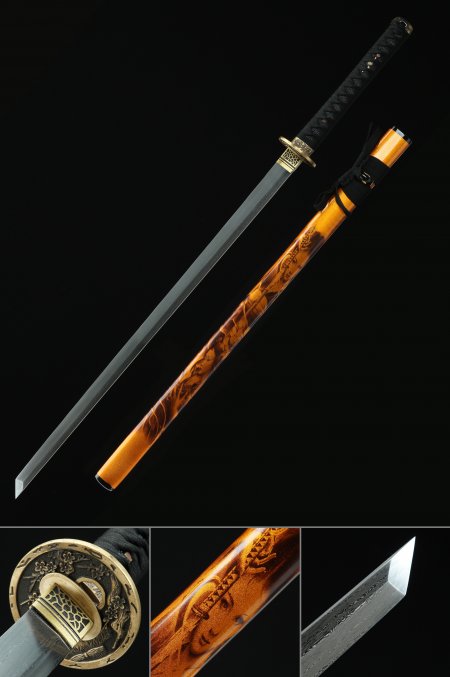
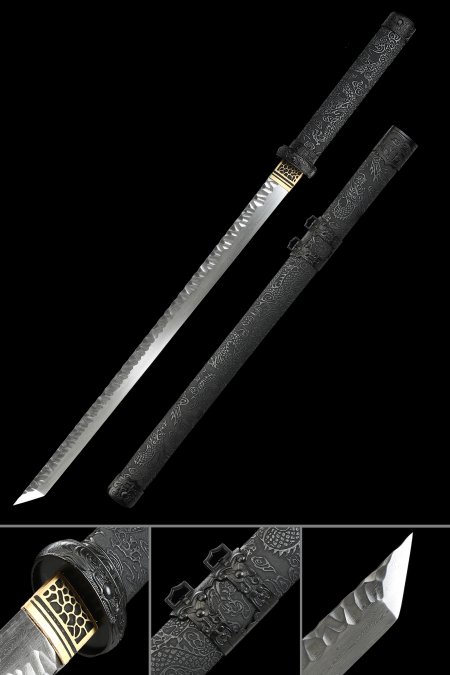
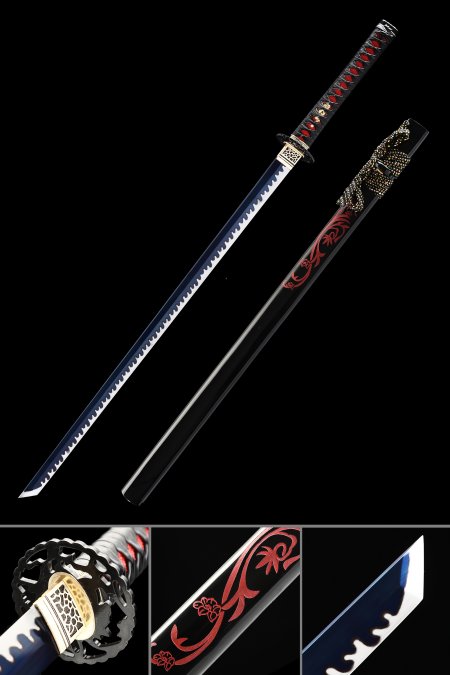
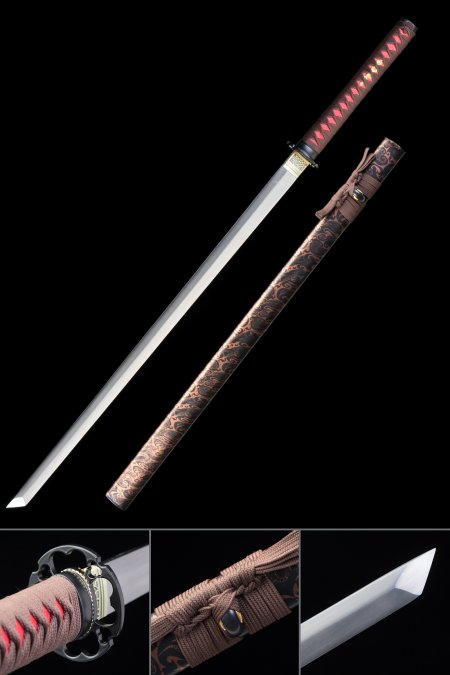
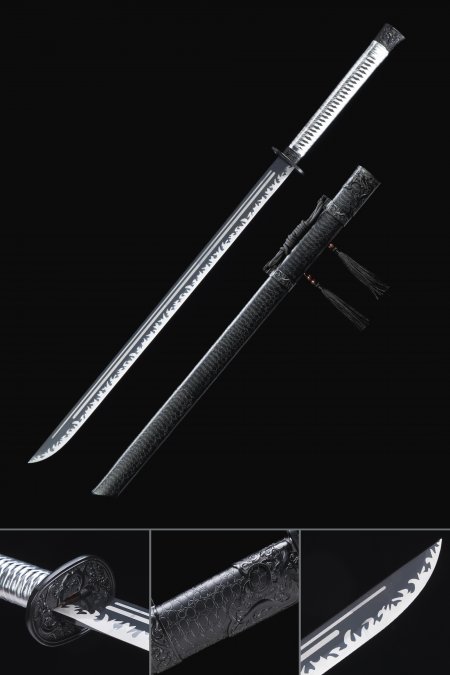
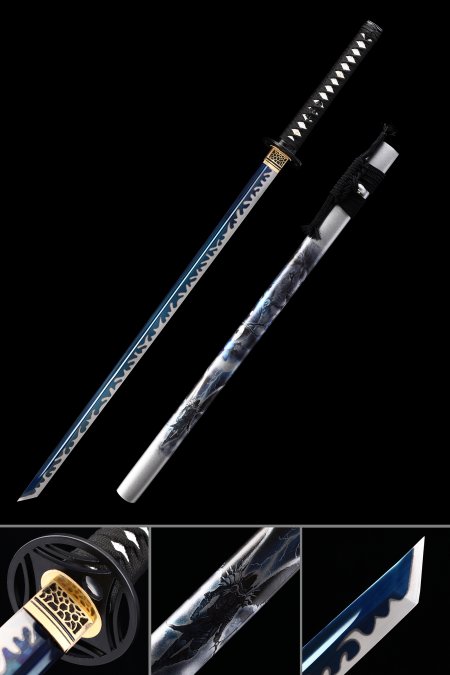
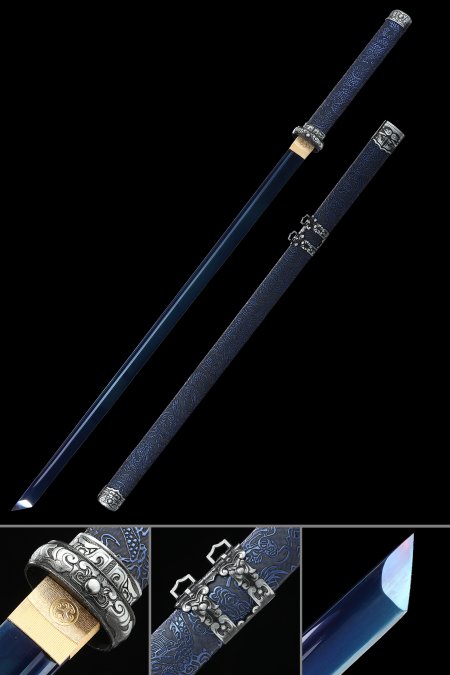
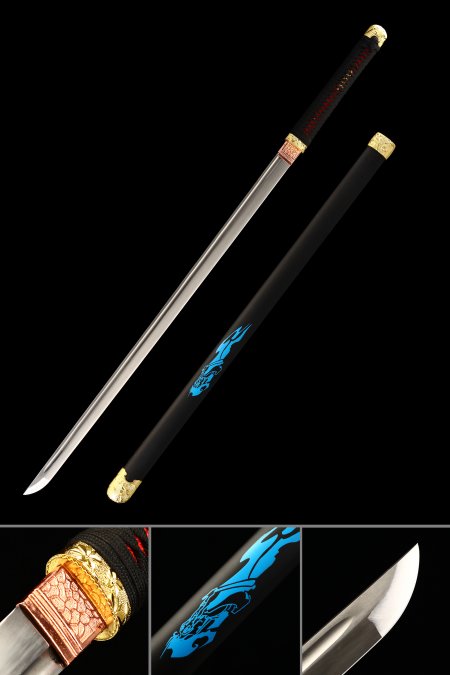
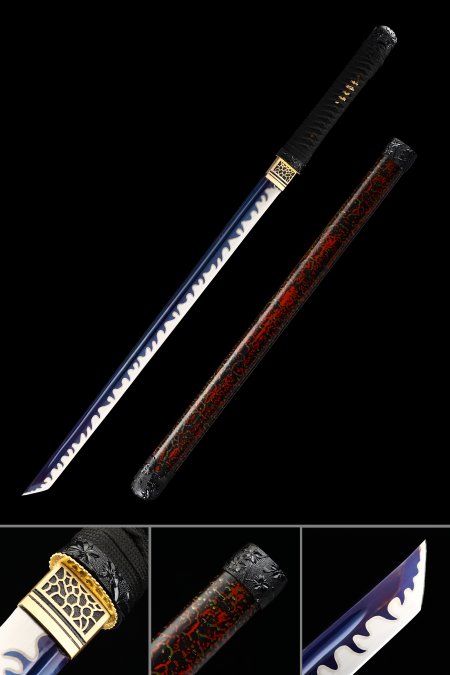
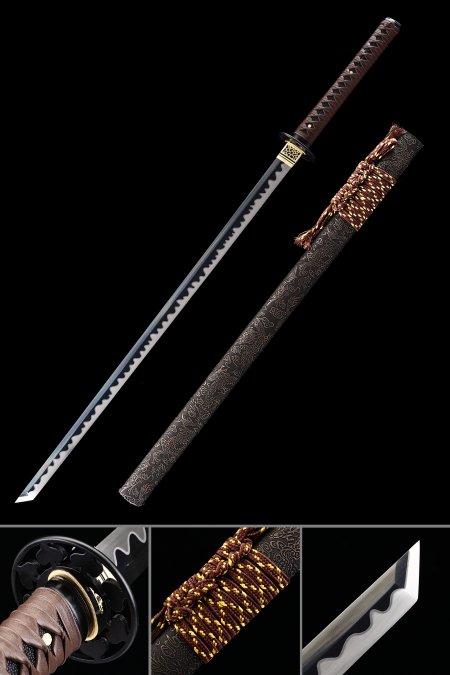
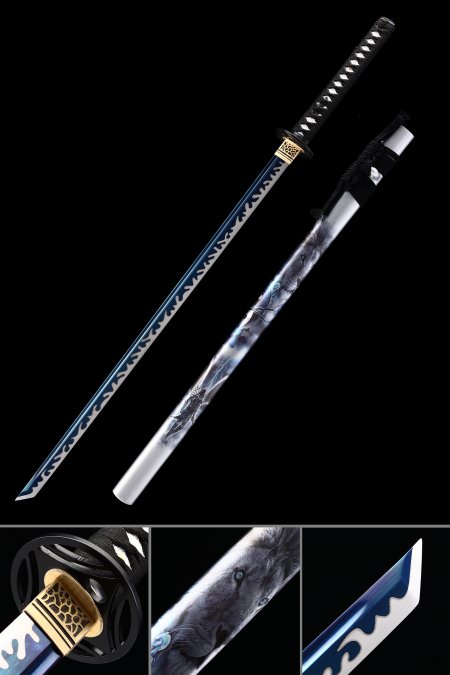
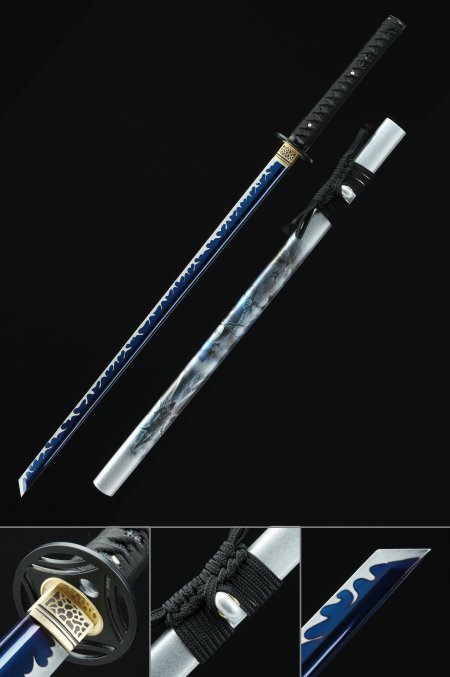
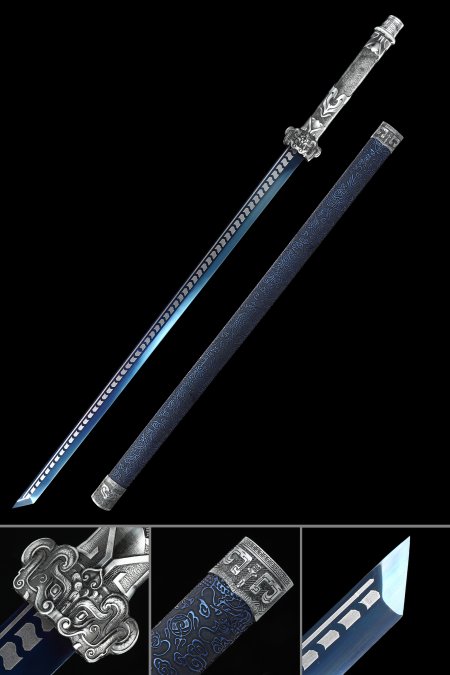
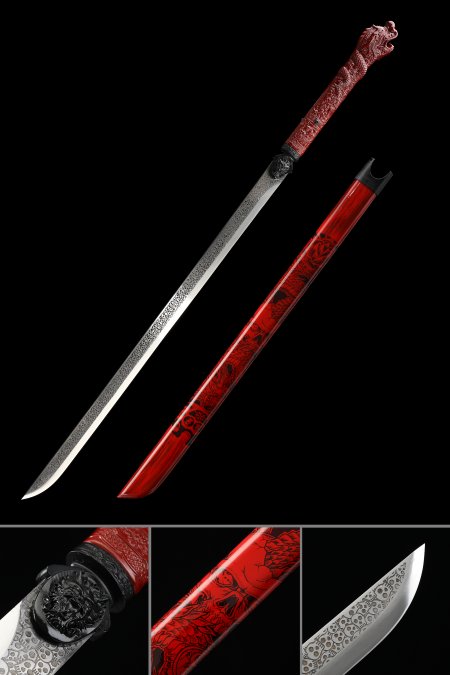
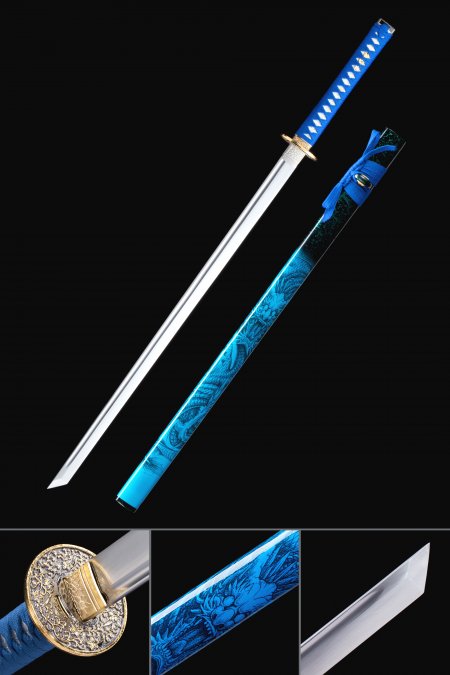
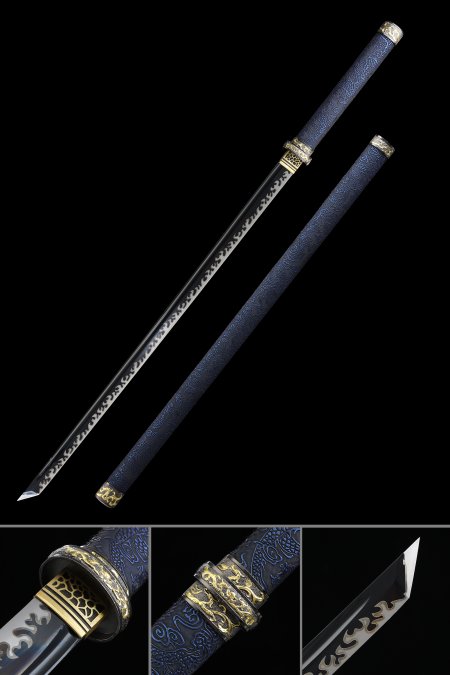
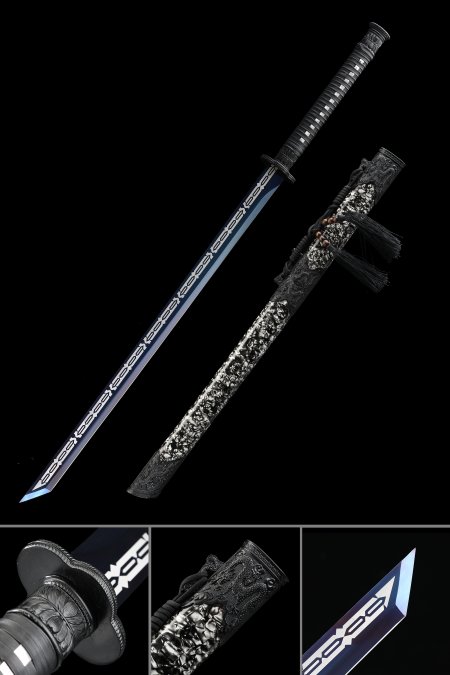
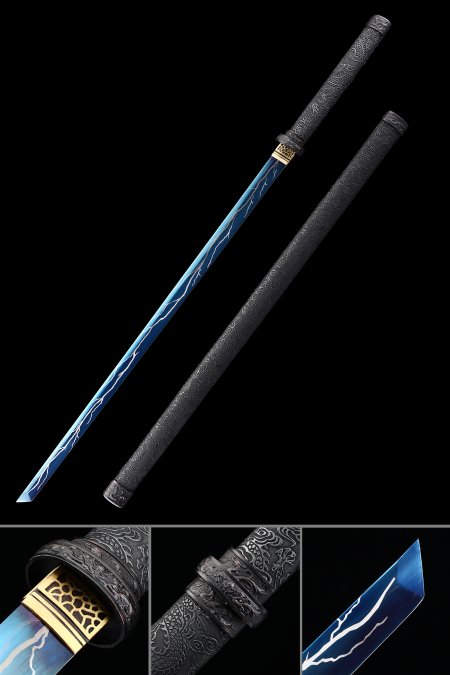
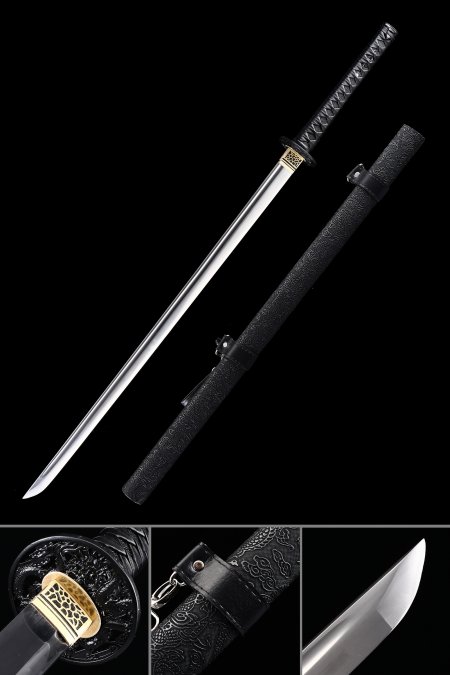
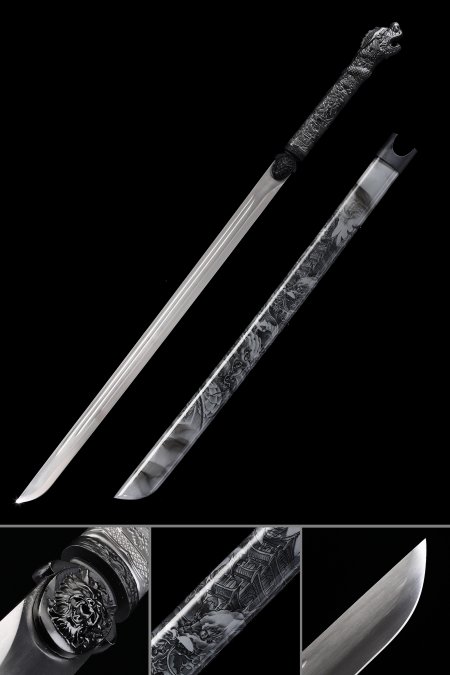
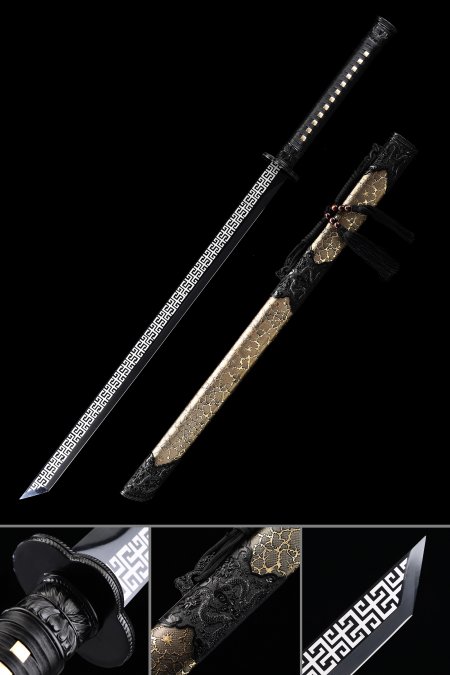
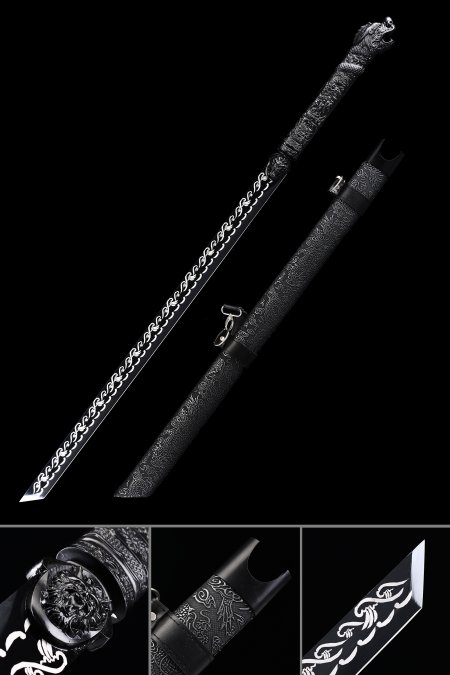
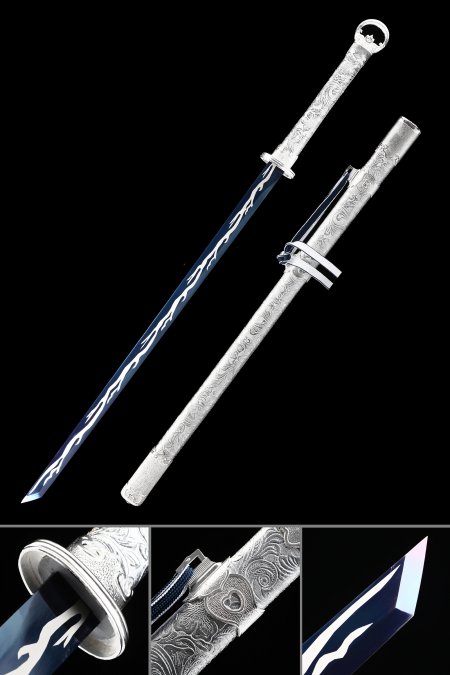
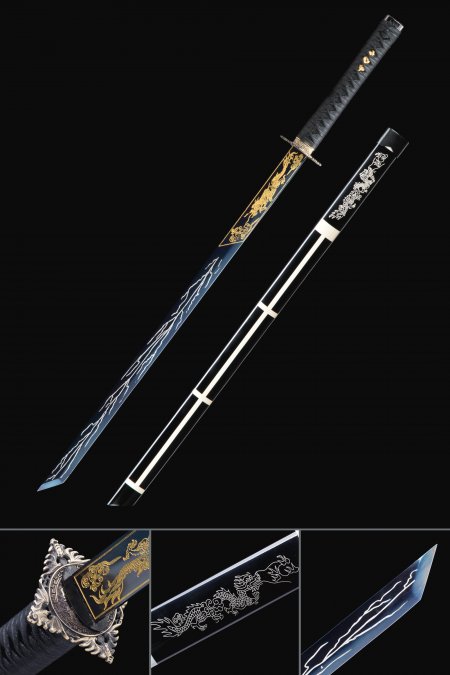
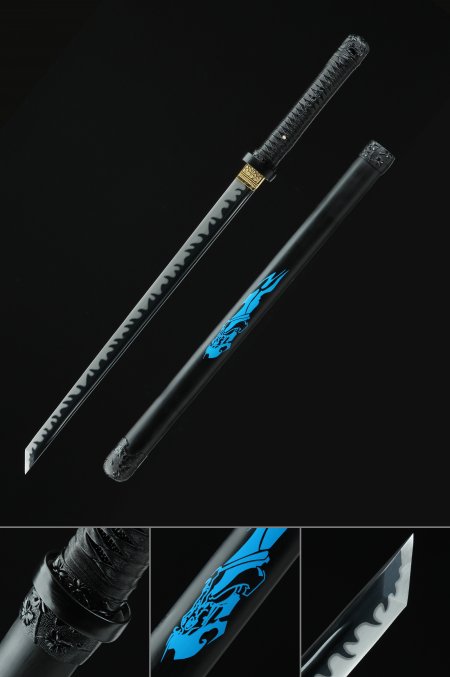
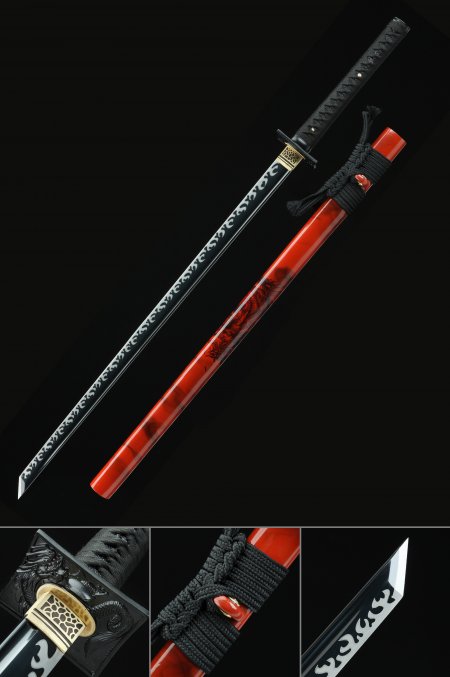
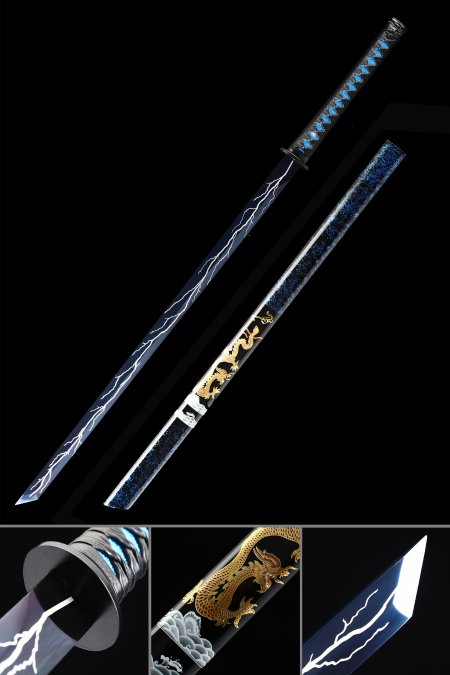
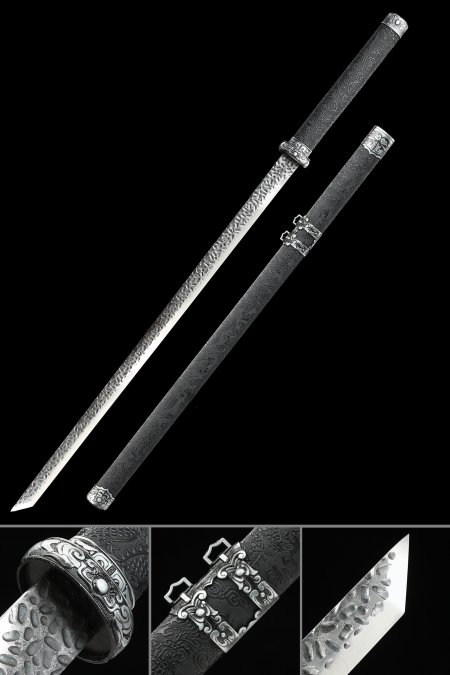
Dragon Saya Ninjato brings together the straight-bladed elegance of traditional ninja swords and the striking artistry of dragon-engraved scabbards. Each piece in this collection is a hand-assembled display collectible, showcasing detailed lacquerwork, carved dragon motifs, and steel blades in carbon and manganese variants. Free standard shipping is included on all orders, with hassle-free returns for your peace of mind.
Showing 32 Products

Related Collections

Tanto Blade79 items


379 Reviews

Dragon Tsuba Katana358 items


1130 Reviews

Dragon Saya Katana198 items


542 Reviews

Chrysanthemum Tsuba Katana167 items


404 Reviews

Frequently Asked Questions

What makes a ninjato different from a katana?
The most immediate difference is blade geometry. A katana features a curved, single-edged blade optimized for drawing speed and cutting arcs, while a ninjato — also called chokuto in its straight-blade variant — has a largely straight profile with minimal or no curvature. This straight geometry gives the ninjato a distinct silhouette that reads as more austere and angular compared to the graceful arc of a katana. The tsuba on ninjato pieces also tends to be square or more geometric in form, diverging from the rounded guards common on katana. For display collectors, this contrast makes a ninjato an excellent complement to a katana in a wall arrangement, as the two forms create clear visual contrast while sharing the same cultural lineage.
What steel types are used in this collection?
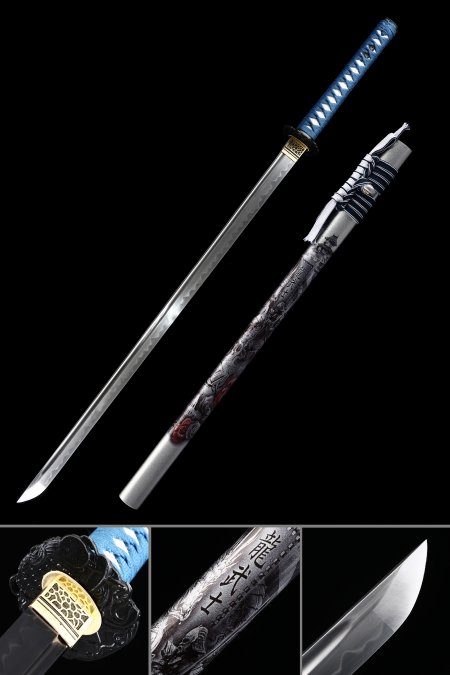
This collection includes pieces in manganese steel, 1045 carbon steel, 1095 carbon steel, and T10 carbon steel — each with distinct characteristics worth understanding before choosing. Manganese steel is valued for its toughness and resistance to surface stress, making it a stable option for long-term display. Its blades are often finished with black or blue coatings that amplify the sword's dramatic appearance. 1045 carbon steel is a mid-range option with reliable hardness, while 1095 offers slightly higher carbon content and a harder edge. T10 is considered a premium tool steel that, when clay-tempered, produces a visible hamon — the wavy temper line running along the blade that is one of the most prized visual details in Japanese sword collecting. The T10 ninjato in this collection features a genuine hamon alongside a dragon-engraved silver saya, making it the most technically distinguished piece in the lineup.
How should I care for a lacquered dragon saya?
Lacquered sayas require specific care to maintain their finish over time. The most important rule is to keep them away from prolonged direct sunlight, which causes lacquer to fade, crack, or yellow depending on the pigment used. Avoid storing the saya in areas with high humidity fluctuations, such as near exterior walls or in unheated spaces, as expansion and contraction can cause the lacquer to develop hairline cracks. To clean, use a soft dry cloth — never chemical solvents or abrasive materials. For leather sayas with dragon relief carvings, a light application of leather conditioner every six to twelve months keeps the material supple and prevents the carved details from drying out and flaking. The blade inside should be removed periodically, lightly oiled, and re-seated to prevent trapped moisture from affecting either the blade or the saya interior.
Are these ninjato pieces suitable as collector gifts?
Dragon Saya Ninjato pieces make strong collector gifts precisely because they offer visual impact beyond what a standard display sword delivers. The dragon-engraved or dragon-relief scabbard gives the piece a narrative quality — the dragon motif carries deep symbolism in East Asian tradition, representing power, transformation, and protection. This thematic richness resonates with collectors who appreciate meaningful display objects rather than generic decorative items. For gifting purposes, pieces with black lacquer sayas and gold dragon accents tend to read as more formal and prestigious, while blue-blade variants with dark red dragon sayas offer a bolder, more dramatic color palette. Pairing a ninjato with a matching display stand enhances the presentation further and makes the gift immediately ready to showcase.
What does a real hamon look like on a ninjato blade?
A real hamon is a visible boundary line that appears along the lower portion of a blade as a result of clay tempering during the heat treatment process. The blade is coated in clay — thicker along the spine and thinner near the edge — before being heated and quenched. This differential cooling creates two zones of steel hardness separated by a visible transition line. On a ninjato, this hamon typically runs parallel to the straight edge and may appear as a soft mist, a defined wave, or an irregular cloud-like pattern depending on the clay application technique. Unlike blades with an acid-etched or cosmetic hamon — which simply simulate the pattern on the surface — a genuine clay-tempered hamon reflects actual metallurgical activity within the steel and will show subtle shifts in texture and reflectivity when viewed under angled light. The T10 ninjato in this collection carries this authentic characteristic.

Customer Reviews