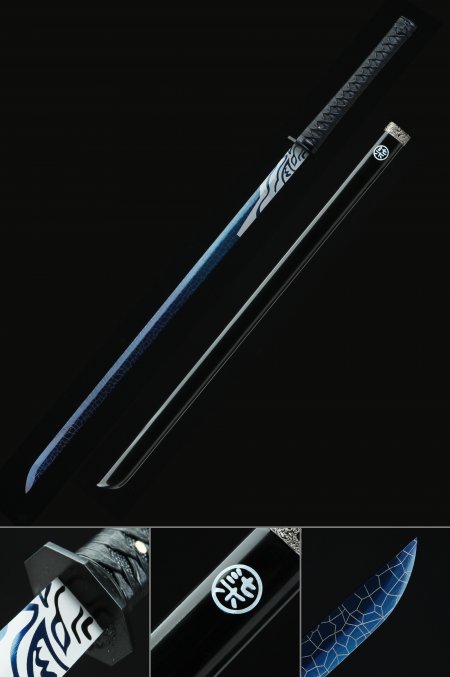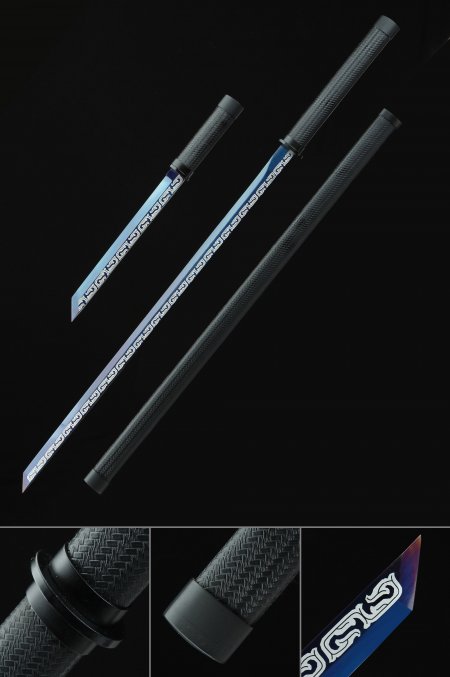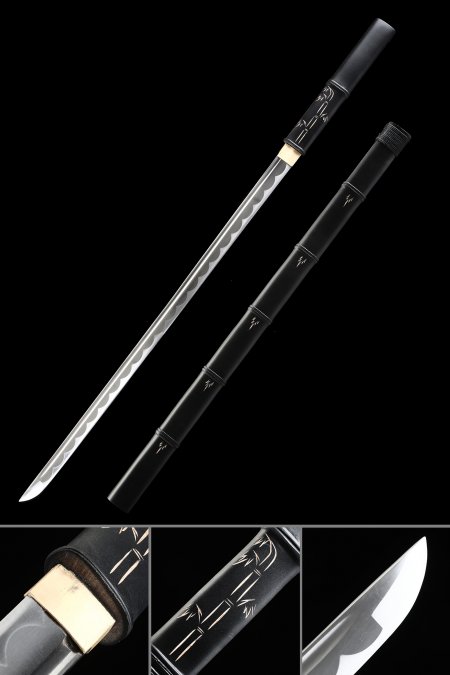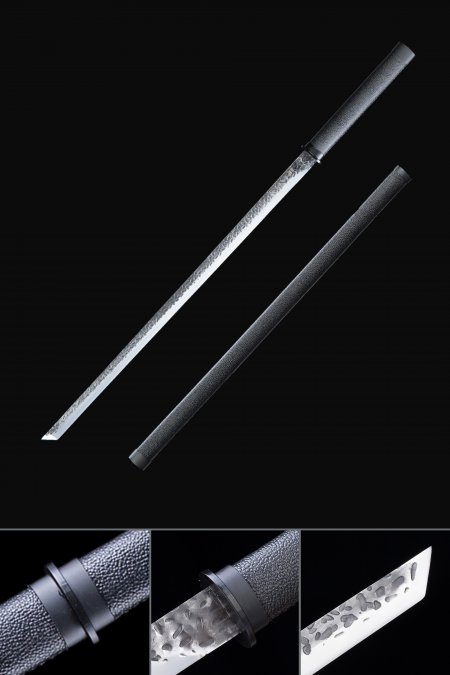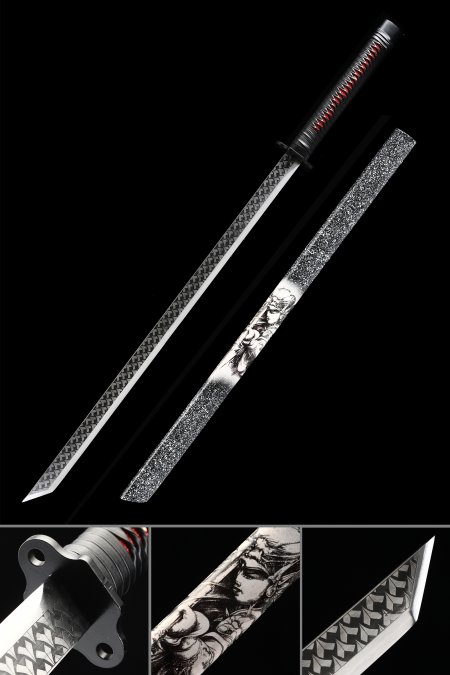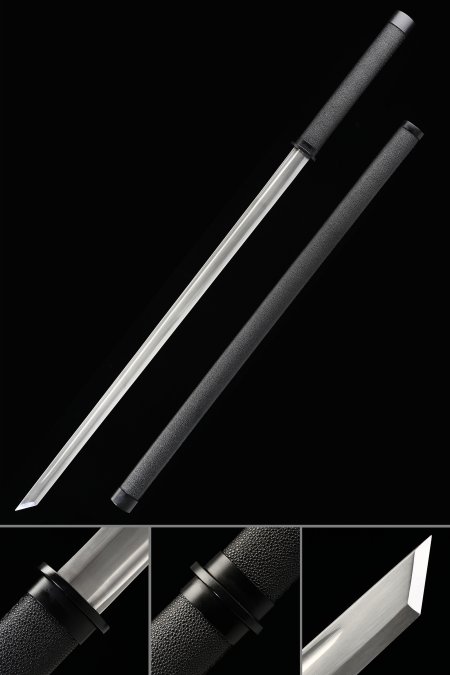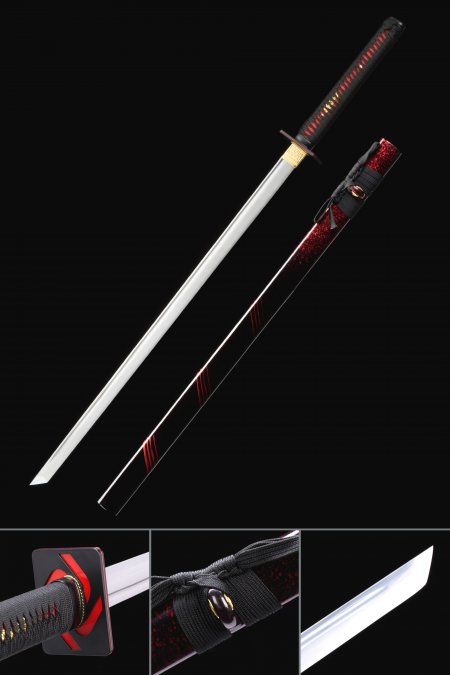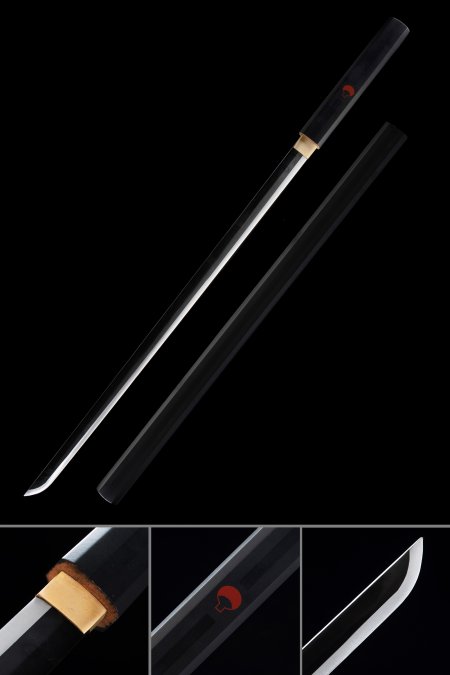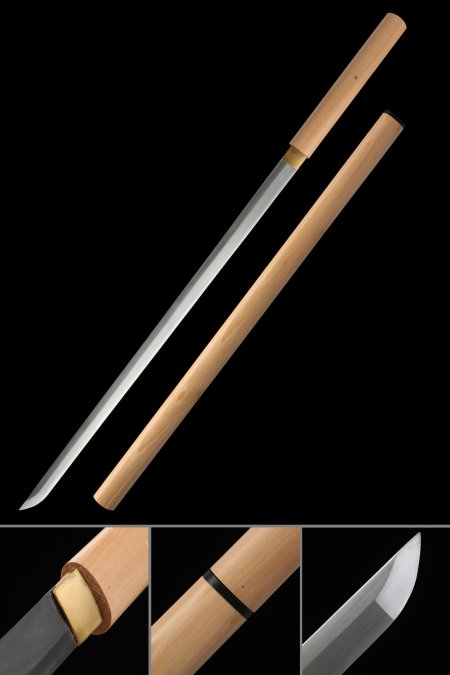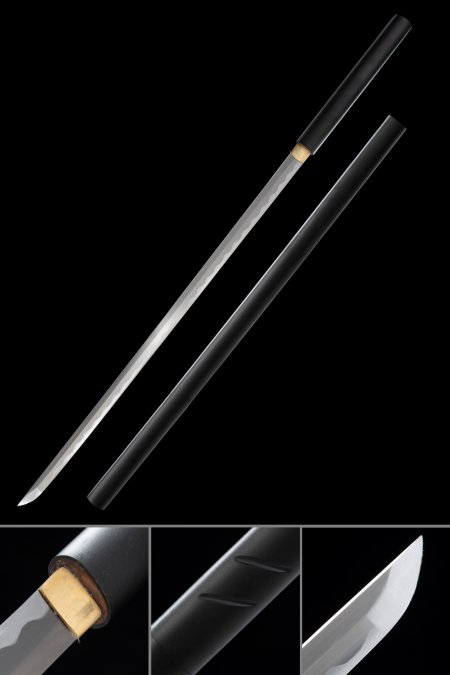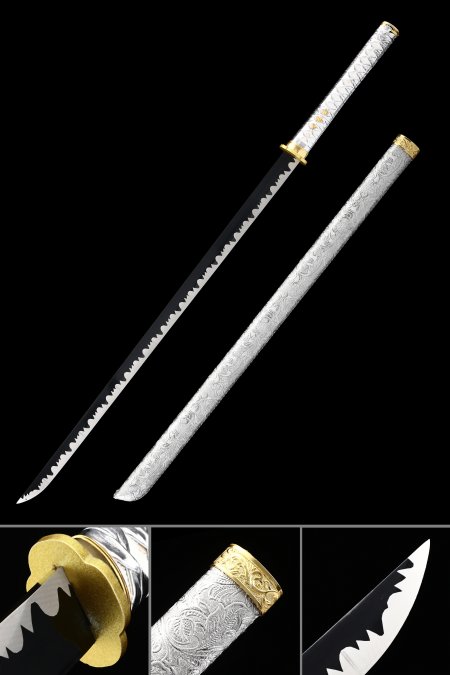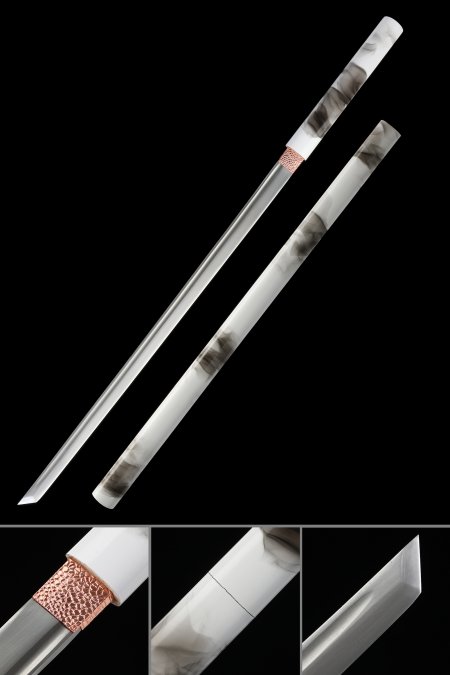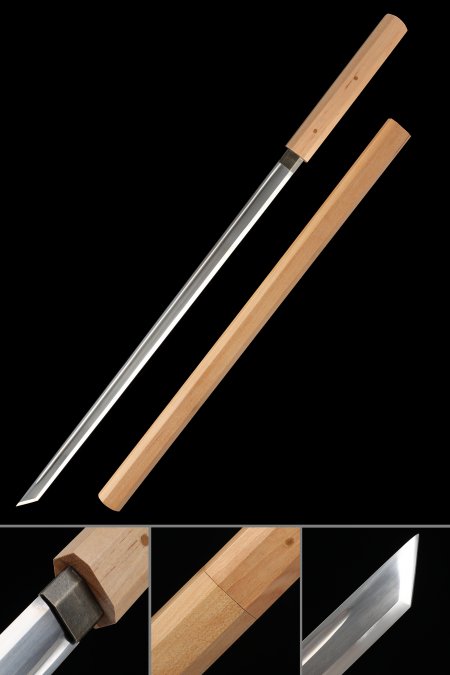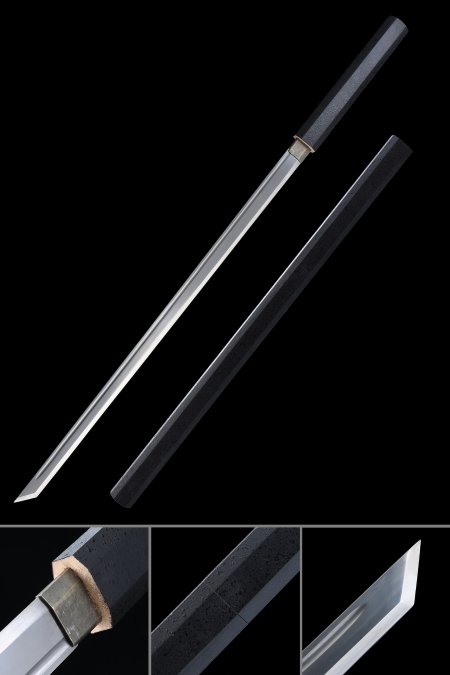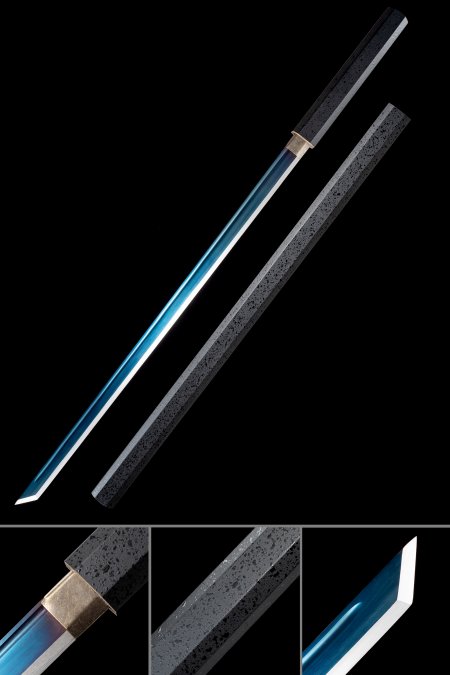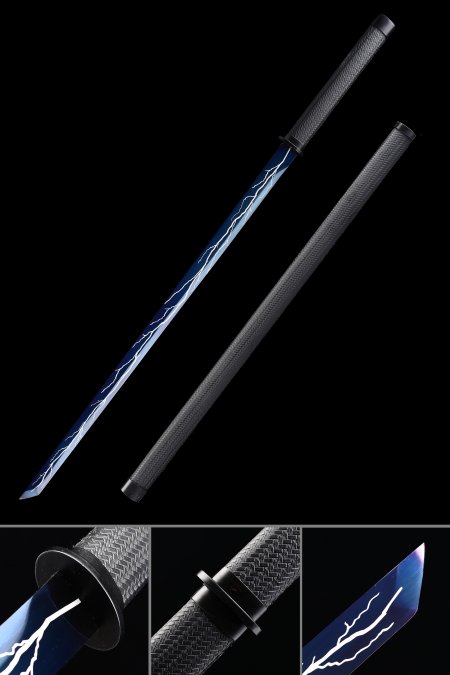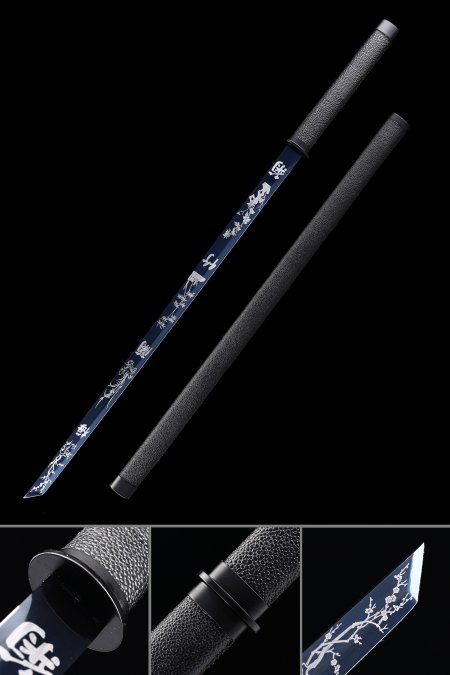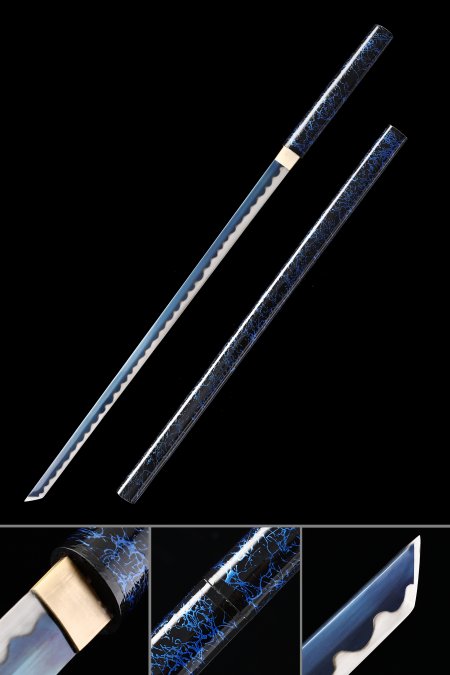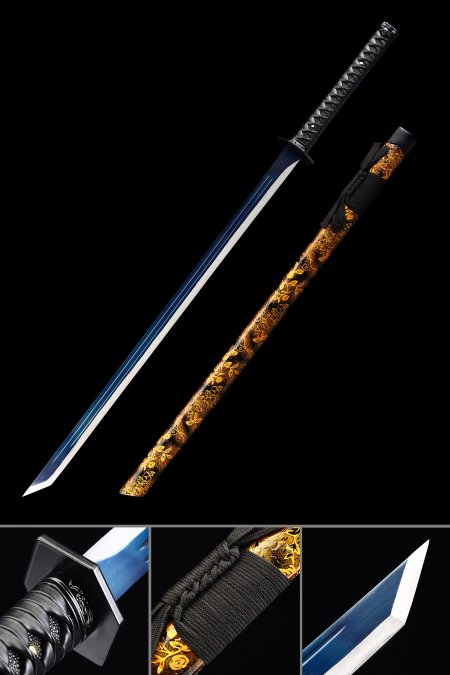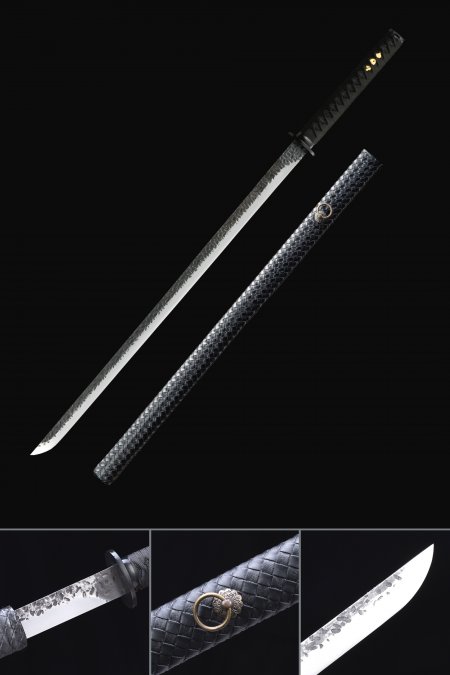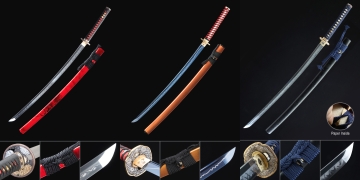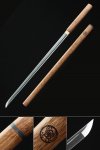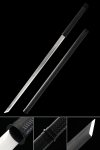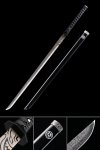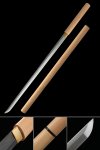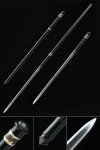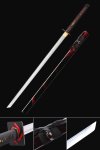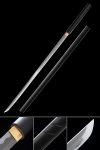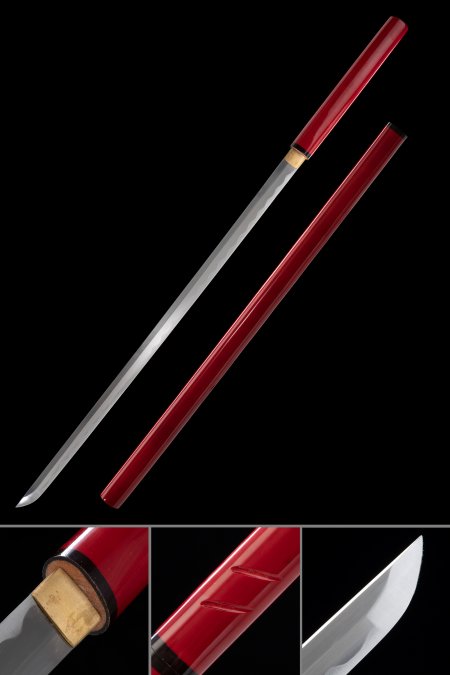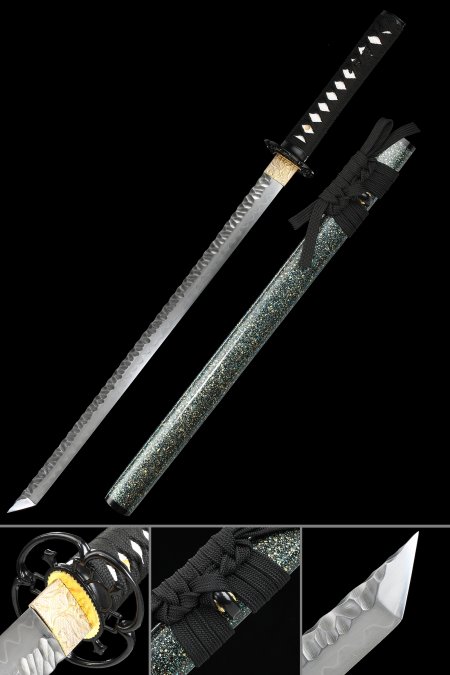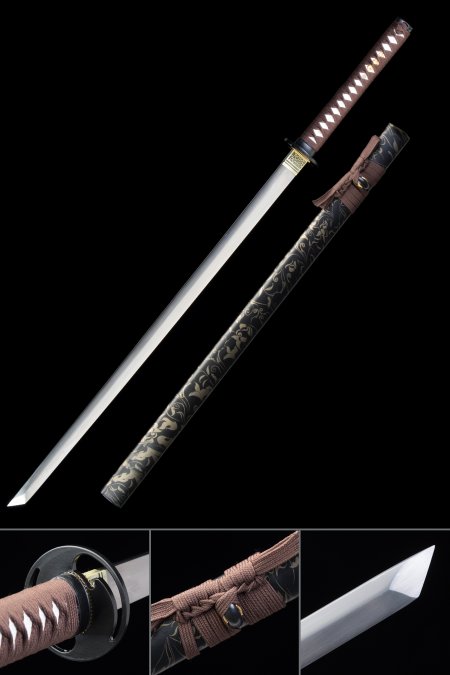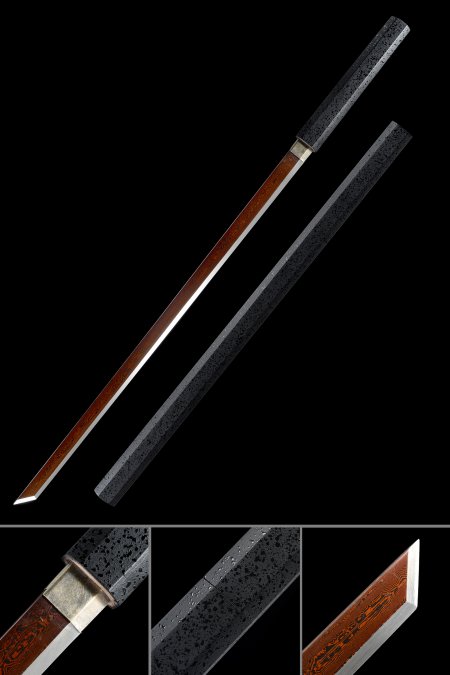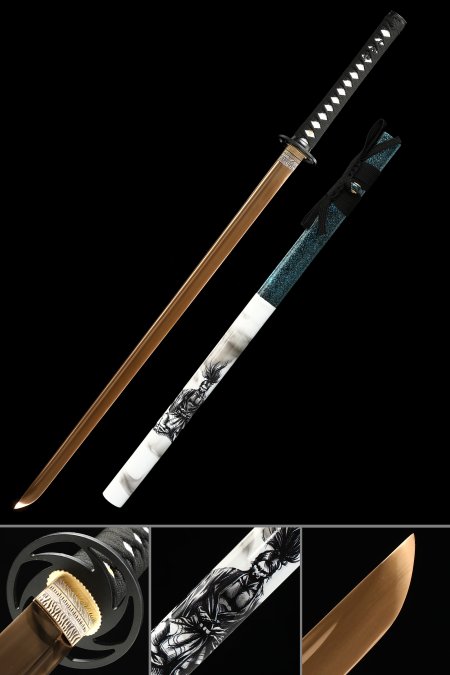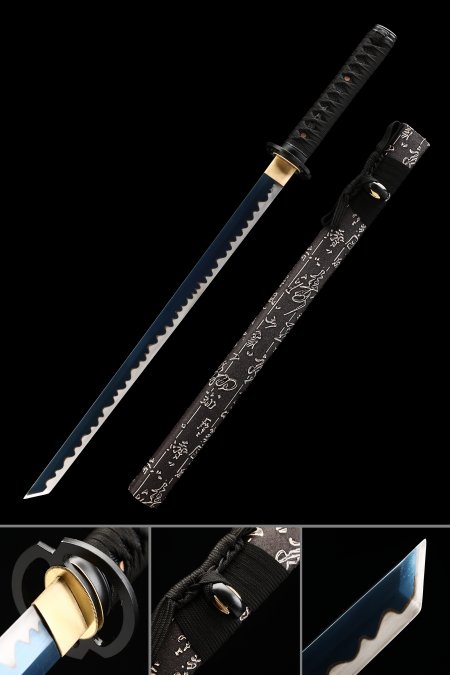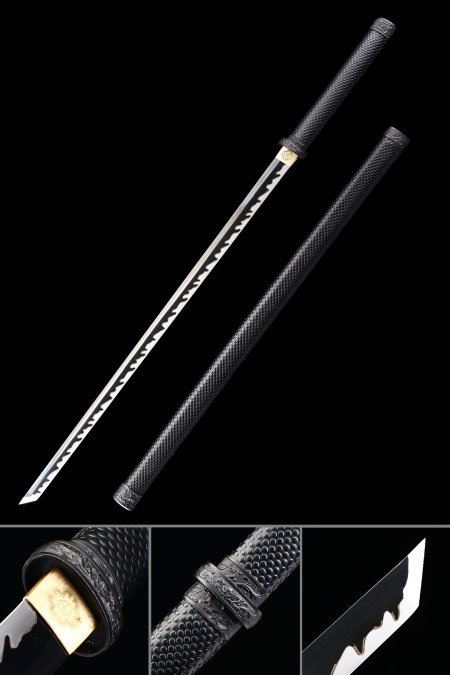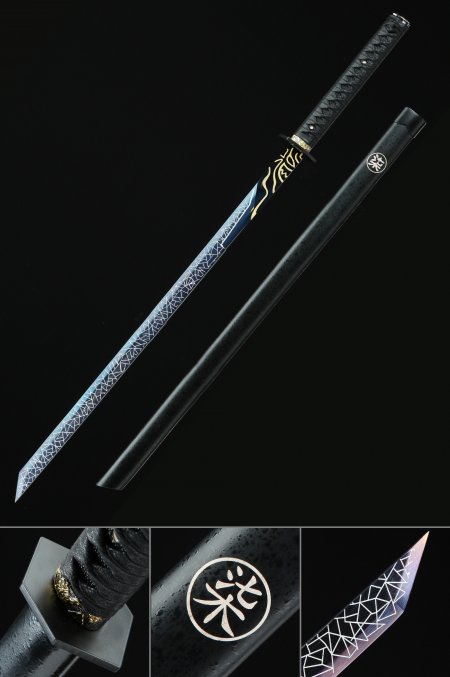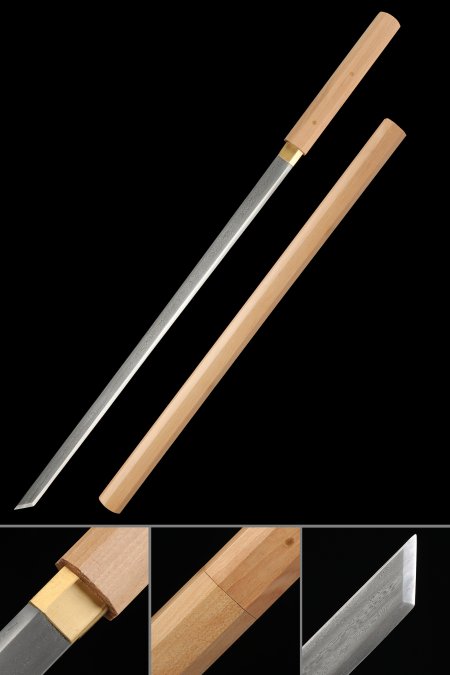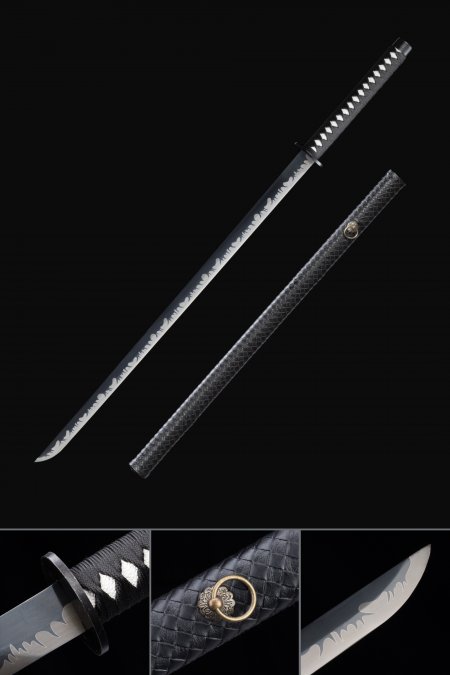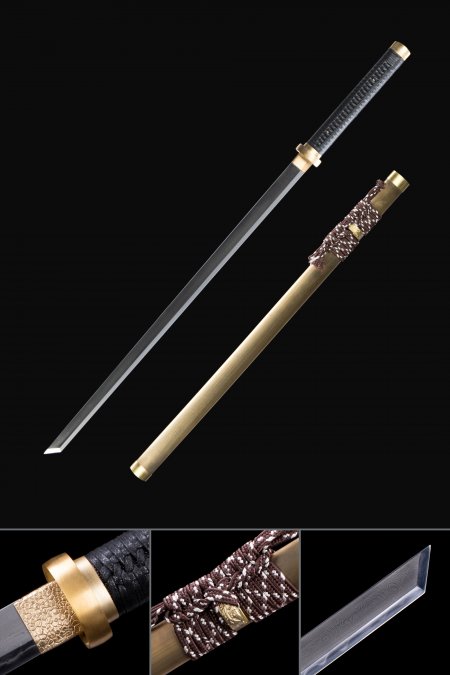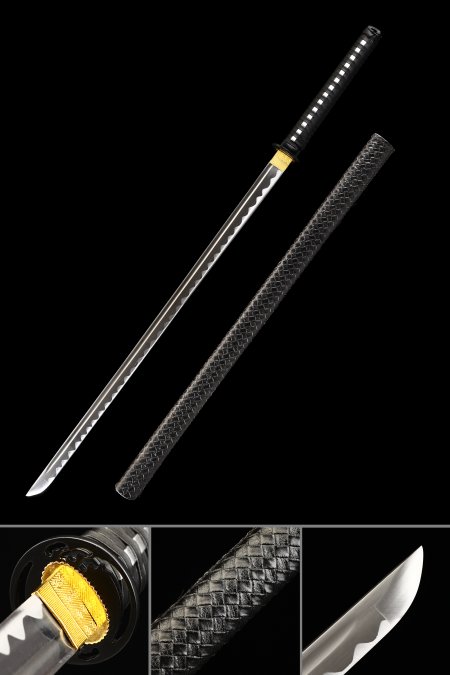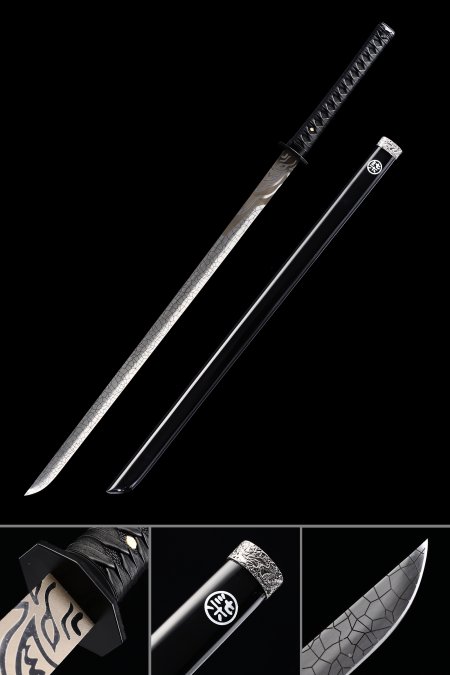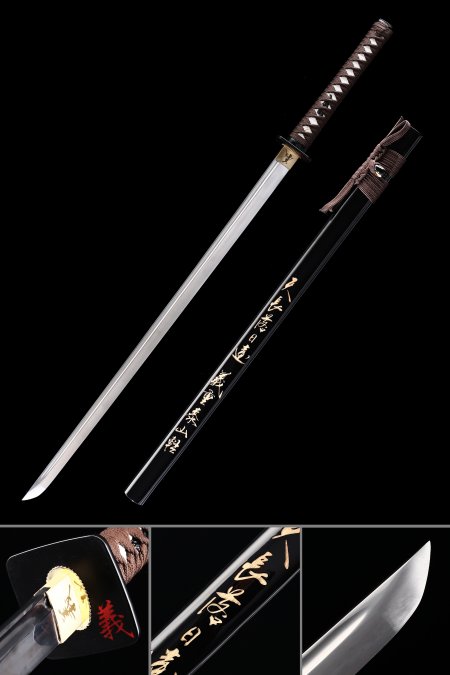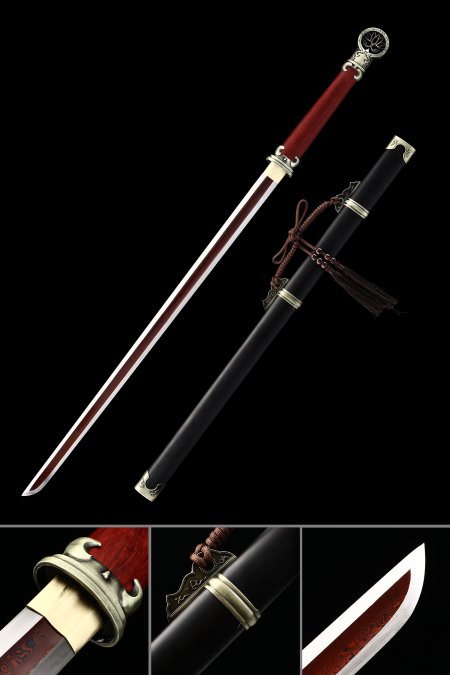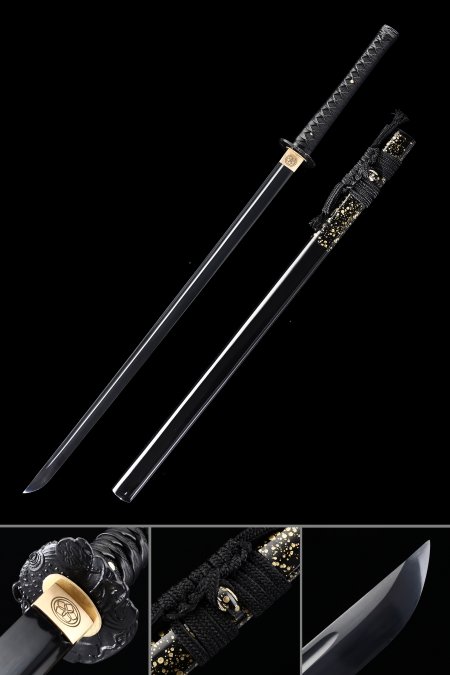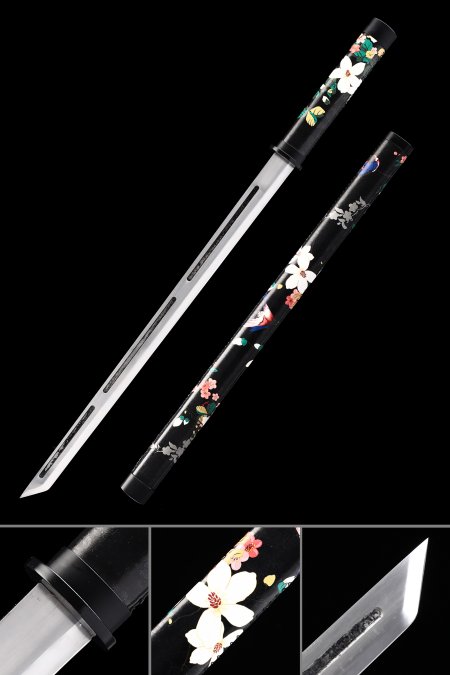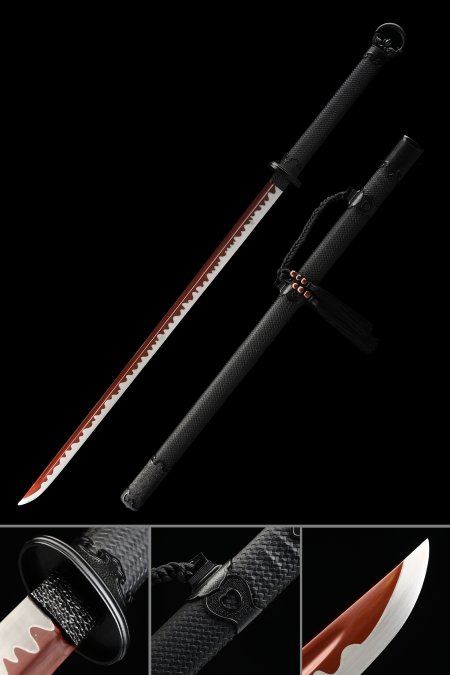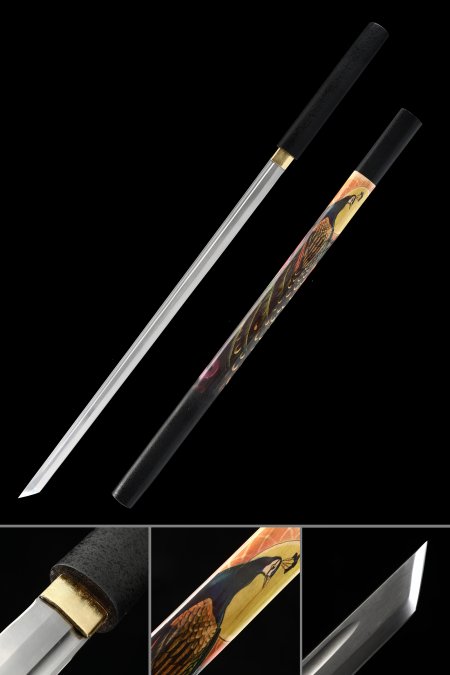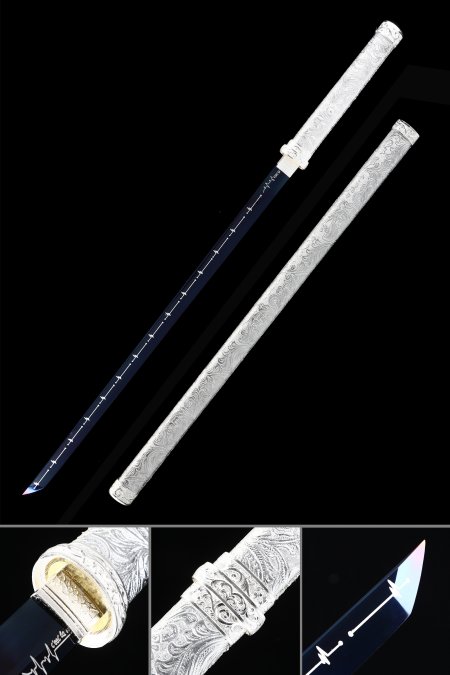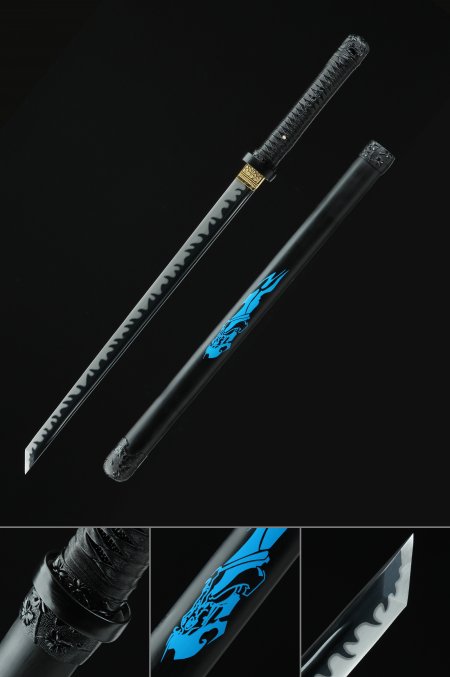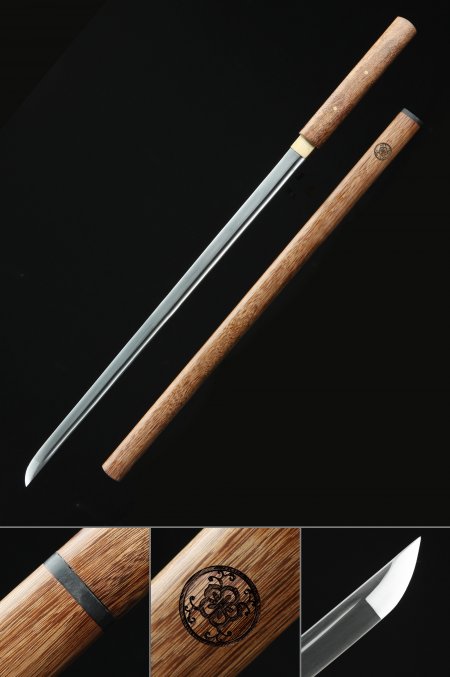
Plain Tsuba Ninjato

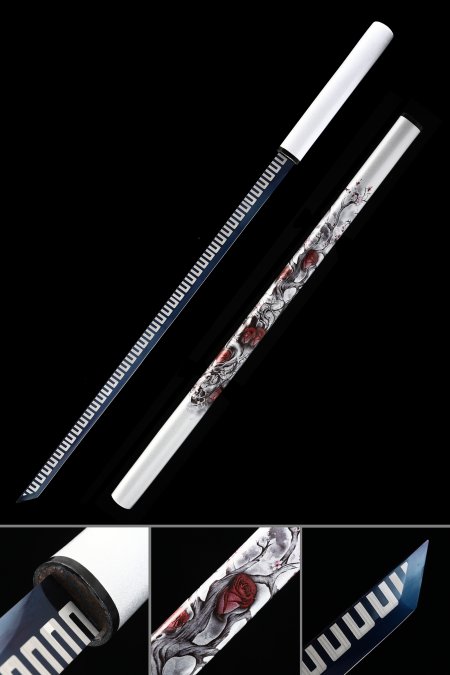
Plain Tsuba Ninjato swords offer collectors a study in purposeful minimalism - straight blades, unadorned guards, and hand-fitted hardwood saya that let the craftsmanship speak without ornament. Each piece in this collection is built on full-tang construction with hand-selected steels including 1045 carbon, T10 clay-tempered, and high manganese, finished to exacting standards for the discerning display collector. Enjoy free shipping on all orders, plus hassle-free returns.
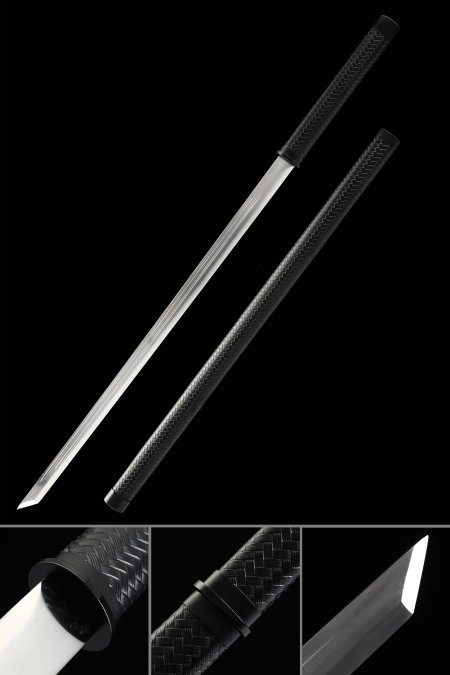
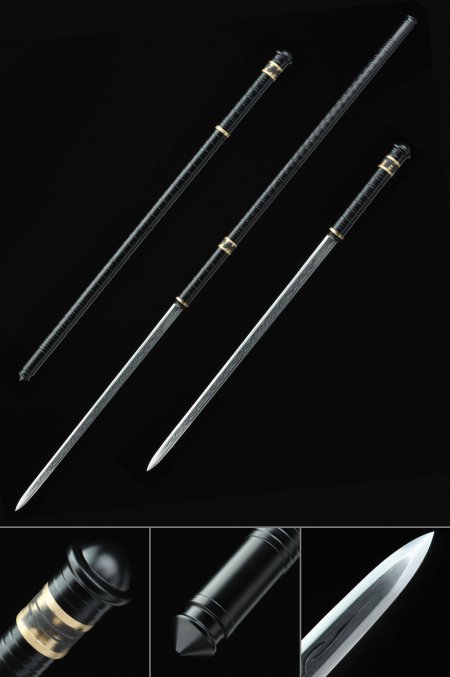
Showing 47 Products

Frequently Asked Questions

What makes a plain tsuba different from a decorative one?
A plain tsuba is a guard with no relief carving, pierced motifs, or applied inlay - its surface is left flat, polished, or lightly textured without figurative ornamentation. On a ninjato, this design choice creates a strong visual anchor that draws the eye along the full length of the straight blade rather than interrupting it at the guard. From a collector's standpoint, a plain tsuba is often harder to execute well than a decorative one: the absence of ornament means every edge radius, surface finish, and fit against the habaki is fully visible. Iron plain tsuba are traditional; some modern collectible pieces use mild steel or alloy variants finished to a similar matte grey. The distinction matters when assessing a piece because the material affects both patina development over time and the overall weight balance of the mounted display sword.
How does T10 clay-tempered steel differ from 1045 in a ninjato?
T10 is a high-carbon tool steel with trace tungsten content that increases wear resistance at the surface grain level. When clay is applied to the spine before the quench, the edge cools faster than the spine, producing a genuine hamon - a visible differential hardening line that runs along the blade. This is a traditional Japanese heat-treatment technique and is considered a mark of higher craftsmanship in collectible swords. By contrast, 1045 carbon steel has a lower carbon content (roughly 0.45% vs T10's ~1.0%), making it tougher and more forgiving but without the capacity to develop a true hamon through clay tempering. For display collectors, the practical difference is primarily visual: a T10 clay-tempered ninjato will show more surface activity and light variation along the blade, while a 1045 piece will have a cleaner, more uniform finish.
Is manganese steel a good choice for a ninjato display collectible?
High manganese steel - typically in the 65Mn range - is a spring steel alloy with excellent elasticity and surface hardness, making it a popular choice for ninjato blades intended for display collections that are occasionally handled. It holds a polished or blackened surface finish particularly well, which is why many hammered-texture and black-blade ninjato in this collection are built on manganese steel. The manganese content also contributes to a finer grain structure than basic carbon steel, which translates to a blade that photographs cleanly and resists minor surface oxidation better under normal indoor display conditions. One practical note: manganese steel does still benefit from a light mineral oil application every few months, especially in coastal or humid environments, to maintain the blade finish over the long term.
How should I store a ninjato in its saya for long-term display?
For long-term display, store the ninjato horizontally or at a slight upward angle with the edge facing upward - the same convention used for katana storage. Keeping the blade in the saya protects it from ambient dust and humidity fluctuation, but the saya itself should be inspected periodically: wood and lacquered saya can trap moisture against the blade if the fit becomes too tight after seasonal expansion. Remove the blade every two to three months, wipe it clean with a soft cloth, apply a thin coat of food-grade or purpose-made mineral oil, and allow it to sit briefly before re-sheathing. Avoid storing in direct sunlight, which can fade lacquer and accelerate oxidation on exposed metal fittings. A wall-mounted horizontal rack in a climate-controlled interior room is the preferred display method for most collectors.
Can a ninjato collectible be displayed alongside a katana set?
Yes, and many collectors intentionally pair them for the visual contrast. The ninjato's straight chokuto blade creates a compelling geometric counterpoint to the katana's curved profile when displayed side by side on a dual sword stand or mounted horizontally on a wall rack. For a cohesive presentation, match the saya finish - pairing a black lacquer ninjato saya with a similarly finished katana saya creates visual unity, while contrasting natural wood against black leather creates deliberate tension. Handle wrapping color and tsuba style are secondary coordination points. If you are building a thematic display, consider browsing the Ninjato Swords collection for pieces whose hardware finishes align with katana or wakizashi you already own. Full-tang construction in both pieces ensures consistent weight and presence on the same display fixture.

Customer Reviews