Can Damascus steel katana be displayed long-term without rust?
Updated Mar 2026
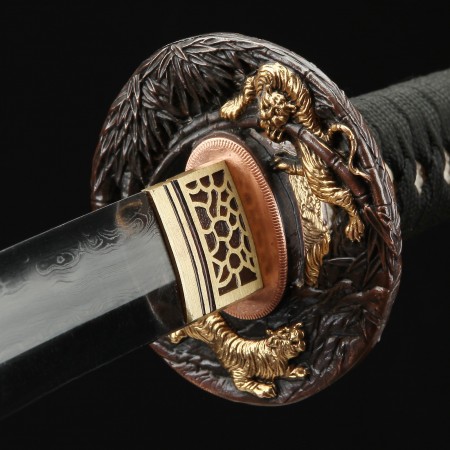
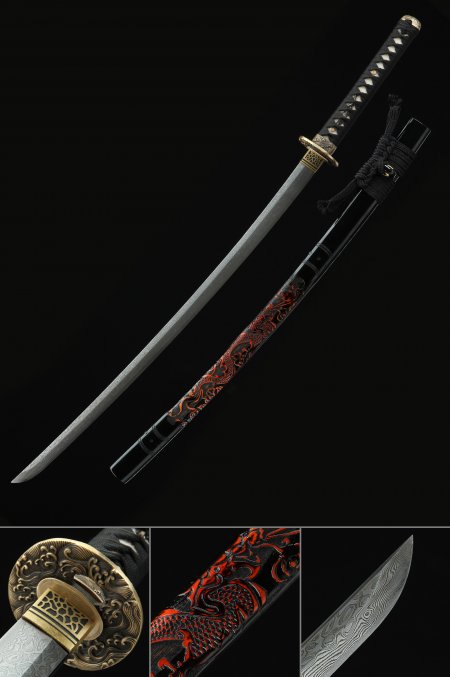
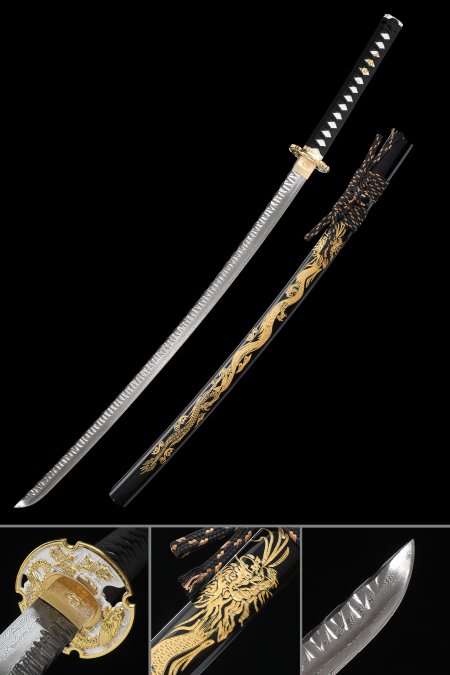
Damascus steel katana - produced by folding and forge-welding two or more steel alloys together - are visually stunning in display settings because the etching process reveals the layered pattern along the blade surface. However, the high-carbon steels used in the Damascus billet are reactive to humidity and will develop surface oxidation if left unprotected. For long-term display, apply a thin film of choji oil or camellia oil to the blade every two to three months, using a soft cotton cloth or dedicated nuguigami wiping paper. In rooms with seasonal humidity fluctuations, consider a display case with a small silica gel packet to stabilize moisture levels. Avoid touching the blade surface with bare hands, as the oils and salts in skin accelerate oxidation on carbon steel. With consistent care, a Damascus collectible katana will hold its patterned surface and overall finish for decades.