What is clay tempering, and how does it affect the blade's appearance?
Updated Mar 2026
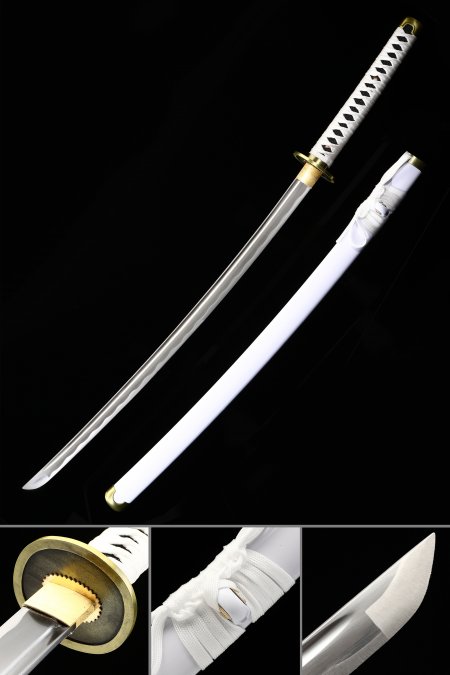
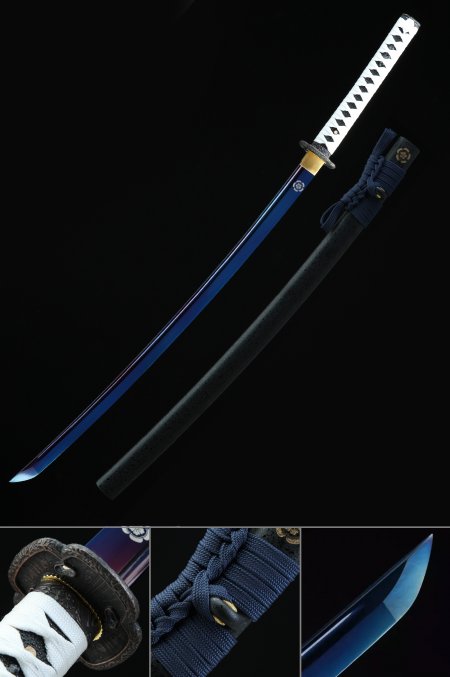
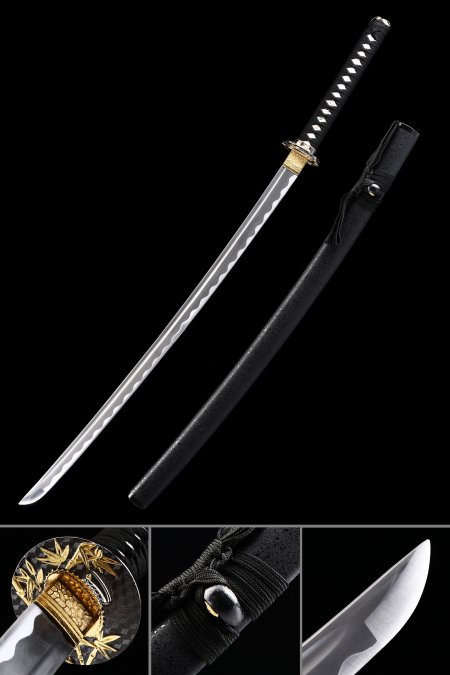
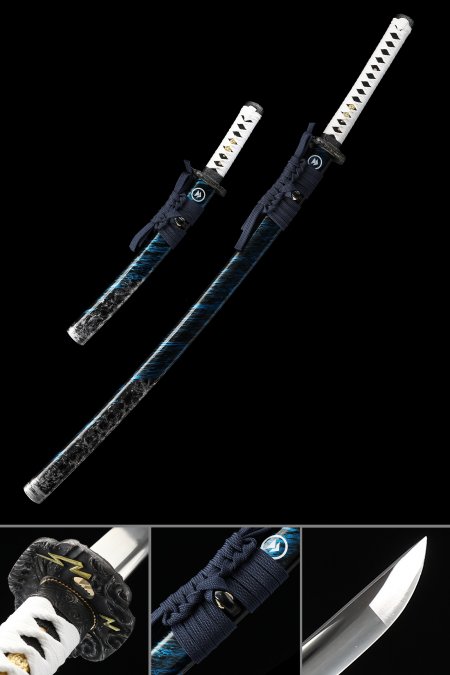
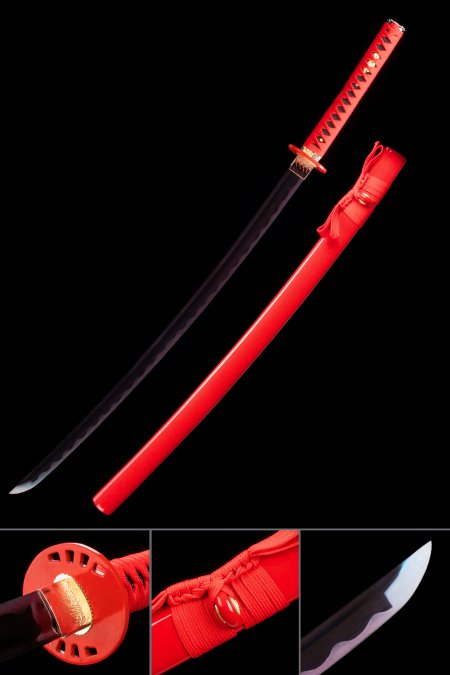
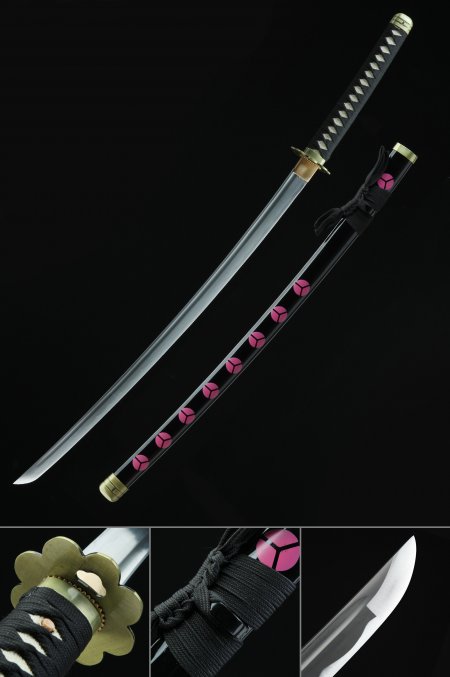
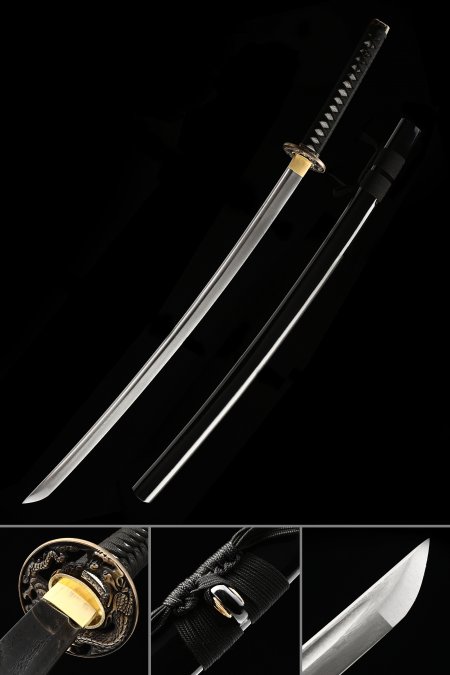
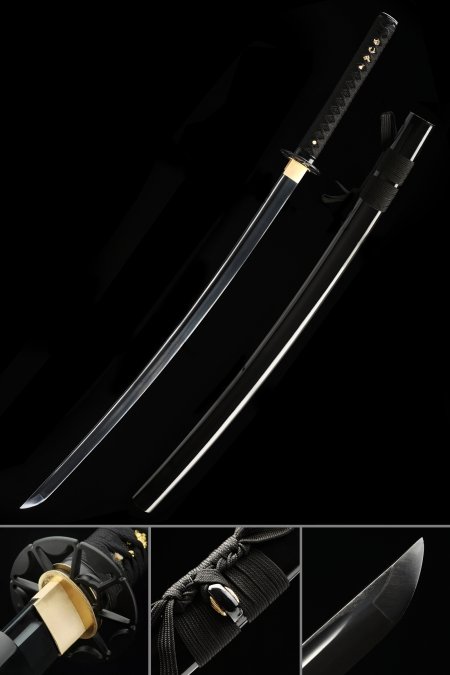
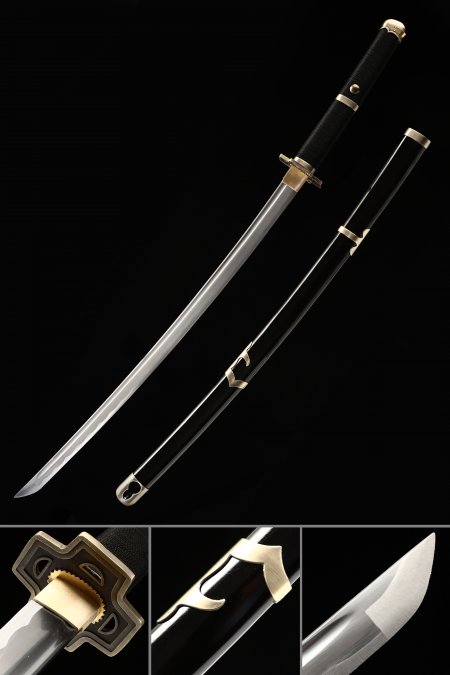
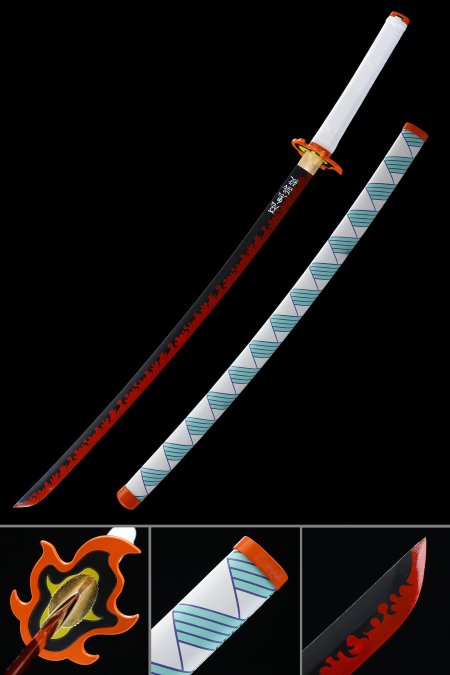
Clay tempering is a traditional heat treatment technique where a layer of refractory clay is applied to the spine of the blade before it is heated and quenched in water or oil. Because the clay-coated spine cools more slowly than the exposed edge, the two zones develop different crystalline structures - hard martensite at the edge for durability, and softer pearlite along the spine for flexibility. The boundary between these zones becomes the hamon, the visible temper line that runs along the length of the blade. No two clay-tempered blades produce an identical hamon; the line's shape, texture, and activity are influenced by the clay application pattern, the steel's carbon content, and the quench speed. For collectors, this means each clay-tempered piece is effectively unique at the metallurgical level, which significantly increases its interest as a display collectible compared to uniformly heat-treated blades.