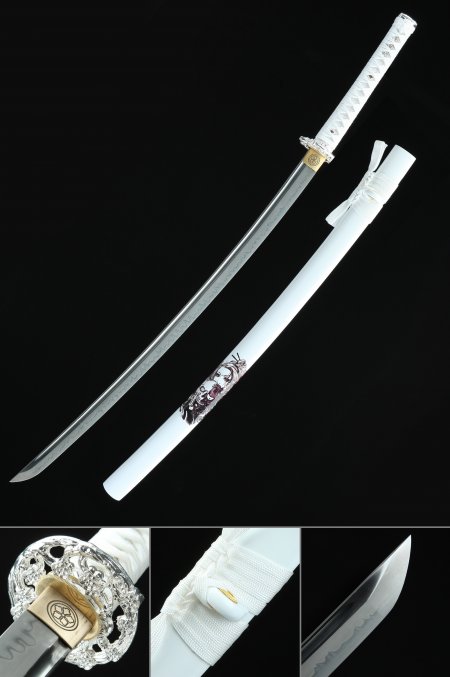
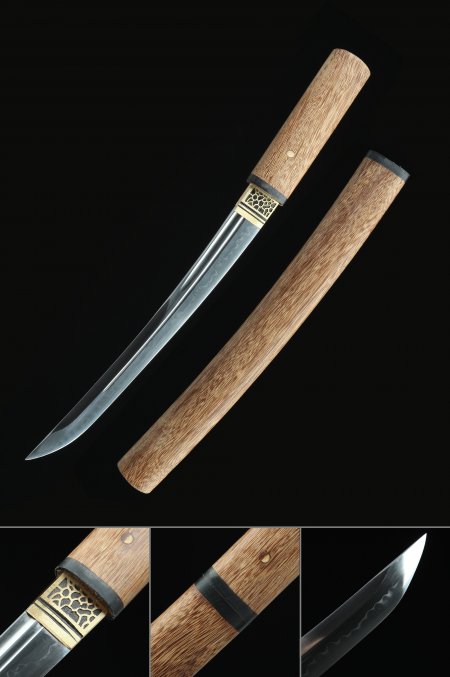
How does T10 clay-tempered steel differ from 1095 in these blades?

 Updated Mar 2026

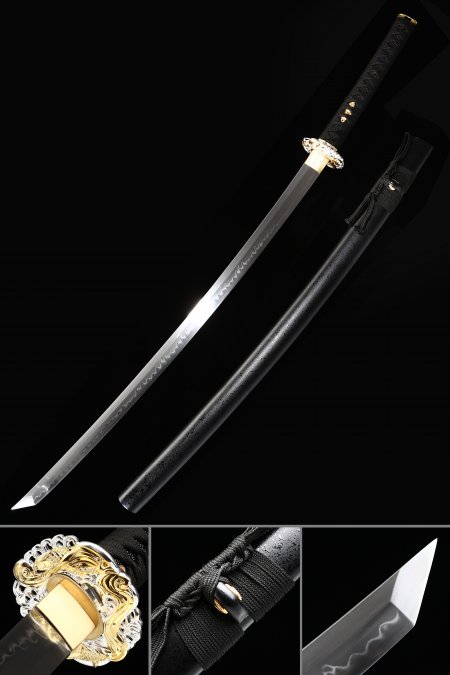
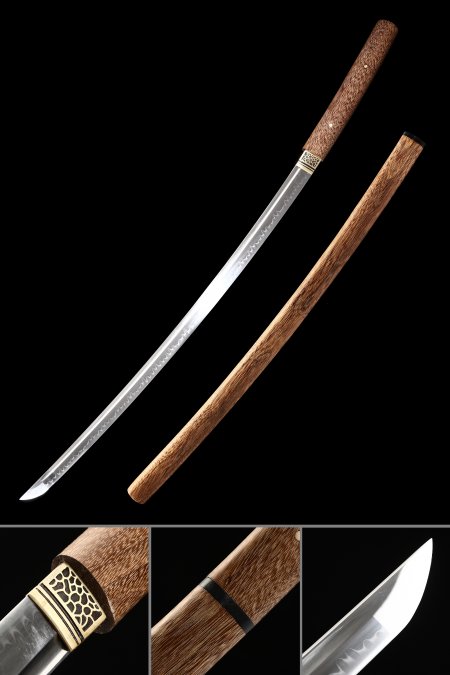
Both are high-carbon steels that polish to a bright, reflective surface, but their internal structure differs meaningfully. 1095 is through-hardened, producing a consistent grain across the blade's cross-section. T10 tool steel contains trace tungsten, which refines the carbide structure and improves wear resistance, but its defining feature in collectible katana is the clay-tempering process: a clay coat is applied to the spine before quenching, causing the edge to cool faster than the body. This differential hardening produces a visible hamon - the misty transition line between hard edge steel and softer spine - with natural nie crystals visible under magnification. Each T10 hamon is unique, which is why collectors treat these blades as individually documented pieces rather than production units.
Popular Products

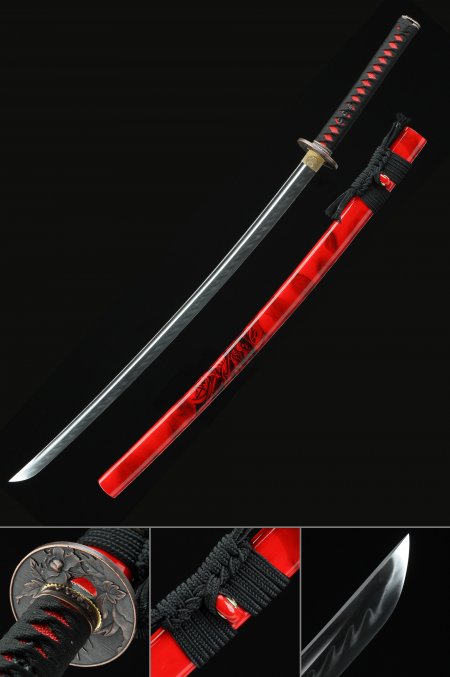
15% OFFred katana
199.00 USD
229.00 USD
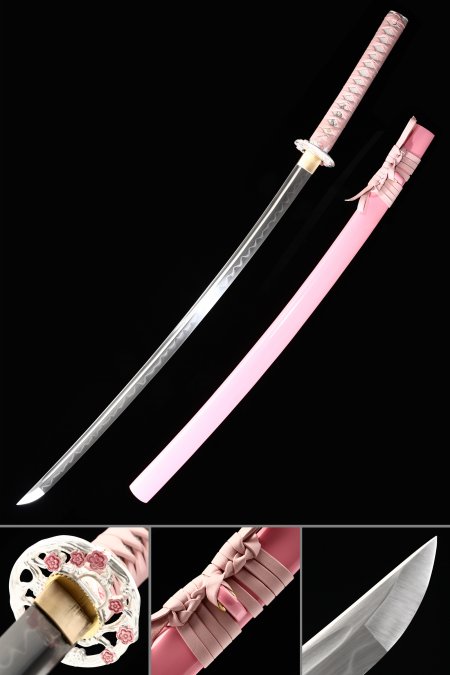
15% OFFpink katana
189.00 USD
219.00 USD
20% OFFshirasaya wakizashi
219.00 USD
269.00 USD
20% OFFfull tang katana
319.00 USD
399.00 USD
15% OFFblack katana
199.00 USD
229.00 USD
15% OFFshirasaya tanto
149.00 USD
179.00 USD
20% OFFshirasaya katana
209.00 USD
259.00 USD
20% OFFjapanese katana
169.00 USD
209.00 USD
20% OFF
259.00 USD
329.00 USD
20% OFFblue katana
209.00 USD
259.00 USD
15% OFFwhite katana
209.00 USD
249.00 USD
15% OFFshirasaya tanto
149.00 USD
179.00 USD
15% OFFred katana
199.00 USD
229.00 USD
15% OFFpink katana
189.00 USD
219.00 USD
20% OFFshirasaya wakizashi
219.00 USD
269.00 USD
20% OFFfull tang katana
319.00 USD
399.00 USD
15% OFFblack katana
199.00 USD
229.00 USD
15% OFFshirasaya tanto
149.00 USD
179.00 USD
20% OFFshirasaya katana
209.00 USD
259.00 USD
20% OFFjapanese katana
169.00 USD
209.00 USD
20% OFF
259.00 USD
329.00 USD
20% OFFblue katana
209.00 USD
259.00 USD
15% OFFwhite katana
209.00 USD
249.00 USD
15% OFFshirasaya tanto
149.00 USD
179.00 USD

Explore Our Collections