How does a tachi differ from a katana in blade geometry?
Updated Mar 2026
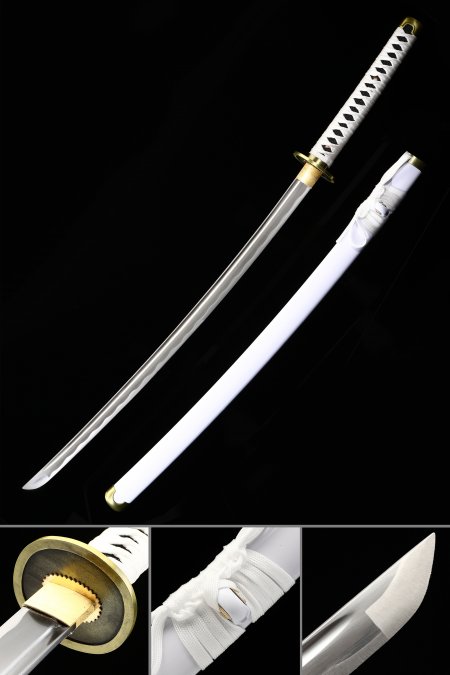
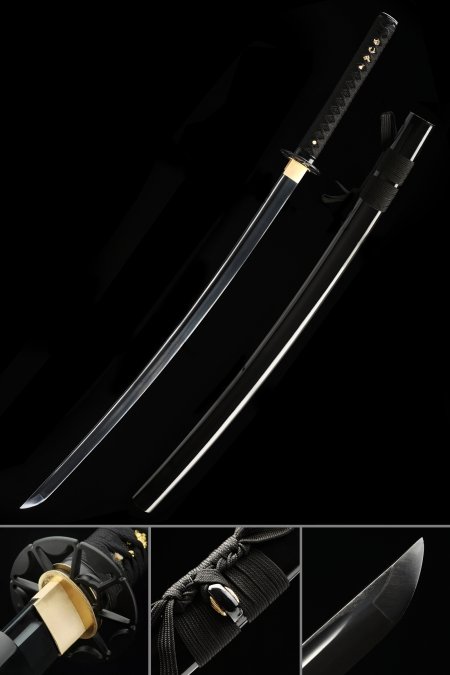
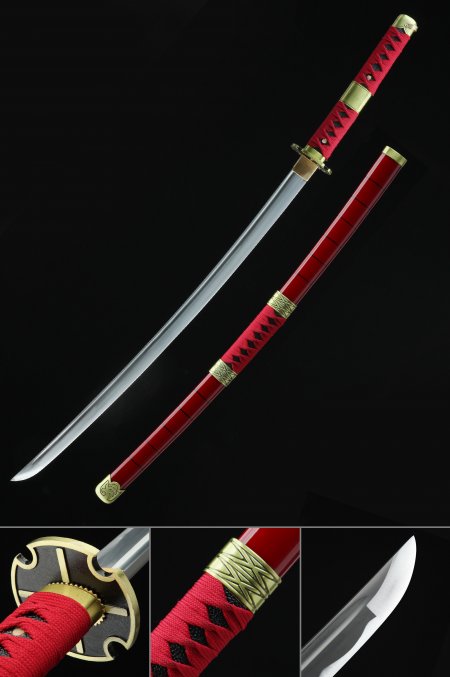
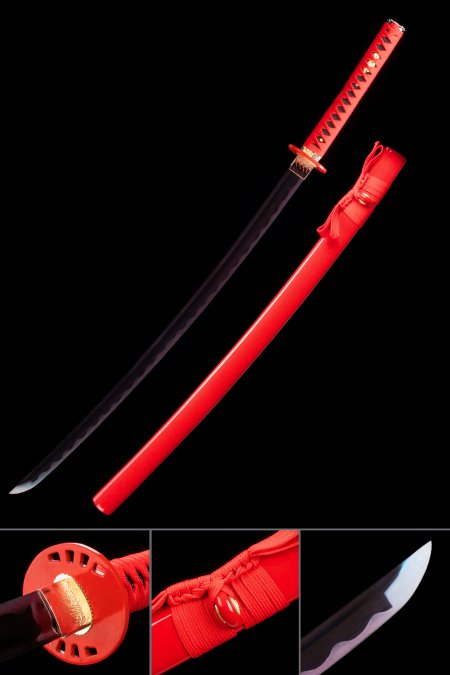
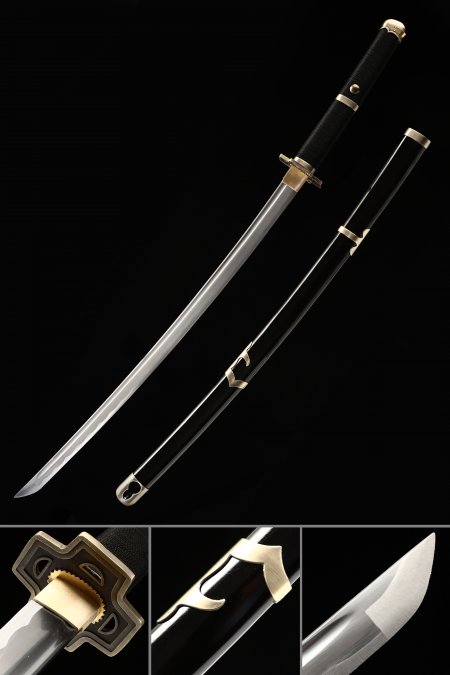
The most measurable difference is curvature and length. A tachi typically carries a deeper sori - the arc from the mune-machi to the tip - and a longer nagasa, often 70 cm or more along the cutting edge. This curvature was optimized for a drawing motion performed on horseback, where the sword needed to clear the scabbard in a sweeping arc rather than a rapid upward pull. The tachi also tends to position its widest point of curvature closer to the middle of the blade rather than near the habaki, giving it a more fluid, crescent-like silhouette. These geometric differences are not cosmetic - they change how the sword balances in the hand and how it reads visually on a display stand. Collectors who place a tachi and katana side by side immediately notice that the tachi commands more presence due to its pronounced sweep and extended profile.