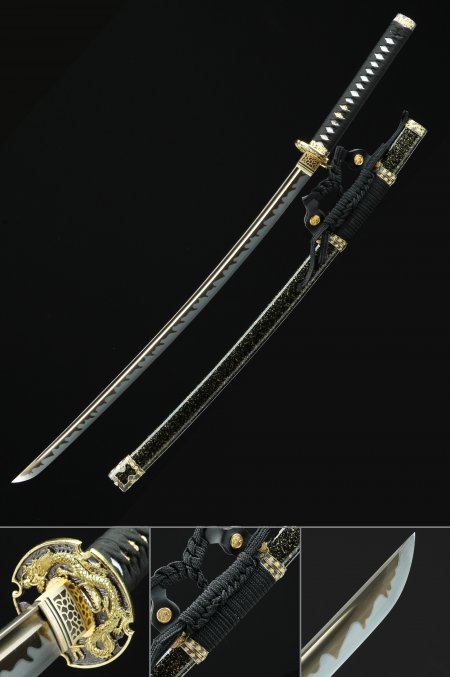
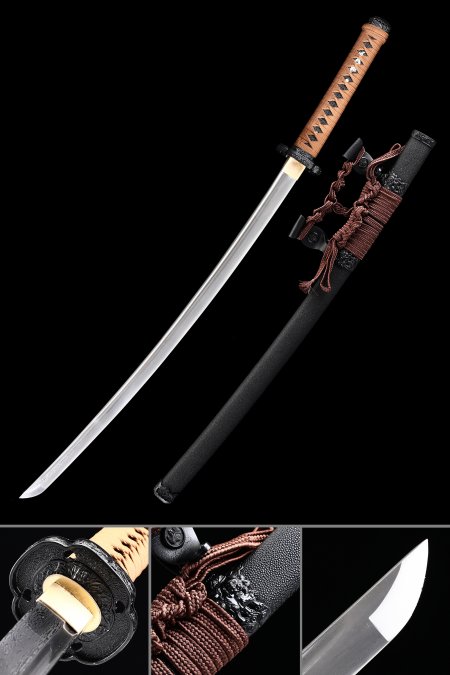
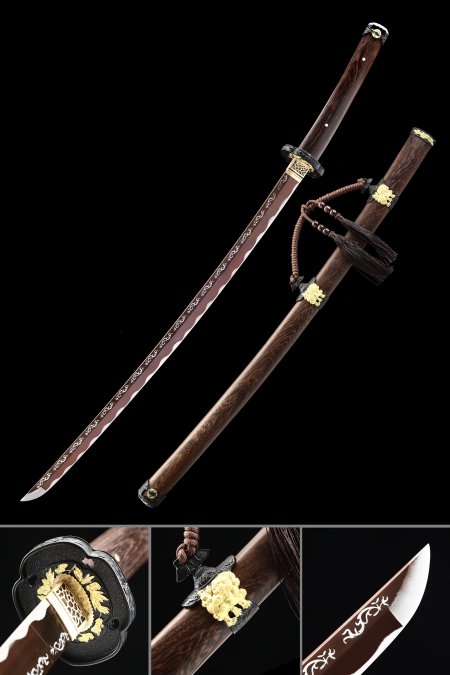
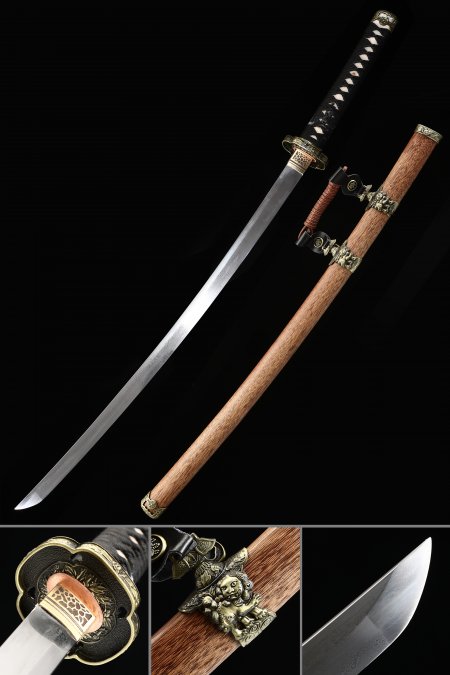
What makes a scroll tsuba different from a plain iron tsuba?
Updated Mar 2026
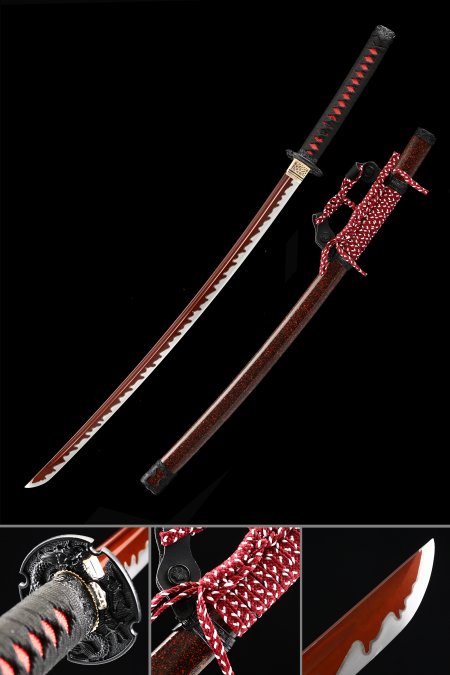
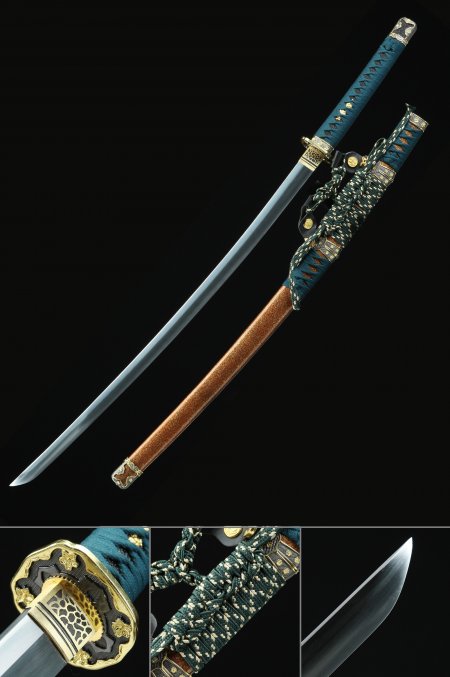
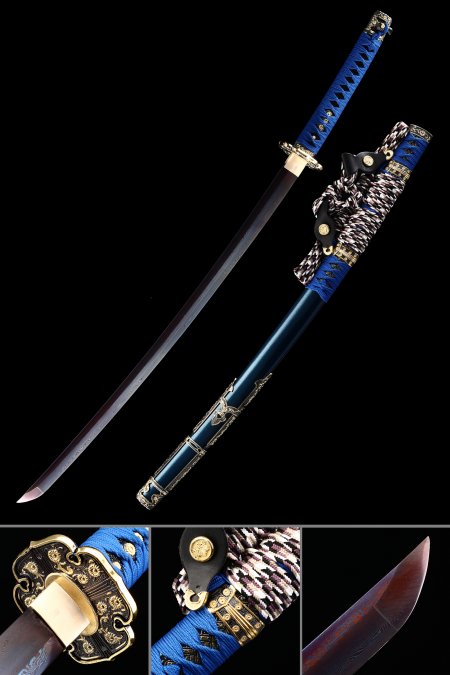
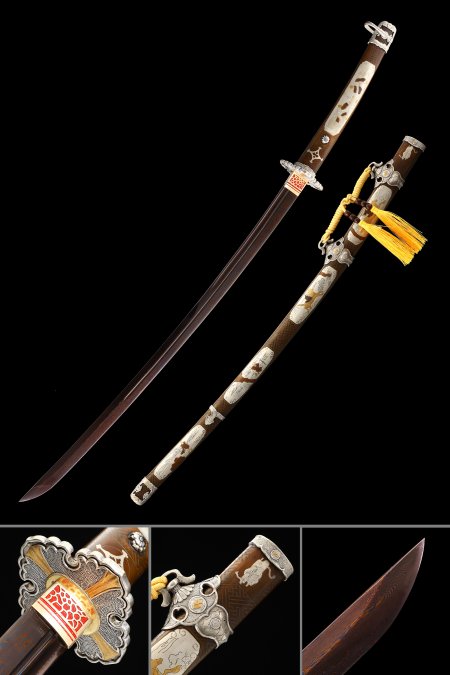
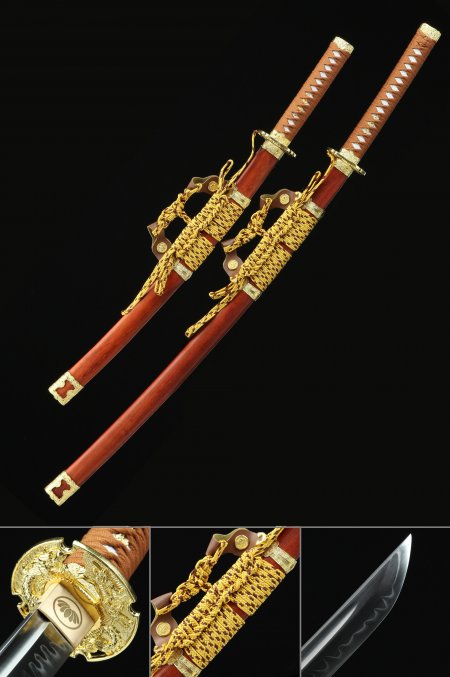
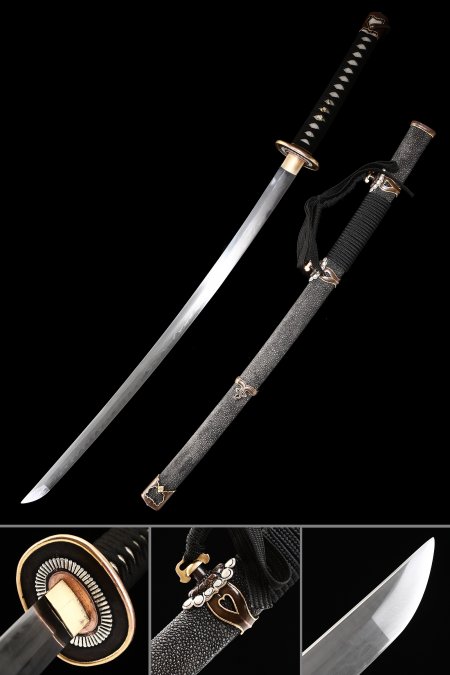
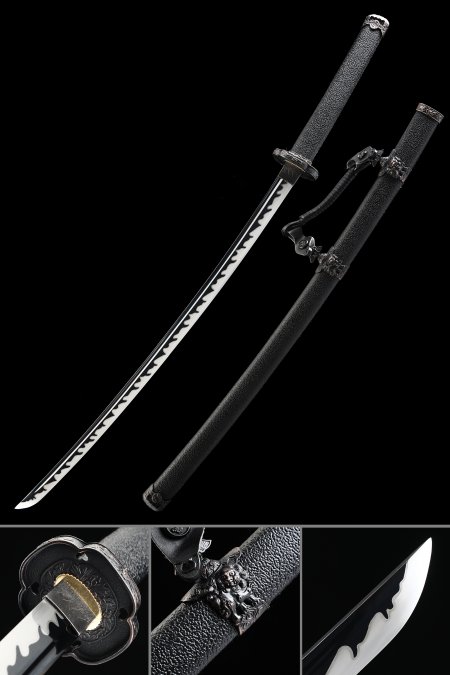
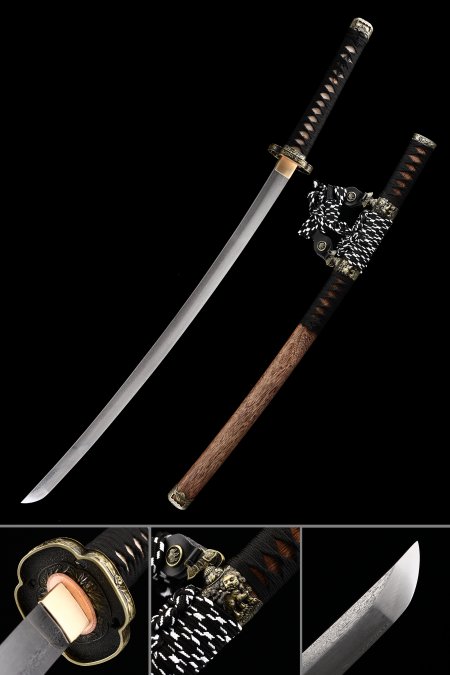
A scroll tsuba is distinguished by decorative relief carving, openwork (sukashi), or cast motifs featuring flowing botanical or geometric scroll patterns - as opposed to a plain iron tsuba, which is smooth, undecorated, and historically prized for its austere wabi aesthetic. Scroll tsubas were typically associated with formal or ceremonial tachi rather than field use, and were often fabricated from softer, more workable alloys such as bronze, shakudo (copper-gold alloy), or shibuichi (copper-silver alloy) to allow finer detail work. In collectible pieces, scroll tsubas in bronze or gold-tone finishes signal a formal or court-inspired mounting, making them the visual centerpiece of the entire koshirae assembly.