How does T10 steel differ from 1095 in a display katana?
Updated Mar 2026
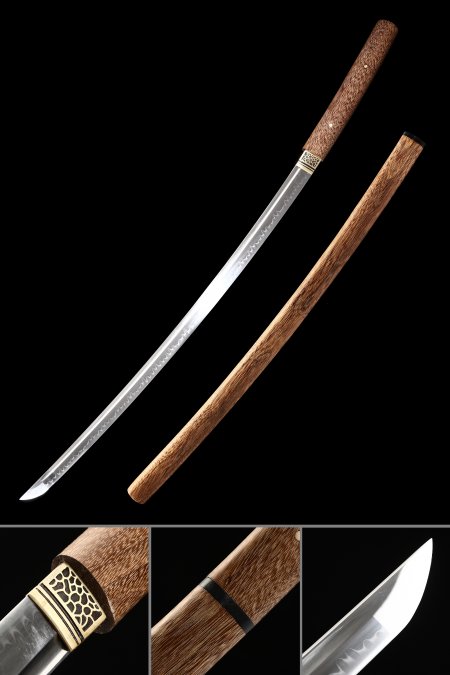
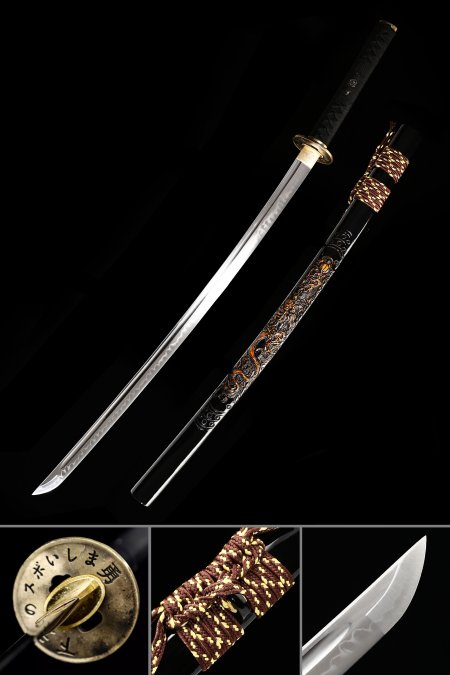
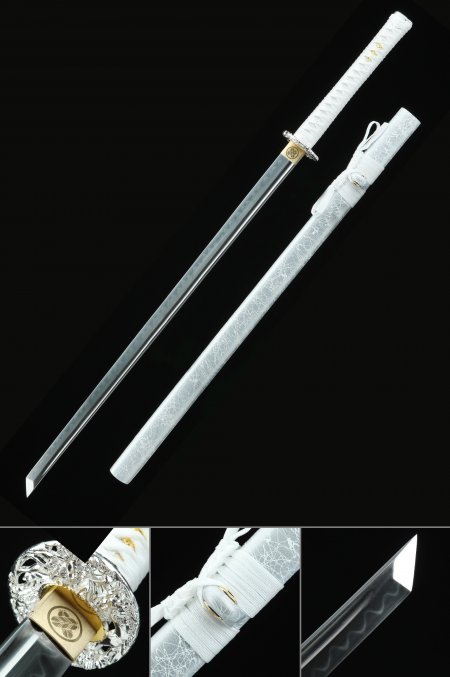
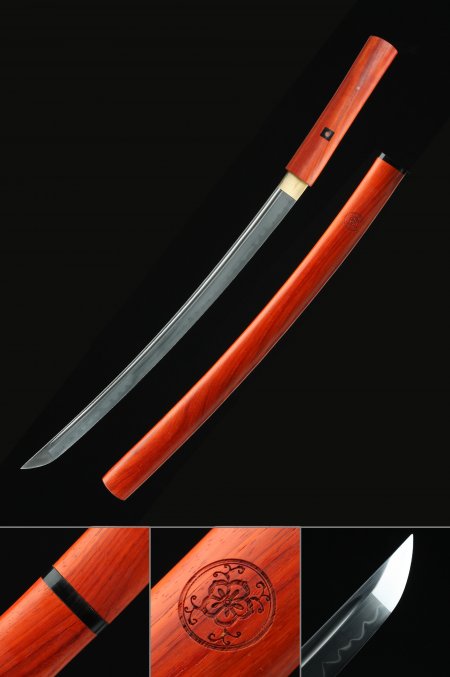
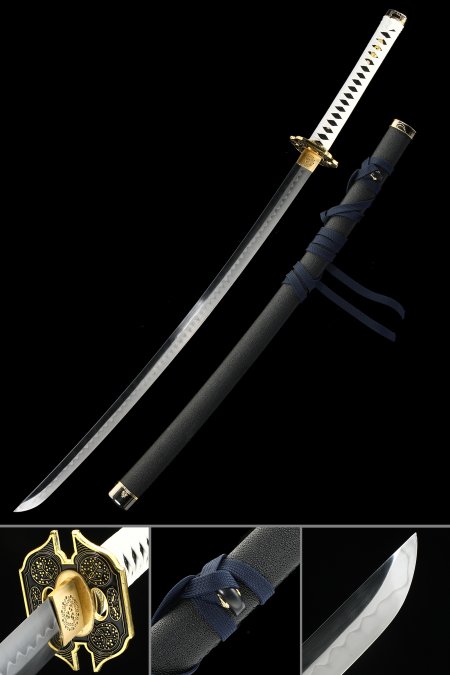
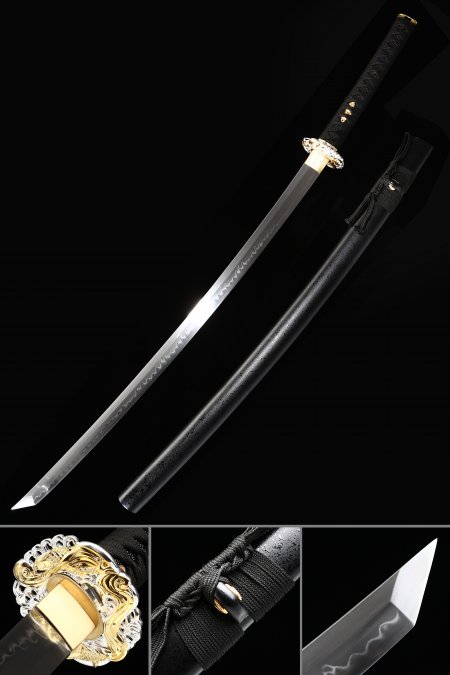
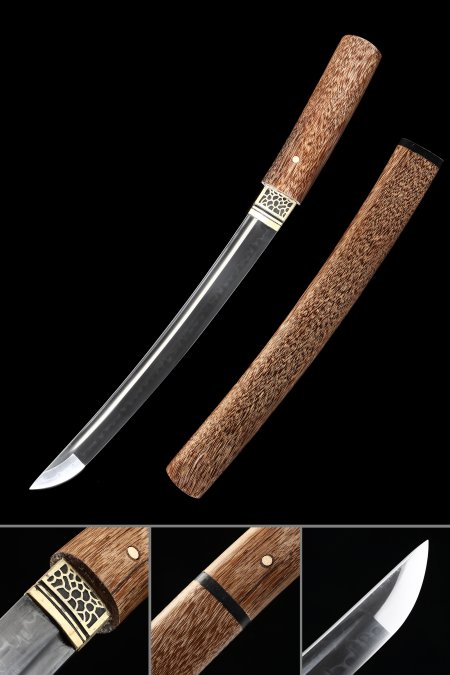
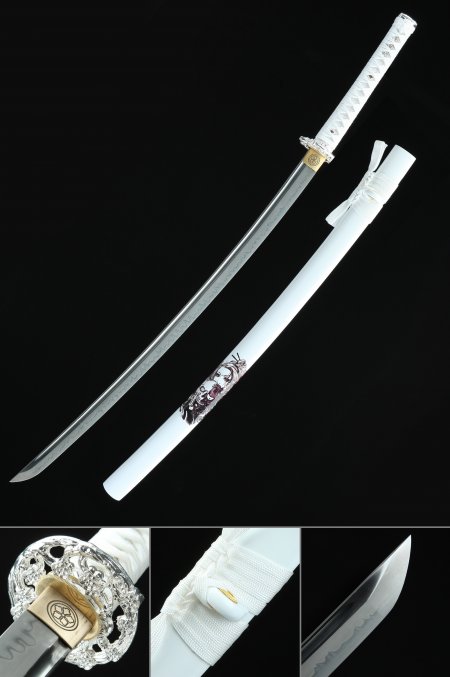
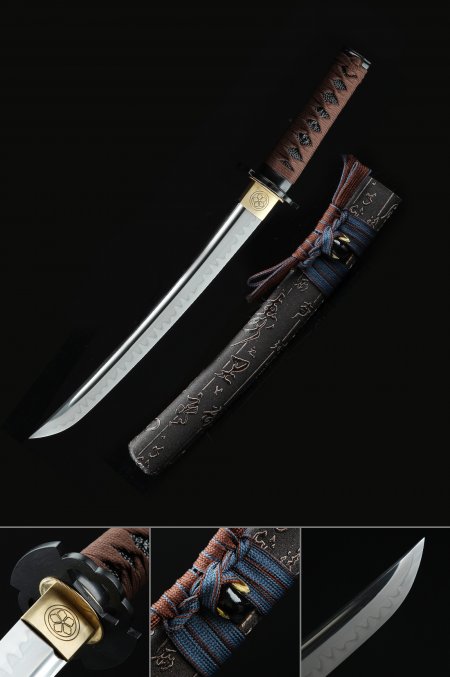
Both are high-carbon steels well suited to katana construction, but they differ in alloy composition and the visual characteristics they produce. T10 steel contains a small percentage of tungsten, which refines grain structure and contributes to a harder, more wear-resistant edge that takes a sharper polish. Most importantly for collectors, T10 responds exceptionally well to differential clay-tempering, producing a clearly defined hamon - the wavy temper line along the blade's edge - that is among the most visually compelling features a katana can display. 1095 steel has a simpler carbon-manganese composition, making it somewhat tougher under stress and easier for smiths to work consistently. Its hamon is typically less pronounced than T10, but the blade develops a beautiful satin finish and carries excellent long-term stability. For a display piece where the hamon is a focal point, T10 is the more rewarding choice. For collectors prioritizing overall blade integrity and a clean polish, 1095 is an equally legitimate option.