How is a genuine hamon temper line created on a Japanese katana?

 Updated Feb 2026

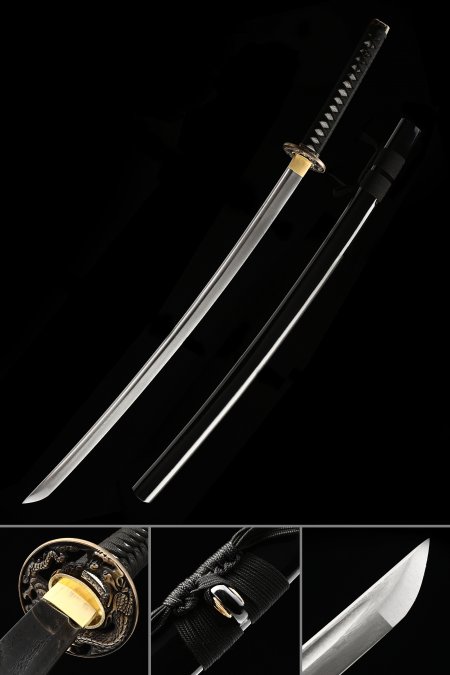
A genuine hamon is produced through differential clay tempering, a traditional Japanese technique. The smith applies a layer of clay mixture to the blade before heating — thin on the cutting edge and thicker along the spine. When the blade is rapidly quenched in water or oil, the thinly coated edge cools fast and transforms into hard martensite steel, while the thickly insulated spine cools slowly and remains as softer, tougher pearlite. The visible boundary between these two structural zones is the hamon. The pattern of the hamon — whether straight (suguha), wavy (notare), or clove-shaped (choji) — depends on how the smith applied the clay. A genuine hamon has organic depth and irregularity, unlike etched or printed lines which appear flat.
Popular Products

20% OFFghost of tsushima sword
299.00 USD
369.00 USD
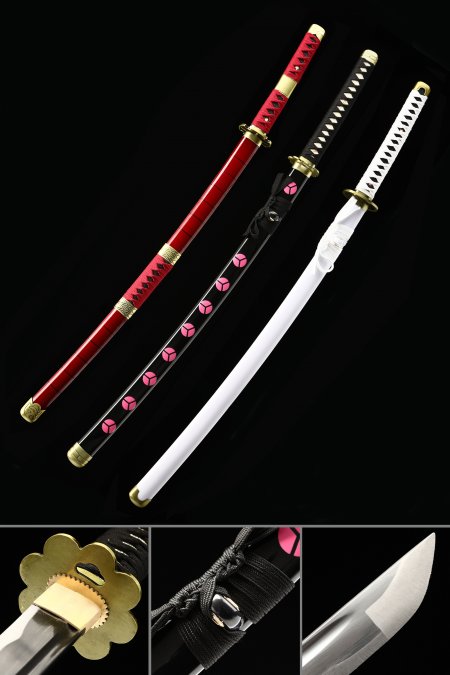
15% OFFzoro sword
139.00 USD
169.00 USD
15% OFFghost of tsushima sword
169.00 USD
199.00 USD
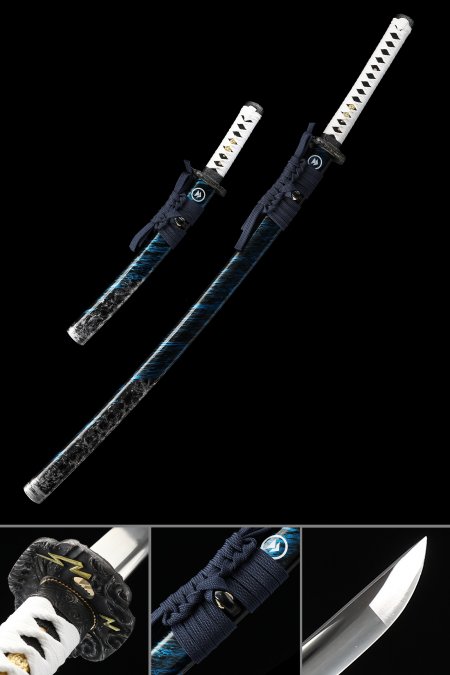
20% OFFblue katana
149.00 USD
189.00 USD
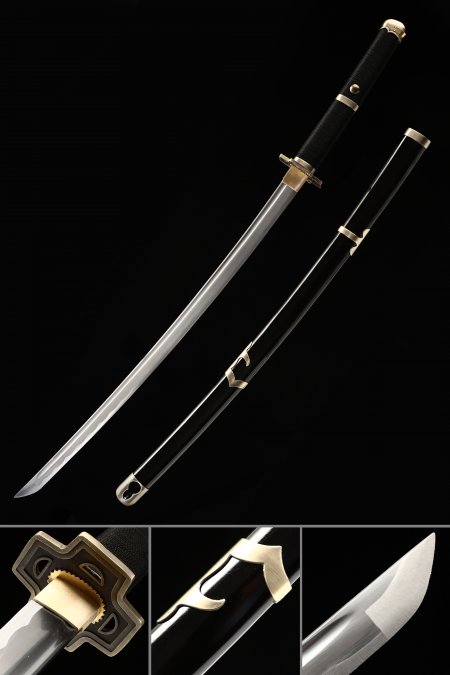
15% OFFzoro sword
139.00 USD
169.00 USD
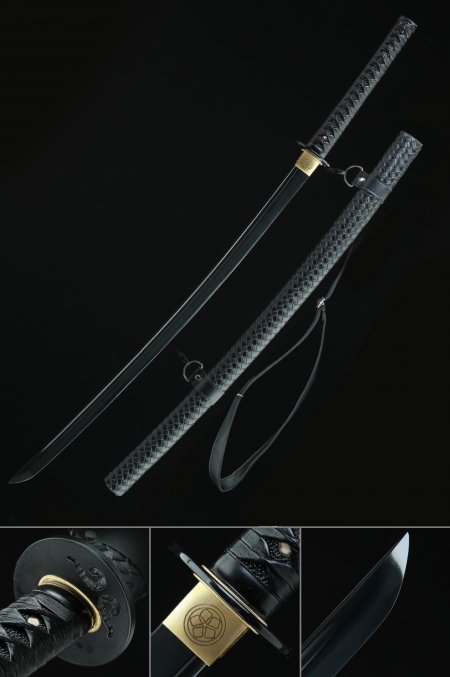
20% OFFblack katana
159.00 USD
199.00 USD
20% OFFrengoku sword
169.00 USD
209.00 USD
15% OFFshusui sword
139.00 USD
169.00 USD
20% OFFred katana
129.00 USD
159.00 USD
20% OFFkatana sword
159.00 USD
199.00 USD
20% OFFzoro swords
349.00 USD
439.00 USD
15% OFFobsidian katana
169.00 USD
199.00 USD
20% OFFghost of tsushima sword
299.00 USD
369.00 USD
15% OFFzoro sword
139.00 USD
169.00 USD
15% OFFghost of tsushima sword
169.00 USD
199.00 USD
20% OFFblue katana
149.00 USD
189.00 USD
15% OFFzoro sword
139.00 USD
169.00 USD
20% OFFblack katana
159.00 USD
199.00 USD
20% OFFrengoku sword
169.00 USD
209.00 USD
15% OFFshusui sword
139.00 USD
169.00 USD
20% OFFred katana
129.00 USD
159.00 USD
20% OFFkatana sword
159.00 USD
199.00 USD
20% OFFzoro swords
349.00 USD
439.00 USD
15% OFFobsidian katana
169.00 USD
199.00 USD

Explore Our Collections