How do brown gold tsuba differ from silver or iron tsuba?
Updated Mar 2026
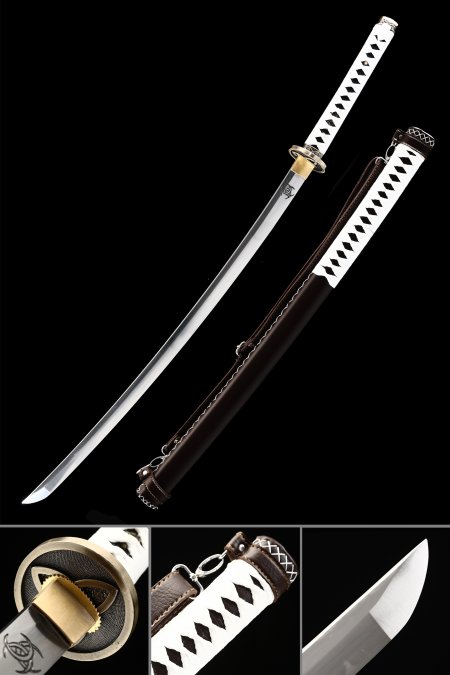
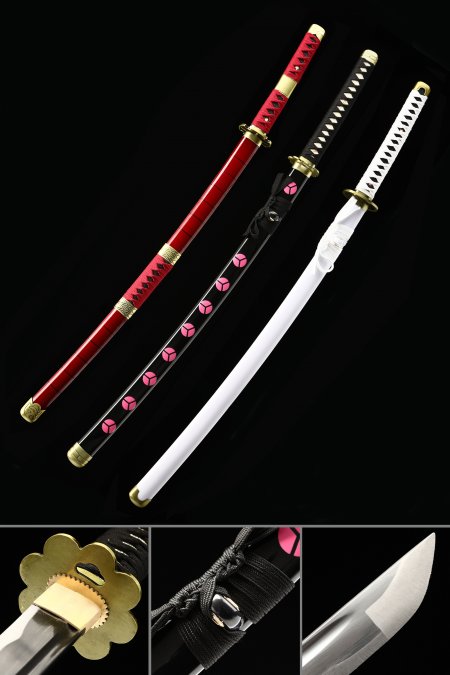
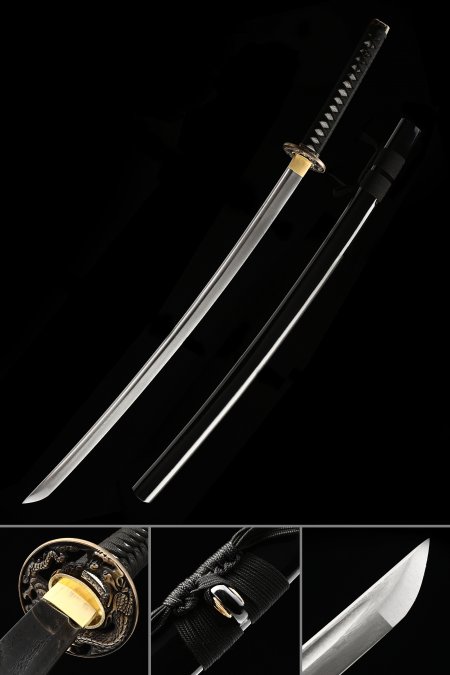
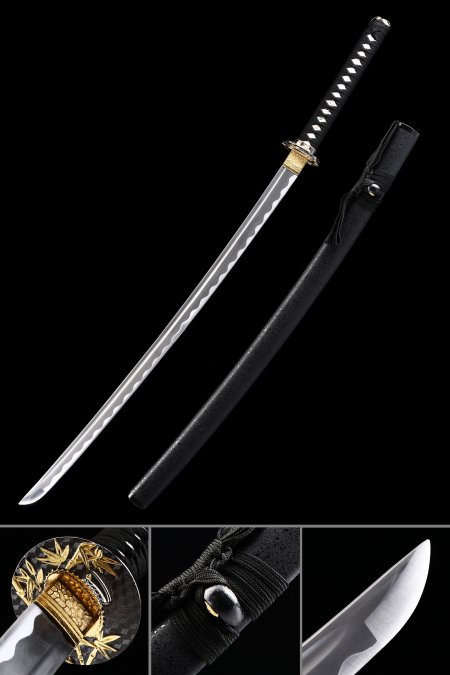
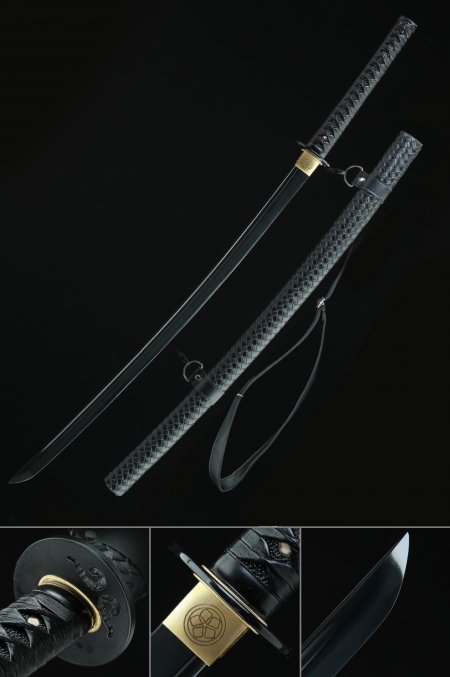
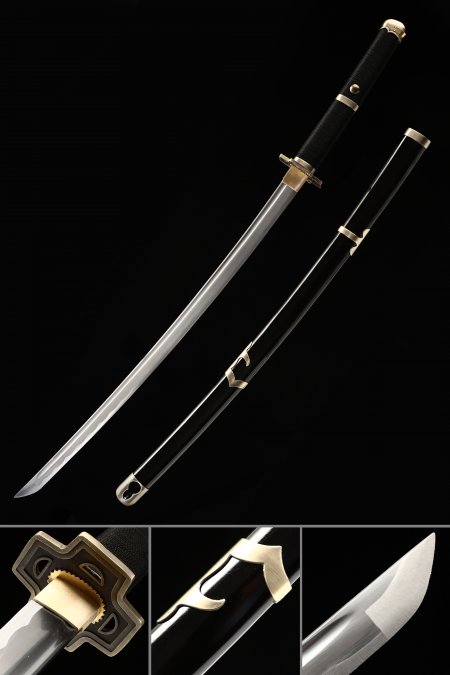
The primary difference is aesthetic register and period association. Silver and polished iron tsuba tend to evoke the more austere aesthetic of late Edo and Meiji period military swords, where restraint and precision were valued. Brown and gold tsuba, by contrast, draw from the more ornate tosogu tradition of earlier periods, where wealthy samurai and daimyo commissioned elaborate guard work as a form of status expression. In practical display terms, gold and bronze-toned guards create warmer overall presentations that pair well with black or dark lacquer saya, while silver or iron guards lean toward cooler, more monochromatic displays. For collectors building a themed arrangement, knowing the tonal language of each guard type helps create visually coherent groupings across multiple pieces.