What materials are used to make brown gold tsuba?
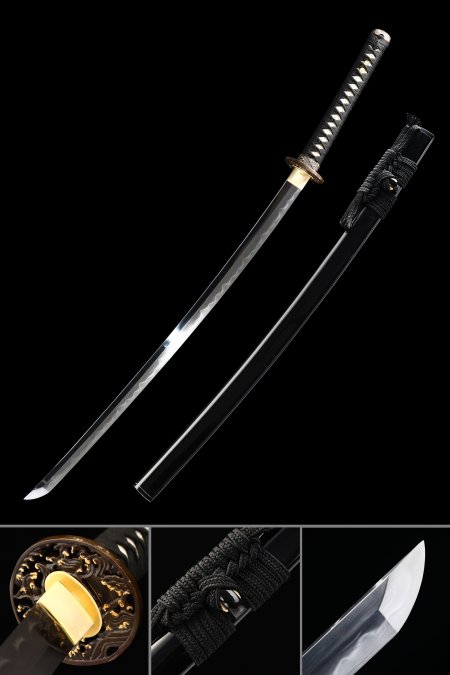
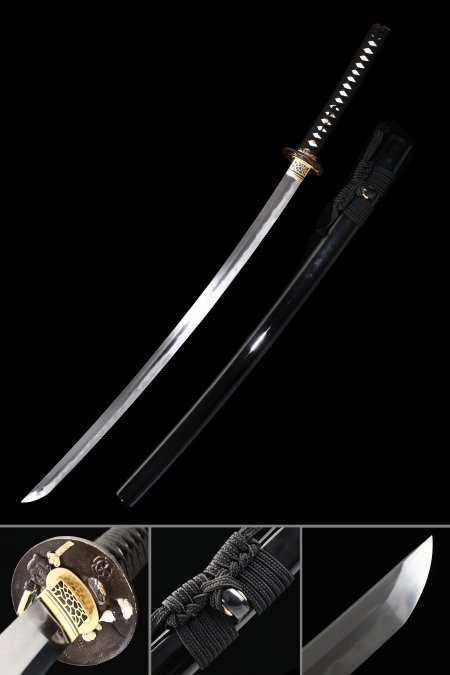
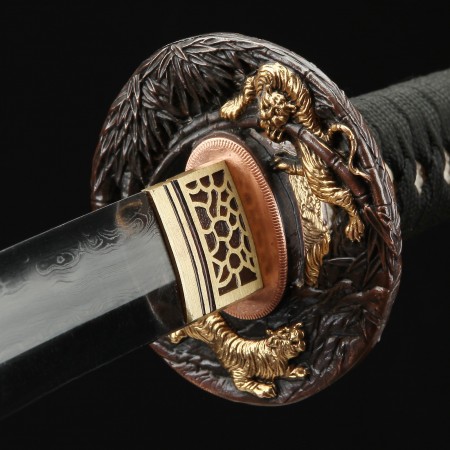
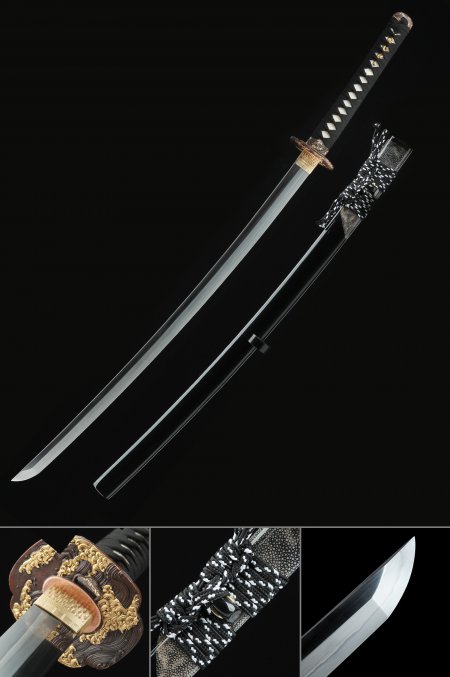
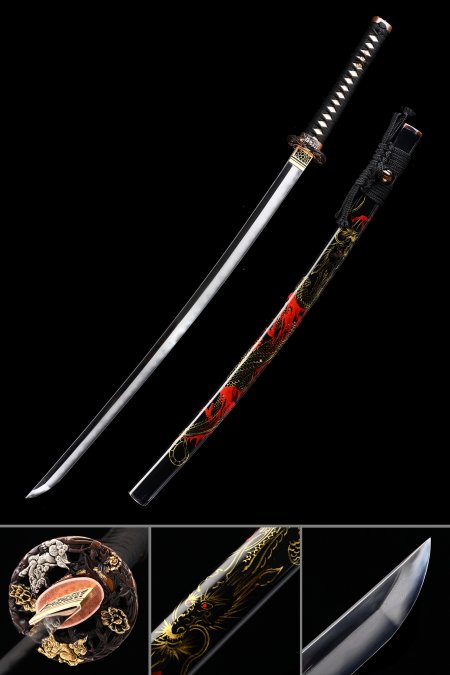
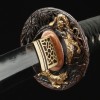
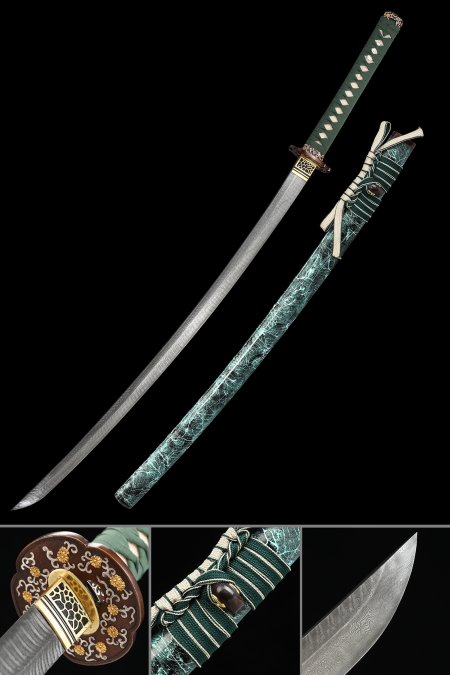
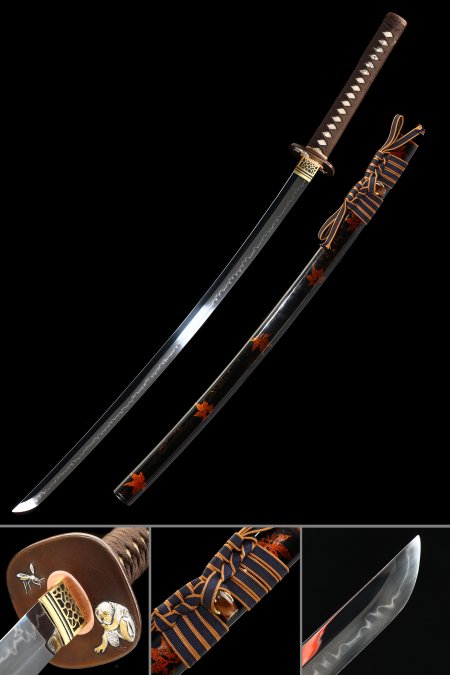
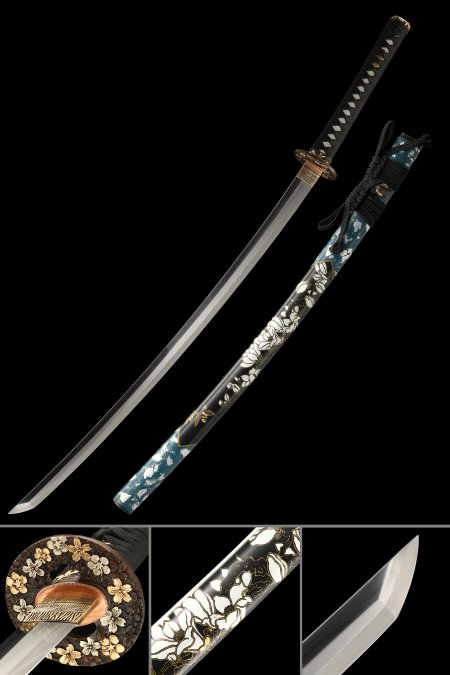
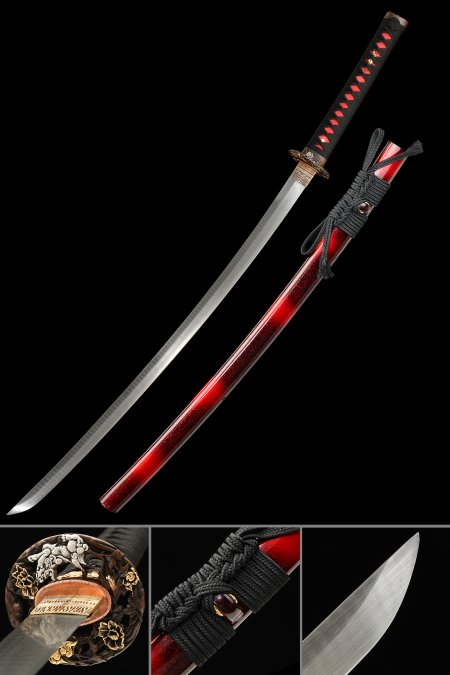
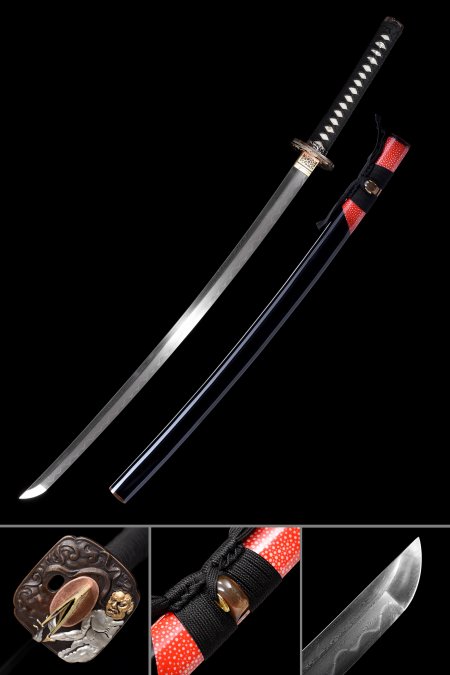
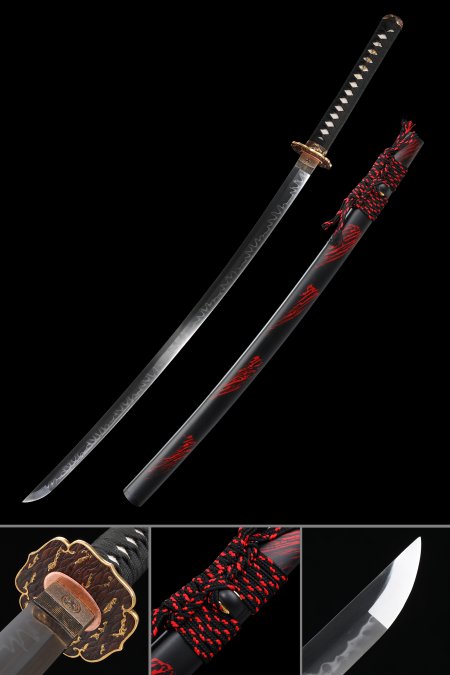
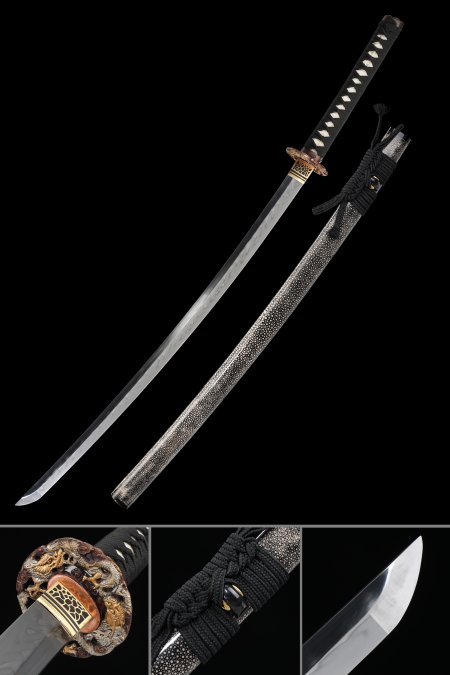
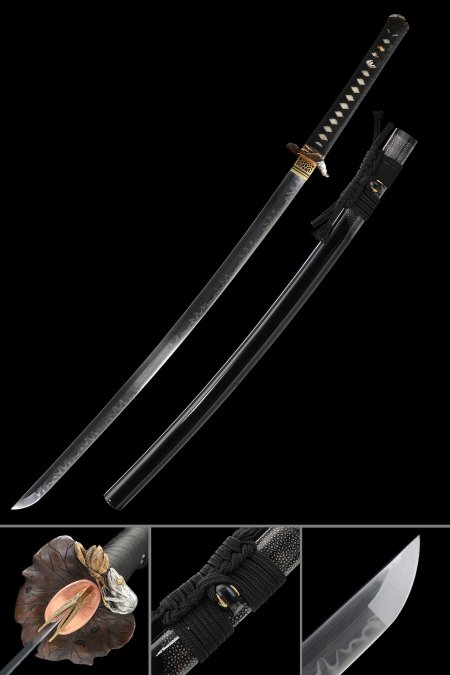
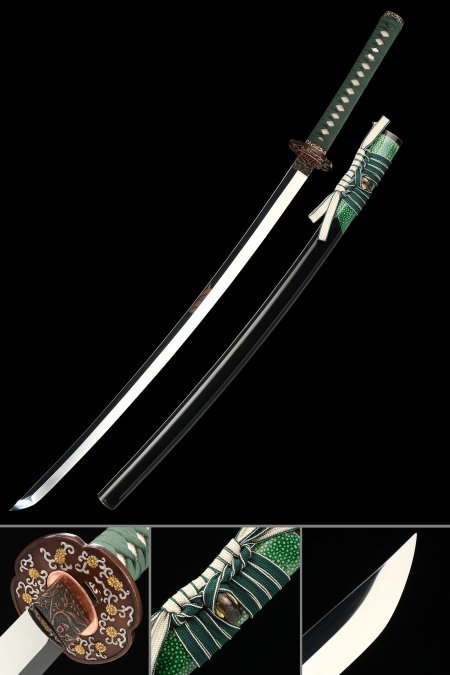
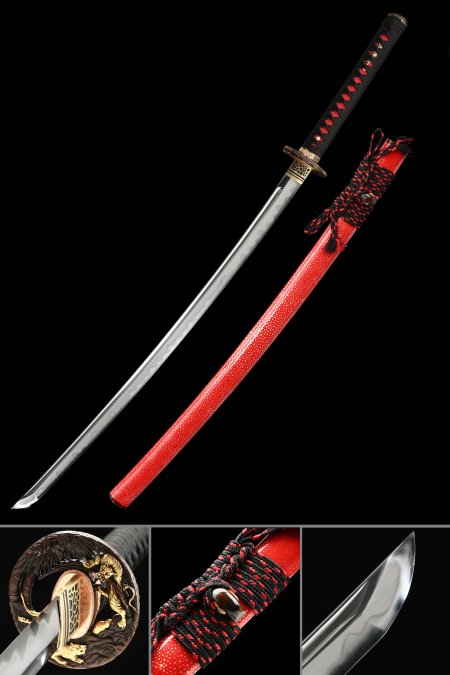
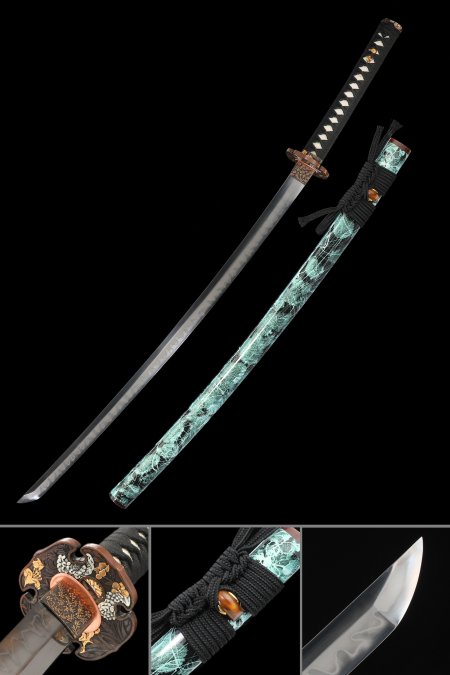
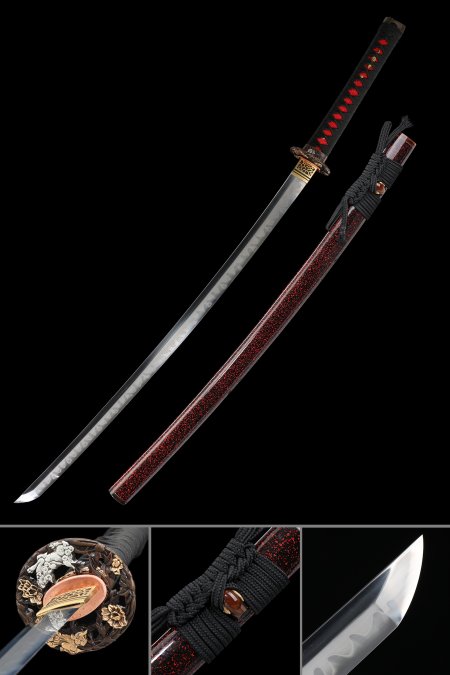
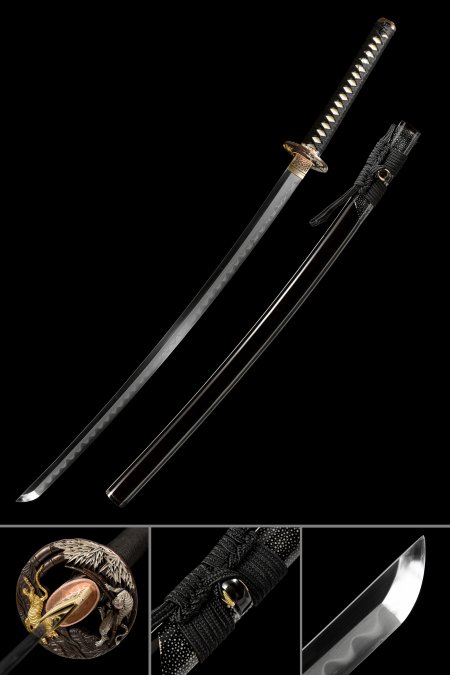
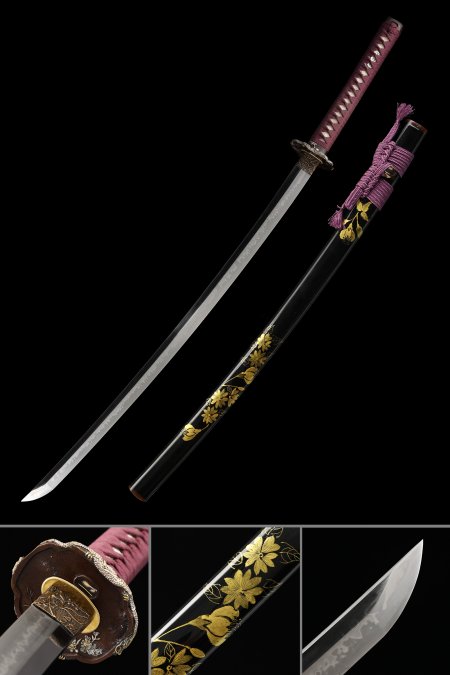
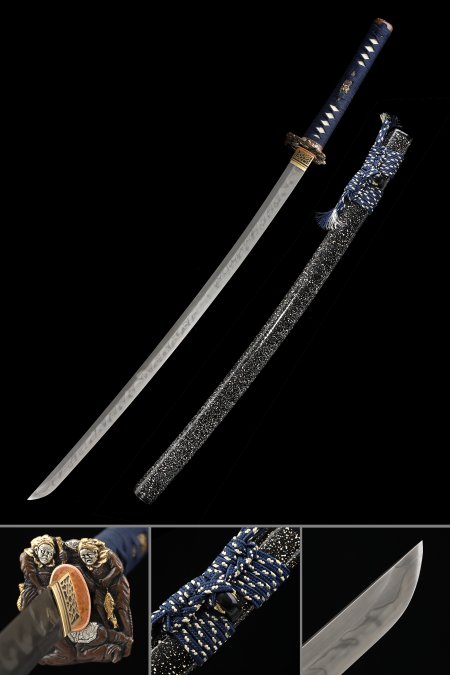
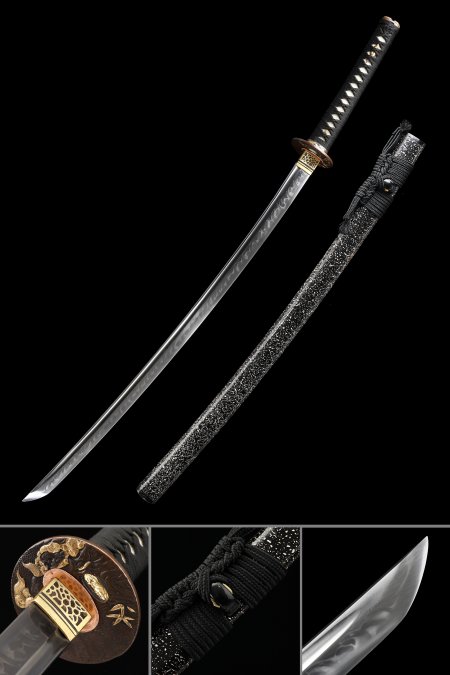
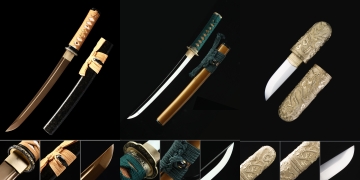
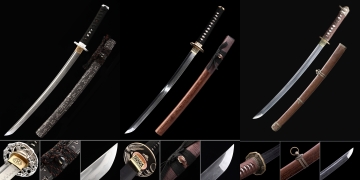
Brown and gold tsuba in this collection are typically cast or hand-carved from iron alloys, brass, or bronze-tone zinc alloys, then finished through oxidation, gilding, or lacquer patination to achieve that characteristic warm metallic tone. Higher-end guards may feature partial gold or silver gilding applied to raised relief details - a technique that echoes the work of historical Japanese tosogu craftsmen. The color is not a surface paint but a result of the finishing process, which means it ages gracefully without flaking. Collectors should note that tsuba finish depth varies: carved iron guards with gold inlay age differently than cast brass guards with painted highlights, so examining product detail photos carefully helps set accurate expectations.
How does a real hamon form on clay-tempered blades?
A real hamon forms during the clay tempering process, where the smith coats the spine of the blade with a thick layer of clay and leaves the edge exposed or thinly coated before quenching in water. The differential cooling rates create two distinct crystalline structures: the harder martensitic edge and the softer pearlitic spine. The boundary between these two zones - visible as a misty, undulating line running along the lower portion of the blade - is the hamon. Because this line is a byproduct of actual metallurgical change rather than acid etching, no two hamon are identical. In T10 and Damascus steel blades, the carbon content of the steel directly influences how vivid and defined the hamon appears, with higher-carbon steels generally producing more dramatic activity.
How do brown gold tsuba differ from silver or iron tsuba?
The primary difference is aesthetic register and period association. Silver and polished iron tsuba tend to evoke the more austere aesthetic of late Edo and Meiji period military swords, where restraint and precision were valued. Brown and gold tsuba, by contrast, draw from the more ornate tosogu tradition of earlier periods, where wealthy samurai and daimyo commissioned elaborate guard work as a form of status expression. In practical display terms, gold and bronze-toned guards create warmer overall presentations that pair well with black or dark lacquer saya, while silver or iron guards lean toward cooler, more monochromatic displays. For collectors building a themed arrangement, knowing the tonal language of each guard type helps create visually coherent groupings across multiple pieces.
What is the best way to store a display katana long-term?
Long-term storage of a display katana requires attention to humidity, airflow, and contact materials. The ideal environment is between 40-60% relative humidity - too dry and the wood saya can crack; too humid and both the blade and the fittings are at risk of oxidation. Store the katana horizontally on a rack or in its presentation box with the edge facing upward, which is the traditional orientation and reduces stress on the saya's interior edge. Apply a thin layer of choji oil or mineral oil to the blade every few months to prevent surface rust, using a soft cloth and working from base to tip. Avoid storing katana in leather sheaths or plastic sleeves, as both trap moisture. For pieces with gold or bronze-toned tsuba, a light wipe with a dry microfiber cloth prevents fingerprint oils from dulling the finish over time.
Are these katana suitable as display gifts for collectors?
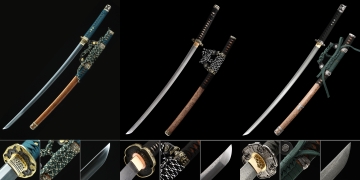
Brown gold tsuba katana make distinctive gifts for collectors interested in Japanese sword history, martial arts culture, or decorative metalwork. The ornate guard designs - tigers, dragons, floral scrolls - carry symbolic meaning that adds a layer of intentionality to gift-giving. Tiger motifs historically represented courage and strength in East Asian iconography, while dragon designs carry associations with power and protection. When selecting a piece as a gift, consider the recipient's existing display aesthetic: if they favor dark, high-contrast arrangements, a gold tiger tsuba against a black lacquer saya is a strong choice. For collectors who prefer richer, layered palettes, a gilded scroll tsuba paired with a purple-wrapped handle and marble saya creates a more complex visual presentation. Each piece arrives as a complete assembly, making it immediately displayable.