How can I tell if a hamon on a katana is real or artificially etched?

 Updated Mar 2026

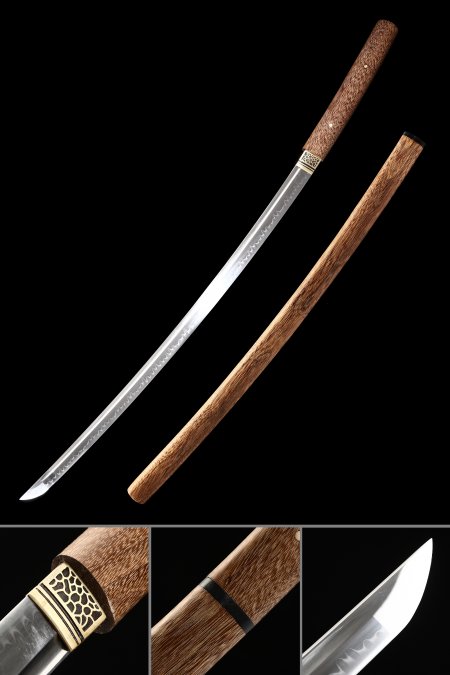
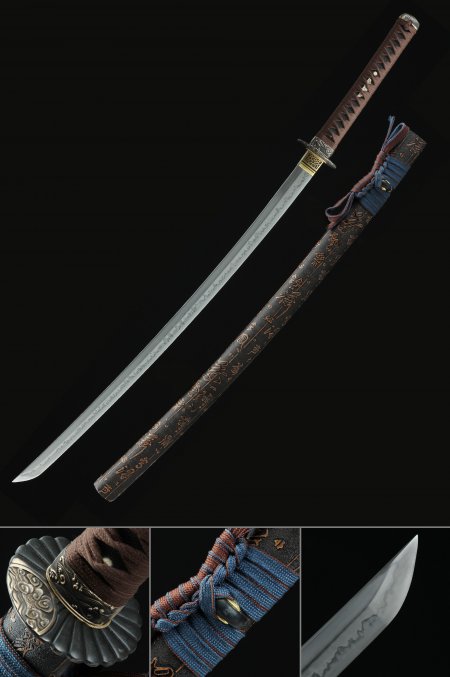
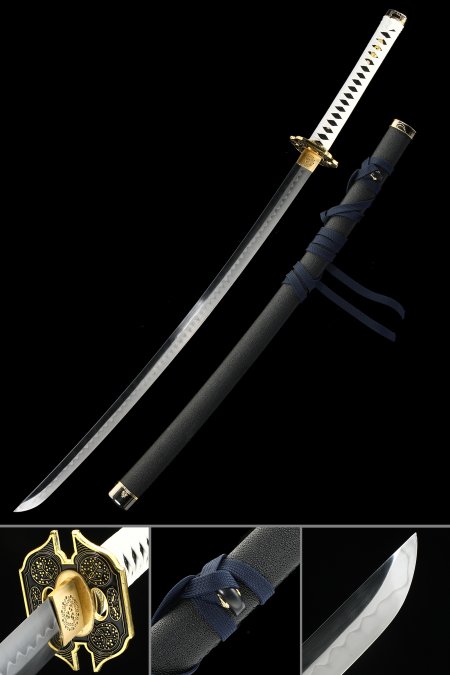
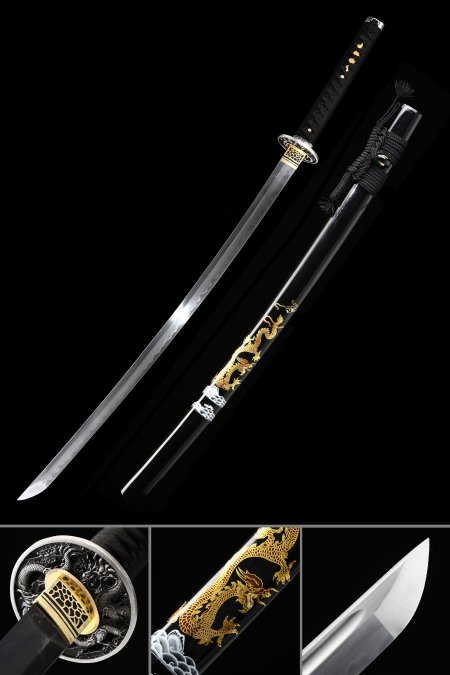
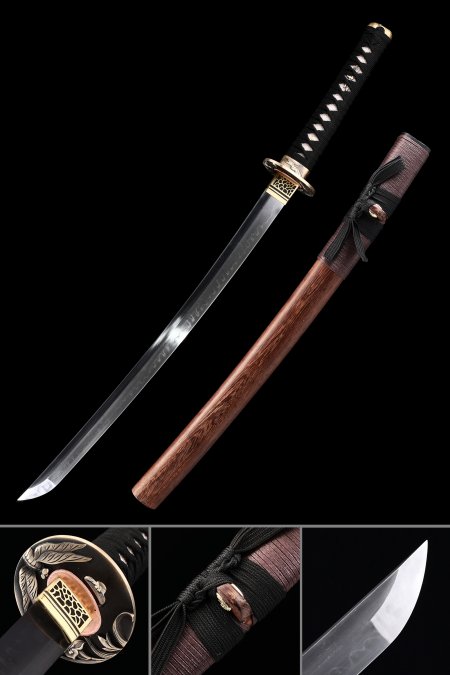
A genuine hamon forms during the quenching process as the differential hardness between the edge and spine creates a crystalline transition zone called the nie and nioi layer. Under natural raking light - not overhead fluorescent - a real hamon shows internal activity: cloudy mist-like patches (utsuri), small bright crystals (nie), and an irregular, organic boundary that shifts in appearance as the viewing angle changes. An acid-etched or machine-ground pseudo-hamon, by contrast, looks flat and consistent regardless of light angle, with a hard boundary that has no interior texture. On the T10 clay-tempered pieces in this collection, the hamon is formed through genuine differential hardening, meaning the visual activity you observe is a direct record of the heat treatment process - making each blade's hamon line uniquely its own.
Popular Products

20% OFFjapanese katana
209.00 USD
259.00 USD
20% OFFshirasaya wakizashi
219.00 USD
269.00 USD
20% OFFshirasaya katana
209.00 USD
259.00 USD
20% OFFfull tang katana
319.00 USD
399.00 USD
20% OFFblack katana
209.00 USD
259.00 USD
20% OFF
259.00 USD
329.00 USD
15% OFFshirasaya tanto
149.00 USD
179.00 USD
15% OFFblack katana
199.00 USD
229.00 USD
20% OFFblue katana
209.00 USD
259.00 USD
15% OFFjapanese katana
199.00 USD
239.00 USD
20% OFFjapanese katana
169.00 USD
209.00 USD
20% OFFwakizashi sword
219.00 USD
279.00 USD
20% OFFjapanese katana
209.00 USD
259.00 USD
20% OFFshirasaya wakizashi
219.00 USD
269.00 USD
20% OFFshirasaya katana
209.00 USD
259.00 USD
20% OFFfull tang katana
319.00 USD
399.00 USD
20% OFFblack katana
209.00 USD
259.00 USD
20% OFF
259.00 USD
329.00 USD
15% OFFshirasaya tanto
149.00 USD
179.00 USD
15% OFFblack katana
199.00 USD
229.00 USD
20% OFFblue katana
209.00 USD
259.00 USD
15% OFFjapanese katana
199.00 USD
239.00 USD
20% OFFjapanese katana
169.00 USD
209.00 USD
20% OFFwakizashi sword
219.00 USD
279.00 USD

Explore Our Collections