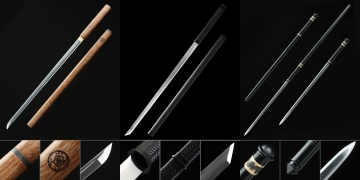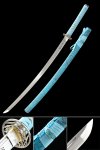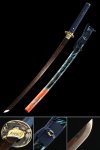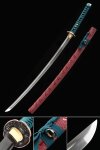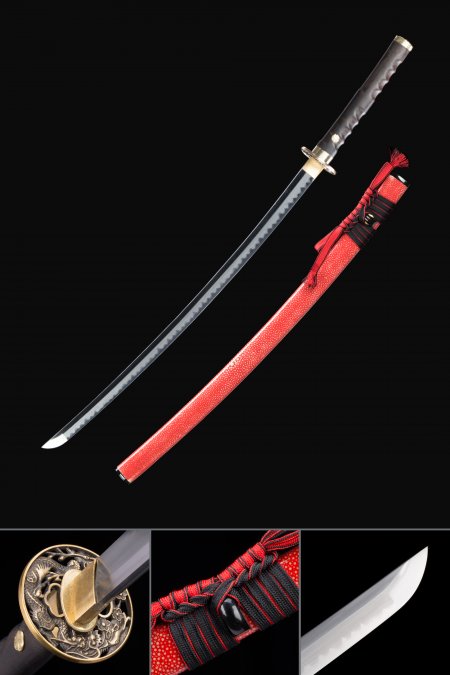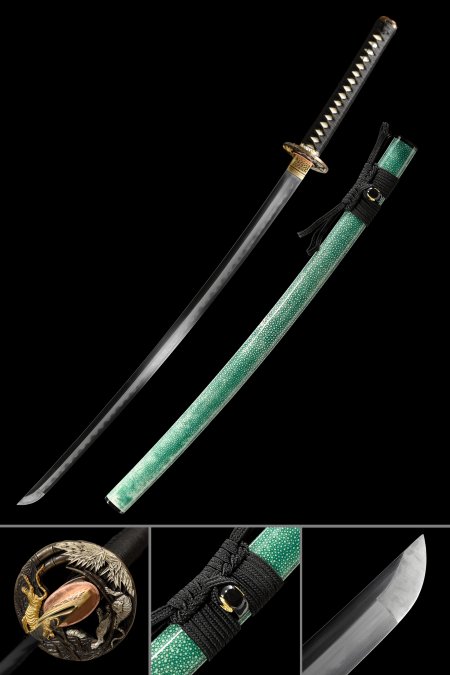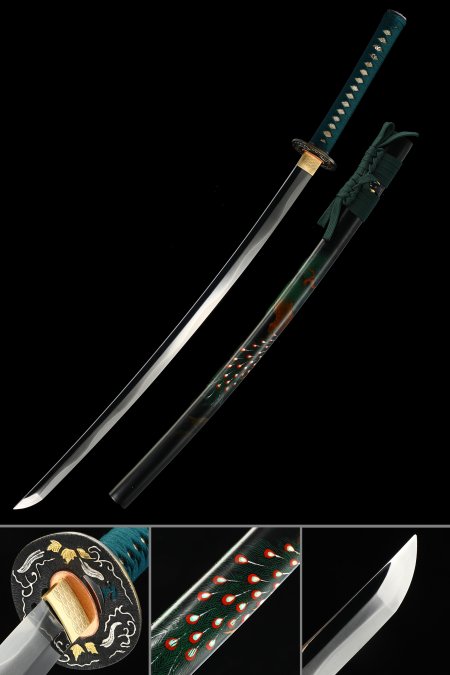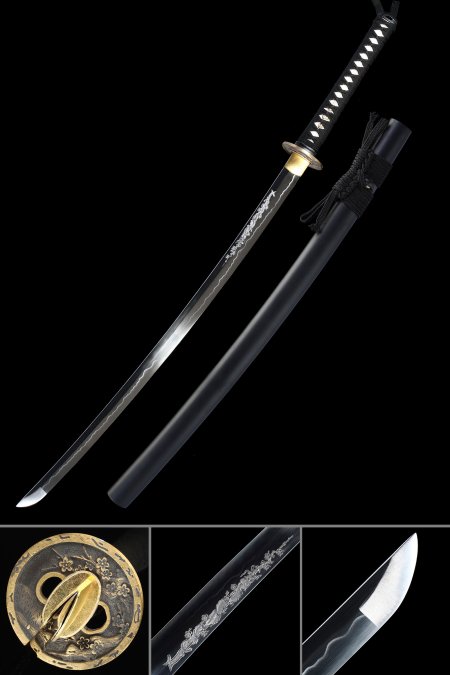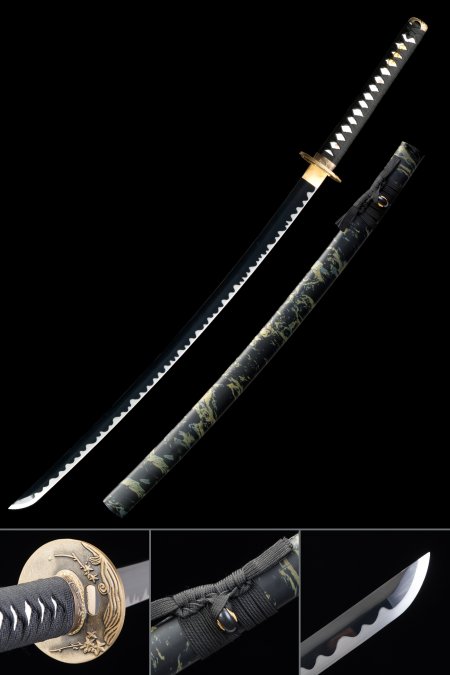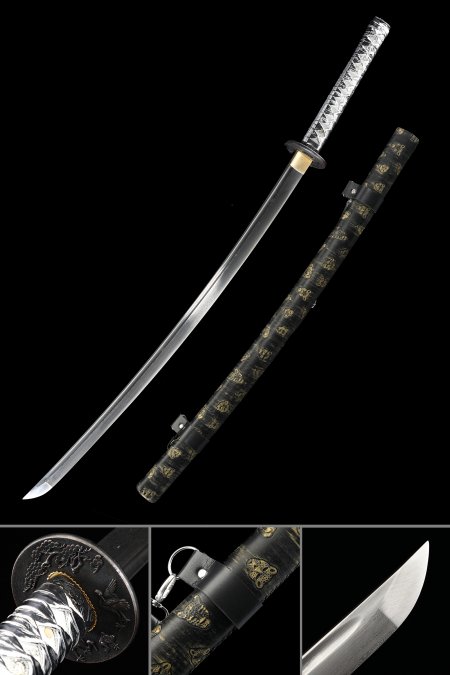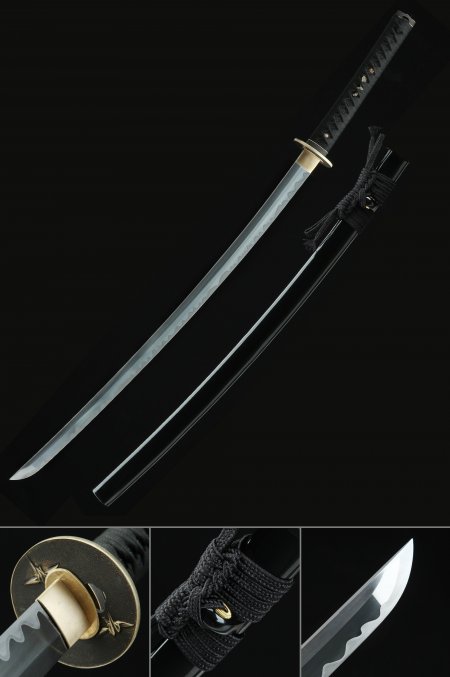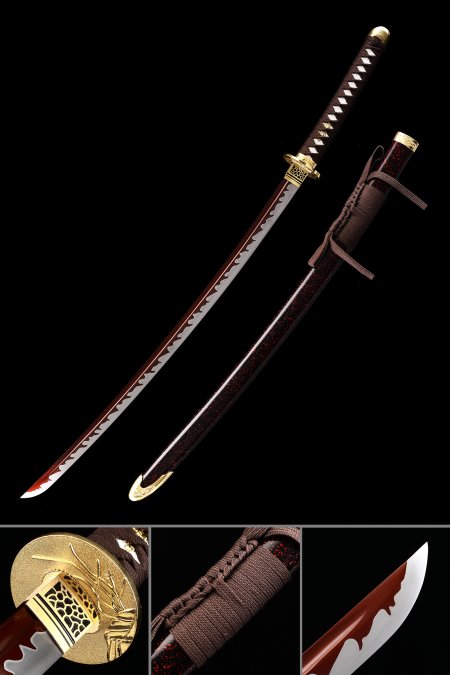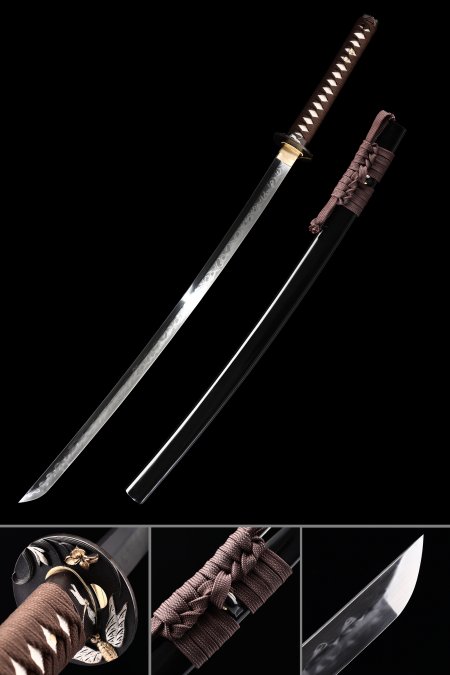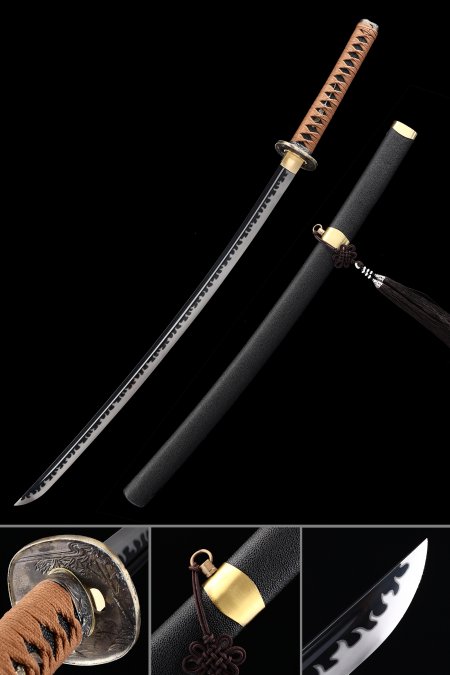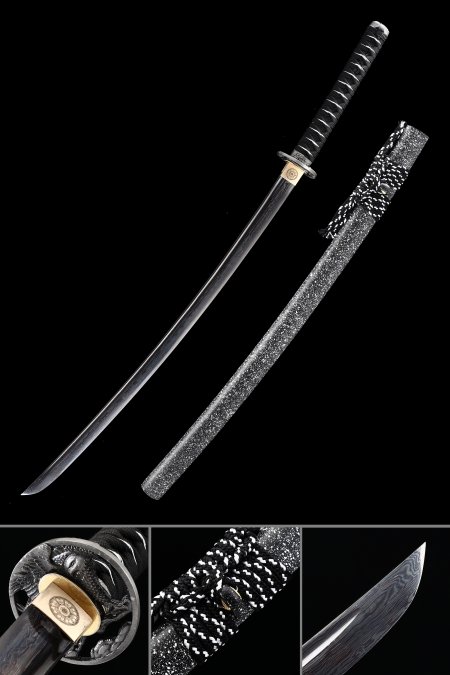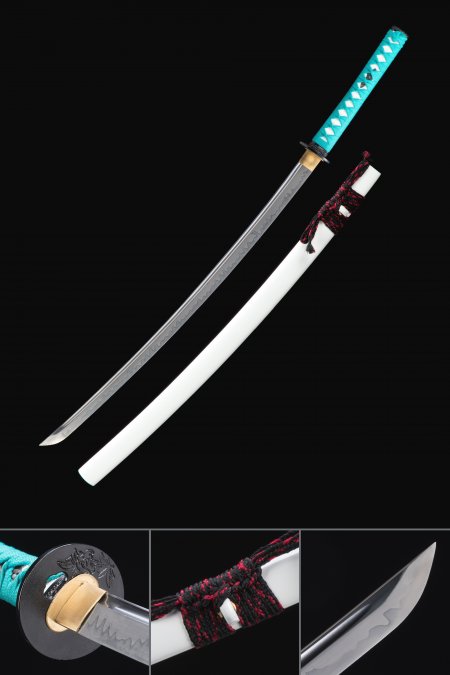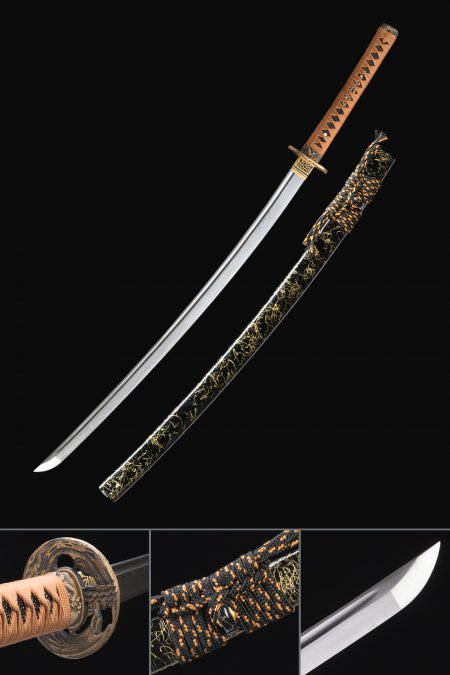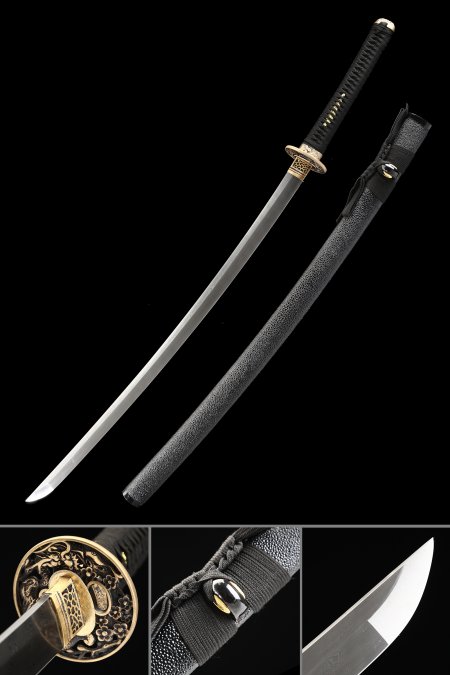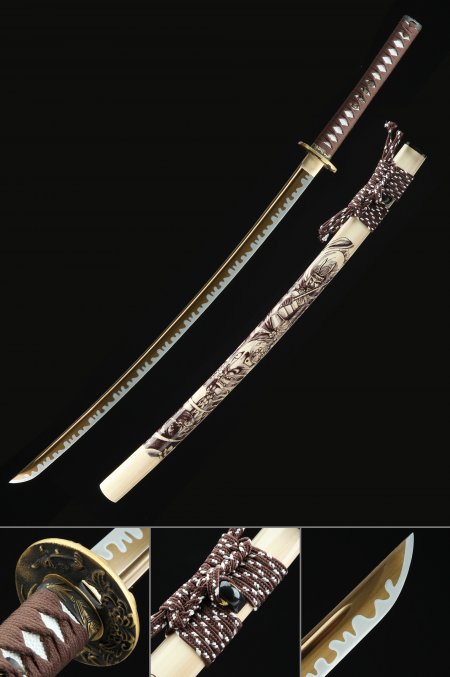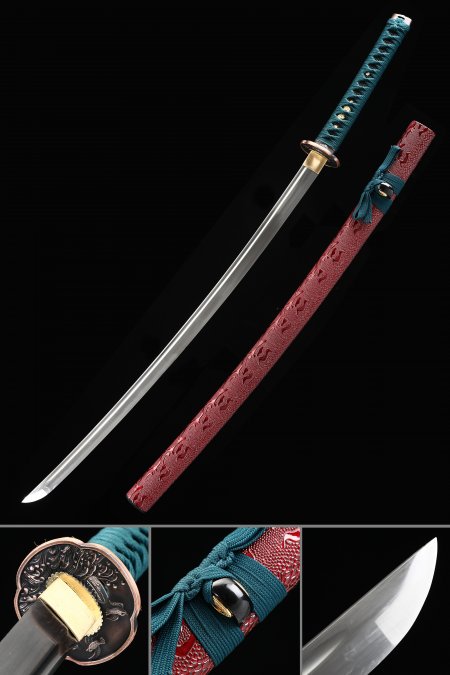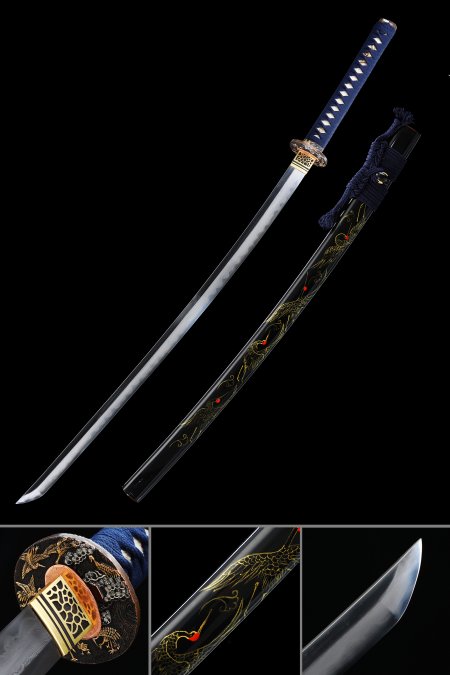
Crane Tsuba Katana

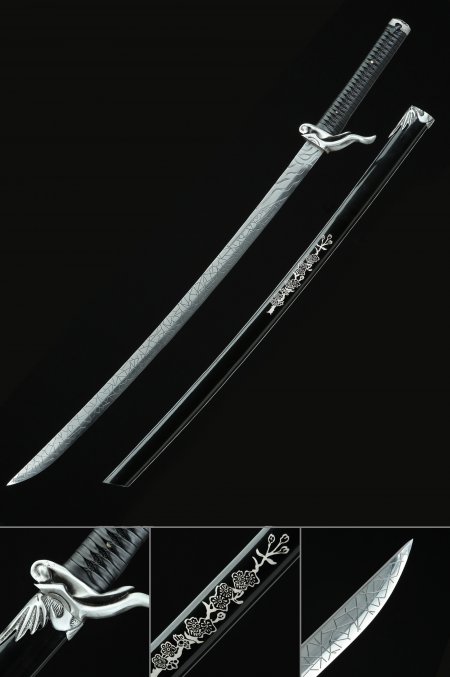
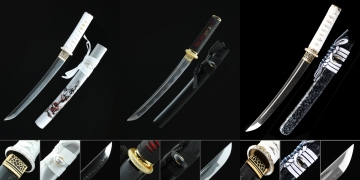
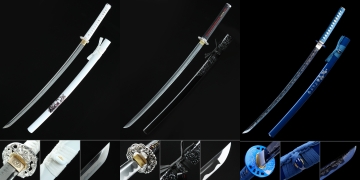
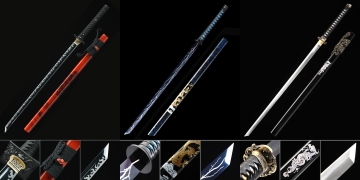
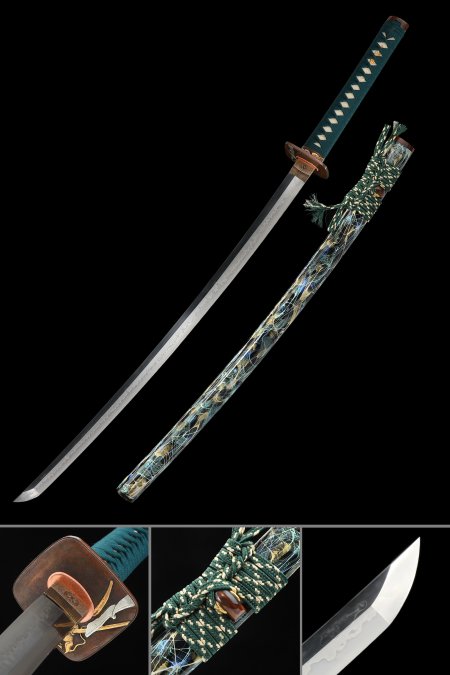
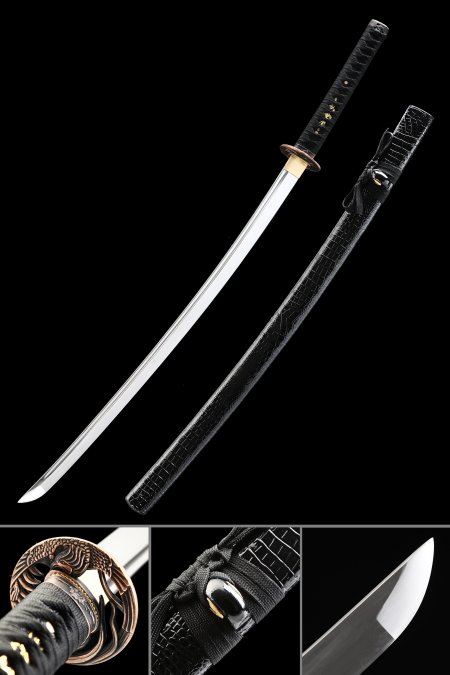
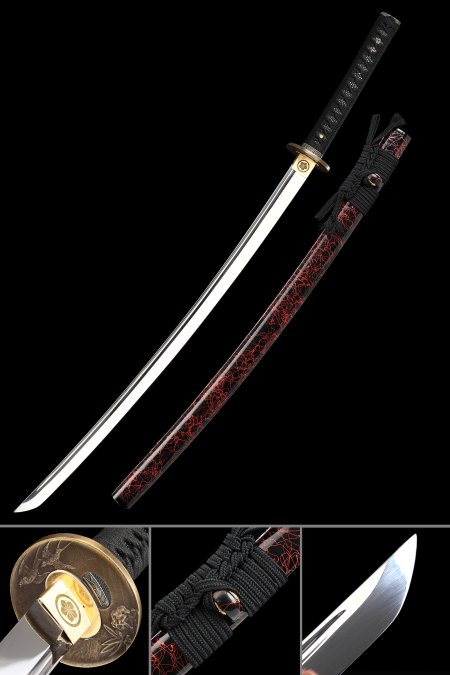
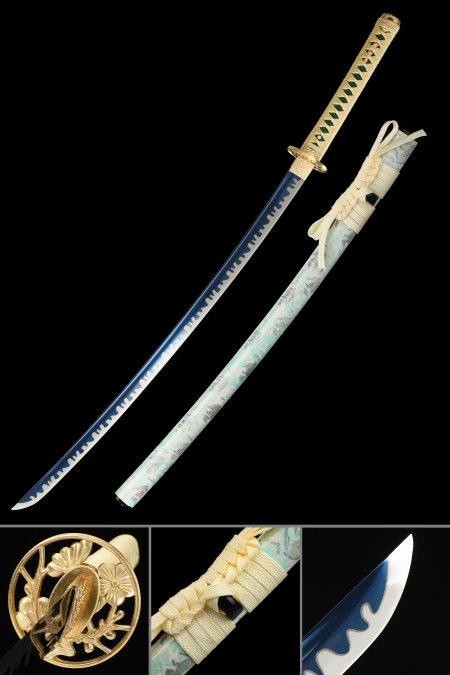
Each Crane Tsuba Katana in this collection pairs a hand-crafted tsuba depicting the revered Japanese crane with carefully selected blade steels and lacquered saya to create a display piece of genuine artistic distinction. From T10 carbon steel with authentic clay-tempered hamon to layered folded steel with copper fittings, every detail reflects the considered craft of traditional Japanese sword-making aesthetics. Free standard shipping is included on all orders, and we stand behind every piece with a straightforward return policy.
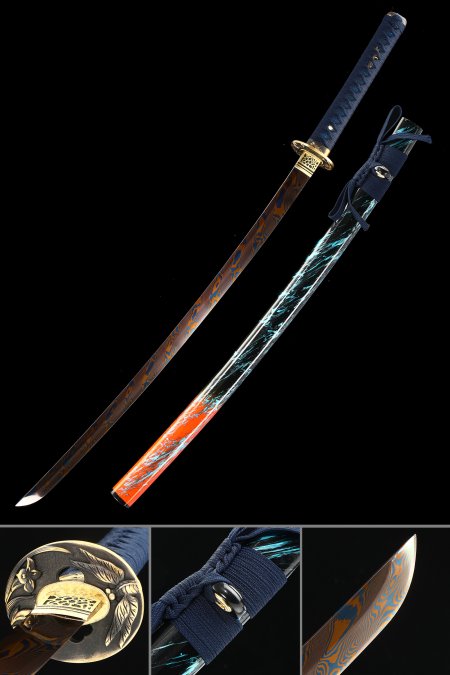
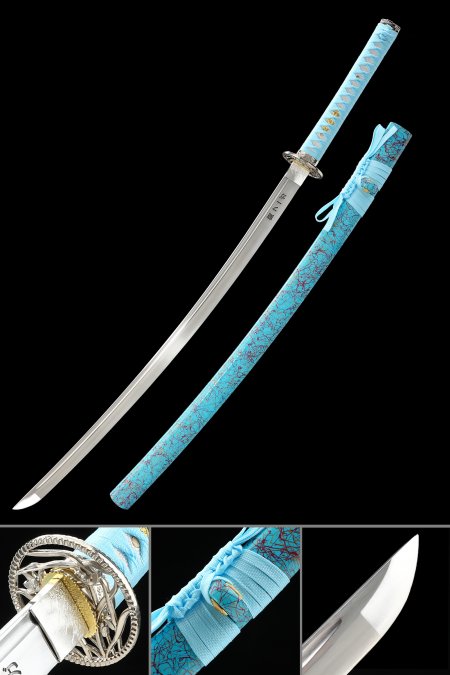
Showing 28 Products

Frequently Asked Questions

What does the crane symbol mean on a katana tsuba?
In Japanese tradition, the crane (tsuru) is one of the most auspicious symbols in the visual arts, associated with longevity, fidelity, and divine grace. It appears in everything from wedding kimono textiles to lacquered ceremonial objects. When metalworkers incorporated the crane into tsuba design, they were drawing on a shared cultural vocabulary that any educated viewer of the Edo period would immediately recognize. On a collectible katana, a crane tsuba serves as a deliberate artistic choice that connects the piece to this broader decorative tradition. Pairings such as crane-and-pine (matsu) or crane-and-cloud compositions carry layered meaning: pine represents endurance through hardship, making the combination a statement about steadfast virtue. For collectors, understanding this iconography adds a dimension of appreciation that goes well beyond the metalwork itself.
What is the difference between T10 steel and manganese steel in these katana?
T10 is a high-carbon tool steel containing roughly 0.95-1.05% carbon along with a small amount of silicon and trace tungsten, giving it a fine grain structure that responds well to differential clay tempering and produces a genuine hamon. Collectors who value blade metallurgy and the visual authenticity of a real temper line tend to gravitate toward T10. Manganese steel, by contrast, is a modern alloy with higher manganese content that prioritizes toughness and finish versatility. It is the preferred base for black and red blade treatments because it accepts surface finishing processes that T10's carbon-reactive chemistry makes more difficult. Neither is strictly superior for display purposes; the choice depends on what a collector prioritizes - the traditional metallurgical story of a clay-tempered blade, or the bold contemporary aesthetics of a colored finish paired with an ornate crane tsuba mounting.
How can I tell if a hamon on a katana is real or artificially etched?
A genuine hamon forms during the quenching process as the differential hardness between the edge and spine creates a crystalline transition zone called the nie and nioi layer. Under natural raking light - not overhead fluorescent - a real hamon shows internal activity: cloudy mist-like patches (utsuri), small bright crystals (nie), and an irregular, organic boundary that shifts in appearance as the viewing angle changes. An acid-etched or machine-ground pseudo-hamon, by contrast, looks flat and consistent regardless of light angle, with a hard boundary that has no interior texture. On the T10 clay-tempered pieces in this collection, the hamon is formed through genuine differential hardening, meaning the visual activity you observe is a direct record of the heat treatment process - making each blade's hamon line uniquely its own.
How should I store and maintain a lacquered saya long-term?
Lacquered saya - whether piano black, dark red, or navy blue - require a few consistent habits to preserve their finish over years of display. Keep them away from direct sunlight and UV exposure, which breaks down lacquer pigment gradually even on high-quality finishes. Avoid storing the saya in environments with extreme humidity fluctuations; both very dry and very damp conditions can cause the wooden core beneath the lacquer to expand or contract, eventually leading to cracking. When cleaning, use only a soft, dry or very lightly dampened cloth - no solvents or abrasive materials. For the blade resting inside, remove it every few months to apply a thin coat of choji oil or neutral mineral oil along the length, then reinsert. This prevents moisture from becoming trapped against the steel at the habaki and prevents the lacquer throat of the saya from drying out and gripping the blade.
Is a Crane Tsuba Katana a good gift for a Japanese culture enthusiast?
A Crane Tsuba Katana makes a genuinely thoughtful gift for anyone with an appreciation for Japanese aesthetics, decorative arts, or sword craftsmanship. Unlike generic decorative swords, a piece built around the crane motif carries specific cultural meaning the recipient can research and appreciate over time. The combination of a meaningful tsuba, a hand-finished lacquered saya, and a full-tang blade construction gives it the material substance of a serious collectible rather than a novelty item. For gifting purposes, consider pairing the katana with a quality hardwood display stand and a brief card explaining the crane symbolism - it transforms the unboxing into an educational experience. Pieces with gold crane tsuba against black lacquer saya tend to read as formal and elegant, while navy blue or brown-toned mountings feel warmer and more approachable as everyday display objects.

Customer Reviews

Wayne Herod Ontario, Canada

Another beautiful sword! The reason I chose the Phoenix theme is because in the middle of May 2040CE The Mandate of Heaven will occur. This is caused by the Phoenix weapon. The 6th seal of Revelation, the sun will darken, worldwide volcanism & earthquakes, oceans slip basins, red rain red mud will fall from the sky. And the return of the Vapor Canopy. Cheers!
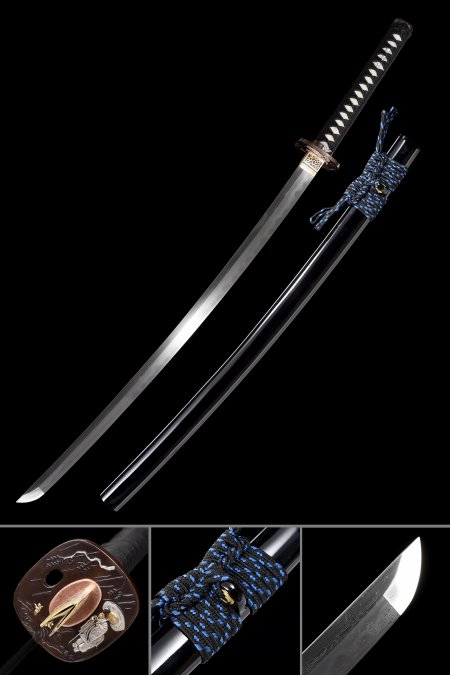
Clay-Tempered 1000-Layer Folded Steel Katana with Crane and Pine Copper Tsuba in Navy Blue Clay-Tempered 1000-Layer Folded Steel Katana with Crane and Pine Copper Tsuba in Navy Blue
Olai Fykse Johnsen 1356, Norway

The blade itself is beautiful And it arrived pretty quick. The fittings feel solid, and the overall aesthetic is exactly what I was looking for. However, the main issue is with the scabbard. Unfortunately, it doesn’t fit properly; the sword shakes inside, and if pointed downward, it falls out on its own. With that said if the saya had been properly fitted, this would have been nearly perfect.
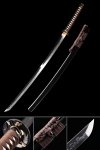
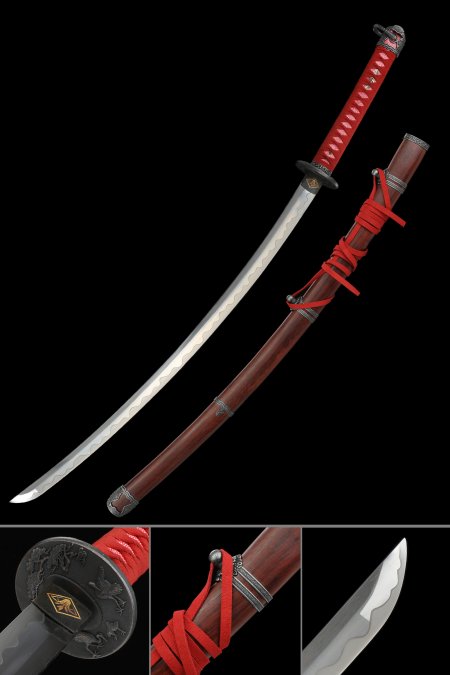
T10 Folded Clay Tempered Katana with Real Hamon in Black Piano Lacquer Saya - Brown Ito Snake Tsuba T10 Folded Clay Tempered Katana with Real Hamon in Black Piano Lacquer Saya - Brown Ito Snake Tsuba
Christopher Sears Georgia, United States

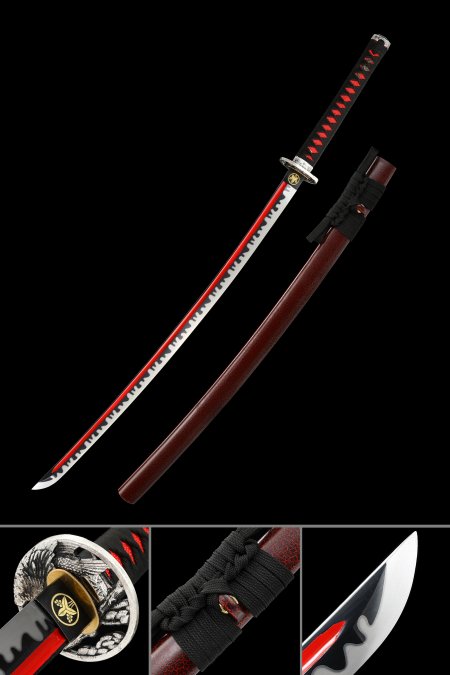
Everything is tight and the blade is sharp. The black blade was a surprise but it looks awesome! Had a small issue with the payment on the website and it was quickly resolved. Over all is was a very good value for a medium quality blade. It makes for a beautiful display. Shipping time was also very good from out of the country.
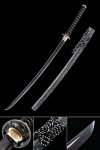
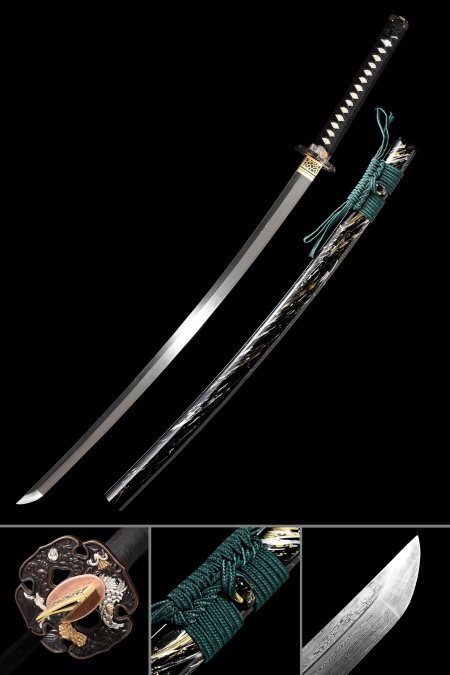
T10 Carbon Steel Katana with Crane Eagle Tsuba - Black-Silver Marble Saya, Black-White Cord Handle T10 Carbon Steel Katana with Crane Eagle Tsuba - Black-Silver Marble Saya, Black-White Cord Handle