Are the hamon patterns on blue katana traditionally made?
Updated Mar 2026
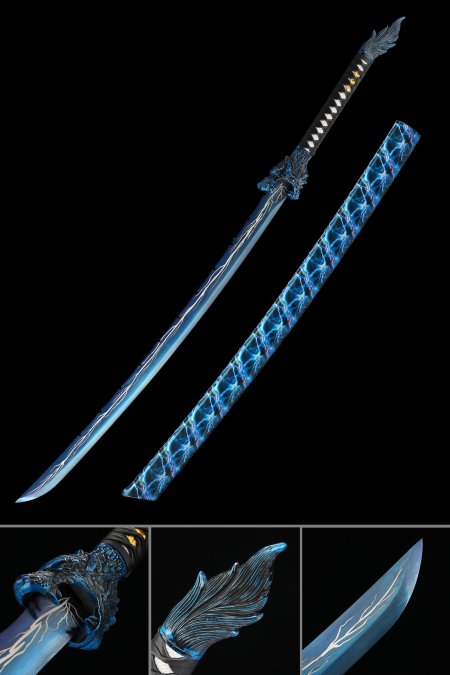
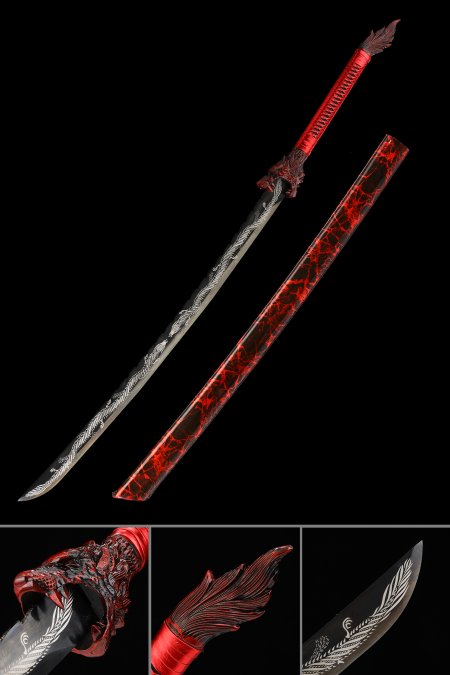
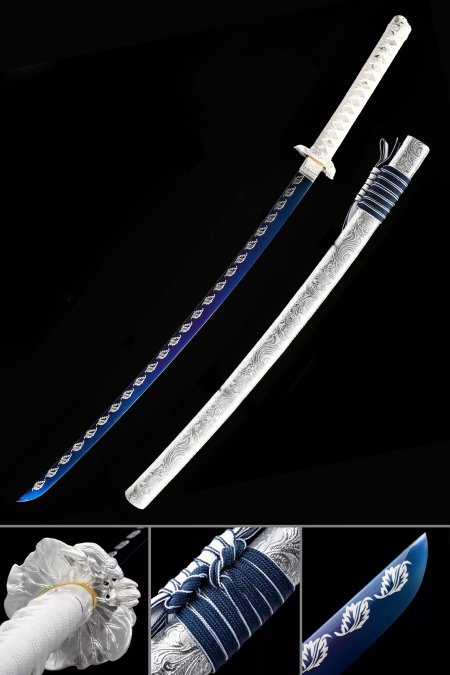
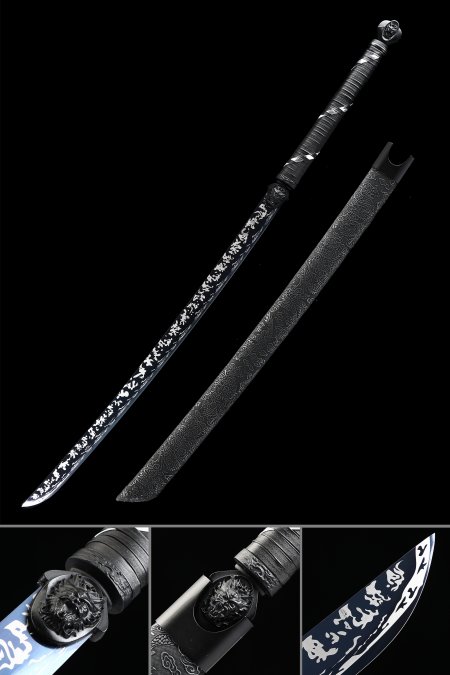
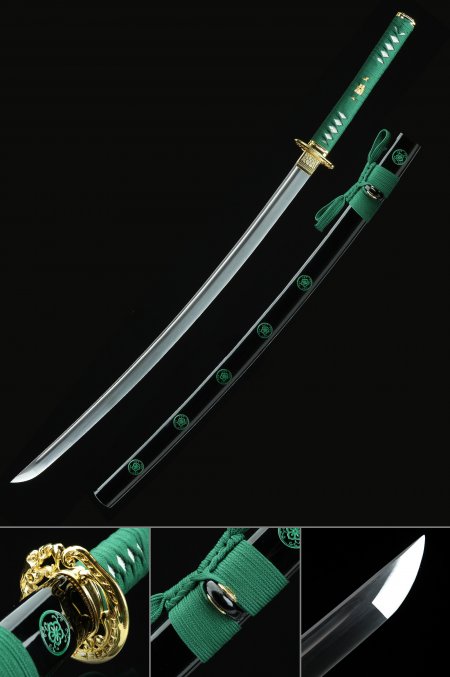
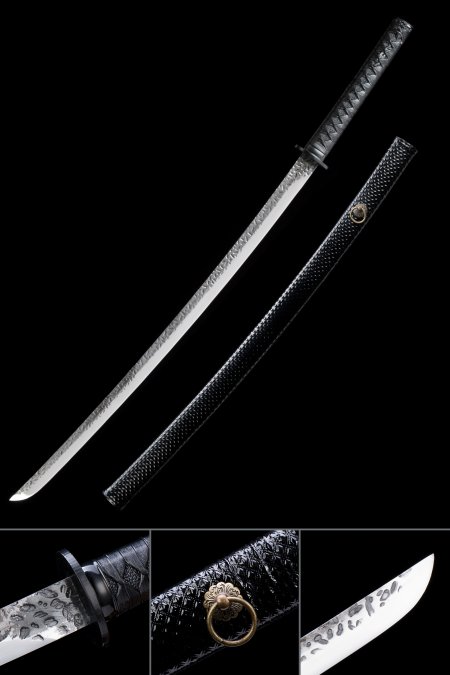
On blue manganese steel katana, hamon patterns - including raging fire, lightning, and wave designs - are created through acid-etching and surface polishing rather than the traditional clay-quenching process used with carbon steel. Traditional hamon is a byproduct of differential hardening, where clay applied to the spine before quenching creates a defined temper line. Manganese steel doesn't respond to clay quenching the same way, so artisans recreate the visual character of a hamon through careful etching, which produces excellent definition and movement against the blue blade ground. For collectors, the etched hamon on a blue katana is an honest decorative feature - visually striking and skillfully executed.