How does Damascus steel differ from high-carbon monosteel in a katana?

 Updated Mar 2026

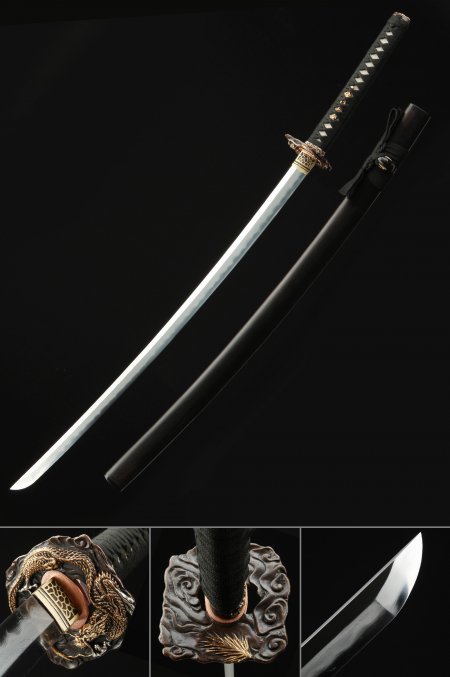
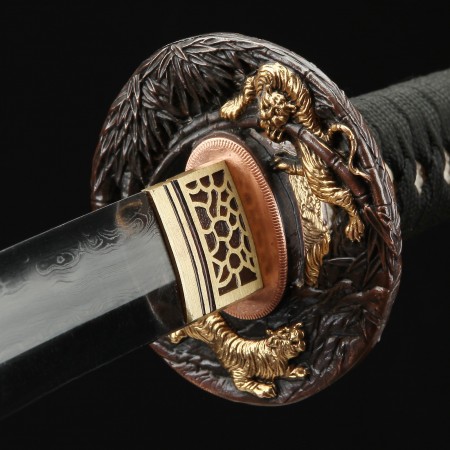
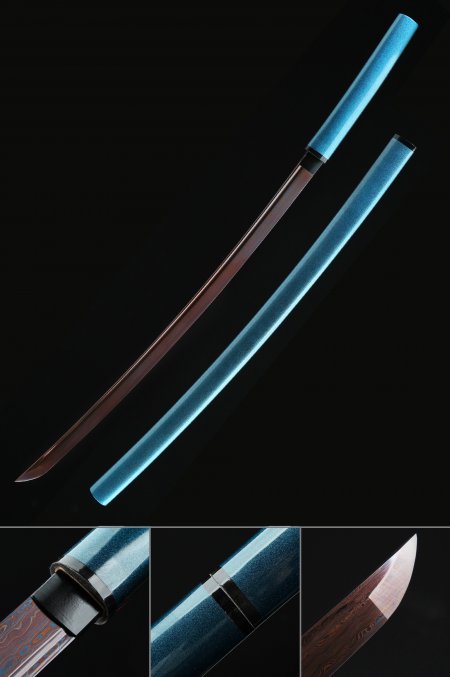
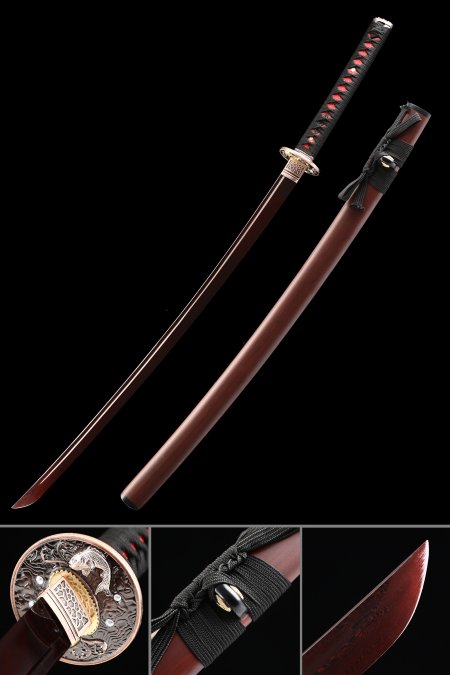
High-carbon monosteel, such as 1095 or T10 steel, is a single homogeneous alloy forged into a blade. Damascus steel, by contrast, is produced by forge-welding multiple steel types together and folding the billet repeatedly to create a layered composite. The primary visual difference is the hada — the flowing surface grain pattern unique to Damascus — which monosteel blades simply do not have. From a structural standpoint, Damascus billets can combine steels with different carbon contents, pairing a harder edge steel with a tougher core layer, though the final properties depend heavily on the smith's technique. For display collectors, Damascus blades are often preferred for their visual complexity and the handcraft story embedded in every layer of the pattern.
Popular Products

15% OFFww2 wakizashi
169.00 USD
199.00 USD
20% OFFsamurai sword
289.00 USD
359.00 USD
15% OFFblack katana
179.00 USD
209.00 USD
15% OFFkill bill sword
199.00 USD
229.00 USD
20% OFFdamascus katana
619.00 USD
769.00 USD
20% OFFmodern wakizashi
209.00 USD
259.00 USD
15% OFFkatana sword
199.00 USD
229.00 USD
15% OFFshikomizue sword
229.00 USD
269.00 USD
20% OFFtachi sword
249.00 USD
309.00 USD
15% OFFreal katana
649.00 USD
769.00 USD
15% OFFshirasaya katana
209.00 USD
249.00 USD
15% OFFkatana sword
199.00 USD
239.00 USD
15% OFFww2 wakizashi
169.00 USD
199.00 USD
20% OFFsamurai sword
289.00 USD
359.00 USD
15% OFFblack katana
179.00 USD
209.00 USD
15% OFFkill bill sword
199.00 USD
229.00 USD
20% OFFdamascus katana
619.00 USD
769.00 USD
20% OFFmodern wakizashi
209.00 USD
259.00 USD
15% OFFkatana sword
199.00 USD
229.00 USD
15% OFFshikomizue sword
229.00 USD
269.00 USD
20% OFFtachi sword
249.00 USD
309.00 USD
15% OFFreal katana
649.00 USD
769.00 USD
15% OFFshirasaya katana
209.00 USD
249.00 USD
15% OFFkatana sword
199.00 USD
239.00 USD

Explore Our Collections