2 Reviews
ON SALE 15% OFF
$1,039.00$1,219.00

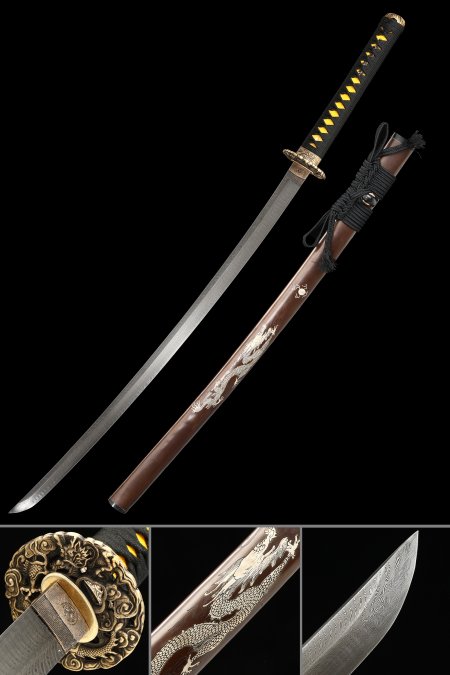
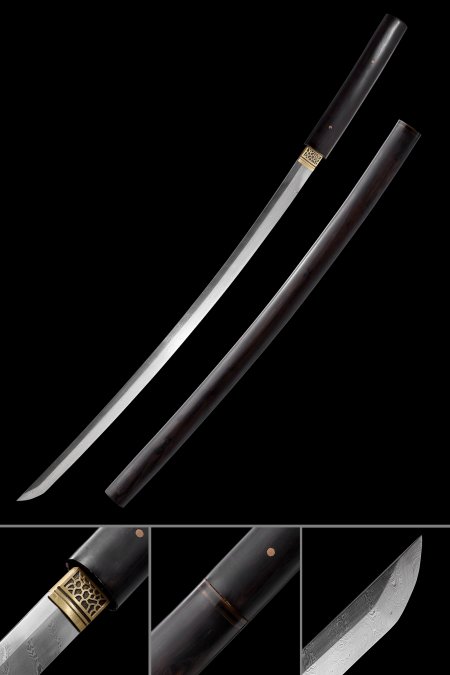
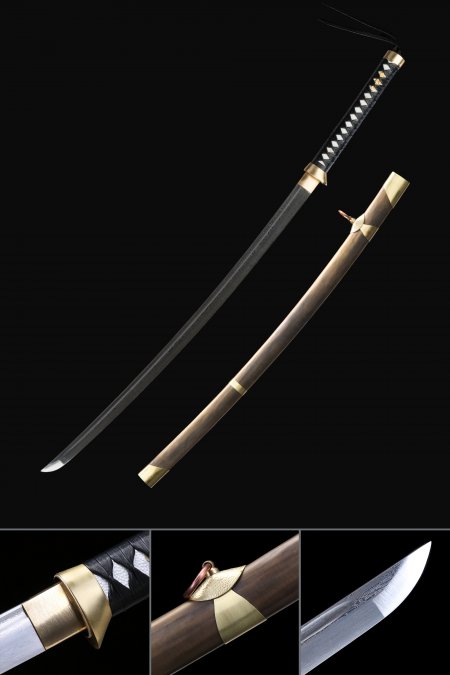
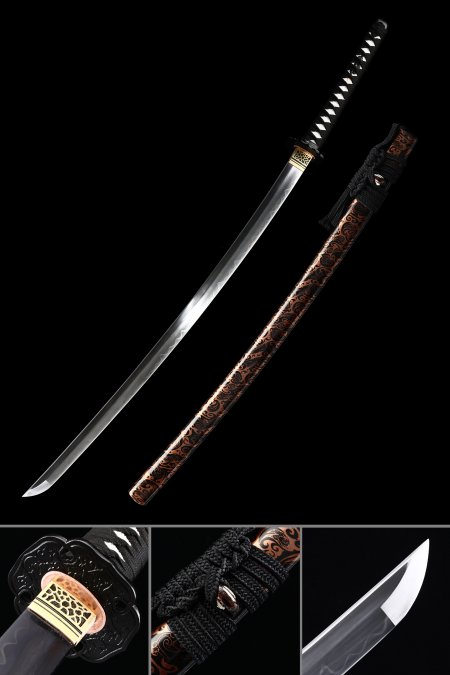
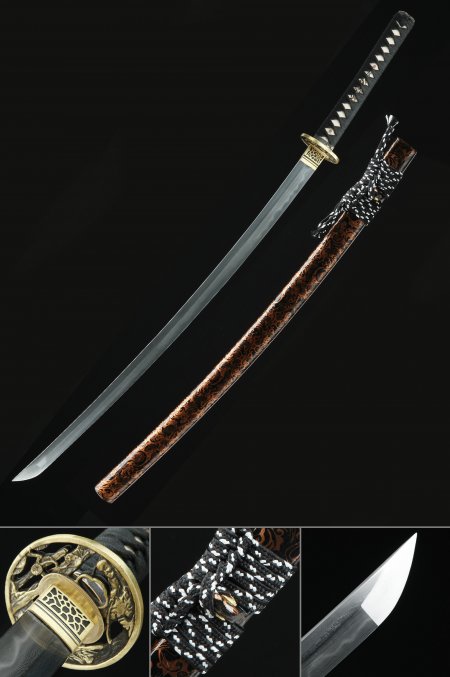
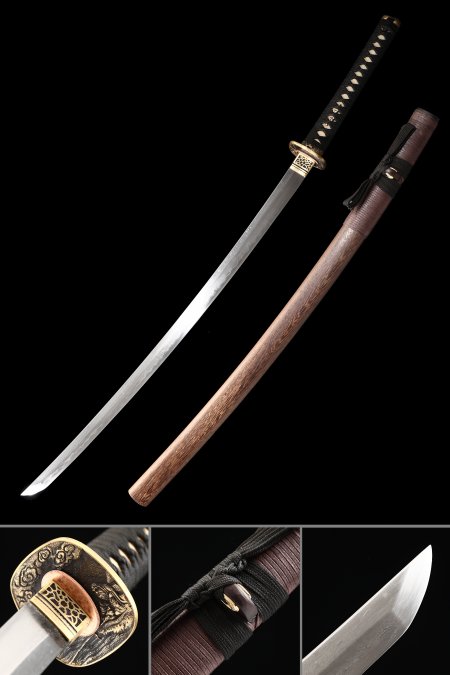
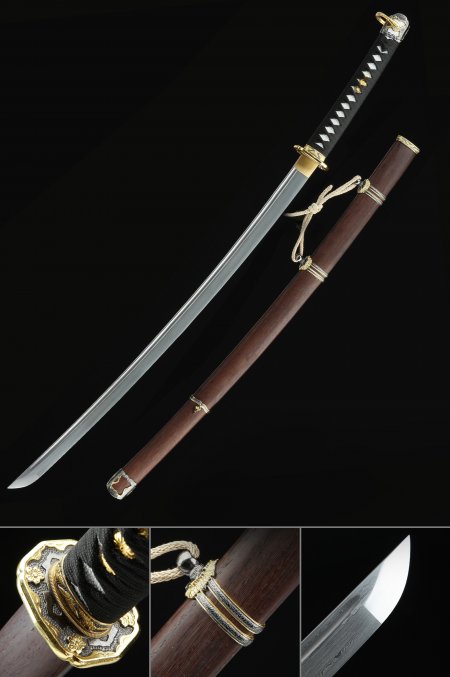
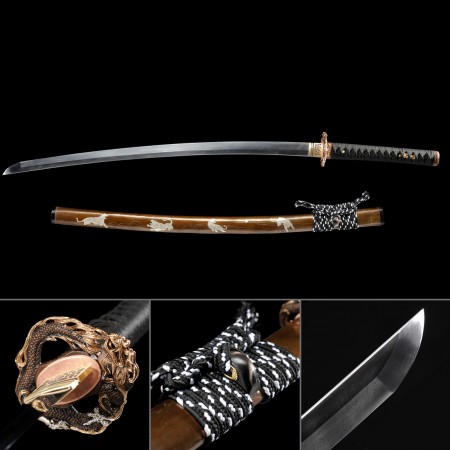
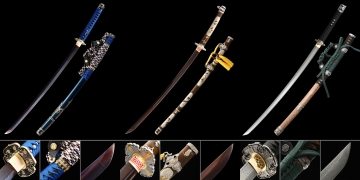
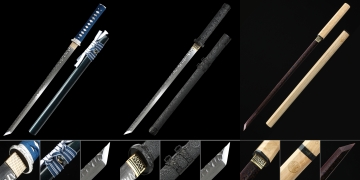
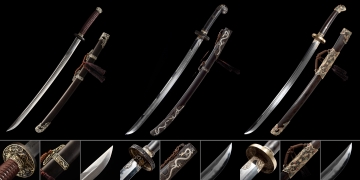
Each Brown Damascus Steel Katana in this collection is hand-forged from layered Damascus steel, producing a blade with a distinctive flowing grain pattern and rich, earthy tones that make every piece genuinely one of a kind. From ornate dragon tsubas to lacquered hardwood saya in deep browns and dark reds, the fittings are chosen to complement the blade's natural warmth. These are full-tang, display-grade collectibles crafted for the discerning enthusiast who values both visual artistry and authentic construction. Enjoy free shipping on your order, backed by our hassle-free return policy.
Placed the order on July 14th and received the sword today. Apparently when TrueKatana says "in stock" that means in stock in China.....still, the tracking was not bad at all, I could log on and get info anytime, right up until delivery. I admit I was apprehensive about paying this much for a Katana, but I have to say that it has exceeded my expectations and I am very happy with this purchase. r
The fit and finish is absolutely perfect, I cannot find a flaw in this blade, handle or scabbard. It even came with a neat silk lined case that I wasn't expecting. The Hamon is perfect, the blade has a beautiful taper and it is true to all the features of a WWII type 98 Shin Gunto. Anyone worried about the quality matching the price should buy with confidence, you will not be disappointed with this Katana!!!!!!
 |
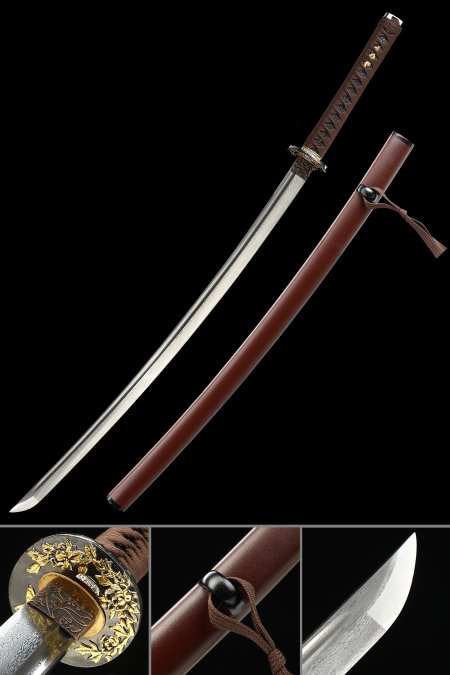
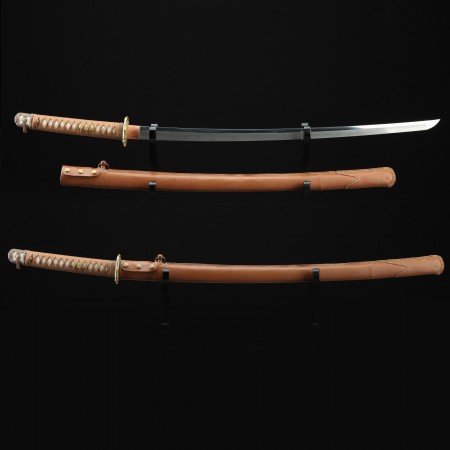
WWII Type 98 Shin Gunto Katana in Damascus Steel with Brown Leather Saya - Gold Tsuba Officer's Replica |
The sword is exactly what I expected. Very nice and well put together. It has a very display worthy look. r
r
The shipping notifications we lackluster in the beginning but after a week is worked out. r
r
I never intended to use this sword for anything but display and it fits that purpose perfectly!
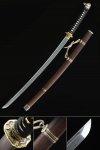 |
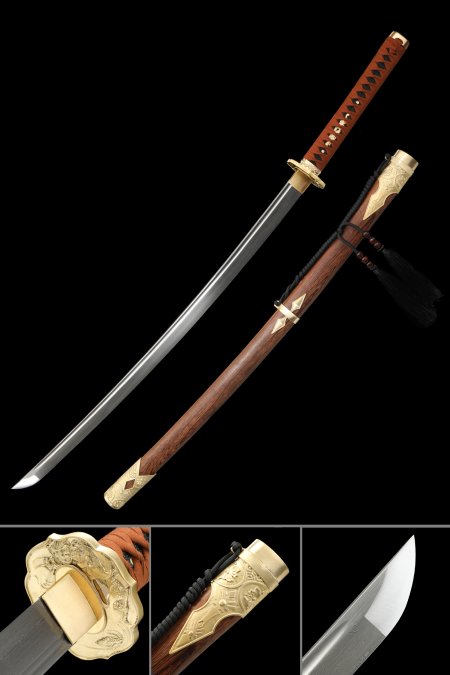
Damascus Steel WW2 Shin Gunto Katana with Brown Hardwood Saya - Gold Ornate Tsuba, Black Ito |
It is an amazing sword! The balance seems perfect to me. The saya is one of the nicest sayas I’ve ever seen, and I happy to have it, I’m still trying to decide what to do with the Sageo, the black that comes with it is a good look definitely but I’ll change the sageo on several of my swords from from time to time. The blade is just gotgeous and its sharpeness is very impressive, as it cut right through a piece of paper when I took it out. If you want a sword for cutting then this is definitely a worthwhile purchase. It’s a beautiful piece as well so you can’t really go wrong with this sword. I couldn’t be happier with my purchase. Do I even need to say the last part? I will anyway. Highly recommended!
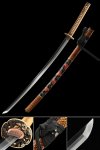 |
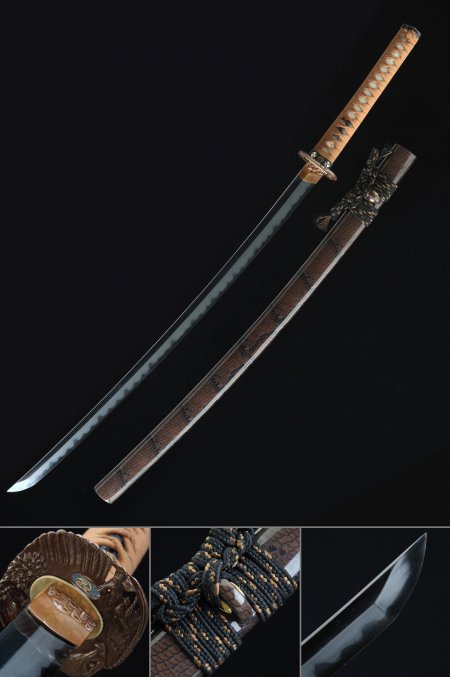
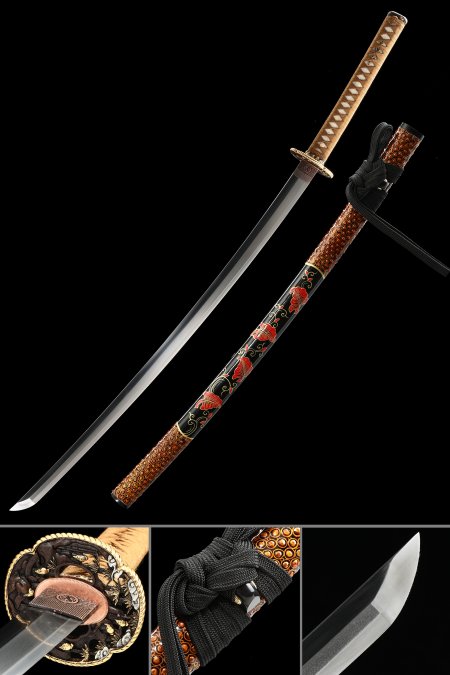
Tamahagane Steel Katana with Hand-Painted Floral Saya in Brown Honeycomb Lacquer and Copper Bamboo Tsuba |
Beautiful Katan for the price. I am very happy with my purchase :)
|
Tamahagane Steel Katana with Hand-Painted Floral Saya in Brown Honeycomb Lacquer and Copper Bamboo Tsuba |
Super cool sword, feels amazing, sharp and sturdy. Money well spent
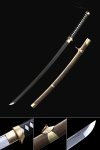 |
Damascus Steel Katana with Gold Copper Tsuba - Folded Blade, Black Ito, Brown Hardwood Saya |
Although not bad it has its problems being a loose scabbard and the polish on the blade wasn’t good either for a $700 katana .
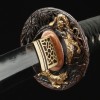 |
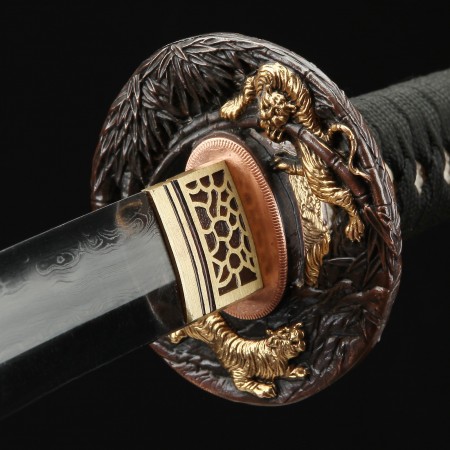
Damascus Steel Clay Tempered Katana with Real Hamon and Gold Tiger Tsuba in Black Saya |
Love my purchase it truly is a beautiful Katana Ww2 sword I will definitely tell my fellow martial arts in the sword. Very very beautiful sword thank you.
|
WWII Type 98 Shin Gunto Katana in Damascus Steel with Brown Leather Saya - Gold Tsuba Officer's Replica |
Excellent product, as expected. I do wish, since they say handmade, that there was a smith's mark on the tang.
|
Damascus Steel Clay Tempered Katana with Real Hamon and Gold Tiger Tsuba in Black Saya |