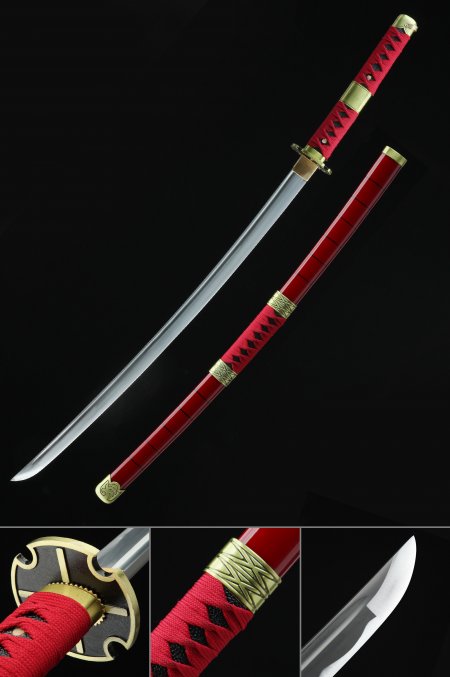
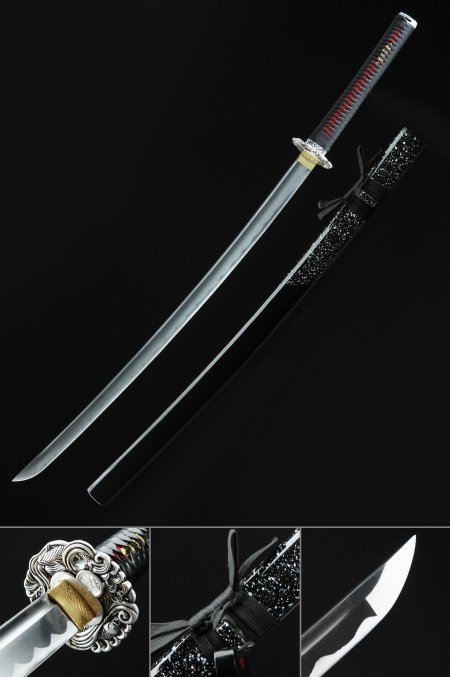
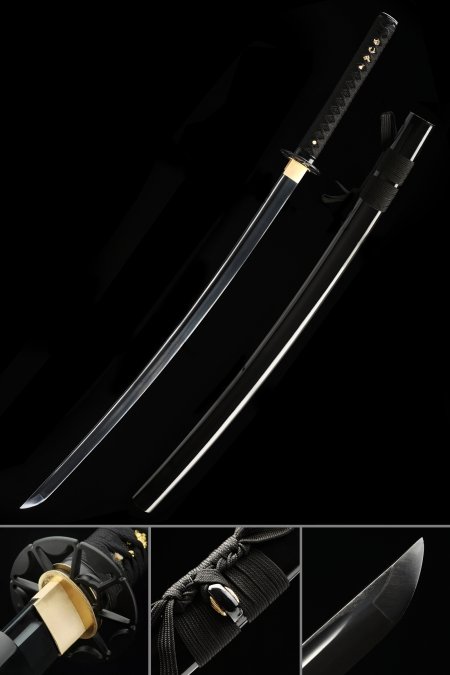
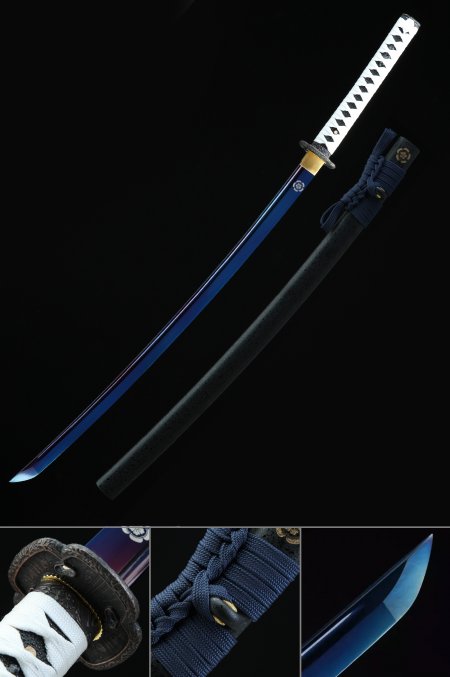
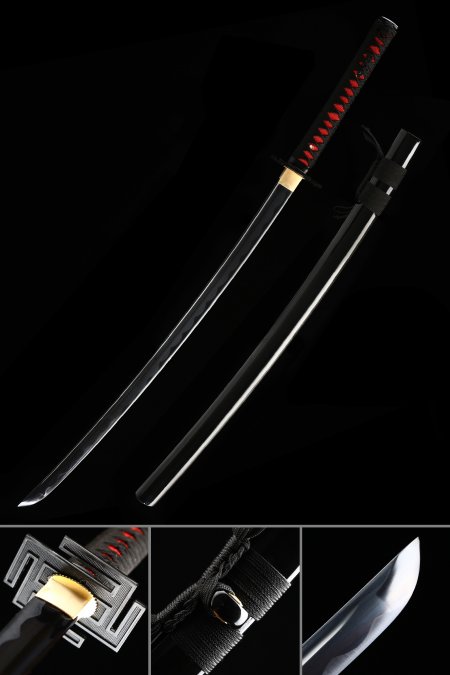
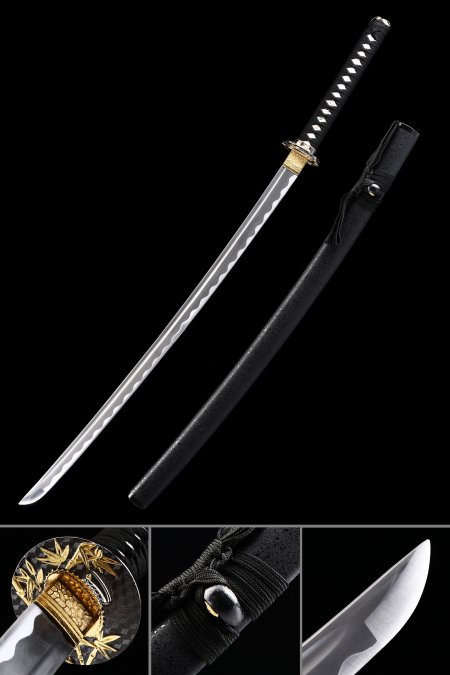
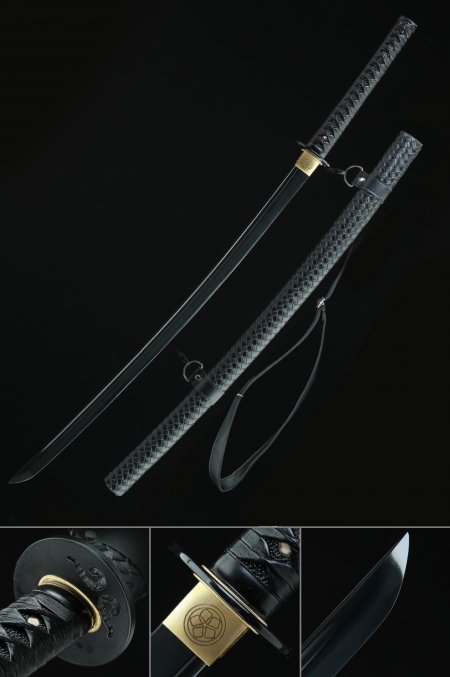
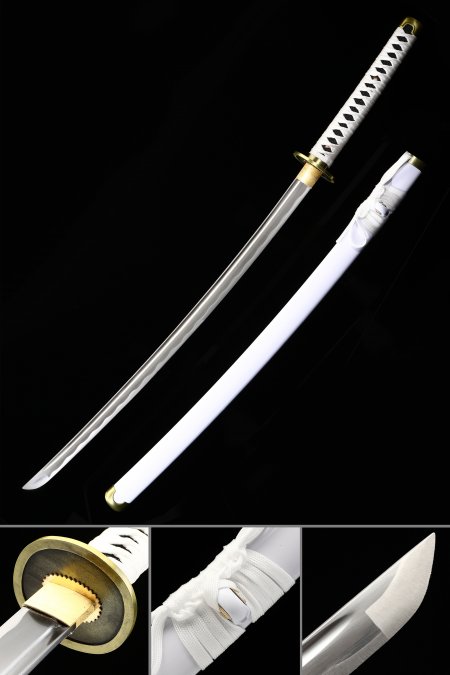
In traditional Japanese culture, the skull - or dokuro - carries meaning rooted in Zen Buddhist philosophy rather than a purely macabre aesthetic. It represents mujo, the concept of impermanence, and was historically associated with the samurai's acceptance of mortality as part of a disciplined life. On a tsuba, this imagery served as a philosophical emblem worn by warriors who had internalized the transient nature of existence. Today, skull tsuba katanas are collected for this layered cultural significance as much as for their visual impact - the design connects a modern collector to a genuine thread of Japanese historical thought.