How does T10 clay-tempered steel differ from 1095 in a collectible katana?
Updated Mar 2026
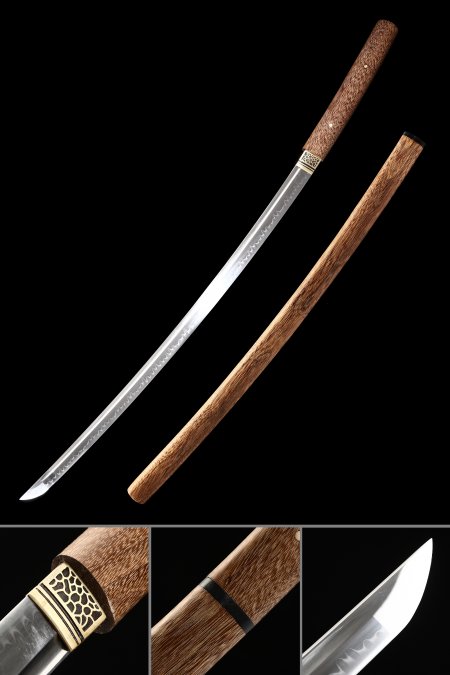
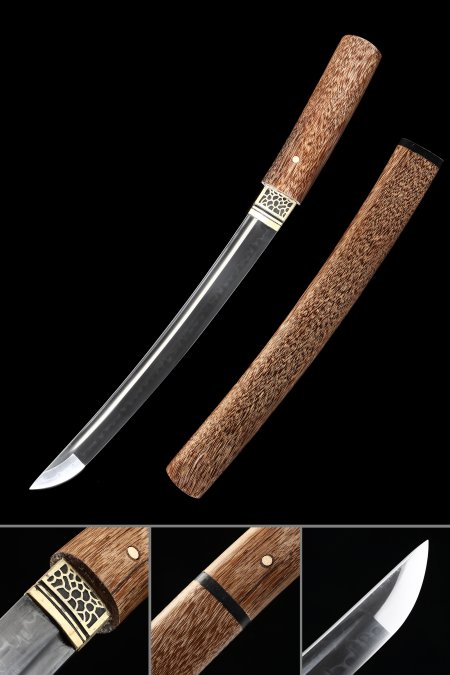
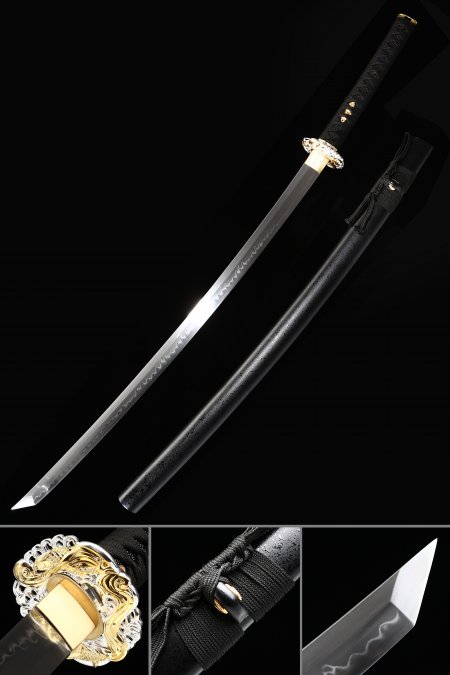
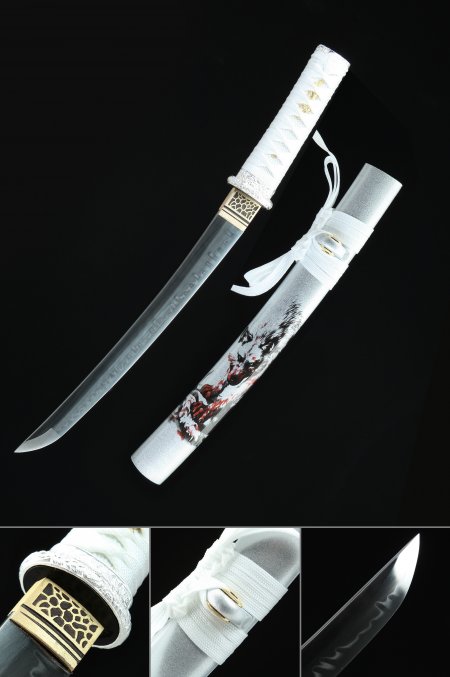
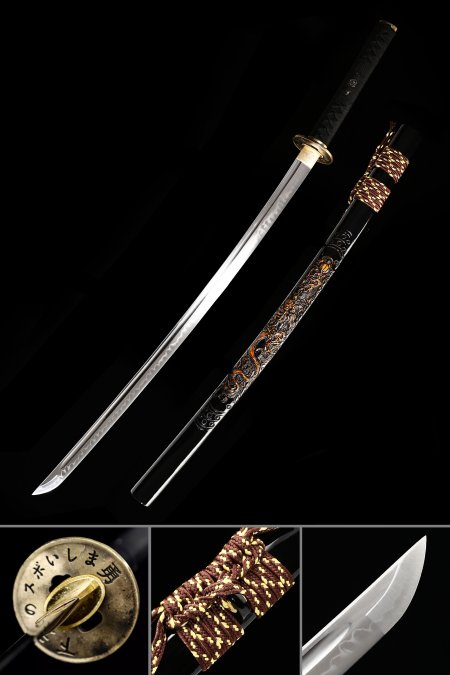
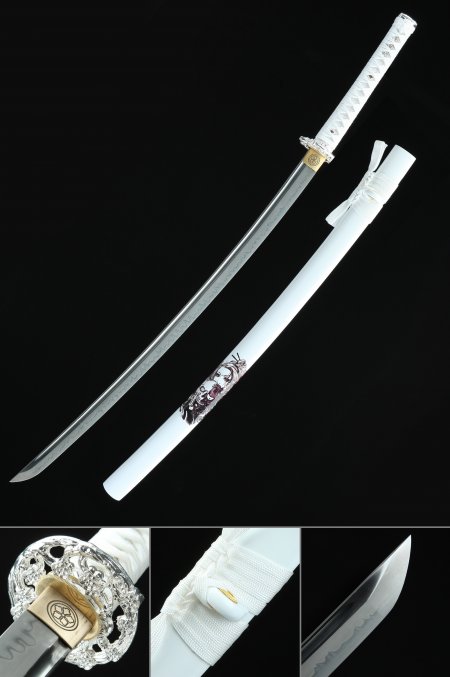
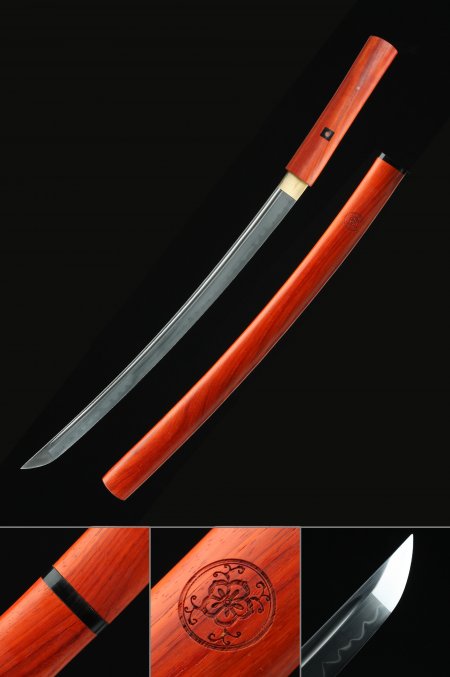
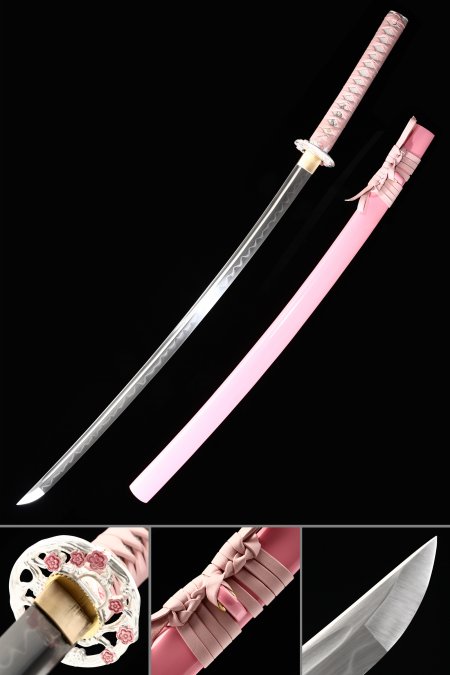
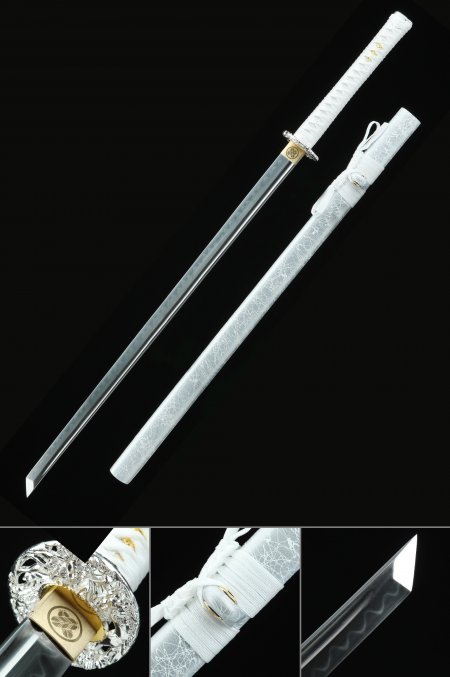
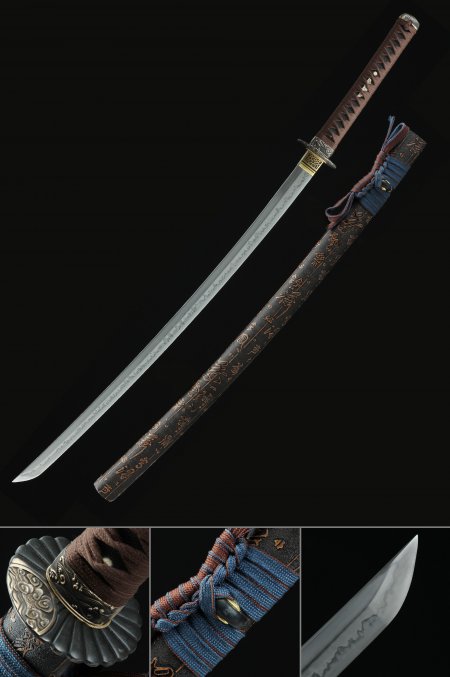
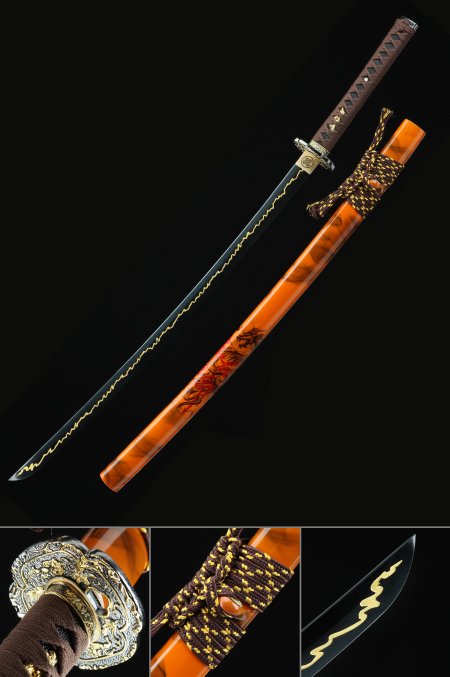
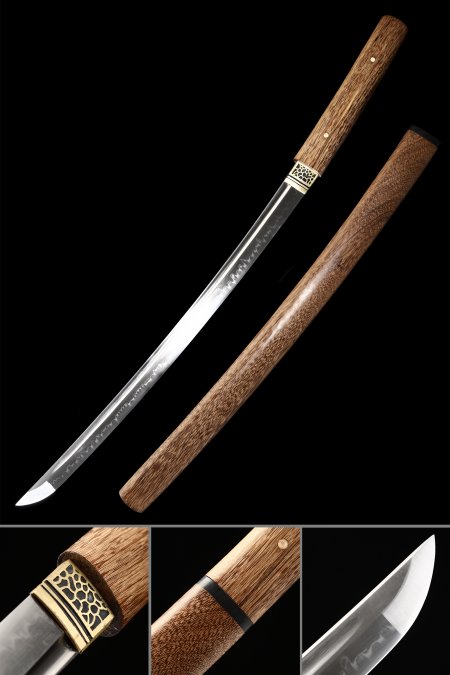
Both T10 and 1095 are high-carbon steels well-suited to katana production, but they differ in composition and the results they produce during heat treatment. T10 contains a small amount of tungsten, which refines the grain structure and contribuves to a harder, more wear-resistant edge even after repeated polishing. When clay-tempered - a process where refractory clay is applied along the spine before quenching - T10 develops a visible hamon, the activity line that marks the boundary between the hardened edge and the more flexible spine. This hamon on a T10 blade tends to show fine crystalline detail called nie and nioi, features that experienced collectors examine closely and that distinguish authentic differential hardening from a simulated acid-etched line. A 1095 blade without clay tempering can still produce excellent results, but the hamon detail and the specific grain characteristics prized by discerning collectors are most pronounced in the T10 clay-tempered examples.