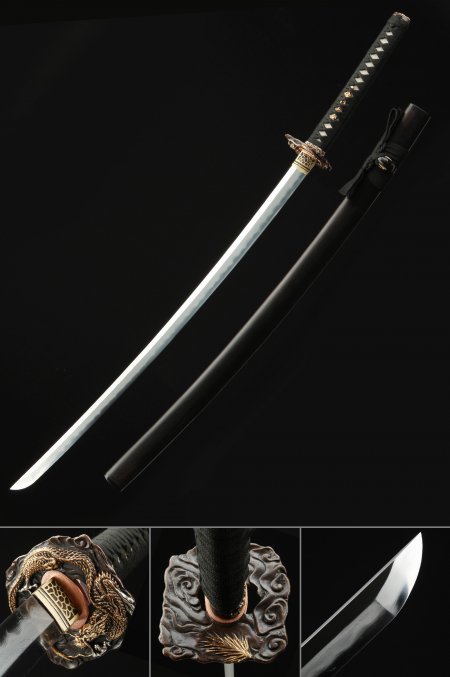
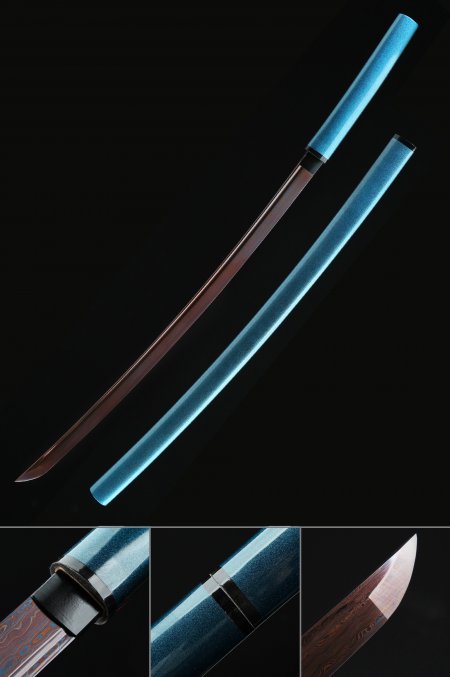
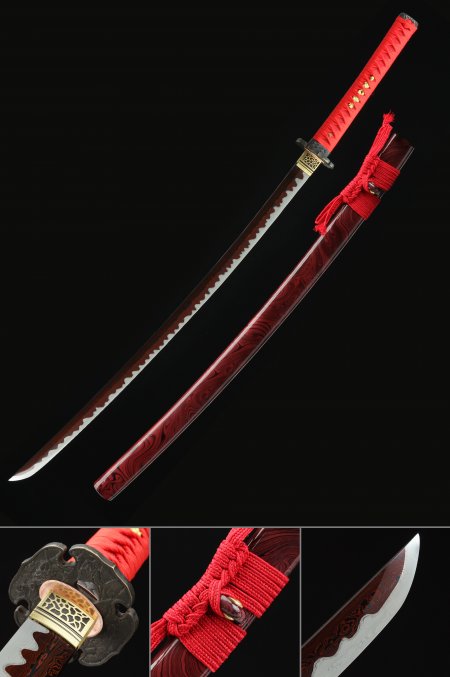
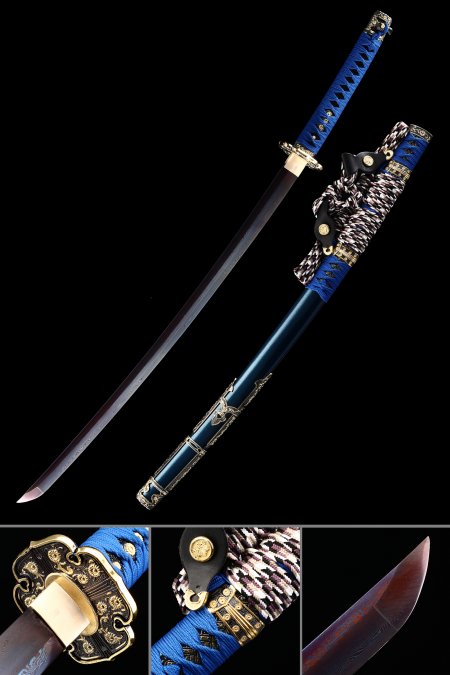
How does Damascus steel differ from T10 in these ninjato?
Updated Mar 2026
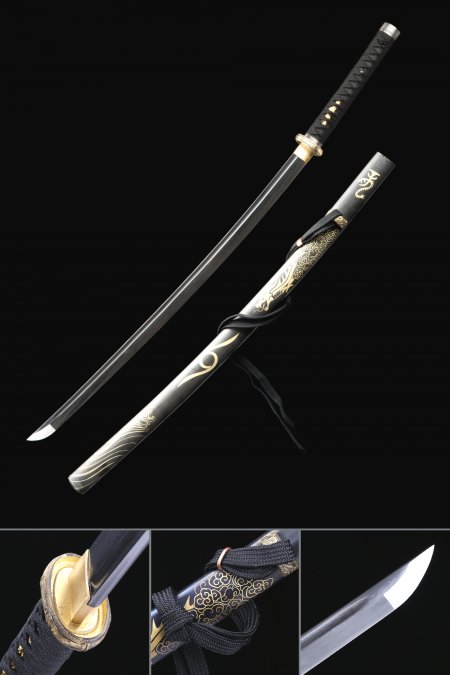
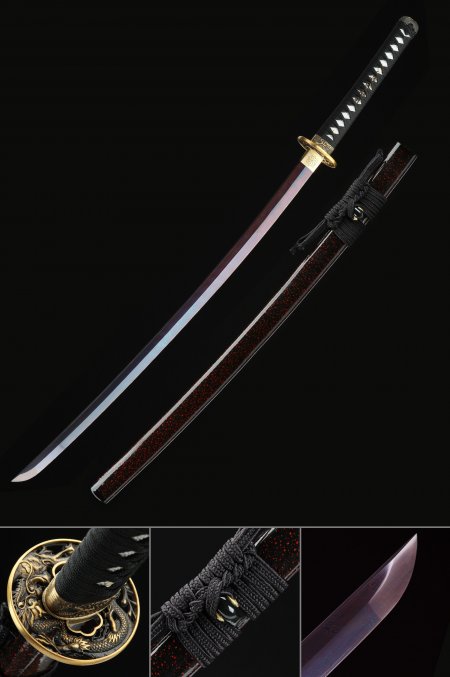
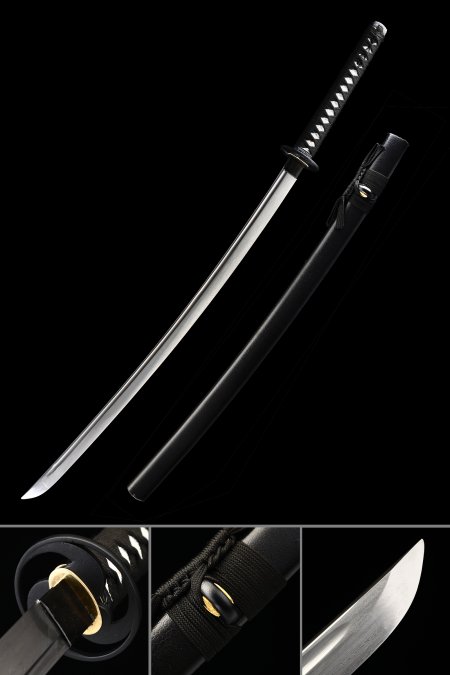
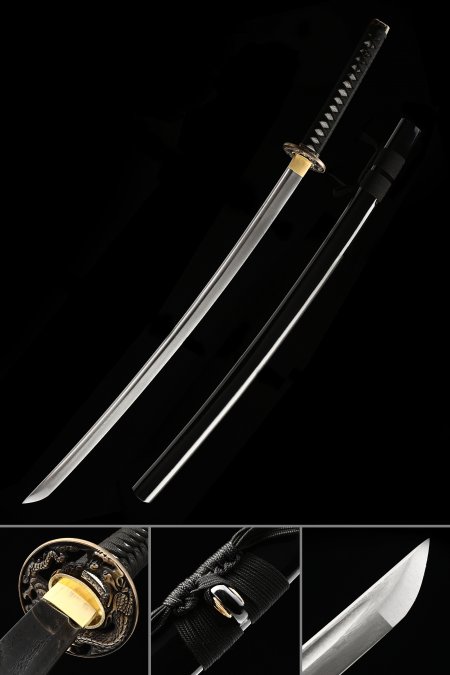
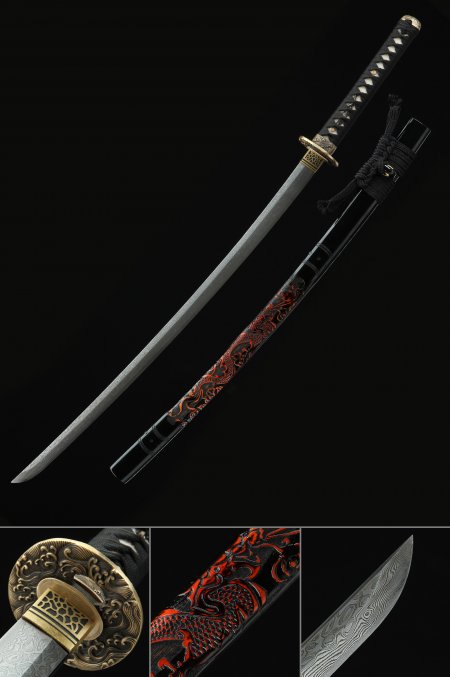
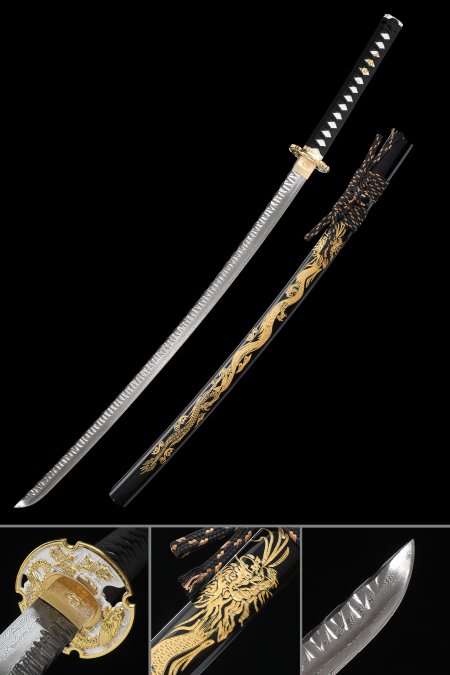
Damascus steel and T10 carbon steel represent two different approaches to blade character. Damascus is created by forge-welding multiple steel layers together and then acid-etching the finished blade to reveal the folded pattern — the result is a surface with flowing, organic lines that are completely unique to each individual piece. No two Damascus blades look identical, which makes them especially appealing as display collectibles. T10, by contrast, is a single high-carbon steel that is valued for its hardness and the visible hamon — the temper line — that appears along the blade edge when the sword is clay-tempered during production. The hamon gives T10 blades a more traditional Japanese aesthetic with a clearly defined activity line, whereas Damascus blades carry their visual complexity across the entire blade surface. Both are excellent collector choices; the decision often comes down to whether you prefer pattern complexity or traditional temper-line artistry.