What is clay tempering and how does it create a real hamon?
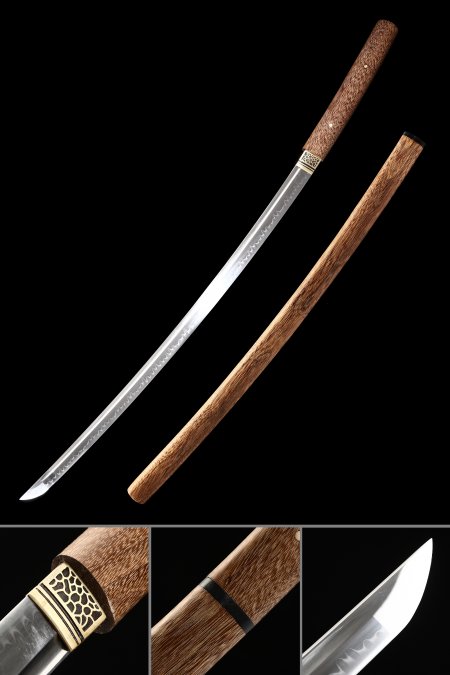
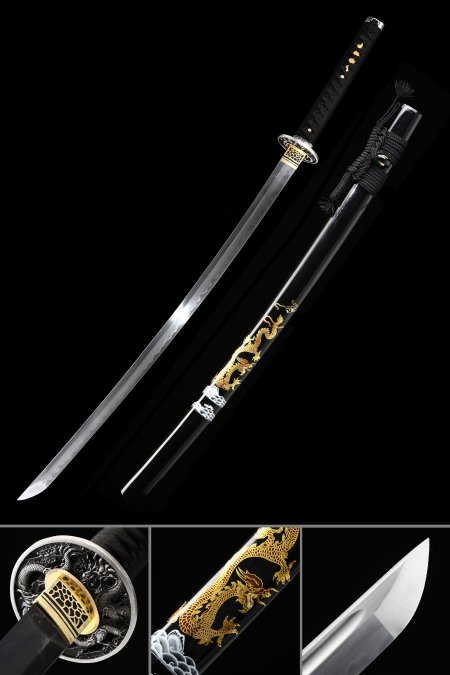
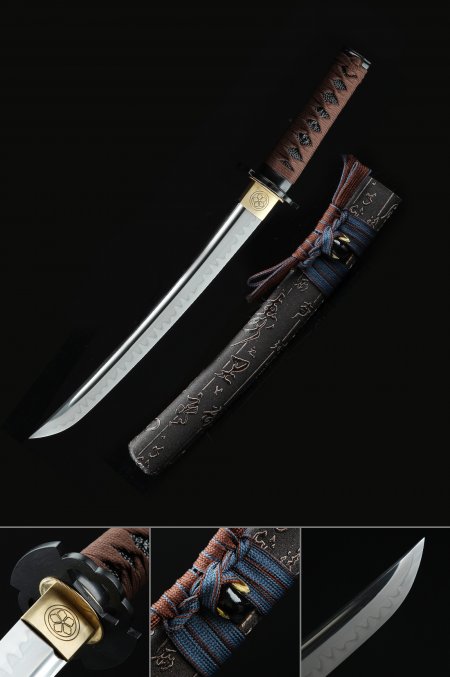
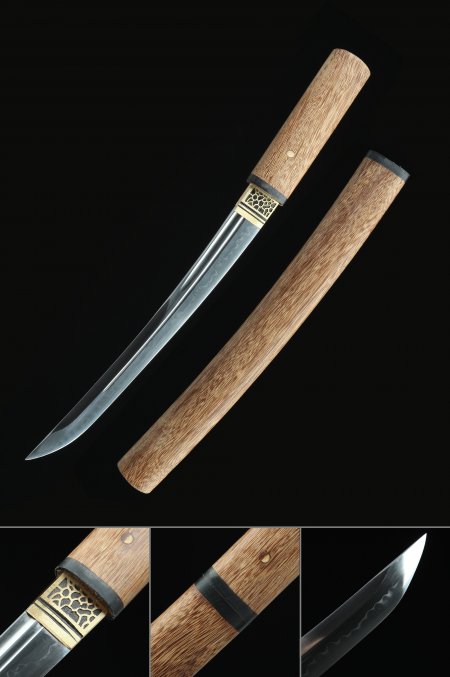
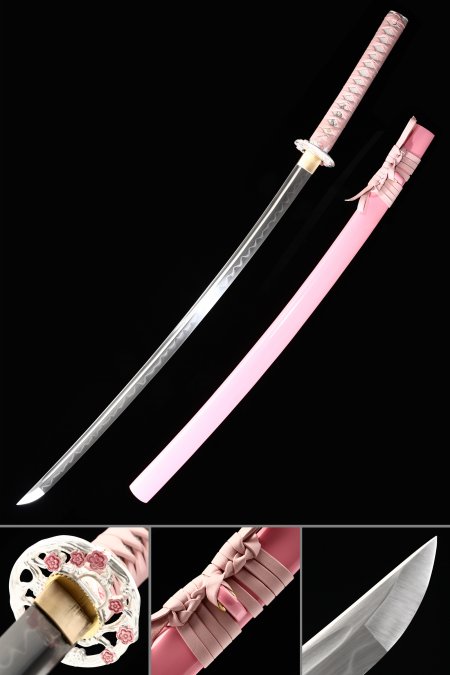
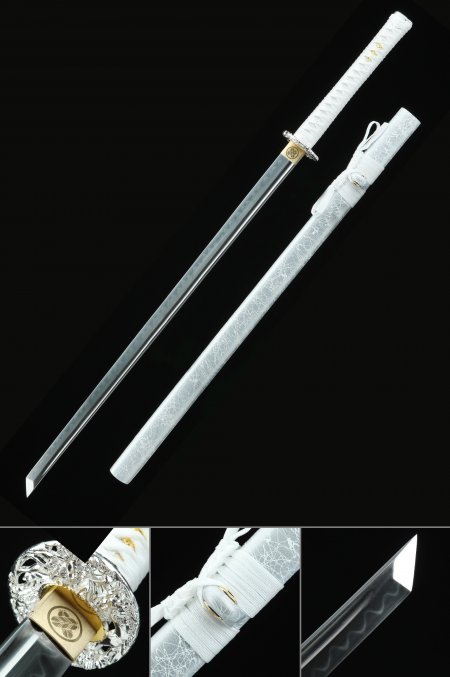
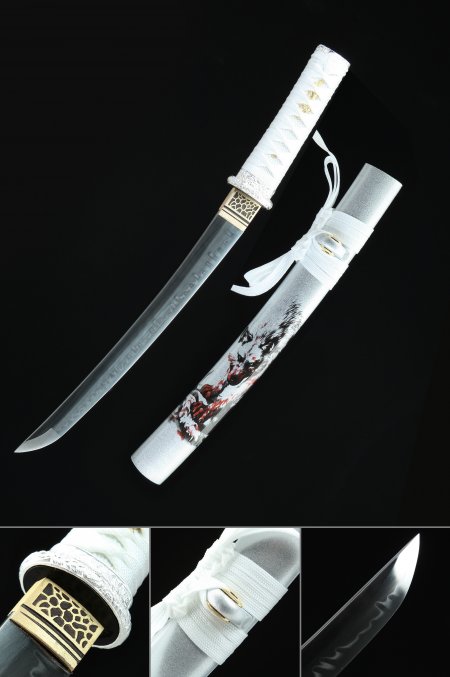
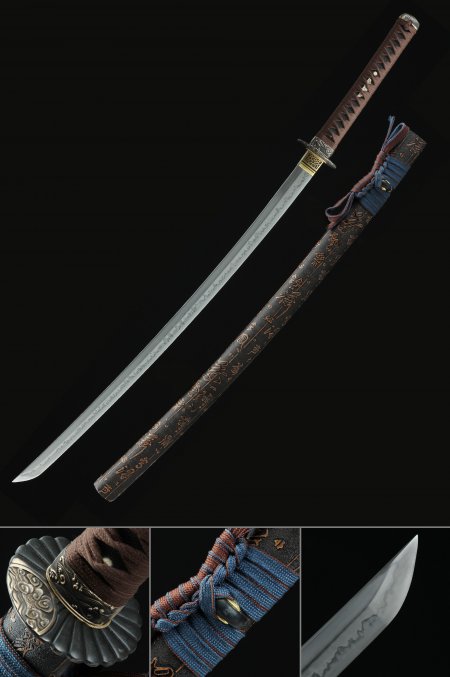
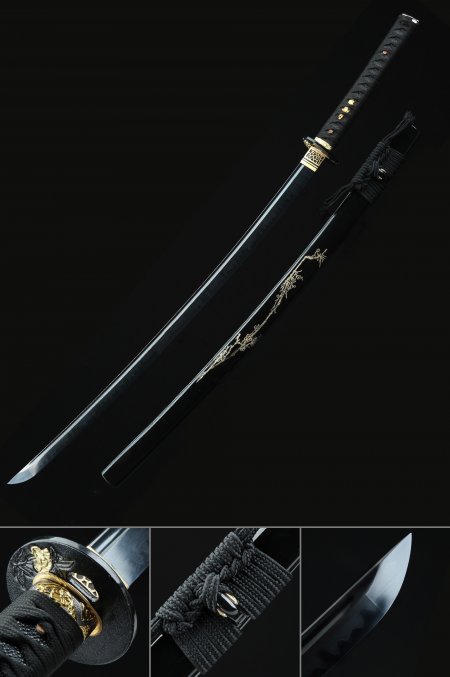
Clay tempering (tsuchioki) is a centuries-old Japanese technique where the swordsmith applies a layer of clay to the blade's spine before heat treatment. During quenching, the exposed edge cools rapidly and hardens (typically to HRC 58-60), while the clay-insulated spine cools slowly and remains softer and more flexible. The boundary between these two hardness zones creates the hamon — a visible wavy line running along the blade. Every clay-tempered T10 katana in our collection features a real hamon produced through this differential hardening process, not an etched or acid-applied decorative line. Each hamon pattern is unique because the clay application is done by hand.